
Glass Guides
Low-E Coated IGU Glass: Reduce Heat Gain in Bangalore Summer Homes
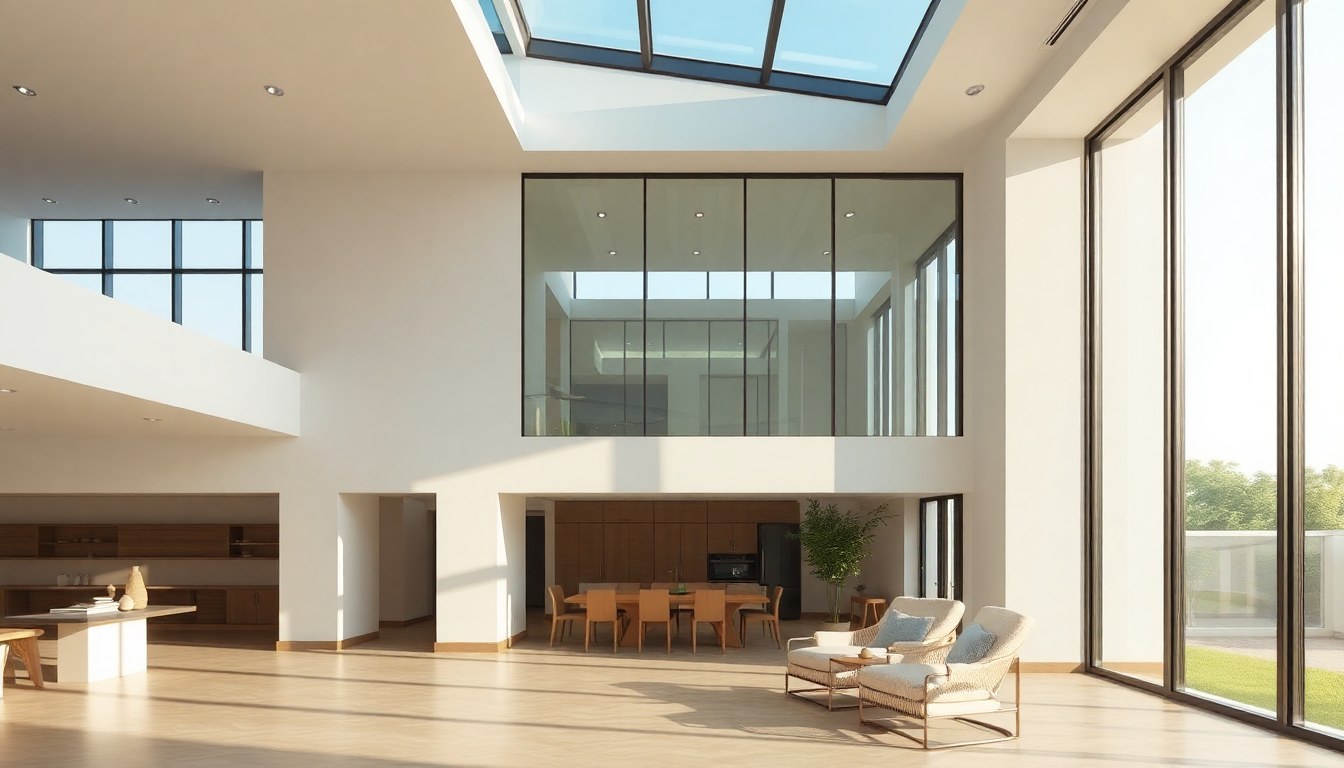
Bangalore's summers are relentless, pushing air conditioning bills to uncomfortable heights while greenhouse gases accumulate. Low-emissivity (low-E) coated insulated glass units (IGU) offer a proven solution: they reflect up to 70% of infrared heat while letting natural light flood your interiors, keeping your home cooler without sacrificing brightness. This guide breaks down the science, cost, and real-world ROI of low-E coated IGU glass for Bangalore homeowners.
What Is Low-E Coated IGU Glass?
Low-emissivity coating is a microscopically thin, transparent layer applied to one surface of a glass pane. This coating is typically made from metallic oxides—silver, tin oxide, or titanium dioxide—that selectively filter solar radiation. The coating allows visible light (which we see) to pass through while reflecting infrared radiation (heat) back outside, acting like a one-way mirror for thermal energy.
An insulated glass unit (IGU) consists of two or three glass panes separated by a sealed air or argon gas gap. When low-E coating is applied to an IGU—typically on the inner surface of the outer pane—the combination creates a powerful thermal barrier. The air gap adds insulation, and the coating adds reflection, making the system far more efficient than single-pane or standard IGU windows.
How Low-E Coating Differs from Standard IGU
- Standard IGU: Two glass panes with air gap; reflects some heat through the gap but allows significant infrared radiation to enter
- Low-E IGU: Two or three panes with metallic oxide coating; reflects 60–70% of infrared heat while maintaining 70–80% visible light transmission
- Result: Up to 30–40% reduction in solar heat gain compared to standard IGU
The Science Behind Heat Reflection in Bangalore's Climate
Bangalore's summers see peak temperatures between 32°C and 38°C, with intense solar radiation between 10 a.m. and 4 p.m. The sun's energy reaches Earth in three forms: visible light (which we see), ultraviolet radiation (UV, which causes fading), and infrared radiation (heat). Low-E coatings are engineered to be "selective"—they block infrared and much of the UV while remaining transparent to visible light.
The coating works through a process called selective absorption and reflection. When infrared photons strike the metallic oxide layer, they are either absorbed and re-emitted back outward (reflection) or dissipated as minimal heat within the coating itself. This happens at a molecular level and is invisible to the eye, which is why your windows remain crystal clear.
Solar Heat Gain Coefficient (SHGC) and U-Value
Two metrics matter when comparing low-E glass:
- Solar Heat Gain Coefficient (SHGC): The fraction of solar radiation that enters through the window. Lower is better for hot climates. Standard IGU typically has SHGC of 0.70–0.80; low-E IGU drops this to 0.25–0.40.
- U-Value: Measures heat loss through the window (relevant for winter, though Bangalore winters are mild). Low-E IGU reduces U-value from ~3.0 W/m²K to ~1.8–2.2 W/m²K.
For Bangalore, prioritize SHGC reduction. A low-E IGU with SHGC 0.30 can reduce cooling load by 25–35% compared to standard glass, translating directly to lower electricity bills.
Cost Analysis: Low-E Coated IGU vs. Standard IGU
Pricing varies based on glass thickness, coating type (soft-coat vs. hard-coat), and local suppliers. As of 2024, here's a realistic cost breakdown for Bangalore:
Price Comparison (per square meter)
- Standard IGU (6mm + 12mm air gap + 6mm): ₹1,200–₹1,800
- Low-E Coated IGU (6mm low-E + 12mm argon + 6mm): ₹2,400–₹3,600
- Premium low-E IGU (with triple glazing): ₹4,000–₹5,500
For a typical Bangalore home with 40 square meters of window area, upgrading from standard to low-E IGU costs an additional ₹48,000–₹72,000. This upfront cost is significant but recoverable through energy savings.
Installation and Additional Costs
Low-E IGU requires proper installation by certified professionals. Expect labour costs of ₹500–₹1,000 per square meter. If you're working with architects or interior designers like Spectrum Interior, they can coordinate seamless integration with your building design. Dealers such as City Glass Palace and Aluminium Fabrication often offer installation packages that reduce overall cost.
Return on Investment (ROI) Timeline
The ROI depends on your current cooling costs, window area, and local electricity rates. Here's a realistic scenario for a Bangalore home:
Sample ROI Calculation
- Window area: 40 m²
- Upgrade cost: ₹60,000 (mid-range low-E IGU + installation)
- Current annual cooling bill: ₹24,000 (for a home with moderate AC usage)
- Estimated annual savings (30% reduction): ₹7,200
- Payback period: 8–9 years
However, savings accelerate if you account for rising electricity rates (historically 5–7% annually in India). With rate increases factored in, effective payback drops to 6–7 years. Additionally, low-E IGU increases home resale value by 2–4% in premium segments, providing financial upside beyond energy savings alone.
Factors That Improve ROI
- Homes with high AC usage (commercial or residential in peak-sun areas)
- Larger window-to-wall ratios (more glass = more savings potential)
- Properties in high-electricity-cost zones
- Long-term ownership plans (7+ years)
Installation and Maintenance Considerations
Low-E coated IGU glass requires precise installation to maintain its thermal performance. The coating is delicate during handling, and improper installation can void the warranty or reduce effectiveness. Always hire certified installers experienced with coated glass.
Installation Best Practices
- Proper framing: Use aluminum or UPVC frames with thermal breaks to prevent heat bridging
- Sealant application: High-quality polyurethane or silicone sealants prevent air leakage
- Orientation: Position low-E coating on the inner surface of the outer pane (facing the air gap) for maximum effectiveness in hot climates
- Ventilation: Ensure adequate drainage in frame cavities to prevent condensation
Professional architects and design firms like DK Architecture Design can specify low-E IGU in building plans, ensuring correct orientation and framing from the start.
Cleaning and Maintenance
Low-E coated glass requires gentle cleaning. Use soft cloths and pH-neutral cleaners; avoid abrasive materials that scratch the coating. The coating itself is permanent and will not degrade under normal use, lasting the lifetime of the window (typically 20–25 years for IGU units).
Soft-Coat vs. Hard-Coat Low-E: Which Is Right for Bangalore?
Two main types of low-E coatings exist, and the choice affects performance and price:
Soft-Coat (Pyrolytic) Low-E
- Applied during glass manufacturing at high temperature
- Extremely durable and scratch-resistant
- Lower solar heat gain coefficient (better for hot climates)
- More expensive (₹200–₹400 per m² premium)
- Best for Bangalore: Yes, especially for new construction or major renovations
Hard-Coat (Sputtered) Low-E
- Applied post-manufacturing using vacuum deposition
- Slightly less durable but still long-lasting
- Moderate solar heat gain coefficient
- More affordable (₹100–₹250 per m² premium)
- Best for Bangalore: Yes, for budget-conscious retrofits with good ROI expectations
For Bangalore's intense summer heat, soft-coat low-E is the superior choice if budget allows. Its lower SHGC (0.25–0.35) provides maximum cooling benefit, justifying the higher upfront cost through faster energy payback.
Real-World Performance: What Bangalore Homeowners Report
Homeowners in Bangalore who've installed low-E IGU report consistent benefits:
- Temperature reduction: Interior spaces stay 2–4°C cooler without increased AC runtime
- Reduced glare: Less infrared heat means less glare-related discomfort during peak sun hours
- UV protection: Furniture, artwork, and fabrics fade 75% more slowly
- Noise reduction: The sealed air gap also dampens external noise by 5–8 decibels
- Condensation prevention: Superior insulation reduces condensation on windows during monsoon season
When planning your upgrade, consult with experienced glass dealers. Kajal Glass Shop and other reputable suppliers in Bangalore can provide samples and performance data specific to your home's orientation and window size.
Frequently Asked Questions
Does low-E coating reduce natural light in my home?
No. Low-E coatings are engineered to transmit 70–80% of visible light while blocking infrared heat. Your home will remain bright and naturally lit. The coating is invisible to the human eye, so windows appear normal while functioning as thermal barriers.
How much can I save on electricity bills with low-E IGU in Bangalore?
Typical savings range from 20–35% on cooling costs, depending on window area, orientation, and current AC usage. For a home spending ₹24,000 annually on cooling, expect savings of ₹4,800–₹8,400 per year. Savings grow as electricity rates increase.
Is low-E coating worth the investment for a rental property?
For rentals with short-term ownership (under 5 years), the ROI is marginal. However, for long-term rentals (7+ years), low-E IGU justifies the cost through reduced maintenance complaints, improved tenant satisfaction, and potential rent premium. Consult with your property manager on expected occupancy duration.
Can low-E coating be applied to existing windows?
No. Low-E coating is applied during glass manufacturing or in specialized facilities. Retrofitting existing windows requires full replacement with low-E coated IGU units. However, selective replacement of south and west-facing windows (which receive the most heat) can provide good ROI without replacing all windows.
What warranty do low-E coated IGU units carry?
Reputable manufacturers offer 10–15 year warranties on low-E coating integrity and IGU seal failure. Some premium suppliers extend warranties to 20 years. Always request warranty documentation and ensure the installer is authorized by the manufacturer. Poor installation can void warranties, so choose certified professionals.
Next Steps: Find Your Low-E IGU Supplier
Ready to upgrade your Bangalore home with low-E coated IGU glass? Browse verified glass dealers, architects, and interior designers on glassy.in, India's largest glass-business directory. Compare quotes, check customer reviews, and connect with professionals who understand Bangalore's climate and building codes. Start your search today and take the first step toward cooler, more energy-efficient summers.