
Glass Guides
Low-E Coated Glass for Summer Heat Control: Bangalore Climate Solutions
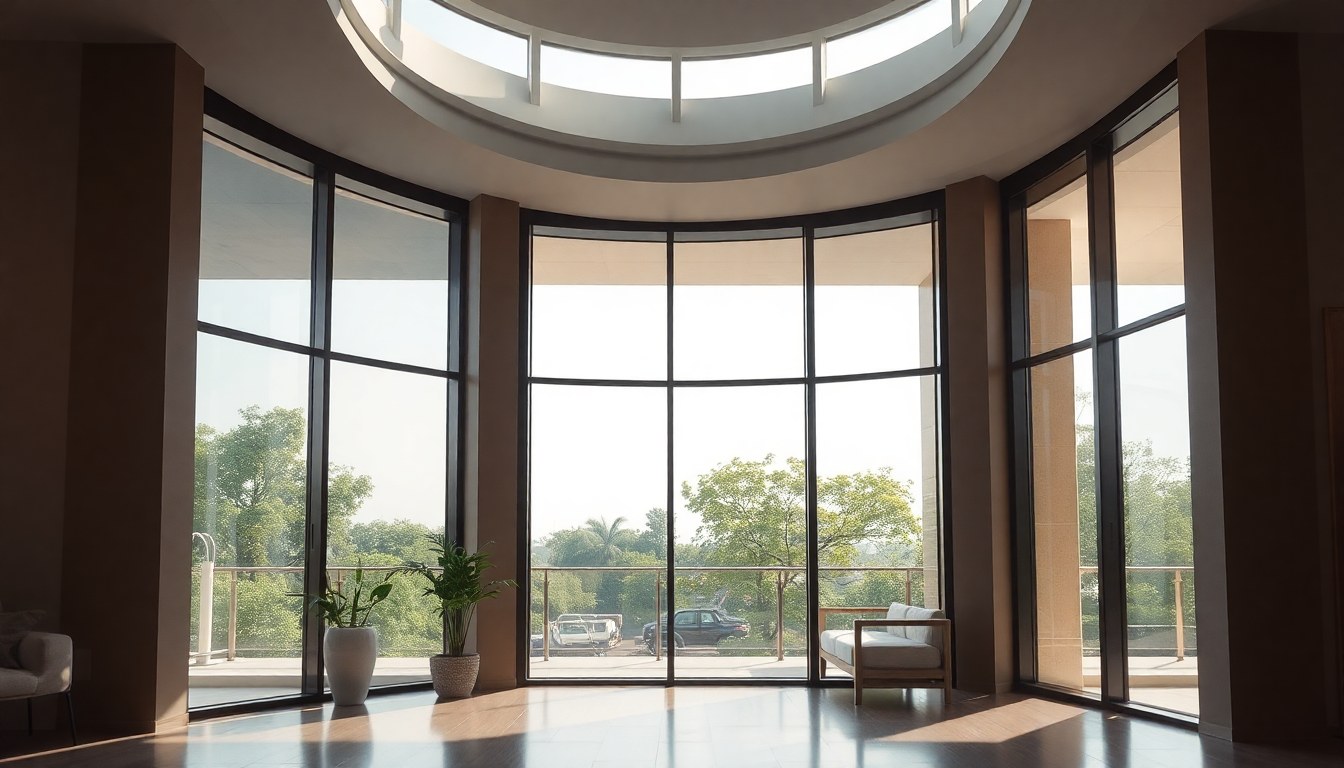
Bangalore's summer temperatures soar above 35°C, pushing air-conditioning costs to unsustainable levels for homes and offices. Low-emissivity (low-E) coated glass offers a proven solution by reflecting infrared heat while maintaining natural light transmission, reducing indoor temperatures by up to 8°C without darkening your interiors. This guide explores the science, performance metrics, and practical applications of low-E glass for tropical climates like Bangalore.
What is Low-E Coating and How Does It Work?
Low-emissivity coating is a microscopically thin, transparent layer applied to glass surfaces that selectively reflects thermal radiation. The coating typically consists of metallic oxides or noble metals like silver, applied in multiple layers just 0.1 to 0.5 microns thick. Despite this minimal thickness, the coating fundamentally changes how glass interacts with heat.
The technology works on a simple principle: visible light passes through unobstructed, but infrared radiation (heat) bounces back outward. In summer, this means solar heat attempting to enter your building is reflected away, while in winter, it would reflect interior warmth back inside. For Bangalore's year-round warm climate, summer-optimized low-E coatings prioritize heat rejection over heat retention.
Types of Low-E Coatings
- Pyrolytic (Hard Coat): Applied during glass manufacturing at high temperatures. More durable, resistant to scratching, and suitable for exposed applications. Slightly lower solar control performance but excellent longevity.
- Sputtered (Soft Coat): Applied after manufacturing in a vacuum chamber. Superior thermal performance and heat rejection, but requires protective glazing and careful handling. Ideal for sealed insulated glass units.
Performance Metrics for Bangalore's Tropical Climate
Understanding low-E glass performance requires familiarity with key metrics. The Solar Heat Gain Coefficient (SHGC) measures how much solar energy enters through glass on a scale of 0 to 1. Lower SHGC values mean better heat rejection. For Bangalore summers, low-E glass typically achieves SHGC values between 0.25 and 0.40, compared to 0.80 for untreated clear glass.
The U-value (or thermal transmittance) indicates how much heat conducts through the glass itself. Standard clear glass has a U-value around 5.8 W/m²K, while low-E coated glass reduces this to 1.5–3.0 W/m²K. Visible Light Transmittance (VLT) measures how much natural light passes through, typically 60–75% for summer-optimized low-E coatings, ensuring bright interiors without glare.
Real-World Energy Savings in Indian Climates
Studies on commercial buildings in Indian metros show that low-E glass installation reduces cooling loads by 20–35% compared to standard glazing. For a typical Bangalore office building with 40% glazed façade area, this translates to annual electricity savings of ₹8–12 lakhs and a payback period of 5–7 years. Residential installations report similar proportional savings, with monthly AC electricity bills dropping by 15–25%.
Installation and Integration in Bangalore Buildings
Low-E coatings are most effective when installed in insulated glass units (IGUs)—double or triple glazed sealed units with air or argon gas between panes. The coating must face the cavity (interior space) to reflect heat back outward, requiring precise orientation during installation. Professional installation is non-negotiable; improper positioning renders the coating ineffective.
For Bangalore's architectural landscape, low-E glass integrates seamlessly into modern commercial facades and residential windows. Architects and designers increasingly specify low-E coatings in new projects. Firms like STUDIO 2000 and DCAE-DC Architects Engineers routinely incorporate advanced glazing solutions into climate-responsive designs.
Retrofit Considerations for Existing Buildings
Retrofitting existing windows with low-E glass is feasible but involves replacing entire window frames and glass units. The process typically costs ₹400–800 per square meter, depending on window size and frame material. For buildings with large glazed areas, the investment yields returns within 5–8 years through reduced cooling costs. Phased retrofits—prioritizing west-facing and south-facing windows first—spread costs and maximize early returns.
Maintenance and Durability in Tropical Conditions
Bangalore's monsoon season and high humidity demand durable glazing solutions. Hard-coat (pyrolytic) low-E glass excels in these conditions, resisting moisture ingress and maintaining performance over 20+ years. Soft-coat (sputtered) low-E requires sealed IGUs and careful maintenance but offers superior thermal performance when properly protected.
Regular maintenance involves cleaning glass surfaces with non-abrasive methods—soft cloths and mild detergent solutions work best. Avoid high-pressure washing or acidic cleaners that can degrade coatings. Annual inspections of seals and frames prevent moisture infiltration, which is critical in Bangalore's monsoon periods. Well-maintained low-E glass retains 95%+ of its performance characteristics over its lifespan.
Cost-Benefit Analysis for Bangalore Property Owners
- Upfront Cost: ₹500–1,200 per square meter for low-E IGU installation (including frame and labor).
- Annual Cooling Savings: ₹15,000–40,000 for residential units; ₹2–5 lakhs for commercial buildings.
- Payback Period: 5–8 years for residential; 3–5 years for commercial with high AC usage.
- Long-term Value: Increased property resale value (5–10% premium), improved occupant comfort, and reduced carbon footprint.
Comparison with Alternative Heat Control Solutions
Bangalore property owners have several options for managing summer heat. External shading (louvers, blinds) costs ₹150–400 per square meter but requires maintenance and obstructs views. Reflective films cost ₹200–500 per square meter, reduce glare, but degrade faster in tropical climates. Tinted glass (bronze, gray) costs ₹300–700 per square meter but reduces natural light transmission to 40–50%, requiring more artificial lighting.
Low-E coated glass strikes the optimal balance: moderate upfront cost, superior long-term performance, minimal maintenance, and preservation of natural light and views. When combined with automated blinds or smart glass technology, low-E coatings form part of a comprehensive passive cooling strategy. Architects like Groove Designs and Site Practice leverage low-E glass as a cornerstone of energy-efficient design.
Selecting the Right Low-E Glass for Your Bangalore Project
Choosing appropriate low-E glass depends on building orientation, usage patterns, and climate control priorities. South and west-facing facades in Bangalore benefit most from aggressive low-E coatings with SHGC below 0.30. North-facing windows can use moderate low-E coatings (SHGC 0.40–0.50) to balance heat rejection with passive solar gains during cooler months.
For residential applications, triple-glazed low-E units with argon fill provide superior insulation and heat control. Commercial buildings often use double-glazed units with high-performance low-E coatings to manage costs while meeting energy codes. Consult with glazing specialists and architects—firms like ConstructDesigning and DK Architecture Design provide expert guidance on specification and installation.
Certifications and Standards
Ensure low-E glass meets Indian Standards (IS 12600) and international certifications like NFRC (North American Fenestration Rating Council) ratings. LEED and IGBC certifications recognize low-E glass installations, supporting green building credentials. Reputable suppliers provide performance certificates and warranty documentation—typically 10–15 years for coating integrity.
Frequently Asked Questions
Does low-E glass affect natural light and views?
No. Modern low-E coatings maintain 60–75% visible light transmittance, preserving natural light and outward views. You may notice a subtle blue or green tint when viewing the glass from outside, but interiors remain bright and clear. This is vastly superior to tinted or reflective alternatives that significantly darken interiors.
Is low-E coating maintenance-intensive in Bangalore's monsoon climate?
Low-E coated glass requires minimal maintenance—regular cleaning with soft cloths and mild detergent suffices. The coating itself is protected within sealed glass units, making it immune to moisture and environmental damage. Annual inspections of seals and frames prevent water ingress, which is standard practice for any glazing system in tropical climates.
What is the typical payback period for low-E glass installation in Bangalore?
Residential installations typically achieve payback in 5–8 years through reduced AC electricity costs. Commercial buildings, with higher cooling loads and longer operating hours, often see payback within 3–5 years. The calculation depends on current electricity rates, AC usage patterns, and the size of glazed areas. Consult local glazing suppliers for personalized ROI estimates.
Can low-E coating be applied to existing windows?
Applying low-E coating to existing single-pane windows is not practical or cost-effective. The coating requires factory application during glass manufacturing or in controlled vacuum environments. Retrofitting involves replacing entire window units with pre-coated low-E IGUs. For large-scale retrofits, phased approaches prioritizing high-heat-gain façades minimize disruption and spread costs.
How does low-E glass perform during Bangalore's winter months?
Bangalore's winters are mild (15–25°C), so winter heating is minimal. Summer-optimized low-E coatings prioritize heat rejection, which is appropriate for year-round warm climates. In winter, the reduced heat retention (compared to uncoated glass) is negligible due to low heating demand. If winter warmth retention were critical, dual-benefit coatings could be specified, though they're less common in tropical markets.
Conclusion: Invest in Comfort and Efficiency
Low-E coated glass represents a proven, scientifically validated solution for managing Bangalore's intense summer heat. By reflecting infrared radiation while preserving natural light, this technology reduces cooling costs by 20–35%, improves indoor comfort, and enhances long-term property value. Whether you're designing a new building or retrofitting an existing one, low-E glass deserves serious consideration as part of your climate control strategy.
Ready to explore low-E glass solutions for your Bangalore project? Visit glassy.in, India's largest glass-business directory, to connect with certified glazing suppliers, architects, and installation specialists near you. Browse verified listings, compare quotes, and find the perfect partner to transform your building's thermal performance.