
Buying Guides
Laminated Glass for Balconies: Safety, Sound Reduction & Monsoon Protection
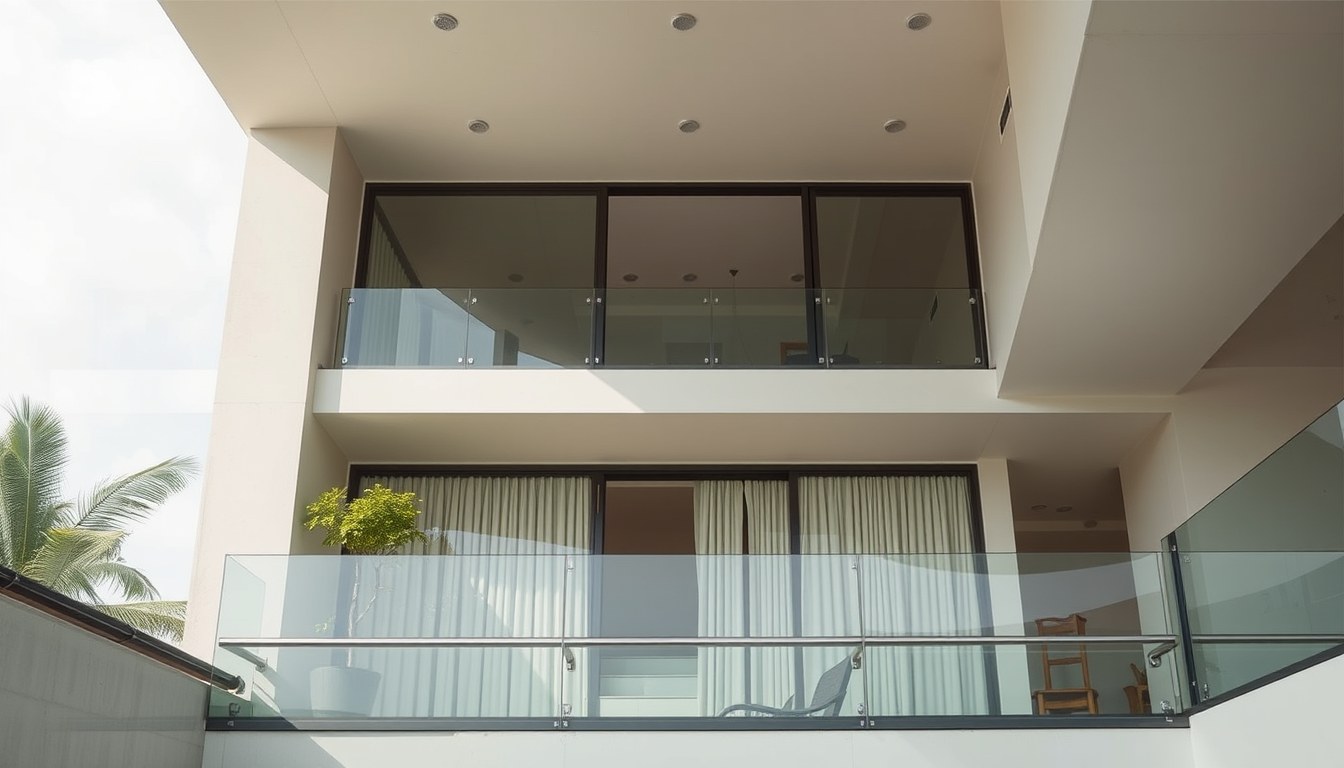
Balconies are extensions of your living space, but they're also vulnerable to weather, noise, and accidents. Laminated glass has emerged as the superior choice for Indian homes, especially in monsoon-prone and urban areas, because it combines shatter resistance with sound insulation and UV protection in a single solution. Unlike toughened glass, which shatters into small fragments when broken, laminated glass holds together even on impact—keeping your family safer and your balcony weathertight.
What Is Laminated Glass and How Does It Work?
Laminated glass consists of two or more glass panes bonded together with an interlayer of polyvinyl butyral (PVB) or ethylene vinyl acetate (EVA). When the glass breaks, the interlayer holds the fragments in place, preventing them from scattering. This is fundamentally different from toughened (tempered) glass, which shatters into small cubes when damaged.
The interlayer is the hero of laminated glass. It absorbs impact energy, resists penetration, and maintains the structural integrity of the pane. For balconies in high-rise buildings or storm-prone regions, this feature alone justifies the investment. The glass can be laminated in different thicknesses—typically 6+6mm, 8+8mm, or even 10+10mm for maximum durability.
Common Interlayer Materials
- PVB (Polyvinyl Butyral): Most common, excellent clarity, good sound dampening
- EVA (Ethylene Vinyl Acetate): Superior UV filtering, slightly higher cost
- SGP (SentryGlas Plus): Premium option, extreme durability and strength
Safety Benefits: Why Laminated Glass Outperforms Toughened Glass
Toughened glass is popular because it's cheaper and looks identical to regular glass. However, it has a critical flaw: when it breaks, it disintegrates into hundreds of small cubes instantly. While these cubes are less likely to cause deep cuts, they scatter across your balcony, making the area unsafe and difficult to clean. More importantly, toughened glass provides zero protection during the breaking process itself.
Laminated glass, by contrast, prevents the breaking from happening in the first place. Whether your child accidentally throws a ball against the glass or a heavy object impacts the pane during a storm, the interlayer absorbs the force and keeps the glass intact. If breakage does occur, the fragments remain adhered to the interlayer, creating a spiderweb pattern rather than a dangerous shower of glass.
Real-World Safety Scenarios
- High-rise balconies: Prevents accidental falls and keeps broken glass from falling to lower levels
- Children's play areas: Eliminates the risk of scattered glass shards
- Storm and hail damage: Maintains structural integrity even when impacted by debris
- Burglary resistance: Takes longer to break through, deterring intruders
Sound Reduction and Acoustic Comfort
If your balcony faces a busy road, railway line, or airport, laminated glass is a game-changer. The PVB interlayer acts as a sound dampener, reducing external noise by 30–40 decibels depending on the thickness and interlayer type. A standard 6+6mm laminated glass can reduce traffic noise from 80 decibels (very loud) to around 50–55 decibels (normal conversation level).
For maximum acoustic benefit, pair laminated glass with a slightly larger air gap (8–10mm) between the glass and frame. Some homeowners in Bangalore and coastal cities opt for 8+8mm or 10+10mm laminated glass combined with acoustic sealants, achieving noise reduction of up to 45 decibels. This is particularly valuable in apartment buildings where balconies are the only outdoor space.
How Laminated Glass Reduces Noise
The interlayer absorbs vibrations caused by sound waves, preventing them from transmitting through the glass. Thicker interlayers and multiple layers of glass compound this effect. Toughened glass, in comparison, offers minimal sound reduction because it's a single rigid pane with no dampening mechanism.
Monsoon Protection and Weather Durability
India's monsoon season brings heavy rainfall, strong winds, and occasional hail. Balconies are exposed on three or four sides, making them vulnerable to water ingress and structural stress. Laminated glass excels in these conditions because the interlayer prevents water from seeping through cracks or fractures.
In coastal cities like Mumbai, Chennai, and Kochi, salt spray and humidity accelerate glass degradation. Laminated glass with EVA or SGP interlayers resists moisture penetration and maintains clarity longer than toughened glass. The interlayer also prevents the glass from warping or developing stress fractures due to temperature fluctuations—common during monsoon transitions.
Why Toughened Glass Fails in Monsoons
Toughened glass is more prone to spontaneous breakage due to nickel sulfide inclusions in the glass. When exposed to repeated heating and cooling cycles during monsoons, these inclusions can expand and trigger sudden fractures. Once toughened glass breaks, water easily penetrates the entire pane. Laminated glass eliminates this risk because the interlayer holds the glass together even if microfractures develop.
UV Protection and Interior Fading
Prolonged sun exposure fades furniture, curtains, and wall colors. Laminated glass with EVA interlayers can block up to 99% of harmful UV rays, significantly extending the life of your interior furnishings. This is especially valuable in Indian climates where the sun is intense year-round.
Toughened glass offers no UV filtering unless treated with a separate coating—which adds cost and complexity. Laminated glass provides this benefit inherently, making it a more comprehensive solution for balcony protection. Over 5–10 years, the cost savings from reduced fading and interior damage often offset the higher initial investment in laminated glass.
Cost Comparison: Laminated vs. Toughened Glass
Laminated glass typically costs 30–50% more than toughened glass per square meter. A standard 6+6mm laminated glass panel costs ₹600–900 per square meter, while 6mm toughened glass ranges from ₹400–600 per square meter. However, this price difference must be weighed against the long-term benefits.
Total Cost of Ownership
- Laminated glass: Higher upfront cost, but no replacement needed after breakage (fragments stay in place), superior durability, reduced energy bills from better insulation
- Toughened glass: Lower initial cost, but full replacement needed if broken, no acoustic or UV benefits, shorter lifespan in monsoon climates
For a typical 10 square meter balcony, laminated glass costs an additional ₹2,000–3,000 upfront. Over 20 years, this investment pays for itself through durability, safety, and comfort gains. If your balcony faces noise or weather challenges, laminated glass becomes even more cost-effective.
When sourcing laminated glass for your balcony, work with established dealers and installers. Sri Lakshmi Glass Plywood And Hardware in Bangalore's Soundarya Layout specializes in high-quality laminated glass and can guide you through thickness options and interlayer choices. For design consultation, SAN Design Square offers expert advice on balcony aesthetics and structural requirements.
Installation and Maintenance Tips
Laminated glass requires proper installation to perform as intended. The frame must be structurally sound, and the sealing must be airtight to prevent water ingress. Poor installation can negate the benefits of laminated glass, especially in monsoon-prone areas.
Maintenance is straightforward: clean with mild soap and water, and avoid abrasive scrubbers. The interlayer does not require any special care and will not degrade over time if the glass remains intact. If the glass does break, replacement is necessary—but the fragments will stay in place, making the balcony safe until repair.
Frequently Asked Questions
Can laminated glass be used in all balcony types?
Yes, laminated glass works in high-rise apartments, villas, and independent houses. However, structural capacity must be verified—laminated glass is heavier than toughened glass, so older buildings may need additional support. Consult a structural engineer before installation.
How long does laminated glass last?
Laminated glass can last 20–30 years or more if properly installed and maintained. The interlayer may gradually yellow in extreme UV exposure, but this does not affect functionality. Toughened glass typically lasts 10–15 years in Indian monsoon climates before spontaneous breakage becomes likely.
Is laminated glass soundproof?
No, but it significantly reduces noise. A 6+6mm laminated glass reduces noise by 30–35 decibels; thicker options (8+8mm or 10+10mm) can achieve 40–45 decibels of reduction. Complete soundproofing requires multiple layers and air gaps, which is expensive and impractical for most balconies.
What happens if laminated glass breaks?
The interlayer holds the fragments together, creating a spiderweb crack pattern. The balcony remains safe and weathertight. You can continue using the balcony until the glass is replaced. With toughened glass, breakage means immediate replacement and potential safety hazards.
Does laminated glass require special frames?
No, standard aluminum or uPVC frames work fine. However, frames must be strong enough to support the weight of laminated glass. Ensure your installer uses appropriate frame thickness and reinforcement.
Laminated glass is the smart investment for balconies in India. It combines safety, comfort, and durability in a way toughened glass simply cannot match. Whether you're renovating an existing balcony or building a new home, prioritize laminated glass for monsoon resilience, sound control, and peace of mind. Browse verified glass dealers and installers on glassy.in to find the right supplier for your balcony project today.