
Glass Railings
Laminated Glass for Balconies: Safety, Sound Insulation & Wind Resistance
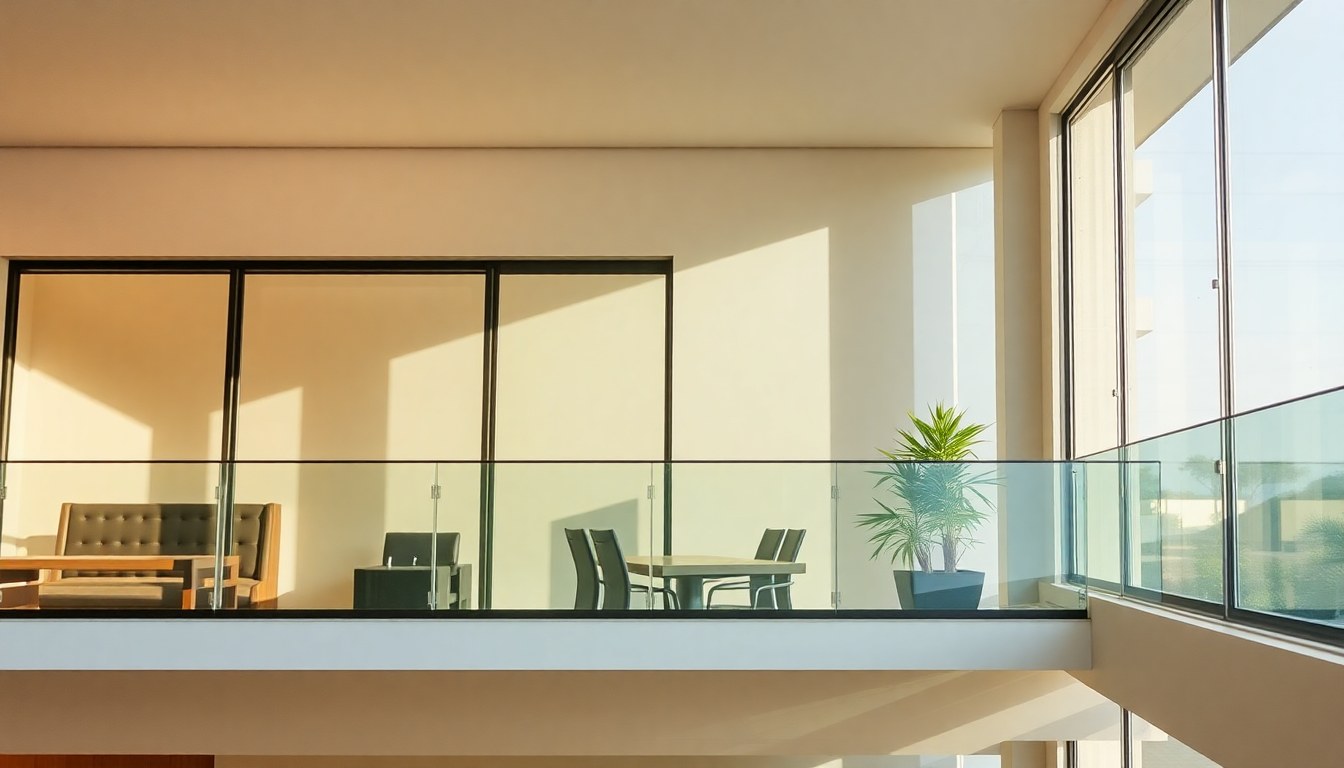
Modern apartment dwellers expect balconies that are not just visually appealing but genuinely protective. Laminated glass has emerged as the gold standard for balcony railings, offering three critical benefits: impact resistance that prevents glass breakage during accidents, sound insulation that blocks traffic and environmental noise, and structural durability against monsoon winds and extreme weather. If you're designing or upgrading a balcony in India, understanding laminated glass technology is essential to making an informed decision.
What Is Laminated Glass and How Does It Work?
Laminated glass consists of two or more panes of glass bonded together with a plastic interlayer, most commonly polyvinyl butyral (PVB). This interlayer is the key to laminated glass's superior safety and performance characteristics. When impact occurs, the glass panes may crack, but the PVB layer holds the fragments in place, preventing sharp shards from scattering and causing injury.
The manufacturing process involves heating glass panes and the PVB interlayer under controlled pressure to create a permanent bond. The thickness of the interlayer and the number of glass layers determine the final safety rating and sound insulation capability. For balcony applications in India, standard configurations include 6mm + 6mm laminated glass (two 6mm panes with a PVB layer) or 8mm + 8mm for higher-rise buildings where wind loads are greater.
The Role of PVB Interlayer
The PVB interlayer is engineered to absorb energy from impacts and vibrations. Unlike ordinary annealed glass, which shatters into dangerous shards, laminated glass with a quality PVB layer remains intact even when broken. This makes it the preferred choice for balconies where children and elderly residents may be present. Additionally, PVB provides excellent adhesion to glass, ensuring durability over 20+ years when properly installed.
Safety Benefits: Impact Resistance for High-Rise Apartments
In high-rise apartment buildings, balconies face unique safety challenges. Accidental impacts from furniture, sports equipment, or even body contact can occur. Laminated glass absorbs these impacts without shattering, significantly reducing injury risk. This is why most Indian building codes now mandate laminated or toughened glass for balcony railings in residential buildings above 15 metres.
Beyond accidental impacts, laminated glass also provides protection against attempted break-ins and vandalism. The PVB interlayer makes it extremely difficult to breach the glass quickly, giving residents time to seek help. For apartments in busy urban areas where security is a concern, this added layer of protection is invaluable.
Meeting Indian Building Standards
The Indian Standard IS 2553:2016 specifies requirements for laminated glass used in buildings. For balcony applications, the standard recommends a minimum thickness of 6+6mm laminated glass, with higher thicknesses for buildings above 20 storeys or in high-wind zones. Many builders in Bangalore, Mumbai, Hyderabad, and Pune now exceed these minimum standards to ensure resident safety and reduce liability.
Sound Insulation: Reducing Traffic and Environmental Noise
Urban balconies are exposed to constant noise from traffic, construction, and neighbours. Laminated glass is significantly more effective at sound insulation than single-pane or even ordinary double-glazing. The PVB interlayer absorbs sound vibrations, reducing noise transmission by 30-40 decibels depending on the glass thickness and interlayer composition.
For apartments located near busy roads or highways, laminated glass can reduce traffic noise from 80-90 decibels (street level) to 50-60 decibels inside the apartment. This translates to a noticeable improvement in quality of life, better sleep, and reduced stress. Residents no longer need to close windows to block noise, allowing for natural ventilation and fresh air.
Acoustic Performance Metrics
Sound insulation performance is measured using the Weighted Sound Reduction Index (Rw) in decibels. A 6+6mm laminated glass typically achieves an Rw of 30-33 dB, while 8+8mm configurations reach 33-36 dB. For maximum sound insulation, some builders use laminated glass with acoustic interlayers specifically designed to absorb sound frequencies, achieving Rw values above 40 dB. This is particularly beneficial in Tier-1 cities where traffic noise is a persistent issue.
Wind Resistance and Monsoon Durability
India's monsoon season brings intense winds, heavy rainfall, and pressure variations that test balcony structural integrity. Laminated glass performs exceptionally well under these conditions because the PVB interlayer prevents wind-induced vibration and flex that can lead to glass failure. The glass remains structurally sound even when subjected to wind pressures exceeding 2 kPa, which is the standard load for high-rise buildings.
Additionally, laminated glass resists water penetration better than ordinary glass because the PVB layer acts as a moisture barrier. During the monsoon, water does not seep between the glass and frame as easily, reducing the risk of mold, corrosion, and structural damage. This durability is especially important in coastal cities like Mumbai and Kochi, where salt spray and humidity accelerate deterioration.
Case Study: Hyderabad High-Rise Apartment Complex
A leading Hyderabad apartment builder recently completed a 28-storey residential tower with balconies fitted entirely with 8+8mm laminated glass railings. The decision was driven by three factors: the city's exposure to occasional high-wind events, the proximity to a major highway causing noise pollution, and the requirement to meet premium building standards for marketing purposes. Post-completion inspections confirmed zero glass failures during the first monsoon season, and resident feedback highlighted a noticeable reduction in traffic noise and improved sense of safety when using the balconies. The additional cost of laminated glass over toughened glass was approximately 15-20%, but the builder justified this investment as a value-add for premium positioning.
Installation and Maintenance Considerations
Proper installation is critical to realizing the full benefits of laminated glass balconies. The glass must be securely framed using appropriate structural silicone sealants and stainless steel or aluminum frames that resist corrosion. Poor installation can compromise the PVB interlayer bond and reduce safety and insulation performance.
Maintenance is straightforward. Regular cleaning with mild soap and water preserves clarity and aesthetic appeal. Unlike toughened glass, laminated glass does not require special cleaning products. If the outer pane cracks due to impact, the PVB interlayer holds the fragments in place, and the glass can often be repaired rather than replaced, reducing long-term costs.
Working with Qualified Suppliers
When sourcing laminated glass for balconies, partner with established glass dealers and manufacturers who provide certified products with test reports. Suppliers like Sri Lakshmi Glass Plywood And Hardware in Bangalore offer quality laminated glass with proper documentation. Architects and builders can also consult with design firms such as SAN Design Square to ensure specifications align with building codes and aesthetic goals.
Cost Analysis and Return on Investment
Laminated glass costs approximately 30-50% more than ordinary annealed glass but is comparable to or slightly cheaper than high-quality toughened glass when accounting for long-term durability. For a typical 3-bedroom apartment with a 40-50 square metre balcony area, the additional investment in laminated glass railings ranges from ₹15,000 to ₹35,000 depending on glass thickness and frame material.
The return on investment manifests through reduced maintenance costs, fewer replacements due to weather damage, improved resident satisfaction, and enhanced property resale value. Apartments with laminated glass balconies command a 5-10% price premium in premium residential markets across India's major cities.
Frequently Asked Questions
Is laminated glass mandatory for balcony railings in India?
While not universally mandatory, most building codes in India recommend laminated or toughened glass for balcony railings in residential buildings above 15 metres. Many state building bye-laws, particularly in Maharashtra, Karnataka, and Telangana, now require it. Check with your local municipal corporation or building authority for specific requirements in your area.
Can laminated glass be cut or customized after manufacturing?
No. Laminated glass cannot be cut after the PVB interlayer has been bonded. All cuts and customizations must be done before lamination. This is why precise measurements and design specifications are critical during the planning phase. Work with experienced glass suppliers who can handle custom shapes and sizes.
How long does laminated glass last?
Quality laminated glass with a proper PVB interlayer lasts 20-30 years or more with minimal maintenance. The PVB interlayer is designed to remain effective throughout this period. However, the lifespan depends on environmental conditions, installation quality, and maintenance practices. In harsh coastal environments, periodic inspection is recommended every 5-10 years.
Does laminated glass reduce UV radiation?
Yes. The PVB interlayer blocks approximately 99% of UV radiation, protecting furniture, textiles, and skin from sun damage. This is an added benefit for balconies exposed to direct sunlight, particularly in India's tropical climate.
What is the difference between laminated and toughened glass for balconies?
Laminated glass holds together when broken due to the PVB interlayer, while toughened glass shatters into small, relatively harmless granules. Laminated glass offers superior sound insulation and UV protection, while toughened glass is more scratch-resistant. For balconies, laminated glass is generally preferred for its safety and insulation benefits, though toughened glass is suitable for lower-rise buildings or cost-sensitive projects.
Conclusion
Laminated glass represents a smart investment for modern balconies in India, delivering safety, acoustic comfort, and weather resistance in a single solution. Whether you're building a high-rise apartment in Hyderabad, upgrading a Mumbai flat, or designing a Bangalore residential complex, laminated glass balcony railings provide peace of mind and long-term value. Partner with reputable glass suppliers and architects to ensure proper specification, installation, and maintenance. Explore the glassy.in directory to connect with certified glass dealers, manufacturers, and architects in your region who specialize in balcony solutions.