
Glass Railings
Frameless Glass Balcony Railings: Installation Challenges in Older Buildings
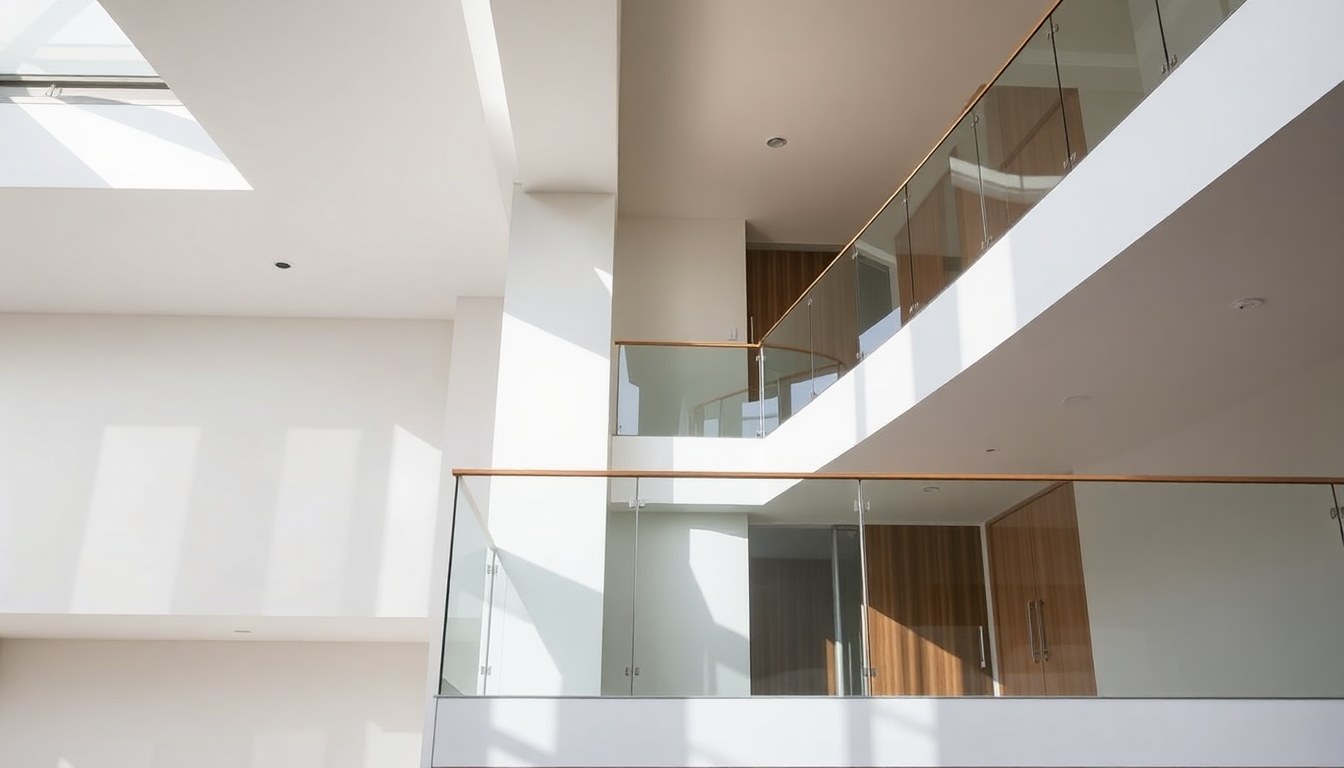
Frameless glass railings offer a modern, unobstructed view and sleek aesthetic that homeowners and architects love—but installing them on older buildings is far more complex than on new construction. Older buildings often have unpredictable structural conditions, outdated anchoring systems, and varying compliance standards that can turn a straightforward retrofit into a costly, time-consuming project. This guide walks you through the real-world challenges and practical solutions for installing frameless glass railings on heritage and aging apartment buildings across India.
Understanding Structural Assessment Requirements
Before any frameless glass railing installation begins on an older building, a thorough structural audit is non-negotiable. Older buildings—especially those constructed before 2000—were often built to different load-bearing standards, and their concrete, steel, and masonry have aged unpredictably. A qualified structural engineer must evaluate the balcony slab thickness, reinforcement quality, and overall load-bearing capacity to determine whether it can handle the point loads created by frameless glass railings.
The assessment should include core sampling of the concrete to check for strength degradation, moisture intrusion, and rust in reinforcement bars. Many older buildings in Indian cities like Mumbai, Bangalore, and Delhi suffer from concrete carbonation and corrosion, which weakens the structural integrity. The engineer will produce a detailed report specifying safe anchor locations, required reinforcement additions, and whether the existing structure needs strengthening before proceeding with installation.
Load Distribution Challenges
Frameless glass railings concentrate loads at discrete anchor points rather than distributing them along a frame. Older balconies, designed for traditional railing systems with distributed loads, may not have adequate local reinforcement at these concentrated points. If the concrete cannot safely handle the loads, you'll need to add steel plates, epoxy anchors, or even reinforce the slab with additional steel—all of which increase project cost and complexity.
Anchoring Systems for Older Structures
The choice of anchoring system is critical and depends entirely on the structural condition of the older building. Modern frameless glass railings typically use either embedded anchors (cast into concrete), mechanical anchors (drilled and set post-installation), or a combination of both. On older buildings, embedded anchors are rarely an option since they require breaking up and rebuilding the balcony edge.
Mechanical anchoring—using high-strength epoxy or chemical anchors combined with stainless steel bolts—is the most practical solution for retrofits. However, older concrete often has lower strength ratings and poor uniformity, making anchor selection more challenging. Engineers typically specify anchors rated for lower concrete strength (as low as 15–20 MPa) to account for degradation. Installation requires precision drilling, thorough cleaning of drill holes, and careful epoxy application in strict environmental conditions (temperature and humidity control).
Corrosion Prevention in Coastal and Humid Regions
In coastal cities like Mumbai, Goa, and Kochi, or in humid regions, corrosion of steel anchors is a serious long-term risk. Stainless steel (Grade 316 or higher) is essential for all fasteners and embedded components. Many older buildings have already experienced anchor corrosion from previous installations, so a thorough cleaning and replacement of corroded anchors is often necessary before new railings are installed. This adds time and cost but is critical for durability.
Code Compliance and Regulatory Hurdles
Building codes in India—particularly the National Building Code (NBC) and state-specific regulations—have evolved significantly over decades. Older buildings were constructed to older standards, and retrofitting them to current codes can be complicated. Frameless glass railings must meet minimum height requirements (typically 1100 mm for residential balconies), safety standards for glass strength (typically 12 mm tempered glass minimum), and load resistance (typically 1.2 kN horizontal load per NBC).
Many municipal authorities require structural approval and completion certificates before and after installation. In some states, heritage buildings or buildings in heritage zones face additional restrictions. You must obtain written approval from your municipal corporation or gram panchayat, and in some cases, the heritage conservation board. Delays in obtaining these approvals are common and can extend project timelines by weeks or months.
Apartment Society Approvals
If you're retrofitting a balcony in an apartment building, you'll need formal approval from the apartment society or residents' association. Many societies have bylaws that restrict external alterations to maintain building uniformity. Some societies require that all balconies be retrofitted uniformly, which can shift responsibility and costs. Getting consensus among residents and society management is often the biggest bottleneck in multi-unit buildings.
Installation Challenges Specific to Older Buildings
Once structural and regulatory approvals are in place, the actual installation presents its own set of challenges. Older balconies are rarely perfectly level or plumb—settling, structural movement, and weathering create slight deviations that modern frameless systems don't tolerate well. Frameless glass railings require extremely tight tolerances (often ±3 mm) to function safely and look professional.
If your balcony slab is uneven, the contractor may need to use shim plates or level the surface before anchoring. In some cases, the entire balcony edge may need to be resurfaced. This adds cost and time. Additionally, older buildings often have hidden utilities (electrical conduits, water pipes) running through balcony slabs. Ground-penetrating radar (GPR) surveys are recommended to map these before drilling anchor holes, adding another layer of cost and complexity.
Weather and Seasonal Constraints
Installation is weather-dependent. Epoxy anchors require specific temperature and humidity ranges to cure properly—typically 15–30°C and 40–85% relative humidity. In Indian cities with extreme seasons, this can limit installation windows to spring and autumn months. Delays due to monsoons or extreme heat are common and should be factored into project planning and budgets.
Cost Implications and Budget Planning
Frameless glass railing costs on older buildings are significantly higher than on new construction. A basic frameless glass railing on a new building might cost ₹2,500–₹4,000 per running meter, but retrofitting on an older building can easily run ₹4,500–₹7,500 per meter or more, depending on structural issues. Here's what typically adds cost:
- Structural assessment and engineering report: ₹15,000–₹50,000
- Concrete reinforcement or repair: ₹5,000–₹20,000 per balcony
- GPR survey for utilities: ₹10,000–₹25,000
- Regulatory approvals and permissions: ₹5,000–₹15,000
- High-strength mechanical anchors (stainless steel): 20–30% premium over standard anchors
- Extended labor and contingency time: 30–50% longer installation period
Budget an additional 15–25% contingency for unforeseen structural issues. Many retrofits uncover hidden problems—corroded reinforcement, water damage, or inadequate concrete strength—that require immediate remediation.
Best Practices for Successful Retrofits
To maximize the success of your frameless glass railing retrofit, follow these proven practices:
- Hire a qualified structural engineer: Don't skip the assessment phase. A good engineer saves money by identifying problems early.
- Use certified installers: Choose contractors experienced with frameless systems and older buildings. Ask for references and site visits.
- Specify Grade 316 stainless steel anchors: The upfront cost is worth the long-term durability, especially in humid or coastal regions.
- Plan for extended timelines: Add 4–8 weeks to your schedule for approvals, assessments, and weather delays.
- Document everything: Keep all structural reports, approval letters, and installation certificates for future reference and resale value.
- Conduct a post-installation inspection: Have the structural engineer verify that all anchors are properly installed and loads are safely distributed.
Frequently Asked Questions
Can frameless glass railings be installed on any older building?
Not without assessment. Older buildings with severely degraded concrete, inadequate reinforcement, or structural issues may not safely support frameless railings without significant strengthening work. A structural engineer must evaluate your specific building before proceeding. In some cases, traditional framed railings or hybrid systems may be more practical alternatives.
How long does a retrofit installation typically take?
On older buildings, expect 4–12 weeks from initial assessment to completion, including structural evaluation, approvals, and installation. The actual installation may take only 3–7 days per balcony, but pre-installation work and regulatory approvals are time-consuming. Weather delays and unforeseen structural issues can extend timelines further.
What is the typical cost for retrofitting frameless glass railings on an older apartment building?
Costs range from ₹4,500 to ₹7,500+ per running meter, depending on structural condition, location, and regulatory requirements. A typical 3-meter balcony retrofit could cost ₹15,000–₹25,000 just for materials and installation, plus ₹10,000–₹50,000 for structural assessment, approvals, and any necessary repairs. Always get detailed quotes from multiple contractors after structural assessment.
Are there alternatives to frameless glass for older buildings?
Yes. Framed glass railings with aluminum or stainless steel frames distribute loads more evenly and are often easier to retrofit on older buildings. Hybrid systems combining glass panels with lightweight frames are also popular. Semi-frameless designs offer a compromise between aesthetics and structural practicality. Discuss these options with your structural engineer and architect.
Do I need municipal approval for a frameless glass railing retrofit?
Yes, in most Indian cities. You'll need structural approval from your municipal corporation or local authority, and in apartment buildings, approval from the residents' association or society management. Heritage buildings require additional approval from heritage conservation boards. Always check with your local municipal office before beginning any work.
Conclusion
Retrofitting frameless glass railings on older buildings is achievable but requires careful planning, structural assessment, and adherence to evolving building codes. The challenges—unpredictable concrete quality, corrosion risks, regulatory complexity, and tight installation tolerances—demand experienced professionals and realistic budgets. By investing in proper assessment, quality materials, and certified installation, you can successfully modernize your balcony while ensuring safety and longevity.
Ready to explore frameless glass railing options for your older building? Browse certified glass railing suppliers and structural engineers in your city on glassy.in, India's largest glass-business directory. Connect with vetted professionals who understand the unique challenges of retrofitting heritage and older structures.