
Glass Railings
Glass Balustrade Post Drilling: Core Drilling vs Chemical Anchoring for Bengaluru Terraces
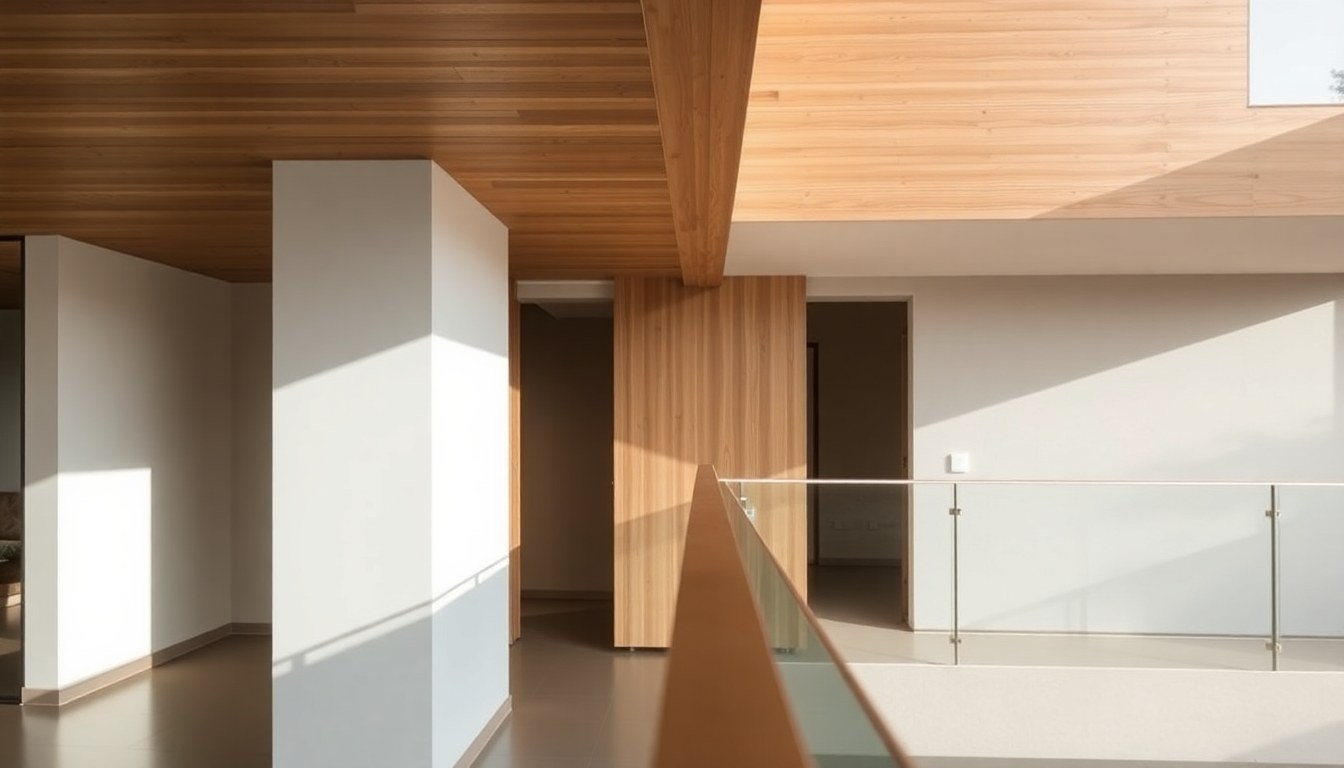
Installing glass railings on Bengaluru terraces requires careful consideration of post-fixing methods, especially given the city's predominant use of granite and concrete flooring. The two primary installation techniques—core drilling with mechanical anchors and chemical anchoring with epoxy resins—offer distinct advantages depending on substrate type, load requirements, and terrace conditions. Understanding these methods ensures your glass balustrade remains secure through monsoons, temperature fluctuations, and daily use.
Understanding Core Drilling for Glass Railing Posts
Core drilling involves creating precise cylindrical holes in the terrace substrate using diamond-tipped core bits. This method removes a complete core of material, creating a clean, accurate hole for post installation. The glass railing post is then secured using mechanical anchors—typically expansion bolts, wedge anchors, or sleeve anchors—that grip the sides of the drilled hole.
For Bengaluru's typical granite and Kadappa stone flooring, core drilling offers exceptional precision. The process generates minimal vibration compared to percussion drilling, reducing the risk of cracking expensive natural stone. Professional installers use wet core drilling to control dust and prevent heat buildup that could damage both the drill bit and the substrate.
The mechanical anchors used in core-drilled holes rely on friction and expansion. When tightened, these anchors press outward against the hole walls, creating a secure hold. This method works particularly well in dense, homogeneous materials like granite, where the substrate can withstand the expansion forces without crumbling.
Advantages of Core Drilling Method
- Immediate load-bearing capacity: Mechanical anchors can support weight as soon as they're tightened, with no curing time required
- Reversibility: Posts can be removed and relocated if needed, though holes will require patching
- Visual inspection: The anchor's grip can be verified by checking torque specifications during installation
- Cost-effectiveness: Lower material costs compared to chemical anchoring systems
- Substrate versatility: Works effectively in solid concrete, granite, and other dense masonry
Limitations in Bengaluru Terrace Applications
Core drilling does present challenges in certain Bengaluru terrace scenarios. Hollow-block construction, common in some residential buildings, provides insufficient material thickness for proper anchor expansion. The method also requires precise hole diameter—even minor deviations can compromise anchor performance. In weathered concrete or porous stone, the expansion forces may cause localized cracking around the anchor point.
Terrace waterproofing membranes add another layer of complexity. Penetrating these protective layers creates potential leak points that must be carefully sealed. Many Bengaluru buildings feature China mosaic or tile flooring over waterproofing, and core drilling through these composite layers requires expertise to maintain waterproof integrity.
Chemical Anchoring with Epoxy Resins
Chemical anchoring uses two-component epoxy or polyester resin systems to bond threaded rods or anchor bolts within drilled holes. The resin fills gaps between the anchor and hole walls, creating a complete bond across the entire embedded length. This method transforms the anchor and substrate into a unified structural element.
For glass balustrade installations, chemical anchoring offers superior performance in challenging substrates. The resin compensates for minor drilling irregularities and distributes loads evenly across the bond area. Specialists like Elvenwood Interiors often recommend chemical anchoring for premium installations where long-term reliability is paramount.
The installation process requires careful surface preparation. Holes must be thoroughly cleaned of dust, debris, and moisture before resin injection. Most epoxy systems designed for outdoor use in Bengaluru's climate feature moisture-tolerance and UV resistance, ensuring bond integrity through seasonal weather changes.
Pull-Out Strength Comparison
Chemical anchors typically deliver higher pull-out strength than mechanical anchors in identical substrates. The complete bond area—rather than just friction points—resists extraction forces. In cracked or lower-strength concrete, this advantage becomes even more pronounced. The resin penetrates micro-cracks and porous areas, effectively strengthening the substrate around the anchor point.
For Bengaluru's granite flooring, both methods provide adequate strength when properly installed. However, chemical anchoring shows superior performance in aged concrete where carbonation or weathering has reduced surface strength. The resin creates a bond that's often stronger than the substrate material itself.
Curing Time and Weather Considerations
Unlike mechanical anchors, chemical systems require curing before load application. Standard epoxy resins need 24 to 72 hours to achieve full strength, depending on ambient temperature. Bengaluru's moderate climate generally supports optimal curing, though monsoon humidity can extend cure times for some formulations.
Fast-cure epoxy systems reduce waiting time to as little as 4-6 hours but typically cost more. Temperature-sensitive formulations may underperform during Bengaluru's cooler winter mornings or require modified installation procedures during peak summer heat.
Substrate Compatibility for Bengaluru Terraces
Bengaluru residential and commercial buildings feature diverse terrace substrates, each with specific anchoring requirements. Understanding your substrate type determines which installation method delivers optimal results.
Granite and Natural Stone Flooring
Granite slabs, popular in Bengaluru's premium properties, accept both core drilling and chemical anchoring excellently. The dense, crystalline structure provides ideal conditions for mechanical anchor expansion. However, granite's hardness demands quality diamond core bits and experienced operators to prevent chipping at the surface.
Chemical anchoring in granite creates bonds that often exceed the stone's own tensile strength. This method proves particularly valuable when drilling near slab edges or in thinner granite applications where expansion anchors might cause splitting.
Concrete Slab Terraces
RCC (reinforced cement concrete) terraces represent the most common substrate in Bengaluru. Concrete quality varies significantly based on building age and construction standards. Newer buildings with high-grade concrete support both methods effectively, while older structures with weathered or lower-strength concrete benefit from chemical anchoring's gap-filling properties.
Rebar detection becomes critical in concrete drilling. Hitting reinforcement bars can damage equipment and compromise structural integrity. Professional installers use rebar locators before drilling, adjusting post positions when necessary to avoid steel reinforcement.
Tile and Waterproofing Considerations
Many Bengaluru terraces feature ceramic tiles, vitrified tiles, or China mosaic over waterproofing membranes. Drilling through these layers requires a staged approach—starting with smaller pilot holes to prevent tile cracking, then enlarging to final diameter. Both anchoring methods work, but chemical systems better seal the penetration against water infiltration when combined with appropriate sealants.
Waterproofing integrity remains paramount. Installers must apply waterproof sealants around anchor points and consider using stainless steel anchors to prevent corrosion-driven leaks. Businesses like SHREYA ART GLASS often coordinate with waterproofing specialists to ensure leak-proof installations.
Installation Cost and Time Factors
Material costs for mechanical anchors typically range from ₹50 to ₹200 per anchor point, depending on size and grade. Chemical anchoring systems cost ₹150 to ₹500 per point, with premium epoxy resins commanding higher prices. These figures exclude labor, which varies based on substrate difficulty and access conditions.
Installation time differs significantly between methods. Core drilling with mechanical anchors allows immediate post installation and glass mounting—a complete terrace railing can be functional within a day. Chemical anchoring adds curing time, extending project duration but often reducing on-site labor hours since installers can drill and inject multiple points before returning for post mounting.
Equipment requirements also impact costs. Core drilling demands specialized drill machines and diamond bits that professionals amortize across multiple projects. Chemical anchoring requires less specialized equipment but involves consumable resin cartridges and dispensing tools.
Making the Right Choice for Your Terrace
Selecting between core drilling and chemical anchoring depends on multiple project-specific factors. For new construction with high-quality concrete or granite, mechanical anchors offer cost-effective, immediate results. Older buildings, challenging substrates, or applications requiring maximum pull-out strength benefit from chemical anchoring's superior bonding.
Terrace exposure to wind loads also influences the decision. High-rise buildings or exposed locations experience greater lateral forces on glass panels, transferring higher stresses to anchor points. Chemical anchoring's distributed load-bearing often proves advantageous in these demanding applications.
Consult with experienced glass railing installers who understand Bengaluru's specific conditions. Professionals can assess your substrate, evaluate load requirements, and recommend the optimal method. Many installers offer hybrid approaches, using chemical anchoring for critical posts and mechanical anchors for less-stressed positions to balance performance and cost.
Frequently Asked Questions
Which method is stronger for glass railing posts in granite flooring?
Both methods provide adequate strength in granite when properly installed. Chemical anchoring typically delivers 20-30% higher pull-out strength due to complete bonding across the anchor length, while mechanical anchors rely on friction at expansion points. For standard residential glass railings in quality granite, either method meets structural requirements, though chemical anchoring offers a safety margin in critical applications.
How long does chemical anchoring take to cure in Bengaluru's climate?
Standard epoxy chemical anchors require 24-48 hours to achieve full strength in Bengaluru's typical temperatures of 20-30°C. Fast-cure formulations reduce this to 4-8 hours. Monsoon humidity may extend curing times by 12-24 hours for some products. Always follow manufacturer specifications and avoid loading anchors before complete cure, regardless of ambient conditions.
Can I install glass railing posts on waterproofed terraces without causing leaks?
Yes, with proper techniques. Both drilling methods penetrate waterproofing, creating potential leak points that must be sealed. Use stainless steel anchors to prevent corrosion, apply polyurethane or epoxy-based waterproof sealants around anchor bases, and consider creating slight upward slopes around posts to direct water away. Professional installers often apply liquid waterproofing membranes over anchor points for additional protection.
What is the minimum concrete thickness required for glass balustrade posts?
Mechanical anchors typically require minimum embedment depths of 75-100mm in concrete, necessitating slab thickness of at least 125mm for adequate cover. Chemical anchors can work in thinner substrates—as little as 50mm embedment—due to superior bonding. Always verify your terrace slab thickness before selecting an anchoring method, especially in older Bengaluru buildings where slab dimensions may vary.
How much does professional glass railing post installation cost in Bengaluru?
Professional installation costs range from ₹800 to ₹2,500 per post, depending on substrate type, anchoring method, and access difficulty. This includes drilling, anchors, and labor but excludes the glass panels and posts themselves. Chemical anchoring typically costs ₹300-500 more per post than mechanical anchoring. High-rise installations or complex terraces with multiple substrate layers command premium rates due to increased labor and equipment requirements.
Ready to install glass railings on your Bengaluru terrace? Connect with experienced glass railing specialists through the glassy.in directory, where you'll find verified professionals offering both core drilling and chemical anchoring services tailored to your specific substrate and structural requirements.