
Glass Railings
Stainless Steel vs Aluminum Railings with Glass Infill: Corrosion Resistance for Visakhapatnam
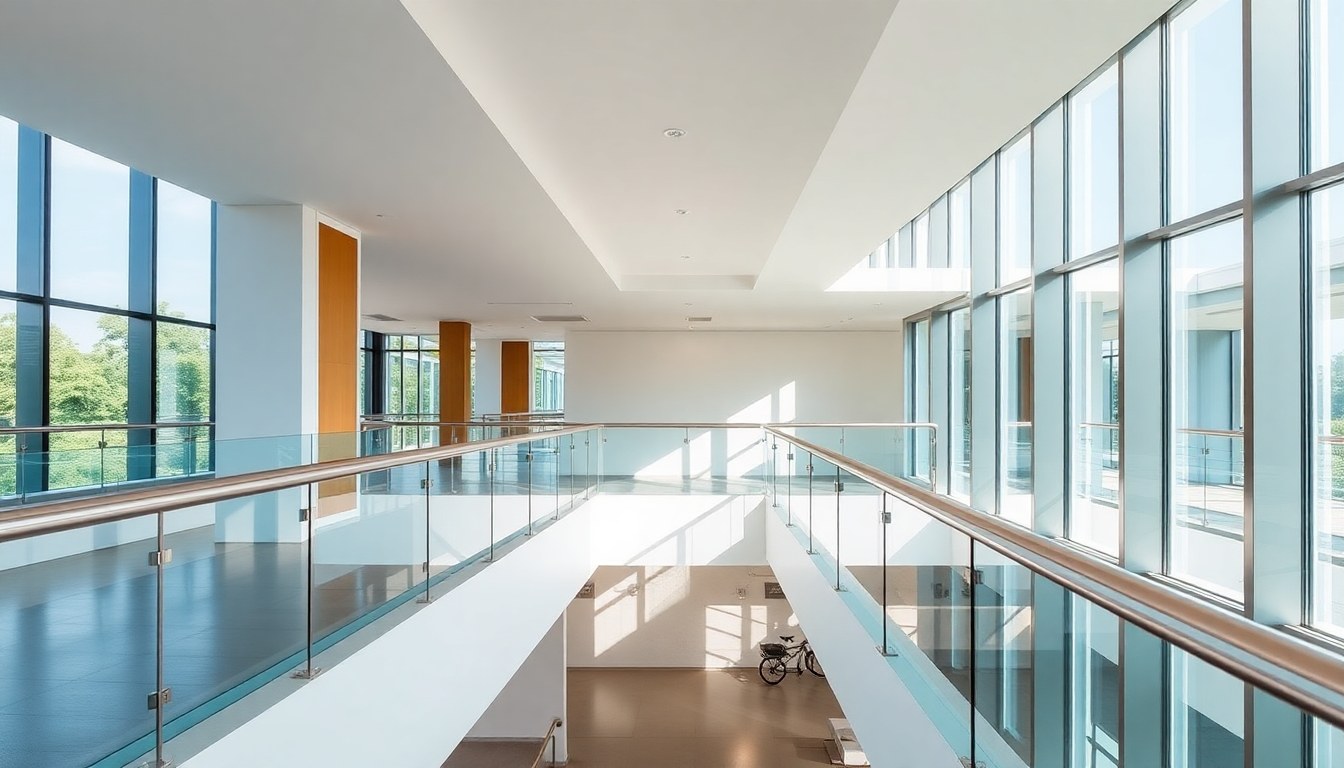
Visakhapatnam's stunning coastal location comes with a hidden challenge for building materials: relentless salt-laden air that accelerates corrosion and degrades metal railings. If you're installing glass railings in Vizag's marine environment, choosing between stainless steel and aluminum frames isn't just about aesthetics—it's a critical decision that will determine whether your investment lasts five years or fifty. This comprehensive comparison examines how marine-grade stainless steel and powder-coated aluminum perform in coastal conditions, helping you make an informed choice for your balcony, terrace, or waterfront property.
Understanding Coastal Corrosion in Visakhapatnam
Visakhapatnam sits directly on the Bay of Bengal, exposing buildings to constant salt spray, high humidity, and chloride-rich air. This combination creates what engineers call a "severe marine environment"—one of the most corrosive conditions for metal structures. Salt particles settle on railing surfaces, attract moisture, and initiate electrochemical reactions that eat away at unprotected metals.
The corrosion challenge intensifies during monsoon season when moisture levels peak and salt deposits become more aggressive. Properties within 500 meters of the shoreline face the harshest conditions, but even buildings several kilometers inland experience elevated corrosion rates compared to interior cities. Understanding this environment is essential before selecting railing materials, as standard-grade metals that perform adequately elsewhere will fail prematurely in Vizag's coastal climate.
Marine-Grade Stainless Steel: The Premium Coastal Solution
Stainless steel earns its name from chromium content that forms a self-healing protective oxide layer on the surface. However, not all stainless steel grades offer equal corrosion resistance. For Visakhapatnam's coastal environment, marine-grade stainless steel—specifically grades 316 and 316L—provides superior performance compared to standard 304 grade commonly used inland.
Grade 316 vs 304 Stainless Steel
The critical difference lies in molybdenum content. Grade 316 contains 2-3% molybdenum, which dramatically enhances resistance to chloride-induced pitting and crevice corrosion. Grade 304, while adequate for interior applications, lacks this additional protection and will show rust spots within months when exposed to salt air. The 316L variant offers even better weld-area corrosion resistance, making it ideal for fabricated railing systems.
Marine-grade stainless steel railings require minimal maintenance in coastal areas. The material naturally resists rust, maintains structural integrity under salt exposure, and develops an attractive satin finish over time. Periodic washing with fresh water removes salt deposits and preserves the protective oxide layer. Quality fabricators and suppliers like Mishra Glass understand the importance of specifying the correct grade for coastal installations.
Cost Considerations for Stainless Steel
Grade 316 stainless steel commands a premium price—typically 30-40% higher than grade 304 and significantly more expensive than aluminum alternatives. Installation costs also run higher due to the material's weight and specialized welding requirements. However, this upfront investment translates to decades of maintenance-free service in coastal environments, making it cost-effective over the railing's lifetime.
Aluminum Railings: Lightweight Performance with Protective Coatings
Aluminum naturally forms a protective oxide layer that resists corrosion, making it inherently more rust-resistant than carbon steel. However, raw aluminum faces challenges in marine environments where chlorides can penetrate this natural protection. The solution lies in advanced surface treatments that create additional protective barriers.
Powder Coating Technology
High-quality powder coating creates a durable, non-porous finish that shields aluminum from salt exposure. This electrostatically applied coating bonds molecularly to the aluminum surface, providing superior adhesion compared to liquid paints. Marine-grade powder coatings incorporate UV stabilizers and corrosion inhibitors specifically formulated for coastal conditions.
The effectiveness of powder-coated aluminum depends entirely on coating quality and surface preparation. Premium systems involve multi-stage pre-treatment, including chromate or chrome-free conversion coatings that enhance adhesion and add corrosion resistance. Coating thickness matters significantly—marine applications require minimum 80-100 microns compared to 60 microns for standard applications.
Anodized Aluminum Alternative
Anodizing offers another protective option, creating a hard oxide layer through an electrochemical process. Anodized aluminum provides excellent corrosion resistance and maintains the metal's natural appearance. However, anodizing costs more than powder coating and offers limited color options. In Visakhapatnam's severe marine environment, anodizing combined with a protective sealer provides performance approaching marine-grade stainless steel at moderate cost.
Performance Comparison in Salt-Air Environments
When properly specified, both materials can deliver satisfactory performance in coastal Visakhapatnam, but with different maintenance requirements and longevity expectations. Understanding these differences helps align material choice with your budget, aesthetic preferences, and maintenance capabilities.
Corrosion Resistance
Marine-grade stainless steel (316/316L) offers superior inherent corrosion resistance without relying on surface coatings. Even if scratched or abraded, the chromium oxide layer reforms automatically. Aluminum depends on coating integrity—any breach in powder coating or anodizing exposes the base metal to accelerated localized corrosion. Coastal properties should inspect aluminum railings annually for coating damage and address repairs promptly.
Structural Longevity
Stainless steel maintains structural strength indefinitely in marine environments when properly graded. Aluminum, while corrosion-resistant, can experience strength degradation through pitting corrosion if coatings fail. Well-maintained powder-coated aluminum railings typically deliver 15-25 years of service in coastal areas, while marine-grade stainless steel easily exceeds 50 years with minimal intervention.
Aesthetic Maintenance
Stainless steel develops a natural patina in coastal environments but maintains its metallic appearance with periodic cleaning. Surface discoloration from salt deposits washes away easily. Powder-coated aluminum retains its original color and finish longer than stainless steel when coatings remain intact, but fading and chalking eventually occur from UV exposure, requiring refinishing every 10-15 years in harsh coastal conditions.
Installation and Maintenance Considerations
Beyond material properties, practical installation and upkeep factors influence the total cost of ownership for glass railing systems in Visakhapatnam's coastal environment.
Installation Complexity
Aluminum's lighter weight simplifies handling and installation, reducing labor costs and structural load requirements. This advantage proves particularly valuable for balcony retrofits where weight restrictions apply. Stainless steel's density requires more robust mounting systems and occasionally structural reinforcement, adding to installation expenses. Professional installers and interior designers familiar with coastal installations can assess your specific structural requirements.
Ongoing Maintenance Requirements
Both materials benefit from regular freshwater washing to remove salt deposits—ideally monthly for properties near the beach, quarterly for locations further inland. Stainless steel requires only this basic cleaning plus occasional polishing to restore luster. Aluminum railings need additional inspection for coating integrity, with immediate touch-up of any scratches or chips to prevent corrosion from spreading beneath the coating.
Hardware components—bolts, brackets, and glass clamps—deserve special attention. Mixing dissimilar metals can create galvanic corrosion, so stainless steel railings should use stainless steel fasteners, while aluminum systems require aluminum or compatible coated hardware. Quality suppliers understand these compatibility requirements and specify appropriate components for coastal installations.
Making the Right Choice for Your Visakhapatnam Property
Your ideal railing material depends on balancing initial budget, expected lifespan, maintenance commitment, and aesthetic preferences. For premium waterfront properties where longevity and minimal maintenance justify higher investment, marine-grade stainless steel (316/316L) represents the gold standard. The material's self-protecting nature and decades-long durability make it the preferred choice for luxury residences, hotels, and commercial properties along Vizag's coastline.
High-quality powder-coated or anodized aluminum offers excellent value for budget-conscious projects willing to commit to regular maintenance and eventual refinishing. This option works particularly well for mid-rise residential buildings, where professional maintenance programs can ensure coating integrity through regular inspection and timely repairs. The weight advantage also makes aluminum preferable for retrofit applications with structural load limitations.
Regardless of material choice, proper specification matters enormously. Insist on marine-grade stainless steel (not 304 grade) or premium marine-grade powder coating (not standard architectural finishes) for coastal Visakhapatnam installations. Working with experienced local suppliers who understand coastal corrosion challenges ensures you receive materials genuinely suited to the environment. The glassy.in directory connects you with qualified glass and railing professionals throughout Visakhapatnam who can guide material selection and ensure proper installation.
Frequently Asked Questions
Is 304 stainless steel suitable for glass railings in Visakhapatnam?
No, standard 304 stainless steel is not recommended for Visakhapatnam's coastal environment. While adequate for interior applications, 304 grade lacks the molybdenum content necessary to resist chloride-induced corrosion from salt air. It will develop rust spots and pitting within months of installation. Always specify marine-grade 316 or 316L stainless steel for coastal Vizag properties to ensure long-term corrosion resistance.
How long does powder coating last on aluminum railings in coastal areas?
High-quality marine-grade powder coating on aluminum railings typically lasts 10-15 years in Visakhapatnam's coastal environment before requiring refinishing, assuming proper application and regular maintenance. Coating longevity depends on distance from the shoreline, exposure to direct salt spray, coating thickness, and maintenance frequency. Properties within 500 meters of the beach may see shorter coating life, while those further inland can exceed 15 years with diligent freshwater washing to remove salt deposits.
Which material is more cost-effective for coastal glass railings over 20 years?
Marine-grade stainless steel proves more cost-effective over 20 years despite higher initial cost. While aluminum may cost 40-50% less initially, it requires refinishing every 10-15 years at significant expense, plus ongoing coating inspection and maintenance. Stainless steel needs only periodic cleaning with no refinishing, making its total cost of ownership lower. For projects with 10-year or shorter planning horizons, quality powder-coated aluminum may offer better value.
Can I mix stainless steel posts with aluminum handrails for glass railings?
Mixing stainless steel and aluminum in the same railing system is not recommended for coastal environments due to galvanic corrosion risk. When dissimilar metals contact in the presence of an electrolyte (salt-laden moisture), the more reactive metal (aluminum) corrodes accelerated. If design requirements demand mixed materials, they must be electrically isolated with non-conductive spacers and sealants—a complex solution requiring expert engineering for coastal applications.
How often should I clean glass railings in Visakhapatnam's coastal climate?
Properties within 500 meters of the Visakhapatnam shoreline should rinse glass railings with fresh water monthly to remove salt deposits and prevent buildup that accelerates corrosion. Buildings 500 meters to 2 kilometers from the coast can extend this to quarterly cleaning, while properties further inland may only require semi-annual washing. After major storms or periods of high winds that carry salt spray inland, perform additional cleaning regardless of schedule to prevent concentrated salt exposure.
Choosing the right railing material for Visakhapatnam's coastal environment protects your investment and ensures years of safe, attractive service. Whether you select marine-grade stainless steel or premium powder-coated aluminum, working with experienced professionals makes all the difference. Explore the glassy.in directory to connect with qualified glass railing suppliers, fabricators, and installers throughout Visakhapatnam who understand coastal corrosion challenges and can deliver solutions engineered for India's marine environments.