
Glass Railings
Glass Railing Cleaning for Coastal Homes: Salt Corrosion Prevention Guide
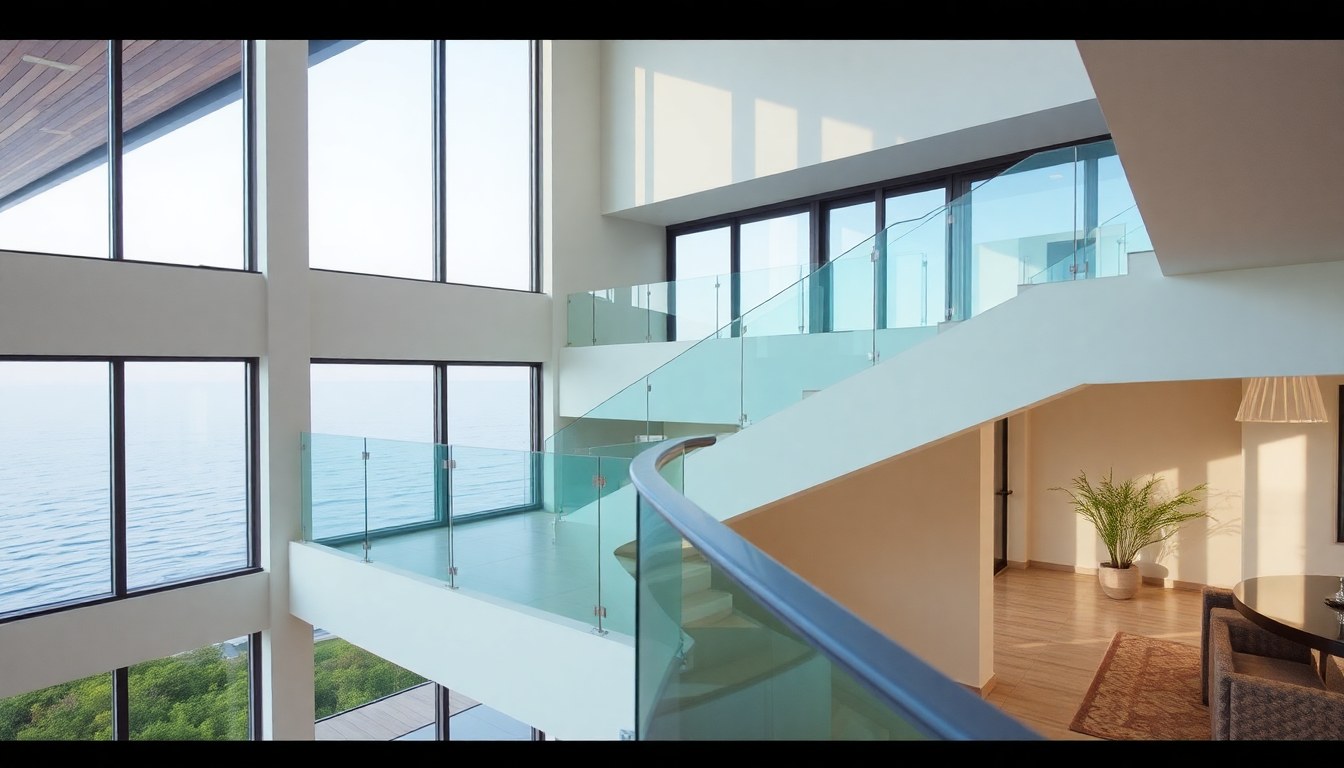
Living near the ocean offers stunning views and refreshing sea breezes, but it also subjects your glass railings to relentless salt spray, humidity, and corrosive marine air. Coastal homeowners in Mumbai, Chennai, Goa, and other Indian seaside cities quickly discover that standard maintenance routines simply aren't enough to keep glass railings pristine and structurally sound. This comprehensive guide provides specialized cleaning protocols and corrosion prevention strategies specifically designed for the harsh coastal environment, ensuring your glass railings remain beautiful and safe for years to come.
Understanding Salt Corrosion in Coastal Environments
Salt spray doesn't just leave unsightly white deposits on your glass railings—it actively corrodes metal hardware, degrades protective coatings, and etches glass surfaces over time. The combination of sodium chloride, moisture, and oxygen creates an electrochemical reaction that accelerates metal oxidation at rates up to ten times faster than inland environments. In cities like Mumbai and Chennai, where humidity levels regularly exceed 80 percent, this corrosive process operates continuously.
The damage manifests in several ways. Stainless steel fittings develop rust spots and pitting, aluminum frames oxidize and lose their finish, and the glass itself accumulates stubborn mineral deposits that become increasingly difficult to remove. Even high-grade marine stainless steel (316 grade) requires vigilant maintenance in direct coastal exposure. Understanding these mechanisms helps you implement preventive measures before permanent damage occurs.
Distance from the shoreline significantly affects corrosion rates. Properties within 500 meters of the ocean experience the most severe exposure, with salt particles carried by wind and deposited on all exterior surfaces. Even homes several kilometers inland in coastal cities face elevated salt concentrations compared to interior regions, making specialized maintenance essential throughout coastal urban areas.
Weekly Cleaning Protocol for Coastal Glass Railings
Establishing a consistent weekly cleaning routine forms the foundation of effective salt corrosion prevention. Unlike inland properties where monthly cleaning might suffice, coastal environments demand more frequent attention to prevent salt buildup and the formation of corrosive deposits.
Essential Cleaning Steps
Begin by rinsing the entire railing system with fresh water from a garden hose. This initial rinse removes loose salt crystals and prevents them from scratching the glass during the cleaning process. Pay special attention to crevices, joints, and the undersides of handrails where salt accumulates unnoticed. Use moderate water pressure—high-pressure washers can force water into sealed areas and damage weatherstripping.
After rinsing, prepare a cleaning solution using warm water and a pH-neutral detergent specifically formulated for glass. Avoid household cleaners containing ammonia or acidic ingredients, as these can react with salt residues and damage protective coatings. Apply the solution with a soft microfiber cloth or non-abrasive sponge, working in circular motions across the glass surface. For hardware components, use the same gentle approach to avoid scratching protective finishes.
Complete the cleaning with a thorough freshwater rinse to remove all detergent residue, followed by drying with a clean microfiber cloth or squeegee. This final drying step prevents new water spots from forming and allows you to inspect the railing for any developing corrosion issues. Never allow cleaning solutions to air-dry on coastal railings, as this concentrates minerals and accelerates corrosion.
Hardware and Fastener Maintenance
While cleaning the glass, dedicate equal attention to all metal components. Inspect mounting brackets, spigots, handrail connectors, and fasteners for early signs of corrosion such as discoloration, roughness, or white powdery deposits. Apply a marine-grade corrosion inhibitor to these components quarterly, ensuring complete coverage of all exposed metal surfaces. Products containing lanolin or specialized polymer coatings provide excellent protection in marine environments.
Monthly Deep Cleaning and Restoration
Even with diligent weekly maintenance, coastal glass railings benefit from monthly deep cleaning sessions that address stubborn deposits and restore clarity. This more intensive process targets the accumulated mineral buildup that regular cleaning cannot fully eliminate.
For persistent water spots and salt deposits on glass, create a solution using equal parts white vinegar and distilled water. Apply this mixture to affected areas and allow it to sit for five to ten minutes before scrubbing gently with a non-scratch pad. The mild acidity of vinegar effectively dissolves mineral deposits without damaging glass or protective coatings. For severe buildup, commercial glass restoration products designed for marine applications provide stronger cleaning action.
Address any developing corrosion on metal components during monthly maintenance. Light surface rust on stainless steel can often be removed using a paste made from baking soda and water, applied with a soft brush. For aluminum oxidation, specialized aluminum cleaners restore the original finish and remove white chalky deposits. After cleaning corroded areas, apply fresh protective coating to prevent recurrence.
Inspect and clean drainage channels and weep holes during monthly sessions. These small openings allow water to escape from the railing system, but they frequently become clogged with salt, dirt, and debris in coastal environments. Use a small brush or compressed air to clear these channels, ensuring proper water drainage that prevents corrosion from trapped moisture.
Protective Coatings and Treatments for Marine Environments
Beyond regular cleaning, applying protective treatments significantly extends the life of glass railings in coastal locations. These specialized products create barriers against salt spray and reduce the frequency of intensive cleaning required.
Hydrophobic Glass Coatings
Hydrophobic coatings create an invisible protective layer that causes water to bead and roll off glass surfaces, taking salt and dirt particles with it. These treatments, also known as water-repellent coatings, dramatically reduce water spotting and make routine cleaning easier. Professional-grade hydrophobic coatings typically last six to twelve months in coastal environments before requiring reapplication.
Application involves thoroughly cleaning the glass, ensuring it's completely dry, then applying the coating according to manufacturer specifications. Many products require curing time before exposure to water. While premium coatings cost between ₹500 to ₹1,500 per application for a standard residential railing, the reduction in maintenance effort and improved appearance justify the investment for most coastal homeowners.
Metal Hardware Protection
Protecting metal components requires different approaches depending on the material. For stainless steel hardware, apply marine-grade wax or specialized stainless steel protectants quarterly. These products fill microscopic surface irregularities and create a barrier against salt penetration. Aluminum components benefit from clear anodizing touch-up products or polymer-based protective coatings designed specifically for marine aluminum.
Consider upgrading to higher-grade materials if corrosion becomes persistent despite proper maintenance. Marine-grade 316 stainless steel offers superior corrosion resistance compared to standard 304 grade, while powder-coated aluminum provides better protection than mill-finish or anodized options. Though initial costs are higher, these upgrades significantly reduce long-term maintenance requirements and replacement expenses.
Seasonal Maintenance Considerations
Coastal conditions vary throughout the year, requiring adjustments to your maintenance routine. Monsoon season brings increased humidity and rain that can actually help rinse salt from railings, but it also introduces new challenges with constant moisture exposure and potential for accelerated corrosion in poorly drained areas.
During monsoon months in Mumbai, Chennai, and other coastal cities, increase inspection frequency even if cleaning requirements decrease. Check for water pooling around mounting points, ensure drainage systems function properly, and verify that protective coatings remain intact. The combination of salt residue and constant moisture creates ideal conditions for rapid corrosion development.
Dry season and winter months see reduced rainfall but often increased salt spray due to stronger winds. During these periods, maintain your weekly cleaning schedule rigorously and consider increasing rinsing frequency to twice weekly if your property faces direct ocean exposure. The absence of natural rain means salt accumulates more rapidly on all surfaces.
Professional Maintenance and Inspection
While homeowners can handle routine cleaning and basic maintenance, professional inspection and servicing provide additional protection for coastal glass railings. Schedule professional maintenance at least annually, or semi-annually for properties within direct ocean view.
Professional services include detailed structural inspections that identify developing problems before they become serious. Technicians check mounting integrity, assess hardware condition, verify that glass panels remain properly secured, and test the overall stability of the railing system. They can also apply specialized treatments and coatings that require professional equipment or expertise.
Professional restoration services can address severe corrosion, polish out minor glass scratches, and restore heavily weathered railings to near-original condition. While these services represent additional expense, they often prove more economical than premature railing replacement due to neglected maintenance. Expect to invest ₹3,000 to ₹8,000 for comprehensive professional maintenance of a standard residential glass railing system.
Frequently Asked Questions
How often should I clean glass railings in coastal areas like Mumbai or Chennai?
Clean glass railings weekly with freshwater rinse and mild detergent, followed by monthly deep cleaning sessions. Properties within 500 meters of the ocean may require twice-weekly rinsing during dry seasons. This frequent maintenance prevents salt buildup and corrosion that develops rapidly in marine environments with high humidity and constant salt spray exposure.
What type of stainless steel is best for coastal glass railing hardware?
Marine-grade 316 stainless steel provides the best corrosion resistance for coastal installations, significantly outperforming standard 304 grade stainless steel. The addition of molybdenum in 316 grade steel enhances resistance to chloride corrosion. While more expensive initially, 316 grade hardware requires less maintenance and lasts considerably longer in direct coastal exposure.
Can I use regular glass cleaner on coastal glass railings?
Avoid ammonia-based household glass cleaners on coastal railings, as ammonia can react with salt residues and damage protective coatings. Use pH-neutral detergents specifically formulated for glass, or create a solution with mild dish soap and water. For stubborn deposits, white vinegar diluted with water effectively removes mineral buildup without harming glass or hardware.
How long do hydrophobic coatings last on glass railings in marine environments?
Professional-grade hydrophobic coatings typically last six to twelve months on glass railings in coastal areas, depending on exposure intensity and maintenance practices. Properties facing direct ocean spray may require reapplication every six months, while homes several kilometers inland might achieve twelve-month protection. Regular gentle cleaning extends coating life by preventing abrasive buildup.
What are the first signs of corrosion I should watch for on glass railing hardware?
Early corrosion signs include discoloration or brown staining on stainless steel, white powdery deposits on aluminum, surface roughness on previously smooth metal, and small pits or holes developing in hardware. Address these signs immediately with thorough cleaning and protective coating application. Ignoring early corrosion leads to structural weakness and eventual hardware failure requiring complete replacement.
Maintaining glass railings in coastal environments requires dedication and specialized knowledge, but the effort preserves both the beauty and safety of your property. For professional installation, maintenance services, or quality glass railing systems designed for marine environments, explore the comprehensive directory of glass specialists at glassy.in. Connect with experienced professionals who understand the unique challenges of coastal installations and can provide expert guidance for your specific location and requirements.