
Glass Railings
Glass Railing Handrail Height Standards: BIS Requirements for Indian Staircases
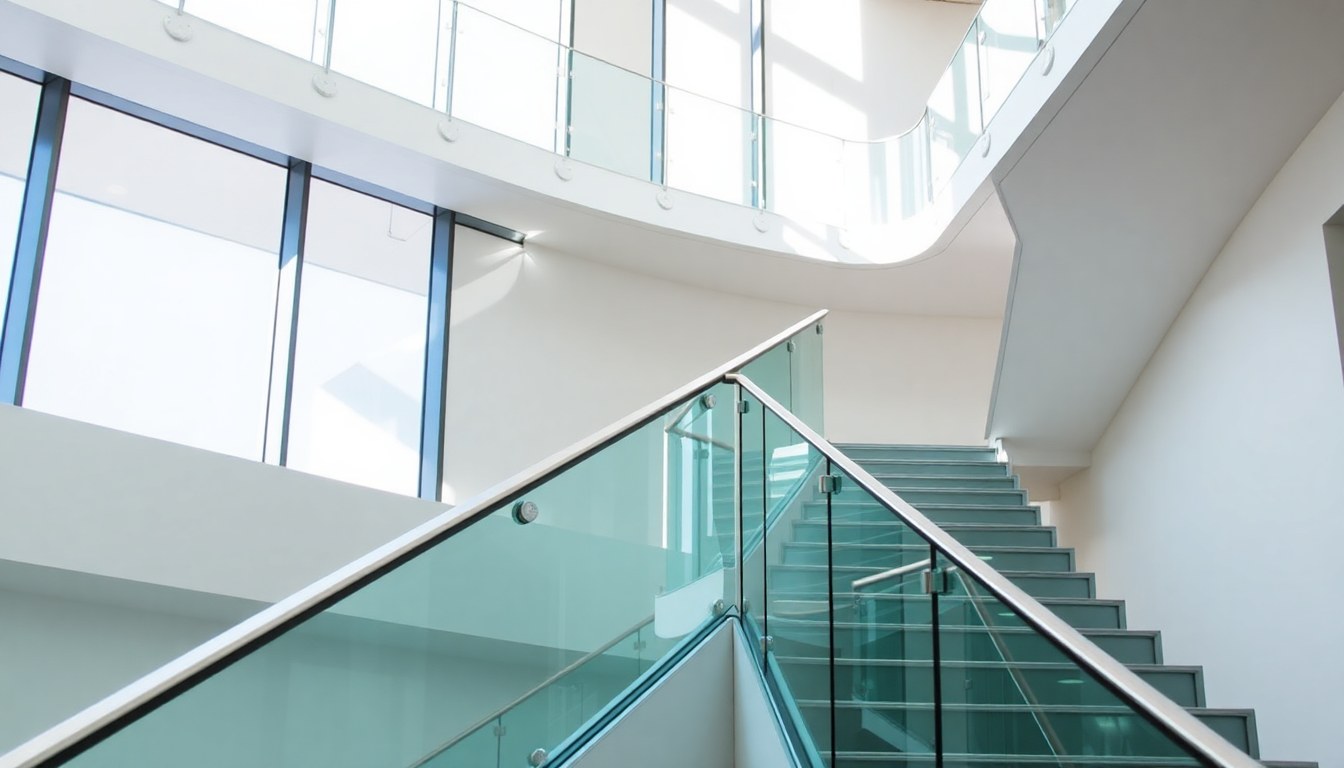
Installing glass railings in your home or commercial property requires strict adherence to safety standards, particularly when it comes to handrail heights. The Bureau of Indian Standards (BIS) has established clear guidelines to ensure that glass railings provide adequate protection while maintaining aesthetic appeal. Whether you're planning a residential staircase upgrade or a commercial building installation, understanding these height requirements is essential for compliance, safety, and avoiding costly modifications later.
Understanding BIS Standards for Glass Railing Heights
The Bureau of Indian Standards provides comprehensive guidelines for railing and handrail installations through the National Building Code of India (NBC). These standards are designed to prevent falls and ensure user safety across different building types and usage scenarios. The primary reference document is NBC 2016, which outlines minimum height requirements for various applications.
For glass railings specifically, the standards address not just the height of the handrail but also the overall railing system, including the guard height, infill specifications, and structural load requirements. These regulations apply to staircases, balconies, terraces, and any elevated platform where a protective barrier is necessary. Compliance with these standards is mandatory for obtaining occupancy certificates and passing building inspections.
The BIS standards take into account factors such as building occupancy type, expected user demographics, and the specific location of the railing within the structure. This comprehensive approach ensures that safety measures are appropriately scaled to the risk level of each installation.
Residential Glass Railing Height Requirements
For residential buildings, the National Building Code specifies a minimum handrail height of 900mm (approximately 3 feet) measured from the nosing of the stair tread or the finished floor level. This measurement applies to internal staircases within homes, apartments, and other dwelling units. The handrail must be continuous along the full length of the staircase, providing uninterrupted support for users.
When it comes to balconies, terraces, and other elevated platforms in residential settings, the minimum guard height increases to 1050mm (approximately 3.5 feet). This additional height accounts for the greater risk associated with open edges where there is no staircase to provide visual reference or physical constraint. Many architects and interior designers recommend exceeding this minimum by 50-100mm for added safety, especially in homes with young children.
Height Variations for Different Residential Spaces
Different areas within a residential property may require adjusted handrail heights based on their function and risk profile. For example, railings around rooftop terraces or penthouse balconies often benefit from heights of 1200mm or more, particularly in high-rise buildings where wind loads and psychological factors come into play. Similarly, railings adjacent to swimming pools or water features may require special consideration.
Interior balconies overlooking double-height living spaces should also adhere to the higher guard height of 1050mm minimum, even though they are technically indoor installations. The critical factor is the potential fall height and exposure, not whether the space is enclosed.
Commercial and Public Building Standards
Commercial buildings, offices, shopping complexes, and public institutions face more stringent requirements due to higher foot traffic and diverse user populations. For commercial staircases, the minimum handrail height remains 900mm, but the guard height for landings, balconies, and open edges must be at least 1050mm, with many jurisdictions recommending 1100mm for enhanced safety.
Educational institutions, hospitals, and assembly buildings may require even higher railings, particularly in areas accessible to children or vulnerable populations. The NBC recommends a minimum height of 1100mm for schools and 1200mm for areas specifically designed for young children. Professional firms like HomeLane Bistupur, Interior Design Studio often incorporate these enhanced standards into their commercial projects.
Accessibility and Universal Design Considerations
The Harmonised Guidelines and Space Standards for Barrier Free Built Environment for Persons with Disabilities and Elderly Persons, published by the Ministry of Urban Development, adds another layer of requirements for accessible design. Handrails must be provided on both sides of staircases, positioned at a height of 900mm, with an additional lower handrail at 750mm height for children and wheelchair users in public buildings.
These dual-height handrail systems ensure that people of all abilities and statures can safely navigate stairs and ramps. The handrails must extend at least 300mm beyond the top and bottom of staircase runs to provide support during transitions.
Glass Thickness and Structural Requirements
Height standards work in conjunction with glass thickness and structural integrity requirements. The BIS standards specify that glass used in railings must be safety glass—either tempered or laminated—with minimum thickness determined by the panel dimensions and expected loads. For most residential applications, 12mm tempered glass is standard, while commercial installations may require 13.5mm or thicker laminated glass.
The structural design must account for horizontal loads applied at the handrail height. The NBC specifies a minimum horizontal load of 0.75 kN/m for residential buildings and 1.5 kN/m for public buildings. This load represents the force that could be applied by people leaning against or pushing on the railing. Suppliers like S K GHOSH GLASS SHOP can provide guidance on appropriate glass specifications for different applications.
The connection between the glass panels and the supporting structure—whether top-mounted handrails, side-mounted channels, or base-shoe systems—must be engineered to transfer these loads safely to the building structure. Proper installation by qualified professionals is essential for meeting these structural requirements.
Measurement and Installation Guidelines
Accurate measurement is crucial for compliance with height standards. Handrail height is always measured vertically from the nosing (front edge) of the stair tread to the top of the handrail. For landings and flat surfaces, measurement is taken from the finished floor surface. These measurements must be consistent along the entire length of the installation.
The handrail itself must be graspable, with a diameter or width that allows users to comfortably grip it. While glass cap rails are popular for aesthetic reasons, they often require an additional metal or wooden handrail component to meet graspability requirements. The clearance between the handrail and any adjacent wall should be at least 50mm to allow proper hand placement.
Common Installation Mistakes to Avoid
One frequent error is measuring from the wrong reference point, such as measuring from the back of the tread instead of the nosing, which can result in handrails that are effectively lower than required. Another common mistake is failing to maintain consistent height on sloped surfaces or when transitioning between different floor levels.
Installers must also ensure that glass panels extend to the proper height before the handrail is added. Simply mounting a handrail at the correct height on top of undersized glass panels does not satisfy the guard height requirements, as the infill must provide continuous protection.
Regional Variations and Local Building Codes
While BIS standards provide the national framework, individual states and municipal corporations may impose additional requirements or interpretations. Major metropolitan areas like Mumbai, Delhi, Bangalore, and Chennai often have supplementary building bylaws that architects and builders must follow. Some jurisdictions specify maximum gap sizes between balusters or require specific certifications for glass products.
Before beginning any glass railing project, it's essential to consult with local building authorities to understand specific requirements in your area. Working with experienced professionals such as S.S Square Engineering And Construction Group who are familiar with local codes can help ensure compliance and smooth approval processes.
Coastal areas may have additional requirements related to wind loads and corrosion resistance, while seismic zones require enhanced structural connections. These regional factors can influence both the design and installation approach for glass railing systems.
Frequently Asked Questions
What is the minimum handrail height for residential staircases in India?
The minimum handrail height for residential staircases in India is 900mm (approximately 3 feet) as per the National Building Code. This measurement is taken vertically from the nosing of the stair tread to the top of the handrail. For balconies and terraces in residential buildings, the minimum guard height increases to 1050mm to provide adequate protection against falls from elevated platforms.
Do commercial buildings have different glass railing height requirements?
Yes, commercial buildings typically have more stringent requirements. While staircase handrails remain at 900mm minimum, guard heights for balconies and open edges should be at least 1050mm, with many codes recommending 1100mm. Public buildings, schools, and hospitals may require heights up to 1200mm, especially in areas accessible to children. Commercial installations must also meet higher structural load requirements of 1.5 kN/m compared to 0.75 kN/m for residential buildings.
Can I install glass railings without a top handrail?
While frameless glass railings without visible top rails are aesthetically popular, they must still meet height and graspability requirements. The glass panel itself must extend to the minimum required height, and most building codes require a graspable handrail component. Some jurisdictions allow the top edge of properly finished glass to serve as the handrail if it meets graspability standards, but this varies by location. Always verify local requirements before choosing a frameless design.
How is handrail height measured on sloped staircases?
On sloped staircases, handrail height is measured vertically (not perpendicular to the slope) from the nosing of each tread to the top of the handrail. This vertical measurement should be consistent along the entire staircase run, typically 900mm. The handrail follows the slope of the stairs, maintaining this vertical distance at every point. Proper measurement ensures consistent protection and usability throughout the staircase.
What glass thickness is required for railings to meet BIS standards?
BIS standards require safety glass (tempered or laminated) for railing applications, with thickness determined by panel dimensions and loads. Most residential installations use 12mm tempered glass, while commercial applications typically require 13.5mm or thicker laminated glass. The exact thickness depends on factors including panel height, width, spacing between supports, and expected loads. A structural engineer should verify that the chosen glass thickness can withstand the required horizontal loads of 0.75 kN/m for residential or 1.5 kN/m for commercial installations.
Understanding and implementing proper glass railing handrail height standards is essential for creating safe, compliant, and beautiful spaces. Whether you're planning a residential renovation or a commercial project, consulting with qualified professionals and verified suppliers ensures your installation meets all BIS requirements. Visit the glassy.in directory to connect with experienced glass railing installers, architects, and suppliers across India who can help bring your vision to life while maintaining full compliance with safety standards.