
Glass Railings
Glass Railings for Spiral Staircases: Design, Safety, and Installation
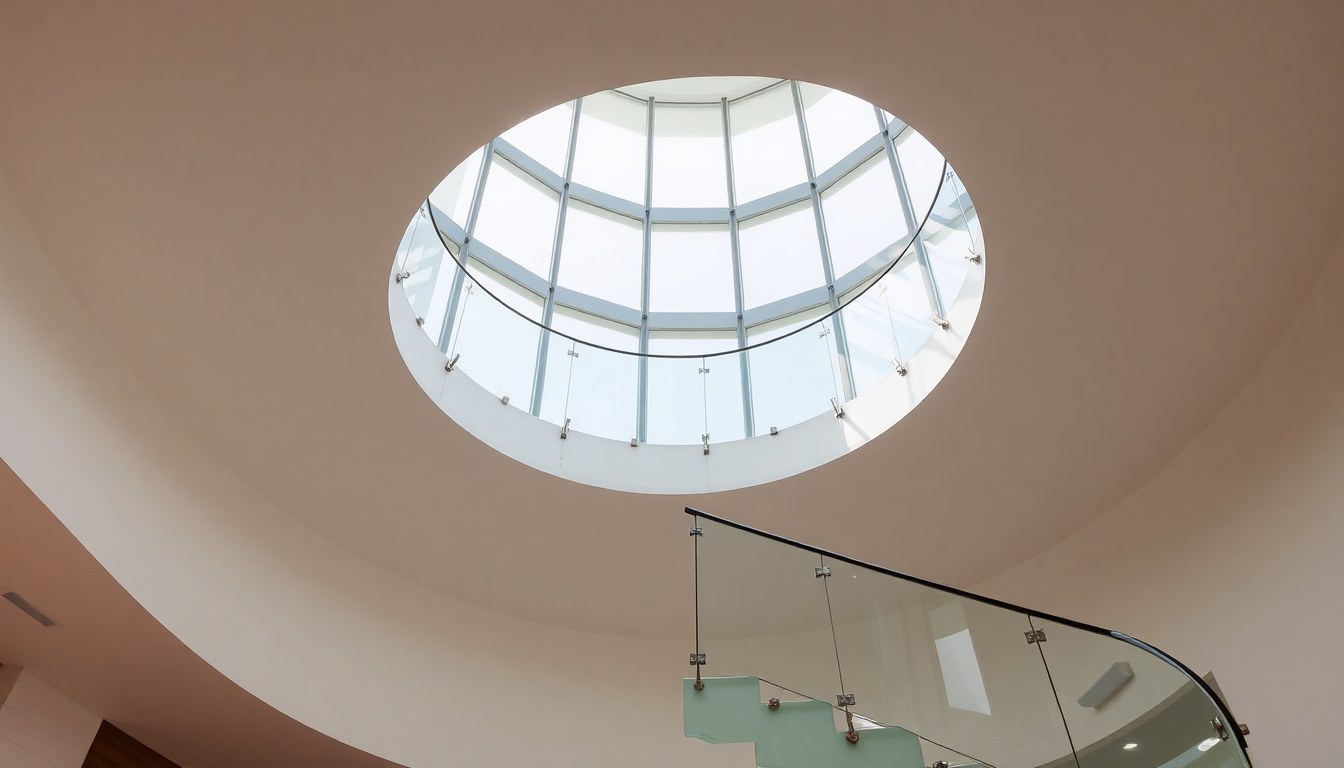
Spiral staircases are architectural showstoppers, but they demand careful railing design to meet safety standards while maintaining visual appeal. Glass railings offer the perfect solution—they provide unobstructed views, enhance light flow, and create a contemporary aesthetic without compromising structural integrity. Whether you're renovating a Mumbai penthouse, a Bangalore villa, or a Delhi commercial space, understanding the design principles, safety requirements, and installation process for glass railings on spiral staircases is essential to achieving both beauty and compliance.
Why Glass Railings Work Best for Spiral Staircases
Spiral staircases present unique challenges for traditional railings. Their curved geometry, compact footprint, and central post create visual obstruction when fitted with opaque materials. Glass railings eliminate this problem by maintaining sightlines while providing the required safety barrier. The transparent nature of glass makes spiral staircases appear less cramped, which is especially valuable in compact urban homes across India where space is at a premium.
Beyond aesthetics, glass railings are durable, low-maintenance, and resistant to moisture—a critical advantage in India's humid climate. They won't rust, rot, or require frequent repainting like metal or wooden alternatives. A well-installed glass railing system can last 20+ years with minimal upkeep, making it a cost-effective long-term investment for residential and commercial properties.
Understanding Safety Standards and Building Codes
In India, glass railings must comply with the National Building Code (NBC) 2016 and relevant state-level building regulations. The NBC specifies that railings on stairs must be at least 1000 mm (approximately 39 inches) high, measured from the stair nosing to the top of the railing. For spiral staircases, this measurement must be consistent around the entire curve, which requires precise installation.
The code also mandates that railings withstand a horizontal load of 1.2 kN (approximately 122 kg force) applied at the top rail without permanent deformation. Glass panels must be tempered to prevent shattering and ensure that if breakage occurs, the glass fragments into small, relatively harmless pieces rather than dangerous shards. Load-bearing capacity tests should be conducted during the design phase to ensure compliance with local regulations in your city.
Key Safety Requirements
- Minimum height of 1000 mm from stair nosing to top of railing
- Horizontal load resistance of at least 1.2 kN at the top rail
- Tempered glass only—never use annealed or ordinary glass
- Balustrade spacing must prevent a 100 mm sphere from passing through gaps
- All connections and fasteners must be stainless steel (SS 304 or SS 316) to prevent corrosion
- Regular inspection and maintenance to ensure structural integrity
Selecting the Right Glass Thickness and Type
Glass thickness directly impacts both safety and cost. For spiral staircase railings in residential applications, 10 mm or 12 mm tempered glass is standard across Indian installations. Commercial spaces and high-traffic areas may require 12 mm or even 15 mm tempered glass for added durability and load capacity. The thicker the glass, the greater its resistance to impact and load, but thickness also affects cost and installation complexity.
Laminated tempered glass—a sandwich of two tempered glass sheets bonded with a polyvinyl butyral (PVB) interlayer—offers superior safety. If one layer breaks, the interlayer holds the fragments together, preventing collapse. This option is more expensive but highly recommended for high-traffic commercial spaces, hotels, and multi-story residential buildings in major Indian cities.
Glass Selection Guide
- 10 mm Tempered Glass: Standard for residential spiral staircases. Lightweight, cost-effective, and meets NBC requirements. Typical cost: ₹800–₹1,200 per square meter.
- 12 mm Tempered Glass: Ideal for residential and light commercial use. Better impact resistance and thermal stability. Typical cost: ₹1,200–₹1,600 per square meter.
- Laminated Tempered Glass (10+10 mm or 12+12 mm): Premium option for high-traffic areas and commercial buildings. Superior safety and sound insulation. Typical cost: ₹2,000–₹3,500 per square meter.
- Frosted or Tinted Glass: Adds privacy and style without sacrificing safety. Can be combined with any thickness above. Adds ₹200–₹500 per square meter.
Always source tempered glass from certified manufacturers who provide test certificates confirming compliance with Indian Standards (IS 2553 for safety glass). Avoid unverified suppliers offering suspiciously low prices, as substandard glass compromises safety and longevity.
Design Considerations for Curved Railings
The spiral geometry of these staircases demands custom-fabricated glass panels. Unlike straight staircases where panels are rectangular, spiral staircase panels must be curved or specially cut to follow the staircase's radius. This customization increases cost and installation time but is non-negotiable for structural integrity and aesthetic appeal.
Work with experienced glass fabricators who use CAD software to model your specific staircase dimensions. They'll calculate the exact curve radius, panel dimensions, and connection points. Precision is critical—even small measurement errors can result in gaps, misalignment, or safety hazards that are expensive to correct post-installation.
Design Elements to Discuss with Your Fabricator
- Staircase Radius: The inner and outer curve dimensions of your spiral staircase determine panel curvature.
- Panel Height and Width: Must accommodate the 1000 mm minimum height while following the stair geometry.
- Connection Method: Choose between frameless (glass-to-glass or glass-to-post using specialized fittings) or framed (metal frame with glass panels inserted).
- Top Rail: Frameless systems use a stainless steel top rail; framed systems may integrate the rail into the frame.
- Handrail Integration: Decide whether the handrail will be mounted on the glass or on the central post, affecting panel design.
- Finish Options: Clear, frosted, tinted, or patterned glass; matte or polished stainless steel fittings.
Installation Process and Best Practices
Installing glass railings on spiral staircases is a specialized task requiring skilled professionals. Poor installation can compromise safety, create leaks, and result in costly corrections. Always hire installers certified by recognized glass and glazing associations in India, such as those affiliated with the Indian Glass Manufacturers Association (IGMA).
The installation process begins with precise measurement and site assessment. The installer will verify the staircase dimensions, check for any structural issues, and confirm that the central post and treads are properly aligned. Any deviation from the design specifications must be documented and addressed before fabrication begins.
Step-by-Step Installation Overview
- Measurement and Design Finalization: Detailed site survey with laser measurements; CAD drawings prepared and approved.
- Fabrication: Custom glass panels and fittings manufactured to specification; quality checks performed.
- Preparation: Staircase surface cleaned; anchor points prepared; all fasteners and fittings gathered.
- Panel Installation: Glass panels carefully positioned and secured using stainless steel fittings; alignment checked at each step.
- Top Rail Installation: Handrail mounted securely; load-bearing tests conducted.
- Sealing and Finishing: Gaps sealed with appropriate sealant; fasteners tightened; final inspection performed.
- Testing and Handover: Load tests conducted; safety certification provided; maintenance instructions given to owner.
Installation typically takes 3–7 days depending on the staircase complexity and site conditions. During installation, ensure the staircase is cordoned off and inaccessible to prevent accidents. Professional installers will carry comprehensive insurance covering any damage or accidents during the process.
Maintenance and Long-Term Care
Glass railings require minimal maintenance compared to wooden or metal alternatives, but regular care ensures longevity and safety. Clean glass panels monthly with a soft cloth and glass cleaner to prevent dust buildup and water spots. In coastal areas like Mumbai or Goa, salt spray accelerates corrosion of stainless steel fittings—inspect these components quarterly and clean with a mild soap solution.
Inspect all fasteners, connections, and the top rail annually to ensure nothing has loosened or corroded. Check for any hairline cracks in the glass, which could indicate stress or impact damage. If cracks are detected, contact your installer immediately—attempting to repair tempered glass is dangerous and ineffective. The entire panel typically must be replaced.
Keep a maintenance log documenting inspections, cleaning, and any repairs. This record is valuable for insurance purposes and helps identify patterns of wear or damage. Most professional installers offer annual maintenance contracts at reasonable rates, typically ₹5,000–₹15,000 per year depending on the railing size and complexity.
Cost Estimation and Budget Planning
The cost of glass railings for spiral staircases varies widely based on glass type, thickness, design complexity, and your location. In major Indian cities, expect to budget ₹50,000–₹150,000 for a typical residential spiral staircase (approximately 3–4 meters in height). High-end commercial installations or complex designs can exceed ₹300,000.
Cost breakdown typically includes: glass panels (40–50%), stainless steel fittings and hardware (20–25%), labor and installation (20–30%), and miscellaneous items like sealants and fasteners (5–10%). Obtain detailed quotations from at least three fabricators and installers to compare pricing and services. Ensure quotes include design consultation, fabrication, installation, testing, and a warranty period (typically 1–2 years).
Frequently Asked Questions
Is tempered glass necessary for spiral staircase railings in India?
Yes, absolutely. The National Building Code 2016 requires tempered glass for all safety applications, including staircase railings. Tempered glass is heat-treated to increase strength and, if it breaks, fragments into small, relatively harmless pieces. Non-tempered glass shatters into large, dangerous shards and is illegal for railings. Always verify that your supplier provides certification confirming the glass is tempered to IS 2553 standards.
Can I install glass railings on an existing spiral staircase, or must I build new?
Glass railings can be installed on existing spiral staircases, provided the staircase structure is sound and meets building code requirements. A professional installer will assess your staircase to confirm it can safely support the railing system. Some modifications to anchor points or the central post may be necessary, but complete replacement is rarely required. Budget for site assessment costs (typically ₹2,000–₹5,000) before committing to the project.
How do I prevent fingerprints and smudges on glass railings?
Regular cleaning with a lint-free cloth and glass cleaner prevents buildup. For high-traffic areas, consider applying a hydrophobic or oleophobic coating during fabrication—this makes the glass water and oil-repellent, reducing visible smudges. Alternatively, frosted or textured glass finishes are more forgiving than crystal-clear glass. Maintenance costs remain low even with frequent cleaning.
What is the typical lifespan of a glass railing system?
A well-installed and properly maintained glass railing system lasts 20–30+ years. The glass itself is extremely durable, but stainless steel fittings and sealants may require replacement after 15–20 years in harsh coastal environments. Regular inspections and maintenance extend the lifespan significantly. Most professional installers provide warranties of 5–10 years on materials and workmanship.
Are glass railings safe for homes with children and pets?
Yes, tempered glass railings are safe and actually a good choice for homes with children and pets. The high height requirement (1000 mm minimum) prevents small children from climbing over. If tempered glass breaks, it fragments into small, blunt pieces rather than sharp shards. However, ensure that any gaps between panels and the central post comply with the 100 mm sphere rule to prevent children or pets from getting stuck. Frameless systems are safer than framed ones in this regard.
Conclusion and Next Steps
Glass railings transform spiral staircases into stunning architectural features while maintaining the safety standards required by Indian building codes. By selecting the appropriate glass thickness, working with certified fabricators, and ensuring professional installation, you'll create a railing system that's both beautiful and safe for decades to come.
Ready to design your glass railing system? Visit the glassy.in directory to connect with verified glass fabricators, installers, and suppliers in your city. Browse portfolios, compare quotes, and read reviews from homeowners and businesses who have successfully completed similar projects. Whether you're in Delhi, Mumbai, Bangalore, or any other Indian city, glassy.in makes finding the right glass partner simple and transparent.