
Glass Railings
Glass Staircase Railings vs Metal Balustrades: Safety, Cost & Aesthetics
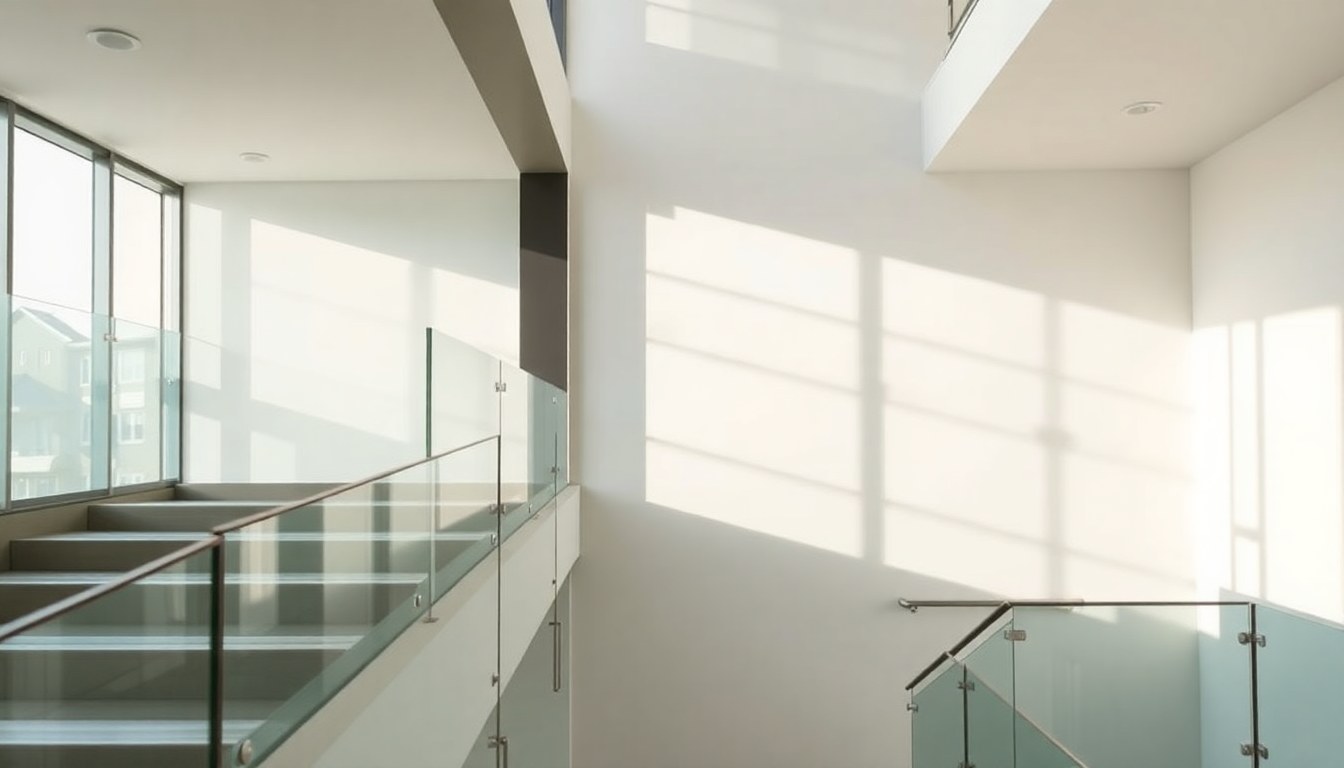
When renovating your staircase or building a new home, the choice between glass railings and metal balustrades shapes both your interior's visual appeal and safety profile. Both options meet Indian building codes, but they differ significantly in load capacity, maintenance demands, and long-term cost. This guide breaks down the real differences so you can make an informed decision based on your budget, design preferences, and practical needs.
Safety Standards and Load Capacity
Both glass staircase railings and metal balustrades must comply with the National Building Code of India (NBC) 2016, which mandates a minimum railing height of 1.1 meters and the ability to withstand a horizontal load of 1.2 kN (about 120 kg force) without permanent deformation. Frameless tempered glass railings, when properly installed with stainless steel or aluminium fittings, meet and often exceed these requirements.
Tempered glass used in railings is heat-treated to be 4-5 times stronger than ordinary glass. If it breaks, it fractures into small, blunt pieces rather than sharp shards, making it safer in households with children. Metal balustrades—whether steel, aluminium, or wrought iron—offer comparable safety but with different failure modes. A bent metal baluster may still provide a physical barrier, whereas compromised glass requires immediate replacement.
Impact Resistance and Durability
Frameless glass railings are less prone to denting or bending from accidental impact, though they can crack under extreme force. Metal balustrades may bend or twist but rarely shatter, making them slightly more forgiving in high-traffic homes with young children or pets. Both materials, when certified and installed by professionals, provide reliable safety margins beyond code minimums.
Aesthetic Appeal and Design Flexibility
Glass staircase railings create an open, airy feel that visually expands small staircases and allows light to flow through multiple floors. Frameless designs are particularly popular in modern and minimalist interiors, while frosted or tinted glass options suit transitional styles. The transparency of glass makes it ideal for showcasing architectural details or views beyond the staircase.
Metal balustrades offer greater design versatility through varied profiles, finishes, and ornamental possibilities. Wrought iron railings suit traditional and heritage homes, while sleek stainless steel or powder-coated aluminium complement contemporary spaces. Hybrid designs—combining glass panels with metal frames or balusters—merge the aesthetic benefits of both materials and are increasingly popular in Indian residential projects.
Customization Options
- Glass: Frameless, semi-frameless, frosted, tinted, patterned, or laminated options
- Metal: Wrought iron scrollwork, stainless steel tubes, powder-coated finishes, decorative balusters
- Hybrid: Glass infill with metal frames, metal balusters with glass panels, mixed-material designs
Maintenance and Long-Term Care
Glass railings require regular cleaning to maintain their transparent appearance. Fingerprints, dust, and water spots are visible on glass, necessitating weekly or bi-weekly cleaning with glass cleaner and a soft cloth. In high-humidity areas or coastal regions, mineral deposits may accumulate faster. Frameless glass railings have fewer crevices where dirt accumulates compared to ornate metal designs, making them slightly easier to maintain overall.
Metal balustrades demand periodic maintenance to prevent corrosion and rust. Stainless steel is the most corrosion-resistant option but requires occasional polishing to maintain its shine. Mild steel railings need regular painting or powder coating to prevent rust, especially in humid climates. Aluminium resists corrosion naturally but may oxidize over time, requiring anodizing or powder coating for durability. Wrought iron requires protective coatings and touch-up painting every 2-3 years in Indian climates.
Maintenance Cost Comparison
Over a 10-year period, glass railings typically cost ₹2,000–₹5,000 annually for cleaning supplies and occasional professional cleaning. Metal railings may require ₹3,000–₹8,000 annually for repainting, rust treatment, or protective coating reapplication, depending on material and climate. Hybrid designs inherit the maintenance needs of both components, though their combined cost often remains lower than maintaining either material separately over time.
Pricing Across Indian Cities (2026)
Staircase railing costs vary significantly by city, material quality, and installation complexity. The following estimates reflect current market rates for standard residential installations, including materials and professional labour:
Frameless Glass Railings
- Delhi & NCR: ₹4,500–₹7,500 per running meter
- Mumbai: ₹5,000–₹8,500 per running meter
- Bangalore: ₹4,000–₹7,000 per running meter
- Hyderabad: ₹3,800–₹6,500 per running meter
- Pune: ₹4,200–₹7,000 per running meter
Metal Balustrades (Stainless Steel)
- Delhi & NCR: ₹2,500–₹5,000 per running meter
- Mumbai: ₹3,000–₹5,500 per running meter
- Bangalore: ₹2,200–₹4,500 per running meter
- Hyderabad: ₹2,000–₹4,000 per running meter
- Pune: ₹2,300–₹4,500 per running meter
Hybrid Designs (Glass + Metal Frame)
- Delhi & NCR: ₹3,500–₹6,500 per running meter
- Mumbai: ₹4,000–₹7,000 per running meter
- Bangalore: ₹3,200–₹6,000 per running meter
- Hyderabad: ₹3,000–₹5,500 per running meter
- Pune: ₹3,300–₹6,000 per running meter
A typical residential staircase of 8–12 running meters would cost ₹36,000–₹90,000 for glass railings, ₹20,000–₹60,000 for metal balustrades, and ₹28,000–₹78,000 for hybrid designs. Installation timelines range from 3–7 days depending on complexity and site conditions.
Climate Considerations for Indian Homes
India's diverse climate zones influence material performance and longevity. In coastal regions (Mumbai, Goa, Chennai), salt spray accelerates corrosion of mild steel and requires stainless steel or powder-coated aluminium. High-humidity zones benefit from glass railings, which don't rust, though mineral deposits from hard water may require more frequent cleaning. In dry climates (Delhi, Jaipur, Ahmedabad), both materials perform well, but metal may expand and contract seasonally, requiring periodic adjustment.
Monsoon-prone areas see the most dramatic differences in material performance. Glass railings are unaffected by moisture, while mild steel railings need robust protective coatings. Stainless steel and powder-coated aluminium offer a middle ground, resisting corrosion while remaining affordable compared to glass. Wrought iron railings in monsoon regions require annual repainting to maintain appearance and structural integrity.
Which Option Is Right for Your Home?
Choose glass staircase railings if you prioritize modern aesthetics, have a smaller staircase space, live in a humid or coastal climate, and prefer minimal maintenance. Glass works exceptionally well in open-plan homes where visual continuity matters and in properties where you want to showcase architectural details or natural light flow.
Choose metal balustrades if you have a tighter budget, prefer traditional or ornate designs, live in a dry climate, and don't mind regular maintenance. Metal is ideal for heritage homes, period renovations, and designs requiring intricate detailing that glass cannot replicate.
Choose hybrid designs if you want the best of both worlds—modern aesthetics with design flexibility, balanced maintenance demands, and mid-range pricing. Hybrid railings suit contemporary homes with traditional elements and are increasingly popular among architects in Indian residential projects.
Frequently Asked Questions
Are glass staircase railings as safe as metal balustrades?
Yes, both meet Indian building codes when properly installed. Tempered glass is 4-5 times stronger than regular glass and fractures into safe, blunt pieces if broken. Metal balustrades offer comparable safety with different failure modes—they may bend but rarely shatter. The safety difference is negligible; professional installation matters more than material choice.
How often do glass railings need cleaning?
Glass railings should be cleaned weekly or bi-weekly to maintain clarity and appearance. In high-traffic areas or coastal regions with mineral deposits, you may need more frequent cleaning. A simple glass cleaner and soft cloth are sufficient for routine maintenance, making it less demanding than repainting metal railings.
Which material lasts longer—glass or metal?
Properly maintained tempered glass railings can last 20+ years without degradation. Metal balustrades depend on material and climate: stainless steel lasts 15-20 years, powder-coated aluminium 12-18 years, and mild steel 8-12 years in humid climates. Glass has fewer variables affecting longevity, making it more predictable long-term.
Can I install glass railings in a coastal home?
Yes, glass railings are ideal for coastal homes because they don't rust or corrode. However, ensure the metal fittings and frames use stainless steel or marine-grade materials. Metal railings in coastal areas require stainless steel or frequent repainting to prevent salt-spray corrosion, making glass a lower-maintenance choice.
What's the cost difference between glass and metal railings?
Metal balustrades typically cost 40-50% less than glass railings per running meter. A standard residential staircase costs ₹20,000–₹60,000 for metal versus ₹36,000–₹90,000 for glass. Hybrid designs fall in between at ₹28,000–₹78,000. Long-term maintenance costs may narrow this gap, as glass requires less frequent intervention than metal in most climates.
Ready to choose the perfect staircase railing for your home? Browse verified glass and metal railing suppliers, manufacturers, and installation experts on glassy.in, India's largest glass-business directory. Get quotes, compare options, and connect with professionals in your city today.