
Is Expensive Glass Worth It? Insights from a Builder
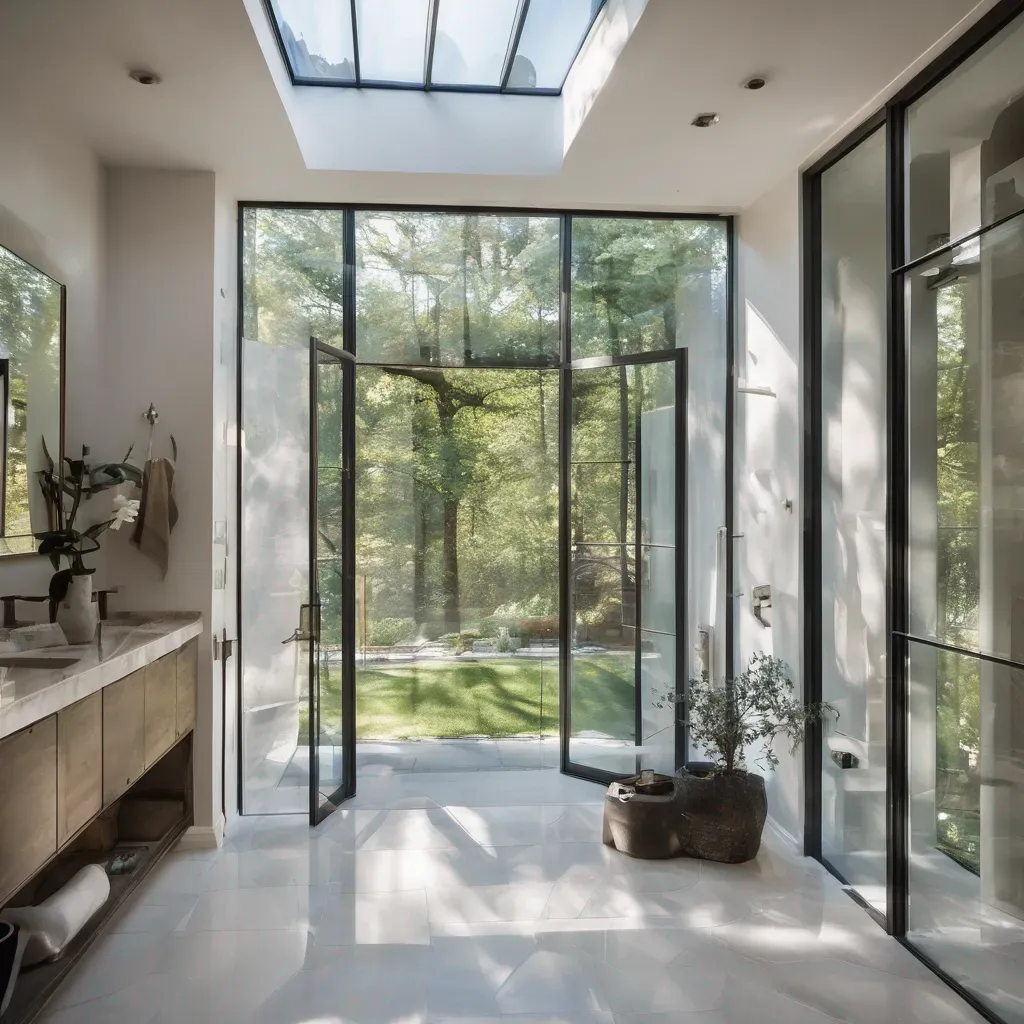
Is Expensive Glass Really Worth It? A Builder’s Perspective
When it comes to architectural design, glass has long been a material of choice for creating open, light-filled spaces that exude sophistication. From modern skyscrapers clad in glass façades to artisan-crafted glass panels in custom homes, this versatile material adds an inherent sense of elegance. Yet, one common debate persists in the construction and design world: Is investing in expensive glass worth the cost? As builders, architects, and homeowners weigh their options, it’s crucial to understand the value that premium glass brings to the table—not just in terms of aesthetics, but also functionality.
In this article, we’ll explore the significance of high-end glass from a builder’s perspective, diving deep into its performance benefits, artistic possibilities, and the long-term impact on architectural projects.
The Allure of High-Quality Glass in Architecture
Glass has evolved far beyond its traditional role of simply letting light in. Today, it’s used as a design element that bridges the gap between art and function. The most expensive glass options are often praised not only for their transparency and beauty but also for their durability, energy efficiency, and ability to transform a space.
For example, glass products like low-iron or ultra-clear glass are highly sought after in luxury homes and buildings for their minimal green tint, which delivers a truer color rendering when viewing through the material. Similarly, textured or artistically designed glass panels bring an artistic flair to interiors, blending functionality with one-of-a-kind visual appeal.
For those looking to incorporate artistic touches, custom art glass pieces—such as frosted patterns, etched designs, or even hand-painted panels—can elevate a space beyond its utilitarian needs. These pieces serve as more than just windows or partitions; they become focal points, real works of art integrated within the structure of the building.
Expensive Glass and Its Functional Superiority
While aesthetics matter greatly, premium glass earns its price tag through advancements in performance. High-quality glass offers builders and homeowners a range of benefits that make it a worthwhile investment.
-
Energy Efficiency
One of the primary reasons builders turn to expensive glass is its energy-efficient properties. Options such as low-emissivity (low-E) glass reduce heat transfer, keeping interiors cooler in the summer and warmer in the winter. This not only contributes to sustainability but significantly lowers energy bills over time. For a homeowner building a long-term residence or a commercial property aiming to go green, investments in energy-saving glass essentially pay for themselves. -
Safety and Durability
Luxury, high-cost glass often comes with increased durability. Laminated, tempered, or shatter-resistant glass options are designed to withstand impacts, making them ideal for projects in areas prone to extreme weather or for homeowners prioritizing safety. -
Acoustic Insulation
Another overlooked aspect of premium glass is acoustic insulation. Builders working on urban projects often recommend specialized soundproof glass to create serene interiors shielded from outdoor noise pollution. -
Customization and Versatility
More advanced (and often costlier) options, such as switchable or smart glass, allow users to control transparency or opacity with the press of a button—introducing high-tech convenience that some would argue is well worth the splurge.
A Builder’s Take: Balancing Cost with Long-Term Value
From a builder’s perspective, the decision about whether to use expensive glass boils down to balancing budget considerations with the needs and priorities of the client. While budget glass options may suffice for small-scale projects or temporary structures, investing in high-quality glass is often a smarter choice for ambitious, long-lasting builds.
Imagine designing a multi-story office building with glass curtain walls. Choosing a lower-tier product may reduce initial costs, but over time, factors like higher energy usage, maintenance, or glass replacement can make the project more costly. Builders also consider how quality glass enhances resale value, as buyers are increasingly drawn to energy-efficient choices and artistic architectural features.
Additionally, premium glass opens up possibilities for collaborating with artisans to create bespoke features, melding functionality with high design. From a decorative perspective, installations like stained-glass skylights or sandblasted glass panels offer an opportunity to express creativity while embracing sustainability and purposeful design.
For inspiration and innovative ideas in art-driven glass installations, many builders turn to creative hubs like Glassy. Their approach to merging craftsmanship and technology serves as a beacon for those exploring how glass can reinvent architectural storytelling.
Is Expensive Glass a Luxury or a Necessity?
Ultimately, whether expensive glass is “worth it” depends on the vision, goals, and surrounding context of the project. For a structure meant to stand the test of time, overlooking the value of premium materials could potentially undermine both its practicality and aesthetic appeal over the years.
Beyond that, glass has an unparalleled ability to transform atmospheres. It facilitates interaction with natural light, infuses warmth into spaces, and provides a connection to the outdoors—all of which are particularly desirable in modern architecture and sustainable design.
For those intrigued by the creative possibilities, exploring options like custom art glass opens the door to not just practical building materials, but transformative design experiences as well. By mixing structural integrity with artistic inspiration, the line between function and fine art begins to blur.
The Final Verdict
From a builder’s perspective, expensive glass is more than a luxury—it’s an investment in quality, creativity, and longevity. Whether you’re looking to craft artful architectural features, maximize energy efficiency, or ensure durability for years to come, the advantages of premium glass make it a compelling choice for builders and homeowners alike.
For anyone interested in the intersection of art and glass, consider partnering with experts like Glassy, where innovation meets elegance. Whether you’re planning a grand design or seeking fine craftsmanship for a smaller project, the potential of premium glass is limited only by your imagination.# Is Expensive Glass Really Worth It? A Builder’s Perspective
When it comes to building or designing a home or workspace, every detail matters, from the foundational materials to the aesthetic finishes. Glass, a versatile material in modern architecture, has become a focal point in many high-end projects. But as you refine your plans, one critical question arises: Is expensive glass worth the investment? From a builder’s perspective, the answer isn’t always black and white—it depends on functionality, artistry, and your specific needs.
In this article, we’ll explore the tangible and intangible benefits of high-end glass, why it can elevate a project, and when it’s wise to splurge or save based on its role in architecture and art-driven design.
What Sets Expensive Glass Apart?
At first glance, all glass may appear similar. However, not all glass is created equal. Expensive glass distinguishes itself through innovation, precision, and style. Here’s how:
1. Enhanced Functionality and Performance
Premium glass is engineered to do more than just divide spaces or let in light. High-performance varieties, such as low-emissivity (low-E) glass or triple-glazed panels, offer superior insulation properties, reducing energy costs while maintaining indoor temperature consistency. Similarly, laminated or tempered glass provides increased durability, reducing the likelihood of breakage and ensuring safety—a pivotal consideration for architects or builders working on high-traffic residential or commercial projects.
For instance, energy-efficient glass solutions are particularly popular in green construction, where they contribute to sustainability goals by reducing heating or cooling loads. This makes them a long-term value investment.
2. Visual Appeal and Artistic Possibilities
Expensive glass often shines through its visual allure. Premium glass showcases remarkable clarity and finishes, free from distortions or impurities. Builders and designers often choose specialized types such as frosted, tinted, or textured glass to bring projects to life.
Additionally, glass as a medium fuses functionality with art. Creative additions like etched glass, stained glass, or custom artistic panels allow homeowners to infuse personality and craftsmanship into their interiors. High-end glass can even transform entire spaces into striking showcases of modern design.
If you’re an individual who appreciates the confluence of Art & Glass, splurging on premium glass could be the key to creating unique interior stand-out features, such as bold partition walls or skylights that stun with their elegance.
3. Durability and Longevity
Cheap glass can degrade over time, succumbing to scratches, cracks, or discoloration when exposed to UV rays or inclement weather. In contrast, high-quality glass comes with advanced finishes that resist damage, making it a smart choice for those seeking durability. Builders working on coastal or humid regions, for example, often choose specialty glass solutions to withstand extreme conditions and extend the product’s lifespan.
Furthermore, maintenance matters: premium glass is often coated with solutions that repel water and dust, reducing cleaning frequency and cost over time. For minimal upkeep with maximum shelf life, it’s worth considering the long-term savings pricier glass can offer.
The Builder’s Perspective: When Does the Investment Make Sense?
As a builder, one of the biggest challenges is balancing budget constraints with quality aspirations. Expensive glass is not universally necessary, but when utilized strategically, it can redefine a project. Here are some cases where premium glass shines as an excellent investment:
1. Architectural Focal Points
Glass plays a starring role in creating signature architectural elements, such as sweeping window panes framing outdoor views, bold stair railings, or dramatic glass flooring. When you’re planning such key features, opting for the finest glass ensures a premium finish that stands the test of time.
For instance, a custom glass installation, whether it’s a luxurious balcony or an expansive glass facade, requires precision-engineered materials. In these high-stakes designs, choosing cheap alternatives can undermine the structural integrity or aesthetics, resulting in costly repairs later.
2. Interior Design Statements
Builders working on crafted spaces know the delicate interplay between light, openness, and textures in interiors. Glass bridges these elements perfectly, particularly in pop-out design choices like translucent partitions, decorative mirrors, or shower enclosures. Expensive glass varieties like dichroic or electrochromic glass allow builders to incorporate cutting-edge technology into the design, such as adjusting opacity at the flip of a switch—a feature bound to impress any client.
3. Renovations or Restorations
When renovating or restoring, expensive glass can be instrumental in aligning contemporary functionality with historical or artistic intentions. For instance, replacing an old stained-glass window with a high-caliber replica not only maintains the period design but upgrades its durability. This balance of tradition and innovation keeps a builder’s project timeless without compromising modern performance standards.
Balancing Costs and Expectations
While premium glass offers countless benefits, it’s important to evaluate where it fits in your budget. As a builder, it’s not always necessary to opt for the most expensive option for every surface or window. Understand the end-use and prioritize accordingly:
- For energy efficiency, invest in high-quality low-E glass for large windows or glass roofs.
- If aesthetics and ambiance are the goals, choose designer finishes or texture-rich glass for doorways, feature walls, or decorative accents.
- In spaces where durability is paramount (such as balustrades or exterior facades), look for tempered or laminated glass.
Striking the right balance between cost, vision, and utility is key to achieving a project that both delights clients and meets practical expectations.
Conclusion: Is Expensive Glass Worth It?
So, is expensive glass worth it? From a builder’s perspective, the answer depends entirely on how and where you plan to use it in your project. Expensive glass isn’t just a higher price tag—it’s an investment in precision craftsmanship, durability, thermal performance, and artistry. For projects that demand excellence, premium glass can elevate your design from functional to exceptional.
By leveraging high-quality materials, you’re not only creating aesthetically brilliant designs but also ensuring a long-lasting product that justifies its cost over time. Whether you’re planning large-scale architectural pieces or smaller