
Hygienic Glass Solutions for Medical Facilities
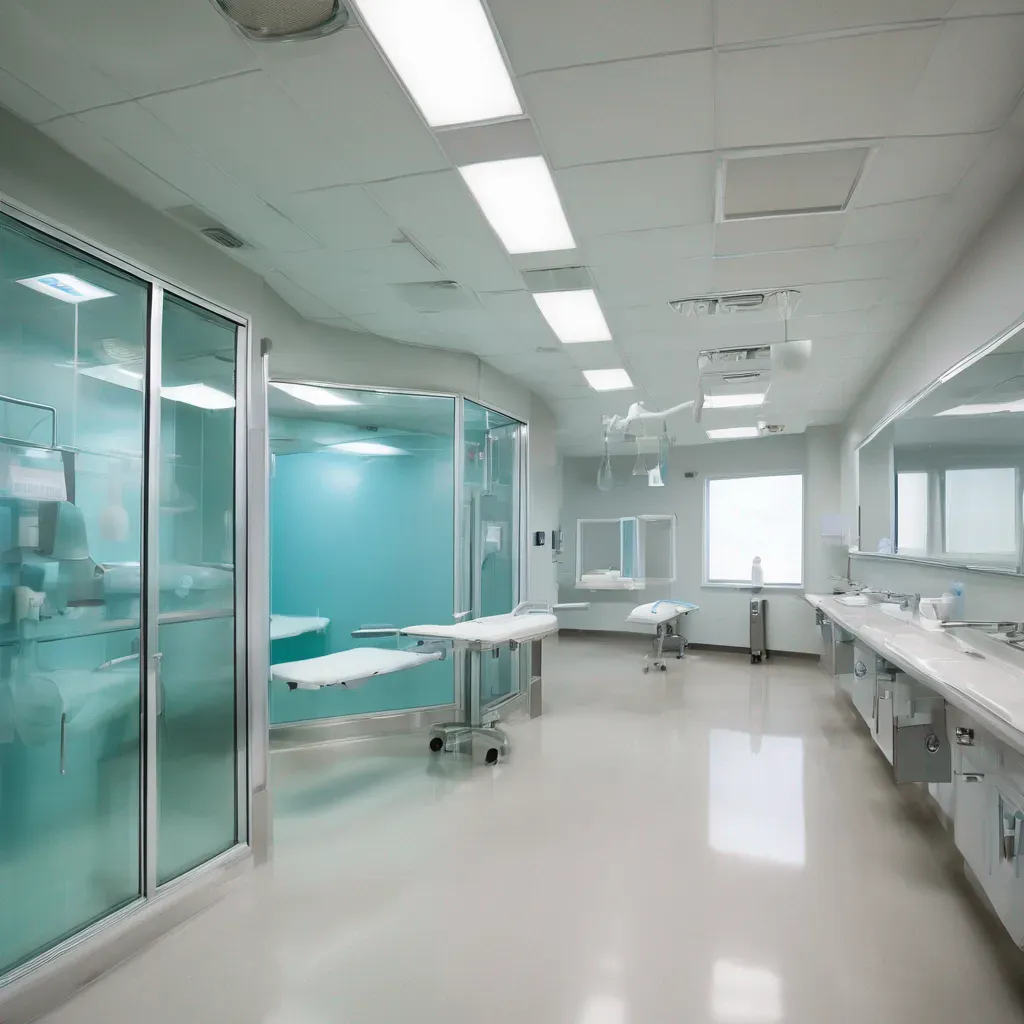
Hygienic Glass Solutions for Medical Facilities
Modern medical facilities require an optimal balance of functionality, safety, and aesthetics. While technology-driven innovations often take the spotlight, the impact of architecture, design, and materials cannot be understated. Among these, hygienic glass solutions have emerged as a critical yet innovative choice for healthcare environments. Designed with precision and inspired by the ability of art and glass to shape spaces, hygienic glass solutions provide transformative benefits that are as practical as they are visually captivating.
Whether it’s a hospital’s operating theater, a diagnostic center, or a clinic’s reception area, hygienic glass has vaulted into a starring role in creating clean, sustainable, and aesthetically pleasing medical environments.
The Hygienic Imperative in Healthcare Design
Medical facilities are environments where sanitation is paramount. Surfaces are often touched by patients, visitors, and staff, increasing the chance of contamination and the spread of pathogens. While frequent cleaning is essential, materials that inherently resist microbial growth are even better. Glass, especially advanced options such as anti-bacterial and easy-to-clean varieties, addresses these concerns with sophistication and efficiency.
Hygienic glass solutions are engineered to meet the demanding standards of medical facilities. These include antimicrobial coatings that actively inhibit bacterial growth, minimizing the potential for cross-contamination. Moreover, these glass surfaces are non-porous and easy to clean, qualities that align perfectly with the rigorous hygiene protocols required in healthcare environments.
Beauty Meets Function in Healthcare Glass Innovations
While functionality is a critical feature, hygienic glass also elevates the aesthetic and experiential aspect of medical interiors. Gone are the days when hospitals were regarded as cold, sterile environments. Designers today are turning to creative uses of glass to infuse warmth, color, and light into healthcare spaces, fostering a sense of comfort and calm for patients and staff alike.
Glass not only serves as a practical substrate; it also functions as a canvas for artistic ingenuity. Designers can use back-painted glass, frosted patterns, or decorative panels to create visual elements that break the monotony of plain walls. Something as simple as etched glass in waiting areas or custom-printed glass that features serene images in treatment rooms can make a huge psychological difference for patients who might otherwise feel anxious.
By harmonizing art and glass, medical facilities can create breathtaking interiors that inspire both comfort and trust. This ability to combine hygiene with aesthetics has made glass a go-to material for architects and interior designers working in high-stakes healthcare environments.
Key Applications of Hygienic Glass in Medical Spaces
Hygienic glass solutions span various applications in medical settings. Each use case leverages the inherent properties of glass while solving specific challenges faced by healthcare facilities. Below are some key applications:
1. Partitions and Enclosures
In open-plan medical facilities, glass partitions serve a dual purpose: they create physical boundaries while promoting visibility and transparency. Frosted or tinted variants can add privacy without compromising on the flow of light, crucial in maintaining a serene ambiance. By opting for antimicrobial-coated glass doors or walls, healthcare providers can also ensure maximum sanitation for high-touch areas.
2. Countertops and Workspaces
Reception desks, examination tables, and laboratory workbenches made of hygienic glass provide stunning and practical surfaces for everyday use. These surfaces are highly resistant to scratches and stains, making them ideal where durability and cleanliness cannot be compromised.
3. Windows and Doors
Large expanses of glass windows allow natural light to penetrate, enhancing the working conditions for staff and improving mood for patients. Combined with antimicrobial technology, these windows or doors can boast cleanliness that matches their beauty. For spaces requiring privacy, smart glass can replace traditional options, shifting from opaque to transparent at the touch of a button.
4. Decorative Elements with a Purpose
Glass as a medium for art shines brightest in its decorative applications, even within medical environments. Installing creative, artistic glass solutions—such as wall art, printed panels, or logo-etched partitions—produces a visually dynamic effect and signals professionalism without sacrificing hygiene.
Hyperlinks for reference:
- For insights into India’s premium glass artistry, explore hygienic glass solutions.
- Check out art-inspired glass innovations to elevate spaces with functionality and beauty.
The Long-Term Benefits of Choosing Hygienic Glass
Healthcare facilities often look for long-term design solutions that provide high returns in terms of safety, cost-efficiency, and usability. Hygienic glass addresses all three requirements. Its durability minimizes the need for frequent replacements, and the low-maintenance surfaces reduce cleaning costs. Furthermore, the very nature of glass as a recyclable material ensures sustainability for facilities with eco-conscious design priorities.
Using hygienic glass solutions also contributes to creating environments preferred by both patients and employees. The positive ambiance fostered by well-lit, beautiful, and germ-resistant interiors promotes a better sense of wellbeing, which, in turn, improves recovery rates and boosts satisfaction levels.
How Hygienic Glass Aligns with the Future of Healthcare Design
The integration of art and glass into practical, hygienic designs symbolizes a significant shift in how medical facilities are conceptualized. No longer are healthcare buildings viewed solely as utilitarian spaces; instead, they are environments that nurture and heal, harmonizing functionality and artistry. Hygienic glass solutions are an excellent example of this dual-purpose innovation.
As the healthcare industry evolves to embrace patient-centered and staff-friendly environments, materials like high-performance glass will remain pivotal to achieving these goals. Whether by lending elegance to an operating room, serving as decorative partitions, or safeguarding against microbes, glass solutions are setting a new standard for cleanliness and aesthetics in healthcare design.
Final Thoughts
Hygienic glass solutions have revolutionized the way medical facilities approach design, hygiene, and spatial artistry. These products are not just functional; they embody a commitment to health, sustainability, and beauty. From partitions and worktops to artistic panels that incorporate elements of art and glass, the possibilities are virtually limitless.
By prioritizing materials that deliver both form and function, medical facilities can ensure a safer, cleaner, and more uplifting environment where patients recover faster, staff work more efficiently, and architects feel inspired to innovate. Start exploring hygienic glass solutions today by visiting Glassy.in for inspiration and product details!## Hygienic Glass Solutions for Medical Facilities: Function Meets Aesthetics
When it comes to the design and architecture of medical facilities, hygiene is paramount. Cleanliness isn’t just about visual appeal—it’s about safety, promoting health, and creating an environment that both patients and staff can trust. Enter hygienic glass solutions: an innovative approach that combines cutting-edge functionality with the elegance of glass. These solutions aren’t just utilitarian; they also open up a world of creative possibilities, marrying art and glass for spaces that are as beautiful as they are sterile.
In this article, we’ll explore the importance of hygienic glass in medical settings, the artistic potential it brings to interiors, and how these solutions are transforming the way medical facilities look and function.
The Role of Hygienic Glass in Medical Facilities
Medical spaces require materials that meet the highest standards of hygiene. From hospitals and clinics to research labs and diagnostic centers, these environments demand surfaces that are easy to clean, resistant to bacteria, and durable. Traditional materials like tiles or laminated surfaces are common but often pose challenges like grout traps, which can harbor bacteria, or frequent wear and tear.
Hygienic glass provides an ideal alternative. Engineered specifically to combat microbial growth, these glass surfaces are non-porous, making them resistant to germs, pathogens, and mold. With their smooth, sleek design, they’re also remarkably easy to clean, requiring nothing more than regular disinfectants for a spotless finish. In high-pressure medical environments where infection control is essential, this feature is invaluable.
But does functionality have to come at the cost of aesthetics? Absolutely not. Hygienic glass solutions now bridge the gap between clinical efficiency and artistic expression.
Where Art Meets Hygiene: Adding a Sense of Design
While glass is typically lauded for its transparent, minimalistic charm, it also offers tremendous potential as a medium for artistic innovation. Incorporating elements of art and glass in medical facilities serves more than just an aesthetic purpose: it fosters comfort, reduces stress, and creates an inviting atmosphere that can have a profound psychological impact on patients.
Glass panels embedded with artistic designs, colorful decals, or even frosted patterns can be used to create partitions, wall installations, or windows in medical facilities. For example, a pediatric ward could include glass murals with playful designs to make children feel at ease, while oncology centers could use soothing floral motifs etched onto frosted glass to create calming spaces. Dynamic glass installations that change opacity or lighting depending on the time of day also bring a futuristic yet humanistic touch to otherwise sterile environments.
Given its ability to harmonize functionality with design, glass becomes more than just a building material — it becomes an artistic statement. These aesthetic possibilities are redefining how people perceive medical spaces, moving them from intimidating to inspiring.
Applications of Hygienic Glass in Medical Spaces
The versatility of hygienic glass makes it suitable for a range of applications in healthcare facilities.
-
Wall Cladding
Hygienic glass is commonly used for wall cladding in operating rooms, patient rooms, and waiting areas. Its seamless, grout-free surface ensures cleanliness and eliminates the risk of buildup of harmful microorganisms. -
Partitions & Doors
Glass partitions are ideal for separating areas while maintaining a sense of openness, promoting better natural lighting throughout the space. Frosted or tinted glass partitions can add privacy without creating an enclosed, claustrophobic atmosphere. -
Windows & Skylights
In healthcare design, access to natural light is critical for both staff and patients. Hygienic glass can be treated for UV-resistance, ensuring clean, safe, and well-lit environments with the added bonus of energy efficiency. -
Countertops & Surfaces
Reception counters, laboratory benches, and food-serving areas can all benefit from hygienic glass, which is resistant to staining and incredibly easy to maintain over time.
When paired with inspiring design and architectural thoughtfulness, these applications help create spaces that embody health, hope, and healing.
Sustainability and Long-Term Value
Glass also brings a surprising eco-friendly aspect to the table. Modern advancements in manufacturing mean hygienic glass is not just durable but also recyclable, aligning with the increasing focus on sustainable architecture in the healthcare sector. Moreover, its resilience means reduced maintenance costs and fewer replacements, adding to the long-term economic value of such a solution.
For medical facilities that prioritize green building certifications like LEED (Leadership in Energy and Environmental Design), hygienic glass provides a compelling way to achieve those standards without sacrificing either function or style.
Elevating Healthcare Spaces with Glassy.in
Leading names in the industry, like Glassy, are championing the use of hygienic glass solutions, offering products that excel both in performance and aesthetic versatility. From elegantly designed partitions to sophisticated wall cladding systems, their offerings demonstrate how glass can enhance healthcare interiors without compromising hygiene.
Beyond hygiene, Glassy also embraces the potential of merging art and glass to craft solutions tailored to the unique needs and branding of each medical facility. Whether it’s integrating soothing designs that support mental well-being or creating robust glass spaces that withstand the rigors of hospital environments, they’re redefining what glass can do in environments where safety matters most.
The Future Potential of Hygienic Glass
The innovation behind hygienic glass isn’t static. With ongoing advancements in nanotechnology, antimicrobial coatings, and dynamic glass features, the future looks bright for glass applications in medical facilities. Imagine self-cleaning glass walls, interactive panels for patient education, or personalized designs that can be digitally updated to transform interiors effortlessly.
The possibilities are endless, proving that hygienic glass solutions aren’t just a passing trend—they’re a cornerstone of modern medical facility design.
Conclusion
Hygienic glass seamlessly embodies the duality of form and function. As the healthcare industry continues to prioritize patient well-being through thoughtful design, glass surfaces are taking center stage—not just as a durable, sterile material but as an artistic medium that breathes life into clinical spaces.
By combining inspiring aesthetics with practicality, these glass solutions aren’t simply enhancing medical environments—they’re revolutionizing them. To explore a range of hygienic glass solutions and make art and functionality work in harmony for your space, visit Glassy.
Whether you’re designing the next state-of-the-art operating theater or an inviting patient lounge, consider the transformative power of hygienic glass to create spaces that inspire health, healing, and humanity.