
Interior Design
Glass Staircases: Design Ideas, Safety Standards & Maintenance
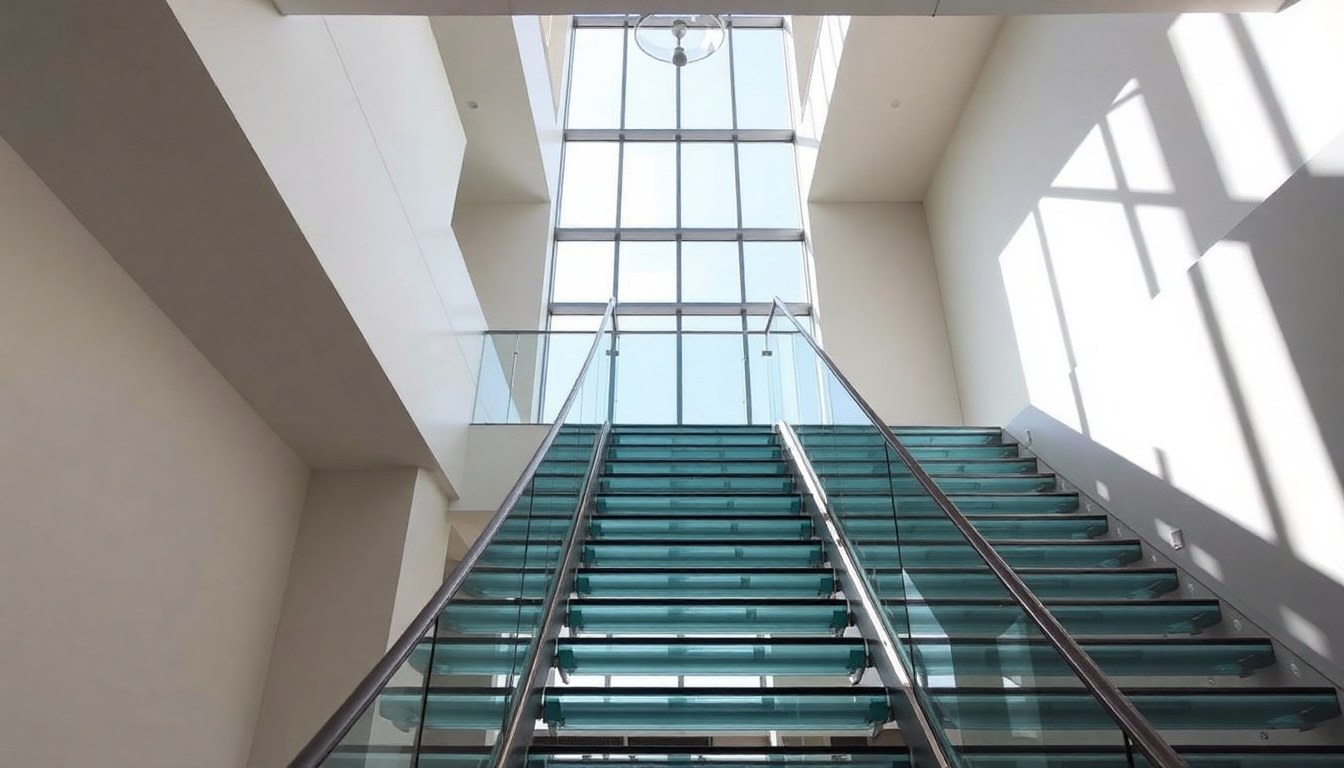
Glass staircases have transformed modern Indian homes and commercial spaces, offering a sleek alternative to traditional wooden or concrete designs. Whether you're renovating a Bangalore apartment or designing a luxury villa, frameless and semi-frameless glass staircases deliver visual lightness, enhanced natural light flow, and contemporary sophistication. This comprehensive guide covers everything you need to know: design trends, ISI compliance standards, installation costs, and practical maintenance strategies to keep your investment pristine for years.
Understanding Glass Staircase Types: Frameless vs. Semi-Frameless
Glass staircases fall into two primary categories, each offering distinct aesthetic and functional benefits. Frameless glass staircases feature no visible metal framing around the glass panels, creating a minimalist, floating appearance that maximizes visual transparency. Semi-frameless designs incorporate metal railings and support structures at strategic points, balancing safety with an open feel. Both types use toughened safety glass (typically 12mm or 15mm thickness) to meet Indian safety regulations.
Frameless staircases suit modern, high-ceiling interiors where you want an unobstructed view through the stairwell. They're popular in Bangalore's upscale residential projects and corporate offices. Semi-frameless variants work better in compact spaces or where additional structural support is preferred. The choice depends on your interior layout, budget, and design vision. Both require professional installation to ensure proper load distribution and safety compliance.
Material Specifications for Indian Installations
Indian glass staircases must use toughened (tempered) glass meeting IS 2553-1982 standards. This process heats glass to high temperatures then cools it rapidly, creating internal stress that increases strength by 4-5 times compared to regular glass. If broken, tempered glass fractures into small, harmless pebbles rather than sharp shards, protecting occupants. Typical thickness ranges from 10mm to 15mm depending on span and load requirements. Stainless steel 304 or 316 is preferred for railings and fittings due to India's humid climate and corrosion resistance.
Design Ideas and Aesthetic Trends
Modern glass staircase designs reflect contemporary architectural preferences while respecting Indian space constraints. Floating staircases with glass treads and minimal handrails create dramatic focal points in double-height living areas. Spiral glass staircases maximize space efficiency in compact homes, particularly common in Bangalore's multi-story apartments. Linear designs with glass balustrades suit open-plan layouts, allowing sightlines through the stairwell to enhance perceived spaciousness.
Current trends include mixed-material approaches: combining glass with wood treads for warmth, metal frames for industrial aesthetics, or stone steps for durability. LED lighting integrated into handrails or beneath treads adds functional ambiance while improving safety during nighttime use. Color-tinted glass (bronze, grey, or smoked finishes) reduces glare and adds sophistication without sacrificing transparency. Many designers in Bangalore are incorporating glass staircases as statement pieces, using them to define different zones within open-plan homes.
Popular Design Configurations
- Floating Staircases: Cantilevered treads with minimal visible support, ideal for modern minimalist interiors
- Spiral Glass Staircases: Space-efficient option perfect for compact residential spaces and commercial mezzanines
- L-Shaped or U-Shaped Glass Staircases: Accommodate larger vertical spans while maintaining visual continuity
- Curved Glass Staircases: Premium option offering sculptural elegance for luxury projects
- Modular Glass Staircases: Prefabricated sections enabling faster installation and easier future modifications
Safety Standards and ISI Compliance in India
All glass staircases installed in India must comply with Indian Standards (IS) codes governing building safety. The primary standards include IS 2553-1982 for toughened glass, IS 4021-1983 for safety glass in buildings, and IS 1893-2016 for earthquake resistance in structures. Load-bearing capacity must accommodate static loads (permanent weight) and dynamic loads (people using the stairs). A typical residential staircase must support a minimum distributed load of 3 kN/m² plus concentrated loads of 1.4 kN per step.
Professional structural engineers calculate load ratings based on tread span, glass thickness, support points, and railing height. Handrails must meet IS 1643-1989 specifications, maintaining height between 850-1000mm and withstanding horizontal pressure of 1.2 kN. Balustrade glass panels require a minimum height of 1.1m above the stair nosing. Installation must be certified by qualified professionals with documented compliance reports—essential for property insurance and legal protection.
Key Safety Requirements Checklist
- Toughened glass thickness: minimum 10mm for residential, 12-15mm recommended
- Handrail height: 850-1000mm from stair nosing
- Balustrade height: minimum 1.1m above stair nosing
- Glass edge finishing: polished or beveled to prevent sharp edges
- Slip-resistant treads or anti-slip coating on glass surfaces
- Structural certification from qualified engineers
- Fire-rated glass for commercial installations (if required by local building codes)
- Regular safety inspections and maintenance documentation
Glass Staircase Installation Costs in Bangalore and India
Glass staircase pricing varies significantly based on design complexity, glass type, materials, and installation location across India. In Bangalore, a basic semi-frameless glass staircase with 10-12 steps typically costs ₹1.5 to ₹2.5 lakhs. Premium frameless designs with high-grade stainless steel fittings and custom configurations range from ₹3 to ₹6 lakhs. Spiral glass staircases start around ₹2 lakhs for standard designs and can exceed ₹5 lakhs for custom curves and premium finishes.
Cost breakdown typically includes: toughened glass panels (₹400-600 per sq. ft.), stainless steel framework (₹500-800 per sq. ft.), handrails and fittings (₹15,000-40,000), professional installation labor (₹30,000-80,000), and engineering certification (₹5,000-15,000). Additional expenses arise from custom designs, non-standard dimensions, LED lighting integration, or modifications to existing structures. Installation timelines range from 2-4 weeks depending on complexity. Obtain multiple quotes from certified installers in your city to compare pricing and warranty terms.
Cost-Saving Tips Without Compromising Safety
- Choose semi-frameless designs over fully frameless for 15-20% savings
- Opt for standard dimensions rather than custom sizes
- Use standard glass finishes (clear or grey) instead of tinted options
- Defer LED lighting integration to a later phase
- Select locally-sourced stainless steel components where quality permits
- Plan installation during non-peak construction seasons for better labor rates
Installation Process and Professional Requirements
Professional glass staircase installation requires structural assessment, precise measurements, and careful execution. Qualified installers first evaluate your space, verify load-bearing capacity of existing structures, and confirm compliance with local building codes. They create detailed drawings and obtain necessary approvals from municipal authorities if required. The installation process involves preparing the structural framework, installing support systems, fitting glass panels, securing railings, and conducting safety tests before handover.
Always hire installers certified by recognized industry bodies with documented experience in glass staircase projects. Request references from previous installations in Bangalore or your city. Verify that the contractor provides structural certification, warranty documentation, and maintenance guidelines. Professional installation ensures proper weight distribution, eliminates installation defects, and protects your investment. Avoid low-cost contractors lacking proper credentials or insurance—safety compromises during installation can create liability issues later.
Maintenance and Cleaning Tips for Glass Staircases
Glass staircases require regular maintenance to preserve clarity, prevent deterioration, and ensure ongoing safety. Weekly cleaning with mild soap and water removes dust and fingerprints. Use microfiber cloths to avoid scratching the glass surface. For stubborn stains or mineral deposits, dilute white vinegar with water (1:1 ratio) and apply with a soft cloth. Never use abrasive cleaners, scouring pads, or harsh chemicals that can damage glass coatings or stainless steel fittings.
Inspect stainless steel railings and fittings monthly for signs of corrosion, particularly in humid climates like Bangalore. Wipe railings with a dry cloth immediately after use to prevent moisture accumulation. For coastal areas or high-humidity zones, apply a protective stainless steel coating annually. Check glass panels for cracks or chips—even small damage can compromise structural integrity. Ensure handrails remain firmly secured and anti-slip coatings on treads remain effective. Document all maintenance activities for warranty purposes and insurance records.
Seasonal Maintenance Schedule
- Monthly: Visual inspection of glass, railings, and fasteners; stainless steel wipe-down
- Quarterly: Deep cleaning of glass surfaces; check for loose fixtures or movement
- Annually: Professional structural inspection; reapplication of protective coatings; anti-slip surface renewal
- Bi-annually: Detailed assessment by certified engineers; documentation for warranty and insurance
Frequently Asked Questions
Are glass staircases safe for families with children and elderly members?
Yes, when properly installed and compliant with ISI standards, glass staircases are safe for all family members. Toughened glass is 4-5 times stronger than regular glass and fractures into harmless pebbles if broken. Adequate handrails (850-1000mm height), slip-resistant surfaces, and proper lighting ensure safe navigation. However, ensure railings meet minimum height requirements (1.1m above stair nosing) and handholds are secure. Supervise young children and elderly users on any staircase, and consider additional features like extended handrails or wider treads for accessibility.
What is the typical lifespan of a glass staircase?
A well-maintained glass staircase lasts 20-30 years or longer. Toughened glass is durable and resistant to scratching and weathering. Stainless steel components, when properly maintained and protected from corrosion, remain functional for decades. The main wear factors are fastener corrosion (especially in humid climates), handrail loosening over time, and anti-slip coating degradation. Regular inspections and timely maintenance—replacing worn fasteners, reapplying protective coatings, and renewing anti-slip surfaces—extend the staircase's functional life significantly. Structural integrity typically remains intact for 25+ years with minimal intervention.
Can glass staircases be installed in existing homes, or only during new construction?
Glass staircases can be installed in existing homes, though retrofitting requires structural assessment and careful planning. The existing structure must support the weight of glass, steel railings, and occupants. Professional engineers evaluate load-bearing capacity and recommend reinforcement if necessary. Retrofitting may involve temporary staircase arrangements during installation, structural modifications to support points, and coordination with existing finishes. While more complex than new-construction installations, retrofitting is feasible and increasingly common in Bangalore's renovation projects. Costs may be 15-25% higher than new installations due to structural work.
Do glass staircases require special permits or approvals in Bangalore?
Yes, structural modifications and staircase installations typically require approval from Bangalore's municipal corporation (BBMP) or relevant local authority. You'll need structural drawings certified by a qualified engineer, load calculations, and compliance documentation with ISI standards. Building permissions and completion certificates may be necessary depending on your property type and local regulations. Reputable contractors handle permit applications as part of their service. Always verify local building codes and obtain necessary approvals before installation—non-compliance can result in legal issues during property transactions or insurance claims.
What is the difference between toughened glass and laminated glass for staircases?
Toughened glass is heat-treated to increase strength and is the standard choice for Indian staircase installations per ISI codes. It fractures safely into small pebbles if broken. Laminated glass consists of layers bonded with resin; if broken, the resin holds fragments together, preventing sharp shards. Both offer safety advantages, but toughened glass is more commonly used for staircases due to its superior strength, clarity, and compliance with IS 2553-1982. Laminated glass is sometimes used in commercial applications or areas requiring enhanced security. For residential staircases in India, toughened glass remains the recommended standard, offering the best balance of safety, durability, and aesthetic clarity.
Conclusion
Glass staircases represent a modern, sophisticated choice for Indian homes and commercial spaces, combining aesthetic appeal with functional elegance when properly designed and installed. Understanding the distinction between frameless and semi-frameless designs, adhering to ISI safety standards, budgeting appropriately for Bangalore installations, and committing to regular maintenance ensures your investment delivers beauty and safety for decades. Whether you're renovating a Bangalore apartment or designing a new luxury property, professional installation by certified contractors and compliance with all building codes protect your investment and family.
Ready to explore glass staircase options for your home? Browse certified glass staircase manufacturers, installers, and design consultants on glassy.in, India's largest glass-business directory. Connect with verified professionals in your city, compare quotes, review portfolios, and find the perfect solution for your interior design vision.