
Glass Railings
Glass Staircase Railings: Safety Standards, Design Ideas & Installation Cost
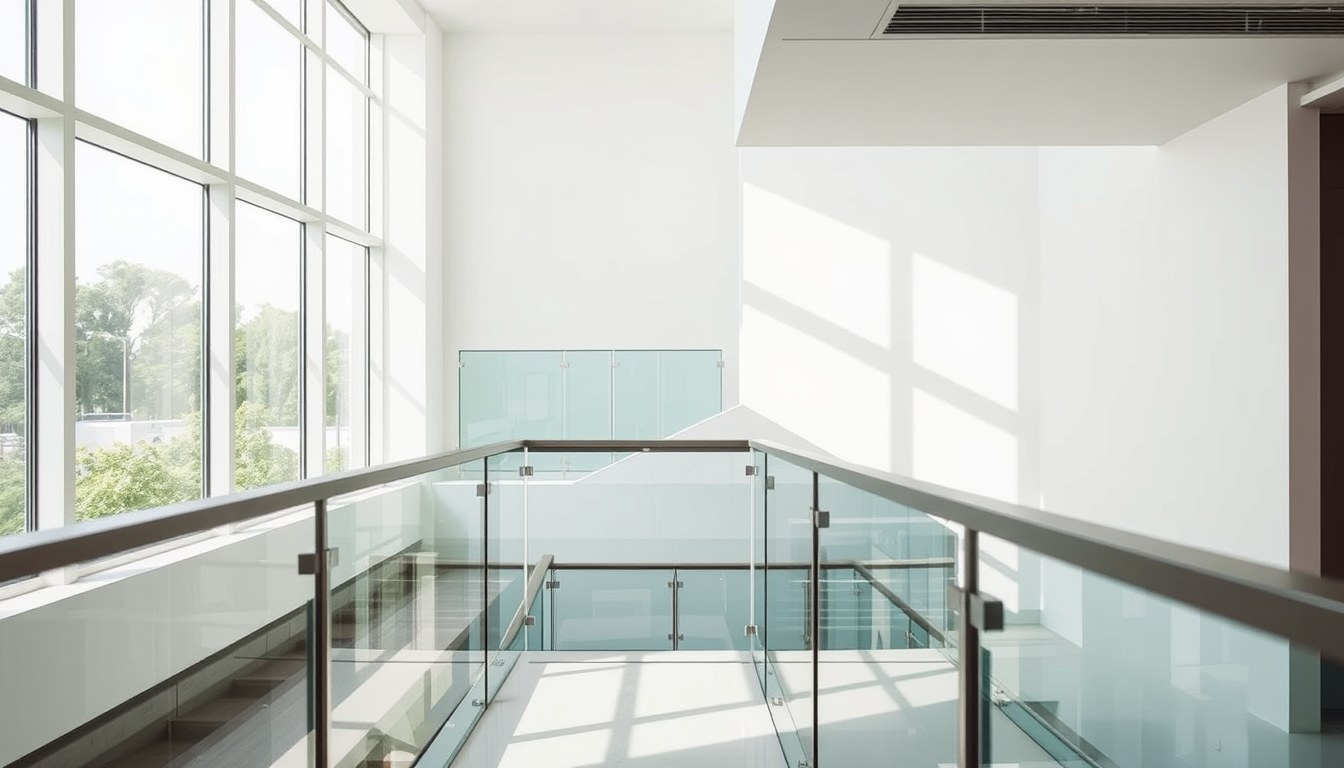
Glass staircase railings combine elegance with functionality, creating open, modern spaces while maintaining safety. Whether you're renovating a residential home or designing a commercial property, understanding safety codes, material specifications, and installation costs is essential to making the right choice. This guide covers everything you need to know about glass railings—from tempered glass standards to design finishes and realistic pricing across Indian cities.
Understanding Safety Standards for Glass Railings
Safety is the primary concern when installing glass staircase railings. In India, glass railings must comply with the National Building Code (NBC) and relevant Indian Standards (IS) to ensure structural integrity and user protection. The NBC mandates that railings on stairs, landings, and balconies must be designed to withstand horizontal loads and prevent accidental falls.
The key safety requirements include a minimum railing height of 1.1 meters (measured from the stair nosing), the ability to resist a horizontal load of 1.5 kN/m, and proper baluster or panel spacing to prevent entrapment. For frameless glass railings, the entire load-bearing responsibility falls on the glass and its mounting system, making quality materials and professional installation non-negotiable.
Tempered Glass Specifications
Tempered glass is mandatory for all staircase railings in India. This safety glass undergoes thermal treatment that makes it four to five times stronger than annealed glass. When tempered glass breaks, it shatters into small, relatively harmless granules rather than sharp shards, significantly reducing injury risk. The standard thickness for staircase railings ranges from 10mm to 12mm, with 12mm being preferred for frameless systems and longer spans.
Always verify that glass used in your railing carries the Indian Standards Bureau (ISB) mark and certification. Suppliers should provide documentation confirming the tempered glass treatment and its compliance with IS 2250 (Code of Practice for Protection Against Noise in Buildings).
Baluster Spacing and Load Requirements
If your design includes vertical balusters or panels, spacing between elements must not exceed 100mm to prevent a child's head from becoming trapped. This is a critical safety requirement under NBC guidelines. The railing system must also withstand a horizontal load of 1.5 kN per linear meter without permanent deformation—equivalent to approximately 150 kg of force applied at mid-height.
Frameless vs. Framed Glass Railings: Design Differences
Glass staircase railings come in two primary configurations: frameless and framed. Each offers distinct aesthetic and functional advantages, and your choice depends on your design vision, budget, and structural requirements.
Frameless Glass Railings
Frameless railings feature glass panels held in place by minimal hardware—typically stainless steel clamps or a bottom channel system. This design creates an unobstructed view and a sleek, contemporary appearance. The glass itself bears the structural load, making 12mm tempered glass the standard. Frameless systems work best for straight runs and are particularly popular in modern residential and commercial interiors.
Advantages include maximum transparency, easier cleaning, and a premium aesthetic appeal. However, frameless systems require precise installation and are more expensive than framed alternatives. They also demand careful selection of mounting hardware to ensure long-term durability and safety.
Framed Glass Railings
Framed railings use an aluminum, stainless steel, or wooden frame to hold 8mm to 10mm tempered glass panels. The frame distributes loads more evenly and allows for greater design flexibility. You can incorporate horizontal or vertical balusters, decorative patterns, or mixed materials like wood and glass. Framed systems are more forgiving during installation and generally less expensive than frameless alternatives.
Framed railings suit both traditional and contemporary interiors. They work well for curved staircases and complex layouts. The visible frame does reduce transparency slightly, but modern frame designs minimize visual impact while maintaining structural efficiency.
Design Ideas and Finishes for Glass Railings
Beyond the basic structure, glass railings offer numerous customization options to match your interior design vision.
Glass Finish Options
- Clear Tempered Glass: The most popular choice, offering maximum visibility and a minimalist aesthetic. Ideal for showcasing architectural details or views.
- Frosted Glass: Provides privacy while maintaining light transmission. Commonly used in office partitions and residential applications where you want subtle opacity.
- Tinted Glass: Available in gray, bronze, or green tints. Reduces glare and heat transmission while adding a sophisticated visual element.
- Patterned or Textured Glass: Includes designs like rain patterns, hammered finishes, or custom etchings. Adds visual interest while maintaining safety standards.
- Laminated Glass: Offers enhanced safety by holding glass together if it breaks, plus sound insulation benefits. More expensive but ideal for high-traffic areas.
Frame and Hardware Finishes
If you choose a framed system, the frame material and finish significantly impact the overall design. Stainless steel offers durability and a sleek, modern look—ideal for contemporary spaces. Aluminum frames are lightweight, cost-effective, and available in various powder-coated colors. Wooden frames bring warmth and suit traditional or transitional interiors.
Hardware finishes include brushed stainless steel, polished chrome, matte black, and anodized aluminum. Consistency in hardware finish across your space creates a cohesive, professional appearance.
Installation Process and Considerations
Professional installation is crucial for both safety and longevity. The process involves precise measurements, structural assessment, and careful mounting to ensure the railing meets all safety standards.
Pre-Installation Assessment
Before installation begins, a qualified installer should inspect the staircase structure, measure exact dimensions, and assess load-bearing capacity. For frameless systems, the mounting surface (typically concrete, steel, or solid wood) must be strong enough to support the system. Any structural weaknesses must be addressed before proceeding.
Installation Steps
The installation process typically involves marking mounting points, drilling anchor holes, installing mounting brackets or channels, fitting the glass panels, and securing all hardware. Frameless systems require more precision—each glass panel must be perfectly aligned and secured with appropriate clamps or channels. Framed systems follow similar steps but with the added complexity of frame assembly.
Professional installers use specialized tools and have experience handling tempered glass safely. They also ensure proper sealing around mounting points to prevent water infiltration and corrosion, particularly important in Indian climates with significant humidity variations.
Post-Installation Care
Once installed, glass railings require minimal maintenance. Regular cleaning with mild soap and water keeps the glass clear. Avoid harsh chemicals or abrasive materials that might damage finishes. Check hardware periodically for any signs of loosening or corrosion, especially in coastal areas or regions with high humidity.
Installation Cost Across Indian Cities
Glass staircase railing costs vary significantly based on design complexity, glass specifications, frame materials, and local labor rates. Here's a realistic breakdown across major Indian cities.
Cost Components
- Tempered Glass: ₹800–₹1,500 per square meter depending on thickness, finish, and customization.
- Framing Materials: Aluminum frames cost ₹400–₹800 per linear meter; stainless steel costs ₹1,000–₹2,000 per linear meter; wooden frames range from ₹600–₹1,500 per linear meter.
- Hardware and Fasteners: ₹200–₹500 per linear meter for clamps, channels, and brackets.
- Labor: ₹300–₹600 per linear meter for professional installation, varying by city and complexity.
Typical Project Costs by City
Delhi/NCR: A 10-meter frameless railing with 12mm clear tempered glass typically costs ₹1,20,000–₹1,80,000. Framed systems with aluminum frames range from ₹80,000–₹1,20,000.
Mumbai: Coastal humidity and higher labor costs increase prices. Frameless systems average ₹1,40,000–₹2,00,000 for 10 meters. Framed aluminum systems cost ₹1,00,000–₹1,40,000.
Bangalore: Competitive market pricing ranges from ₹1,00,000–₹1,60,000 for frameless systems and ₹70,000–₹1,10,000 for framed systems over 10 meters.
Hyderabad: Generally more affordable than tier-1 metros. Frameless systems cost ₹90,000–₹1,40,000; framed systems range from ₹60,000–₹1,00,000 for 10 meters.
Pune: Similar to Hyderabad, with frameless systems at ₹95,000–₹1,50,000 and framed systems at ₹65,000–₹1,05,000.
Factors Affecting Final Cost
- Staircase geometry (straight vs. curved—curved requires custom bending and costs 30–50% more)
- Glass customization (frosted, tinted, or patterned glass adds ₹150–₹400 per square meter)
- Structural modifications needed to support the railing
- Accessibility and complexity of the installation site
- Warranty and after-sales service provisions
Choosing a Reliable Glass Railing Supplier
Quality and safety depend heavily on your supplier and installer. Look for companies with established track records, proper certifications, and customer references. Verify that they use ISB-certified tempered glass and follow NBC guidelines in their designs.
Request detailed quotations that itemize all components and labor costs. Compare at least three suppliers before deciding. Don't automatically choose the cheapest option—poor-quality installation can lead to safety issues and costly repairs. Ensure the supplier provides a warranty covering both materials and workmanship, typically 5–10 years for quality installations.
Frequently Asked Questions
Is tempered glass mandatory for staircase railings in India?
Yes, the National Building Code of India requires tempered glass for all staircase railings and balconies. Tempered glass is four to five times stronger than regular glass and shatters into harmless granules rather than sharp shards, significantly reducing injury risk. Any railing installation must use ISB-certified tempered glass to comply with safety standards.
What thickness of tempered glass is safe for frameless railings?
For frameless staircase railings, 12mm tempered glass is the standard and recommended minimum. This thickness ensures the glass can withstand the required horizontal load of 1.5 kN/m without permanent deformation. Some applications may use thicker glass for longer spans or higher-traffic areas, but 12mm is the industry standard for residential and commercial staircases.
Can glass railings be installed on curved staircases?
Yes, but curved installations are more complex and expensive. Frameless systems on curved stairs require custom-bent glass, which costs significantly more than straight panels. Framed systems with curved frames are often a more practical and cost-effective solution for curved staircases. Always consult with a professional installer to assess feasibility and cost.
How often do glass railings need maintenance?
Glass railings require minimal maintenance. Regular cleaning with mild soap and water keeps them clear and attractive. Check hardware periodically—every 6–12 months—for any signs of loosening or corrosion, particularly in humid climates. Properly installed and maintained glass railings can last 20+ years without significant issues.
What is the difference between frameless and framed glass railings in terms of cost?
Frameless systems are generally 30–50% more expensive than framed systems because they require thicker glass (12mm vs. 8–10mm), precision engineering, and specialized hardware. However, frameless railings offer superior aesthetics and unobstructed views. Framed systems with aluminum frames provide excellent value and flexibility for complex designs, making them ideal for budget-conscious projects without compromising safety.
Ready to upgrade your staircase with a modern glass railing? Browse verified glass suppliers and installation experts on the Glassy.in directory. Compare quotes, read customer reviews, and connect with trusted professionals in your city to bring your vision to life safely and affordably.