
Glass Guides
Glass Skylight Maintenance & Sealing: Prevent Leaks Year-Round
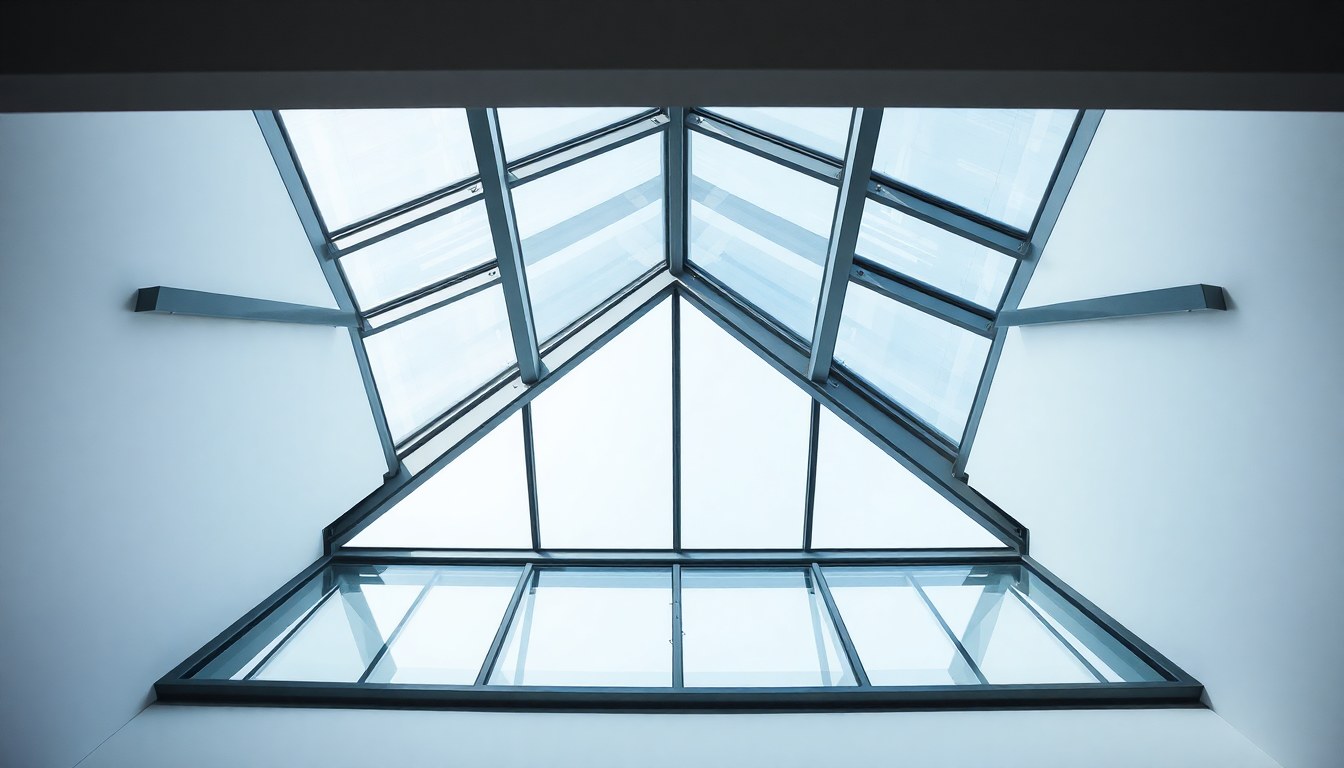
A glass skylight transforms any room with natural daylight and architectural appeal, but neglecting maintenance can lead to water damage, mold, and expensive repairs. Whether you live in monsoon-prone regions of India or areas with extreme temperature swings, proper skylight care is essential to protect your investment. This comprehensive guide covers everything you need to know about cleaning, sealing, and troubleshooting skylights to keep them leak-free throughout the year.
Why Skylight Maintenance Matters
Skylights experience unique environmental stresses that regular windows don't. They're exposed to direct sunlight, temperature fluctuations, moisture, and seasonal debris accumulation. Over time, sealants degrade, flashing corrodes, and small gaps can become major leak points. In India's monsoon season, a poorly maintained skylight can allow water to penetrate your ceiling within hours, damaging insulation, creating mold colonies, and compromising structural integrity.
Regular maintenance extends skylight lifespan from 15-20 years to 25-30 years and prevents emergency repairs that can cost ₹50,000 or more. The investment in routine care—cleaning, inspection, and sealant replacement—is minimal compared to water damage remediation.
Seasonal Cleaning: Keep Glass Clear and Functional
Clean skylights allow maximum light penetration and help you spot potential problems early. Dust, bird droppings, tree sap, and pollution buildup reduce light transmission by up to 40% and can trap moisture against seals.
Interior Cleaning
Clean the interior glass quarterly or more frequently if you live in dusty areas or near construction zones. Use a soft microfiber cloth with a 50/50 mixture of white vinegar and distilled water. Avoid ammonia-based cleaners on coated glass, as they can damage special finishes. For stubborn residue, apply the solution and let it sit for 10 minutes before wiping gently. Ensure your ladder is stable and never lean directly against the skylight frame.
Exterior Cleaning
Exterior cleaning is more critical but also more challenging. Schedule this for dry weather, ideally twice yearly—once after the monsoon season and once before it begins. Use a soft brush or cloth with a mild detergent solution, never abrasive scrubbers that can scratch glass or damage sealants. If your skylight is steep or high, hire a professional cleaning service rather than risk falls. Remove leaves, moss, and debris from the frame edges and flashing immediately, as these trap moisture and accelerate sealant failure.
Sealant Inspection and Replacement
The sealant around your skylight frame is your primary defense against water intrusion. Over 5-10 years, sealants lose elasticity, crack, and shrink, especially in India's intense heat and humidity cycles. Regular inspection catches deterioration before it causes leaks.
Identifying Failed Sealant
Walk around your skylight monthly, especially after heavy rain, and look for these warning signs:
- Visible cracks, gaps, or separation from the frame
- Discoloration, mold, or algae growth on sealant
- Sealant that peels away or crumbles when touched gently
- Water stains on ceiling around the skylight
- Soft or spongy areas in the sealant
If you notice any of these issues, plan for sealant replacement within the next month, before the next monsoon season.
DIY Sealant Replacement
For homeowners comfortable with basic maintenance, replacing sealant is achievable. You'll need a caulking gun, silicone or polyurethane sealant (choose one rated for exterior use and UV resistance), a utility knife, and a caulk removal tool. First, remove old sealant completely using the removal tool or knife—incomplete removal causes new sealant to fail prematurely. Clean the area with rubbing alcohol and let it dry for 24 hours. Apply new sealant in a continuous bead around the frame, maintaining consistent width (typically 5-8mm). Smooth it with a wet caulk tool or your finger for better adhesion and water shedding. Allow 48 hours for curing before exposing the skylight to water or extreme heat.
For complex flashing or if you're uncomfortable working at heights, hire a professional. Quality sealant costs ₹300-800 per cartridge, and professional replacement typically costs ₹2,000-5,000 depending on skylight size and accessibility.
Flashing and Frame Inspection
Flashing—the metal or rubber component that directs water away from the skylight—is equally important as sealant. Compromised flashing allows water to run down interior walls rather than off the roof.
What to Look For
Inspect flashing for rust, corrosion, dents, or separation from the roof. Metal flashing should show no orange rust stains or pitting. Rubber flashing should be flexible, not brittle or cracked. Check that flashing overlaps properly with roof shingles or tiles—water should flow over the flashing, not under it. If flashing is damaged, it must be replaced; sealant alone cannot compensate for compromised flashing.
Frame Condition
Examine the skylight frame itself for wood rot (if wooden), aluminum corrosion, or vinyl brittleness. Gently press wooden frames with a screwdriver—if it sinks in, rot has begun and the frame may need replacement. Aluminum frames should be free of white powdery corrosion. These issues require professional intervention and cannot be fixed with sealant.
Leak Troubleshooting and Prevention
Even with maintenance, leaks can occur. Understanding where water enters helps you fix the problem correctly.
Locating the Leak Source
Water appearing on your ceiling below a skylight doesn't always come directly from the skylight. Water can travel along rafters or interior surfaces before dripping. During rain, observe where water first appears and trace it upward. The actual leak point is often 30-60cm away from where you see water. Check for water on the attic side (if accessible) to confirm the leak originates from the skylight rather than elsewhere on the roof.
Common Leak Causes and Fixes
- Failed sealant: The most common cause. Follow sealant replacement steps above.
- Condensation: If water appears on the interior glass surface rather than dripping, you have condensation, not a leak. Improve ventilation or install a skylight with insulated glass to reduce temperature differentials.
- Flashing gaps: If sealant looks fine but water enters, flashing may be damaged or improperly installed. Professional replacement is necessary.
- Debris blockage: Leaves and debris in the flashing channel prevent water drainage. Clear these immediately.
- Ice dam formation: In cooler months, ice can dam water behind flashing. Improve attic insulation to reduce heat loss that causes melting and refreezing.
Preventive Measures
Beyond maintenance, these steps reduce leak risk:
- Install gutter guards or leaf filters on nearby roof gutters to prevent debris from accumulating around the skylight
- Ensure your attic has adequate ventilation to prevent moisture buildup and condensation
- Trim tree branches overhanging the skylight to reduce leaf and branch debris
- After heavy storms, inspect the skylight for new damage or sealant cracks
- Consider upgrading to a skylight with integrated drainage channels if your current model lacks them
Seasonal Maintenance Checklist
Use this checklist to stay on top of skylight care throughout the year:
Pre-Monsoon (April-May)
- Clean exterior glass and frame thoroughly
- Remove any debris from flashing and gutters
- Inspect sealant for cracks; replace if needed
- Check flashing for rust or damage
- Test interior for any signs of previous leaks or moisture
Post-Monsoon (October-November)
- Inspect for water stains or damage from monsoon rains
- Clean exterior glass and frame of algae, moss, or pollution
- Check sealant for new cracks caused by thermal stress
- Clear any debris from the flashing channel
- Plan any necessary repairs before winter
Winter and Summer (Quarterly)
- Interior glass cleaning
- Visual sealant inspection
- Check for condensation or moisture inside the frame
Frequently Asked Questions
How often should I replace skylight sealant?
High-quality silicone or polyurethane sealant typically lasts 5-10 years in India's climate. In areas with intense sun exposure or near coastal regions with salt air, replacement may be needed every 5-7 years. Inspect sealant annually and replace it as soon as you notice cracks, separation, or deterioration rather than waiting for a set timeline.
Can I use regular caulk for skylight sealing?
No. Skylights require exterior-grade silicone or polyurethane sealant rated for UV exposure and thermal movement. Regular interior caulk will fail within months when exposed to temperature swings and direct sunlight. Always choose sealant specifically labeled for exterior use and compatible with your skylight material (glass, aluminum, vinyl, or wood).
What's the difference between a leak and condensation?
Leaks produce water droplets or streams during or immediately after rain, with water running down interior walls or pooling on the ceiling. Condensation appears as moisture on the interior glass surface, typically in early morning or after temperature changes, and doesn't drip or run. Condensation indicates poor attic ventilation or a large temperature difference between inside and outside, not a failed seal. Improving ventilation or upgrading to insulated glass solves condensation.
Is it safe to clean skylights myself?
Interior cleaning is safe if you use a stable ladder and avoid leaning directly on the skylight. Exterior cleaning is riskier due to height and steep roof angles. If your skylight is higher than one story, difficult to access, or on a steep pitch, hire professionals. The cost (₹1,500-3,000) is worth avoiding falls or accidental damage to the glass or frame.
How much does professional skylight maintenance cost in India?
Professional cleaning typically costs ₹1,500-3,000 depending on skylight size and accessibility. Sealant replacement costs ₹2,000-5,000. Flashing replacement or frame repair is more expensive, ranging from ₹5,000-15,000 or higher. Getting quotes from multiple service providers in your city ensures competitive pricing. Many glass and window companies offer annual maintenance packages at discounted rates.
Skylights are valuable architectural features that require consistent care to perform well. By following this maintenance guide—cleaning regularly, inspecting sealant and flashing, and addressing problems promptly—you'll keep your skylight leak-free and beautiful for decades. For professional skylight maintenance, repair, or replacement services, explore the verified glass contractors and window specialists in your area through the glassy.in directory.