
Glass Guides
Glass Skylight Condensation Problems: Causes, Prevention & Repair Guide
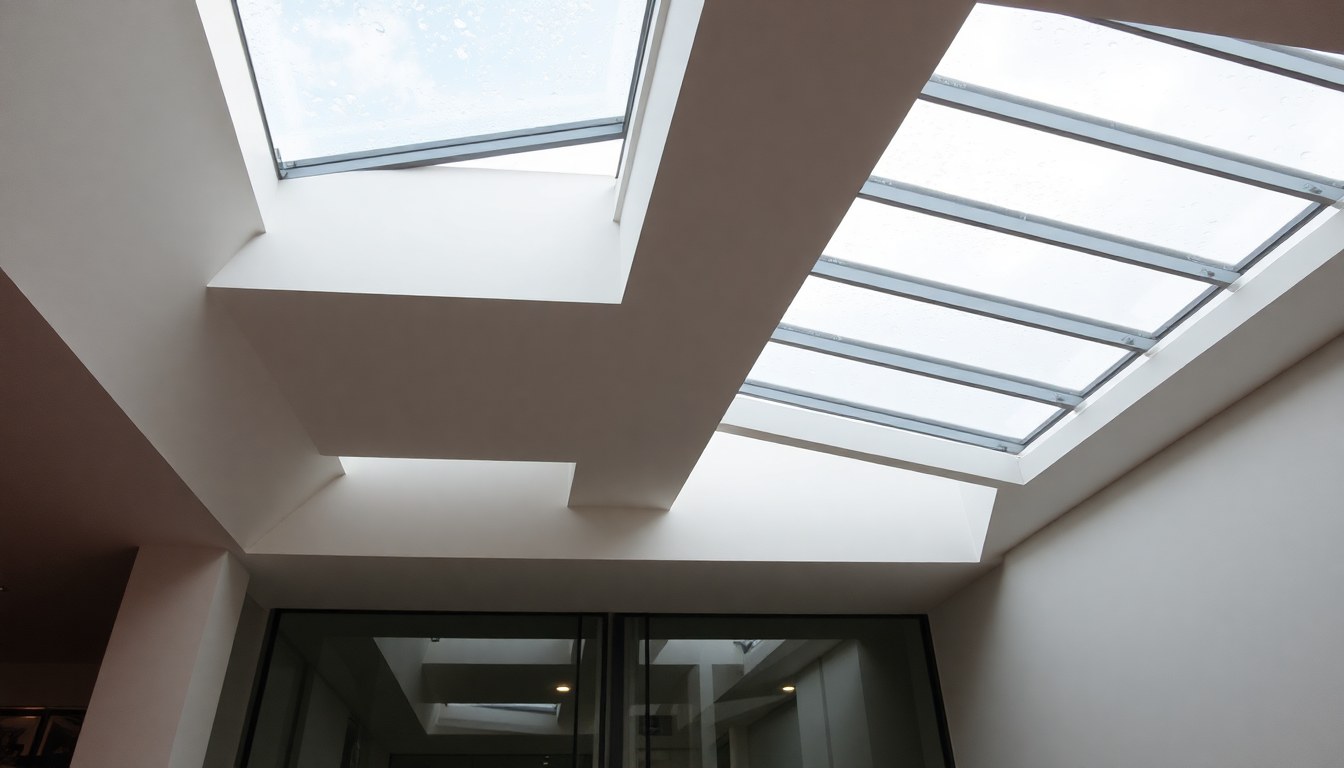
Waking up to a fogged skylight is frustrating—you paid for natural light, not a moisture barrier. Condensation on skylights is one of the most common complaints among homeowners across India, especially in humid climates and during monsoon seasons. This guide walks you through why skylights sweat, how to stop it before it starts, and what to do when DIY fixes aren't enough.
Why Do Skylights Get Condensation?
Skylight condensation happens when warm, humid air inside your home meets the cold surface of the glass. The temperature difference causes water vapor to condense into liquid droplets—the same physics that fogs up your bathroom mirror after a hot shower. The problem is especially acute in India's tropical and subtropical regions, where humidity levels stay high year-round.
Several factors make skylights more prone to condensation than regular windows:
- Angle and exposure: Skylights are horizontal or near-horizontal, so condensation pools rather than draining away like it does on vertical windows.
- Poor insulation: Single-pane or older double-pane skylights conduct cold from outside directly into your living space, creating a steep temperature gradient.
- Inadequate ventilation: Kitchens, bathrooms, and laundry rooms generate moisture that has nowhere to escape if your home isn't properly ventilated.
- Thermal bridging: Metal frames around skylights conduct cold efficiently, making the glass edges colder than the center.
- Seasonal humidity spikes: During monsoons or in coastal cities like Mumbai and Kochi, outdoor humidity can exceed 80%, pushing indoor moisture levels dangerously high.
Understanding the root cause is the first step toward a lasting solution. A skylight that fogs only on winter mornings has a different problem than one that stays wet all through the rainy season.
Immediate Prevention Tactics You Can Try Today
Before calling a professional, try these low-cost, high-impact strategies to reduce condensation:
Boost Air Circulation
Stagnant air traps moisture. Use ceiling fans to push warm air upward and break up cold spots near the skylight. In bedrooms and living rooms, run fans on low speed even in winter—the goal is gentle circulation, not a wind tunnel. In kitchens and bathrooms, turn on exhaust fans while cooking or showering and leave them running for 15–20 minutes afterward to expel humid air outside.
Reduce Indoor Humidity
Lower humidity levels directly reduce condensation risk. Keep indoor humidity between 30–50% relative humidity (RH). You can measure this with an inexpensive hygrometer (available at hardware stores across India for ₹300–₹800). If humidity climbs above 60%, use a dehumidifier in problem rooms. In kitchens, cover pots while cooking. In bathrooms, wipe down wet surfaces and hang damp towels outside the bathroom to dry.
Improve Thermal Performance
The warmer your skylight glass, the less likely condensation will form. On sunny days, keep curtains and blinds open to allow solar heat to warm the glass. Insulated cellular shades or thermal blinds (₹2,000–₹6,000 per skylight) trap a layer of warm air against the glass. At night, close these blinds to add an extra insulation layer.
Seal Air Leaks Around the Frame
Cold air infiltration through gaps around the skylight frame makes the glass colder. Check the seal between the skylight and roof. If you see daylight or feel drafts, apply weatherstripping tape (₹200–₹400 per roll) or caulk with silicone sealant. This is a weekend DIY job that costs under ₹1,000 but can significantly reduce condensation.
Ventilation Solutions for Persistent Moisture
If prevention tactics don't fully solve the problem, your home may need better ventilation infrastructure. This is especially common in newer, well-sealed homes where moisture has nowhere to escape.
Install or Upgrade Exhaust Fans
Bathrooms and kitchens should have dedicated exhaust fans vented directly outside—not into the attic. If your home lacks these, installation costs ₹3,000–₹8,000 per fan depending on ductwork. Make sure fans are sized correctly: a bathroom needs at least 50 CFM (cubic feet per minute) per 10 square feet of space. Larger kitchens may need 100+ CFM fans.
Add Attic Ventilation
If your skylight is in an attic or upper-story room, poor attic ventilation can trap moisture-laden air. Ridge vents, soffit vents, or powered attic fans help moisture escape before it reaches the skylight. This is a job for a qualified contractor (₹5,000–₹15,000 depending on roof size and complexity).
Consider a Heat Recovery Ventilator (HRV)
In humid climates, an HRV removes excess moisture while recovering heat from outgoing air. These systems cost ₹25,000–₹60,000 installed but are highly effective in reducing condensation permanently. They're particularly valuable in cities like Bangalore, Pune, and Hyderabad where humidity is consistently high.
Repairing and Replacing Damaged Skylights
If condensation has been present for months or years, it may have caused damage that prevention alone won't fix.
Inspect for Seal Failure
Double-pane skylights have a seal between the two panes filled with argon or air. If this seal fails, moisture enters the gap and condenses between the panes—you can't wipe it away. Signs of seal failure include:
- Persistent fogging between the two panes that doesn't clear
- White or cloudy residue that won't come off with cleaning
- Visible water droplets trapped inside the glass unit
A failed seal means the entire glass unit needs replacement, not just wiping. Single-pane glass units cost ₹5,000–₹15,000 to replace; insulated units run ₹15,000–₹40,000 depending on size and quality.
Check for Wood Rot and Mold
Prolonged condensation can rot the wooden frame around the skylight and promote mold growth on interior surfaces. If you notice soft, discolored wood or black spots on the ceiling or walls near the skylight, call a professional immediately. Mold remediation and frame replacement can cost ₹10,000–₹30,000, but ignoring it risks structural damage and health problems.
When to Replace the Entire Skylight
If your skylight is over 15 years old, single-pane, or frequently condensates despite good ventilation, replacement is often more cost-effective than repeated repairs. Modern skylights with triple-pane insulated glass, low-emissivity coatings, and thermal breaks reduce condensation by 70–80%. Replacement costs ₹20,000–₹60,000 per skylight installed, but the improvement in comfort and energy efficiency pays back in 5–7 years.
Professional Help: When to Call an Expert
Skylight condensation that persists after you've tried ventilation and dehumidification likely needs professional diagnosis. A qualified glass contractor or structural engineer can assess whether the problem is a seal failure, inadequate ventilation, thermal bridging, or a combination of factors. They can also recommend targeted solutions—whether that's upgrading the skylight, improving home ventilation, or both.
In India, finding a reliable skylight specialist can be challenging. Look for contractors with experience in your region's climate (tropical humidity in the south, dry winters in the north, monsoons in coastal areas). Ask for references and photos of previous work. Expect a site visit and assessment to cost ₹2,000–₹5,000, but this investment ensures you get the right fix the first time.
Frequently Asked Questions
Is skylight condensation dangerous?
Occasional condensation on the outside of a skylight is harmless. However, persistent interior condensation (especially between panes) indicates a seal failure or ventilation problem. Over months or years, moisture can rot wood frames, promote mold growth, and damage insulation. Mold poses health risks, especially for people with asthma or allergies. Address condensation early to prevent costly structural damage.
Can I just wipe away condensation on my skylight?
Wiping condensation off is a temporary fix that addresses the symptom, not the cause. The moisture will return as long as the underlying conditions—high humidity, poor ventilation, or cold glass—persist. Regular wiping may also trap water in frame joints, accelerating rot. Focus on fixing the root cause through ventilation, dehumidification, or glass replacement.
Does opening windows help with skylight condensation?
Opening windows can help in dry seasons by introducing drier outside air, but it's not a reliable solution in humid climates or monsoon periods. In fact, opening windows during high-humidity weather can make condensation worse by bringing in more moisture. Instead, use exhaust fans to actively remove humid air from kitchens and bathrooms, and rely on dehumidifiers in problem rooms.
Are thermal blinds or cellular shades worth the cost?
Yes, especially if you have condensation issues. Insulated cellular shades (₹2,000–₹6,000) create an air gap between the shade and the glass, raising the surface temperature and reducing condensation by 30–50%. They also cut heat loss in winter and heat gain in summer, lowering energy bills. For skylights that fog frequently, they're a cost-effective investment.
What's the best skylight glass type to prevent condensation?
Triple-pane insulated glass with low-emissivity (Low-E) coatings and thermal breaks in the frame performs best. Low-E coatings reflect heat back into the room, keeping the glass warmer. Thermal breaks (plastic or foam strips) in metal frames prevent cold from conducting through the frame to the glass. These premium skylights cost 20–30% more upfront but reduce condensation by 70–80% and cut heating/cooling costs significantly.
Dealing with skylight condensation? The right solution depends on your home's climate, ventilation, and the age of your skylight. Browse vetted glass contractors, skylight specialists, and window repair services in your area on glassy.in—India's largest glass-business directory. Get quotes, read reviews, and connect with professionals who understand your local climate challenges.