
Glass Guides
Low-E Glass Coating Explained: Reduce Heat Without Sacrificing Daylight
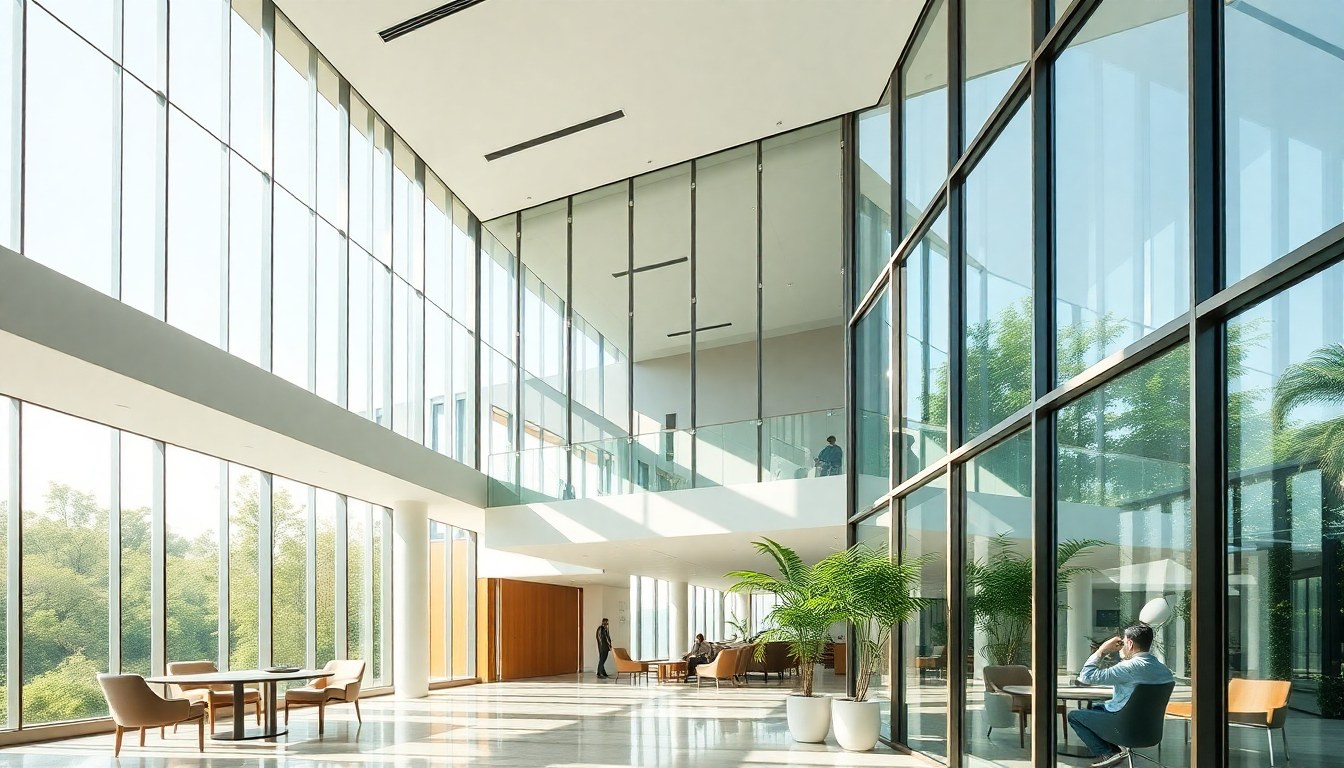
India's intense summer heat makes cooling costs a major household expense, yet most homeowners overlook one of the most effective solutions: low-emissivity (low-E) glass coatings. These microscopically thin metallic layers reflect infrared radiation back outside while allowing visible light to flood your interiors, cutting air-conditioning loads by up to 30% without darkening your spaces. If you're building or renovating in Delhi, Mumbai, Bangalore, or any hot-climate region, understanding low-E glass technology is essential to making informed decisions about windows and glazing.
What Is Low-E Glass Coating?
Low-emissivity glass is standard float glass treated with an ultra-thin coating of metallic oxides—typically silver, tin oxide, or a combination. This coating is so thin (measured in nanometers) that it's invisible to the naked eye, yet it fundamentally changes how glass interacts with thermal energy. The coating works by reflecting long-wave infrared radiation (heat) while remaining transparent to visible light wavelengths.
The term "low-emissivity" refers to the glass's reduced ability to emit thermal radiation. In physics, emissivity is a measure of how readily a surface radiates heat; low-E coatings reduce this value significantly, making them far more efficient than ordinary glass at keeping heat outside during summer and inside during winter.
How the Coating Is Applied
Low-E coatings are applied using two primary methods: sputtering (during manufacturing) or pyrolytic deposition (on-line coating). Sputtering creates harder, more durable coatings ideal for insulating glass units, while pyrolytic coatings are applied in real-time during float-glass production and are extremely robust. Both methods produce coatings only 10–100 nanometers thick—roughly 1/1000th the width of a human hair.
How Low-E Glass Reflects Heat Without Blocking Light
The science lies in the electromagnetic spectrum. Visible light (wavelengths 380–700 nanometers) and infrared heat radiation (wavelengths 700 nanometers to 1 millimeter) are both forms of electromagnetic energy, but they behave differently when encountering low-E coatings. The metallic oxide layer is engineered to be highly reflective to infrared while remaining transparent to visible wavelengths.
When sunlight strikes low-E glass, approximately 60–70% of visible light passes through (allowing natural illumination), while 85–95% of infrared radiation is reflected back outdoors. This selective transmission is the key advantage: you retain daylight and views while rejecting the heat that causes discomfort and inflates cooling bills.
The Role of Emissivity Values
Emissivity is measured on a scale of 0 to 1, where 0 represents a perfect reflector and 1 represents a perfect emitter. Standard clear glass has an emissivity of around 0.84—it readily radiates heat. Quality low-E coatings reduce this to 0.05–0.15, meaning they reflect most thermal energy rather than absorbing and re-emitting it. This dramatic reduction directly translates to lower indoor temperatures and reduced cooling demand.
Types of Low-E Coatings for Different Climates
Not all low-E coatings are identical. Manufacturers produce different formulations optimized for heating-dominated climates versus cooling-dominated climates. For India, where summer cooling is the primary concern, hard-coat (pyrolytic) low-E glass is typically preferred because it balances heat rejection with durability and is less expensive than soft-coat alternatives.
Hard-Coat (Pyrolytic) Low-E
Applied during the float-glass manufacturing process, hard-coat low-E glass is extremely durable and scratch-resistant. It provides good solar heat gain rejection (SHGC of 0.60–0.70) and visible light transmission (VLT) of 65–75%. Hard-coat low-E is ideal for India's tropical and subtropical climates and is widely available through glass suppliers across the country.
Soft-Coat (Sputtered) Low-E
Soft-coat low-E is applied in a vacuum chamber and offers superior thermal performance—SHGC values as low as 0.20–0.30 and VLT up to 80%. However, it's more delicate and must be protected within an insulating glass unit (IGU). Soft-coat is costlier but delivers maximum heat rejection for premium residential and commercial projects. Architects like those at DK Architecture Design in Ahmedabad often specify soft-coat low-E for high-performance building envelopes.
Performance Metrics for Indian Climates
Understanding how low-E glass performs requires familiarity with three key metrics: Solar Heat Gain Coefficient (SHGC), Visible Light Transmittance (VLT), and U-value.
- SHGC (Solar Heat Gain Coefficient): Ranges from 0 to 1; lower values mean more heat rejection. For Indian summers, aim for SHGC of 0.40–0.60 to balance cooling efficiency with daylight.
- VLT (Visible Light Transmittance): The percentage of visible light that passes through. Values of 60–75% are standard; anything below 50% may feel dark indoors.
- U-value (Thermal Transmittance): Measures how much heat flows through the glass. Low-E coatings in IGUs can reduce U-values to 1.5–2.5 W/m²K, compared to 5.8 W/m²K for single clear glass.
In cities like Bangalore and Hyderabad, where summer temperatures exceed 35°C, specifying low-E glass with SHGC ≤ 0.50 can reduce cooling energy by 25–30%. In coastal regions like Mumbai and Kochi, where humidity is high, low-E glass also reduces condensation on interior surfaces by maintaining warmer inner pane temperatures.
Installation and Cost Considerations
Low-E glass is typically installed as part of an insulating glass unit (IGU)—two or more panes with a sealed air or argon gap. The low-E coating is applied to one of the interior surfaces (facing the air gap), protecting it from damage while maximizing thermal performance. Installation is identical to standard IGU installation; no special framing or labor is required.
In India, hard-coat low-E glass costs approximately 15–25% more than standard clear glass, while soft-coat low-E can be 40–60% higher. However, the energy savings over a 10–15 year period typically offset this premium, particularly in hot climates or buildings with significant glazed areas. Interior designers and architects, such as those at Groove Designs in Mumbai's Lower Parel, increasingly recommend low-E glass as a cost-effective sustainability feature.
Return on Investment
A typical residential project in Delhi with 40 square meters of glazing might save ₹8,000–₹12,000 annually on air-conditioning costs by switching to low-E glass. This translates to a payback period of 4–7 years, after which the savings accumulate as pure benefit. Commercial buildings with larger glazed areas and higher cooling loads see even faster returns.
Low-E Glass and Daylighting Design
One common misconception is that low-E glass darkens interiors. In reality, quality low-E coatings maintain 65–80% visible light transmission, preserving the brightness and view quality that make glazed spaces appealing. Architects and interior designers working on projects across India—from residential apartments to office spaces—specify low-E glass precisely because it allows them to maximize daylight while controlling heat.
When combined with strategic window placement, shading devices (overhangs, louvers), and interior finishes that reflect light, low-E glass becomes part of a holistic daylighting strategy. UPSCALE DESIGN STUDIO and similar high-end firms leverage low-E glass to create naturally lit, thermally comfortable interiors that reduce dependence on artificial lighting and mechanical cooling.
Maintenance and Durability
Low-E coatings, particularly hard-coat versions, are extremely durable and require no special maintenance beyond standard window cleaning. The coating is integral to the glass surface and will not degrade, peel, or lose effectiveness over time. Soft-coat low-E, being more delicate, should be protected within sealed IGUs and cleaned with non-abrasive cloths and mild detergents.
In India's dusty and humid climates, regular cleaning (quarterly or semi-annually) ensures optimal light transmission and thermal performance. Hard-coat low-E glass can withstand aggressive cleaning and is ideal for commercial buildings where maintenance access may be limited.
Frequently Asked Questions
Does low-E glass block UV radiation?
Most low-E coatings do not significantly block ultraviolet (UV) radiation—that requires additional UV-blocking films or laminated glass. However, the heat rejection of low-E glass indirectly reduces fading by lowering interior temperatures, which slows photochemical degradation of furnishings. For maximum UV protection, combine low-E glass with UV-blocking interlayers or films.
Can low-E glass be used in single-pane windows?
Technically yes, but it's not recommended. Low-E coatings deliver maximum benefit when used in insulating glass units (IGUs) where the coating faces a sealed air gap. Single-pane low-E glass offers minimal thermal advantage and is rarely specified in modern construction. Always insist on IGUs with low-E coating on the interior-facing surface.
Is low-E glass suitable for north-facing windows in India?
Yes, but the benefit is different. North-facing windows receive minimal direct sun in the Northern Hemisphere (and Southern Hemisphere for south-facing windows). Low-E glass on north-facing windows primarily reduces heat loss during cooler months and maintains interior comfort year-round. In India's climate, even north-facing glazing benefits from low-E treatment because it reduces unwanted heat gain from diffuse sky radiation and reflected sunlight.
How does low-E glass perform in monsoon regions?
Low-E glass performs excellently in monsoon-prone areas like Kerala, Maharashtra, and Goa. The coating reduces condensation on interior surfaces by maintaining warmer inner pane temperatures, which is critical in high-humidity climates. Hard-coat low-E is particularly durable in coastal regions where salt spray and moisture are concerns.
What is the difference between low-E and tinted glass?
Tinted glass (bronze, gray, or green) reduces visible light transmission by absorbing solar radiation, making interiors darker. Low-E glass, by contrast, selectively reflects infrared while transmitting visible light, maintaining brightness. Tinted glass can reach 40–50% VLT and absorbs heat (which can cause thermal stress), while low-E glass maintains 65–80% VLT and reflects heat, making it superior for daylighting and thermal comfort.
Conclusion
Low-E glass coating represents a smart, science-backed investment for any building project in India's hot climate zones. By reflecting infrared radiation while transmitting visible light, low-E coatings reduce cooling loads, lower energy bills, and improve occupant comfort without sacrificing natural daylight or views. Whether you're designing a residential home, office space, or commercial building, specifying hard-coat or soft-coat low-E glass—based on your climate, budget, and performance requirements—is a decision that pays dividends for years to come.
Ready to explore low-E glass options for your project? Visit glassy.in, India's largest glass-business directory, to connect with certified glass suppliers, manufacturers, and design professionals who can recommend and install the right low-E solutions for your specific needs.