
Glass Railings
Glass Railings for Terrace Gardens: Load-Bearing & Safety Standards
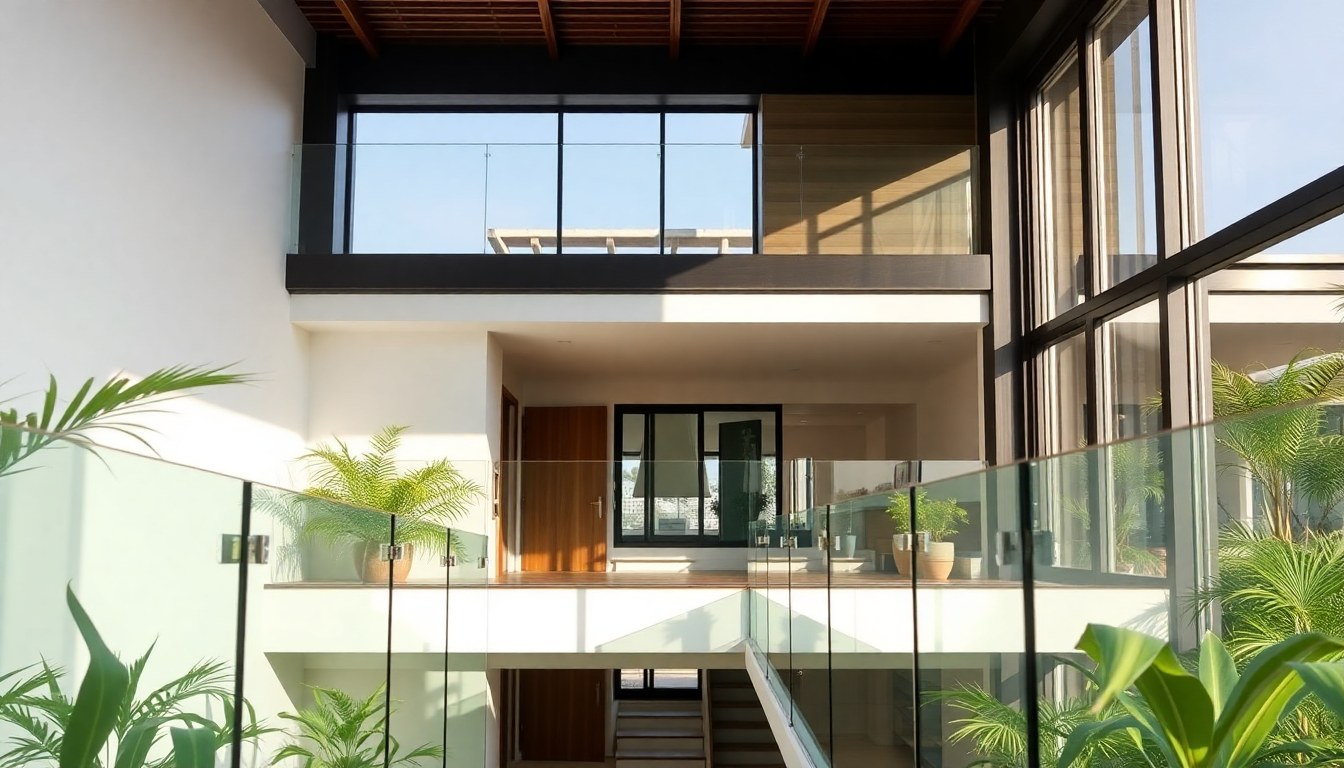
Terrace gardens have become a popular way to maximize green space in Indian urban homes, but they require railings that are both beautiful and structurally sound. Glass railings offer unobstructed views while protecting your plants and family—but choosing the right thickness and installation method is critical. This guide walks you through load-bearing capacity, safety standards, and practical installation tips to ensure your terrace garden railing meets Indian building codes and keeps your investment secure.
Understanding Glass Railing Load-Bearing Capacity
Glass railings for terrace gardens must support not just the weight of the glass itself, but also the dynamic loads from wind, leaning, and the weight of planters and soil. Load-bearing capacity depends on the type of glass, thickness, span length, and how the railing is anchored to the structure.
Tempered glass, the industry standard for railings, is significantly stronger than annealed glass. A 12mm tempered glass panel can typically support point loads of 200–300 kg when properly framed, while a 10mm panel handles 150–200 kg. For terrace gardens with heavy planters, these figures matter enormously. The span (distance between posts) also affects capacity: longer spans require thicker glass or closer post spacing.
Thickness Recommendations by Planter Weight
- Light planters (under 50 kg per panel): 10mm tempered glass is sufficient for spans up to 1.2 meters.
- Medium planters (50–150 kg per panel): 12mm tempered glass recommended for spans up to 1.5 meters.
- Heavy planters (150–300 kg per panel): 12mm or 15mm tempered glass with closer post spacing (under 1 meter) or aluminum frame reinforcement.
- Very heavy setups (over 300 kg): Consult a structural engineer; consider laminated glass or hybrid railing systems.
Always account for live load (moving weight) and dead load (static weight). A planter that weighs 80 kg when dry will weigh 120 kg after watering—plan your railing thickness accordingly.
Indian Safety Standards and Building Codes
India does not have a single unified national building code, but most states follow guidelines based on the National Building Code of India (NBC) 2016 or state-specific regulations. These codes mandate minimum railing heights, load-bearing thresholds, and safety margins for balconies and terraces.
Key requirements include:
- Railing height: Minimum 1.1 meters (3.6 feet) from the floor level for residential terraces.
- Horizontal load: Railings must withstand a minimum horizontal load of 1.5 kN (150 kg force) applied anywhere along the rail.
- Vertical load: A minimum vertical load of 3.6 kN (360 kg) must be safely distributed without failure.
- Glass type: Tempered or laminated glass is mandatory; annealed glass is not permitted.
- Baluster spacing: Openings must not exceed 100mm (4 inches) to prevent children from passing through.
Many states like Maharashtra, Karnataka, and Delhi have adopted these standards in their municipal building bye-laws. Before installation, check with your local municipal corporation or housing society for specific requirements—some societies impose stricter rules.
Choosing the Right Glass Type for Terrace Gardens
Three main glass types are used for terrace railings in India: tempered glass, laminated glass, and laminated tempered glass. Each offers different benefits for garden environments.
Tempered Glass
Tempered glass is heat-treated to increase strength (about 5 times stronger than annealed glass). If broken, it shatters into small, relatively harmless granules. It's the most economical choice for terrace railings and performs well in most weather conditions. Cost typically ranges from ₹1,200 to ₹2,000 per square meter, depending on thickness and location in India.
Laminated Glass
Laminated glass consists of two or more glass panes bonded with a polyvinyl butyral (PVB) interlayer. If broken, the interlayer holds the glass together, preventing sharp fragments from falling. This is essential if your terrace is above public areas or if safety is a top concern. Laminated glass costs ₹2,500 to ₹4,500 per square meter but offers superior safety and sound insulation.
Laminated Tempered Glass
Combining both technologies, laminated tempered glass offers maximum strength and safety. It's ideal for high-wind areas or terraces in coastal regions where salt spray and wind loads are significant concerns. Expect to pay ₹3,500 to ₹5,500 per square meter.
For terrace gardens in India's tropical climate, laminated glass is preferable because it reduces UV damage to plants (the interlayer filters some UV rays) and prevents glass shards from contaminating soil if breakage occurs.
Planter Attachment Methods and Structural Integrity
How you attach planters to your glass railing is just as important as the glass thickness itself. Poor attachment can lead to railing failure, plant loss, and safety hazards.
Safe Planter Mounting Techniques
- Planter boxes on the floor: The safest method. Place heavy planters on the terrace floor beside the railing rather than hanging from or leaning against the glass. This eliminates lateral stress on the glass.
- Aluminum frame attachment: Use stainless steel or aluminum brackets bolted to the railing's aluminum frame, not directly to the glass. Brackets should be designed to distribute weight evenly and should not impose point loads on a single glass panel.
- Suction cup hangers: Only suitable for very light planters (under 5 kg). These are unreliable for anything heavier and should never be used in windy areas or with frequent watering.
- Wire or rope suspension: Attach to the top rail or frame structure, never to the glass. Ensure suspension hardware is rated for the planter weight plus 50% safety margin.
Avoid drilling holes directly into tempered glass—this will cause immediate failure. All attachments must go through the frame or use external brackets. If you need to attach planters, consult with your railing installer or a professional like ACE Interiors - Abids who can design safe mounting solutions specific to your setup.
Wind Resistance and Weather Considerations
Terrace gardens in India face varying wind loads depending on location and season. Coastal areas, high-rise buildings, and exposed terraces experience significantly higher wind pressure than sheltered locations. The Indian Standard IS 875 (Code of Practice for Design Loads for Buildings and Structures) specifies wind pressure calculations based on region and building height.
Wind pressure increases with height: a terrace on the 10th floor experiences 2–3 times more wind force than ground-level terraces. For high-rise terraces, your glass railing should be designed for wind speeds up to 55 m/s (198 km/h) in cyclone-prone regions, or 45 m/s (162 km/h) in moderate wind zones.
Weather-Related Maintenance
Glass railings in terrace gardens are exposed to UV radiation, moisture, and temperature fluctuations. Laminated glass provides better UV protection for your plants. Ensure that aluminum frames have proper drainage holes to prevent water pooling and corrosion. In coastal areas, use marine-grade stainless steel hardware and consider powder-coated aluminum frames for better salt resistance.
Regular cleaning (every 2–3 weeks) prevents algae buildup and maintains visibility. Use mild soap and water; avoid abrasive cleaners that can scratch the glass or degrade aluminum coatings.
Working with Architects and Designers in India
For complex terrace garden setups, engaging a professional architect or interior designer is worthwhile. They can assess your terrace's structural capacity, calculate load-bearing requirements, and ensure compliance with local building codes. Firms like PRAGH ARCHITECTS and QuadCore Creations have experience designing custom glass railings for residential terraces across Indian cities.
A professional assessment typically costs ₹5,000 to ₹15,000 but can save you from costly mistakes. They will also help you source quality materials from reputable suppliers. Dhanalakshmi Glass, Plywood & Hardware and Glass innovations are established dealers across India who can supply tempered and laminated glass to specification.
Frequently Asked Questions
What is the minimum glass thickness for a terrace garden railing in India?
The minimum recommended thickness is 10mm tempered glass for light loads (under 50 kg per panel) with spans up to 1.2 meters. For most terrace gardens with planters, 12mm tempered glass is the practical standard. Always verify local building codes, as some states may have different requirements.
Can I attach heavy planters directly to a glass railing?
No. Direct attachment to glass panels will cause failure. Heavy planters should sit on the terrace floor beside the railing. If you want planters on the railing, use aluminum frame-mounted brackets rated for the weight, and keep planters under 20 kg per attachment point.
Is laminated glass worth the extra cost for a terrace garden?
Yes, especially if your terrace is above public areas, if you live in a high-wind zone, or if UV protection for plants matters to you. Laminated glass costs 30–50% more but provides superior safety, sound insulation, and better plant protection from excessive sunlight.
How often should I maintain my glass railing?
Clean the glass every 2–3 weeks with mild soap and water to prevent algae and mineral buildup. Inspect aluminum frames and hardware quarterly for corrosion, especially in coastal areas. Check for loose bolts or brackets annually.
Do I need a structural engineer's approval for a terrace garden railing?
For most residential terraces with light to medium planter loads, a qualified railing installer's design is sufficient. However, for high-rise buildings, very heavy loads, or complex designs, a structural engineer's stamp is advisable and may be required by your local authority.
Choosing the right glass railing for your terrace garden is an investment in both safety and aesthetics. By understanding load-bearing capacity, following Indian safety codes, and using proper installation methods, you can create a beautiful garden space that's secure for years to come. Explore the glassy.in directory to connect with certified glass dealers, architects, and interior designers near you who specialize in terrace solutions.