
Glass Railings
Glass Balcony Railings: Safety Standards, Design Trends & Installation in 2026
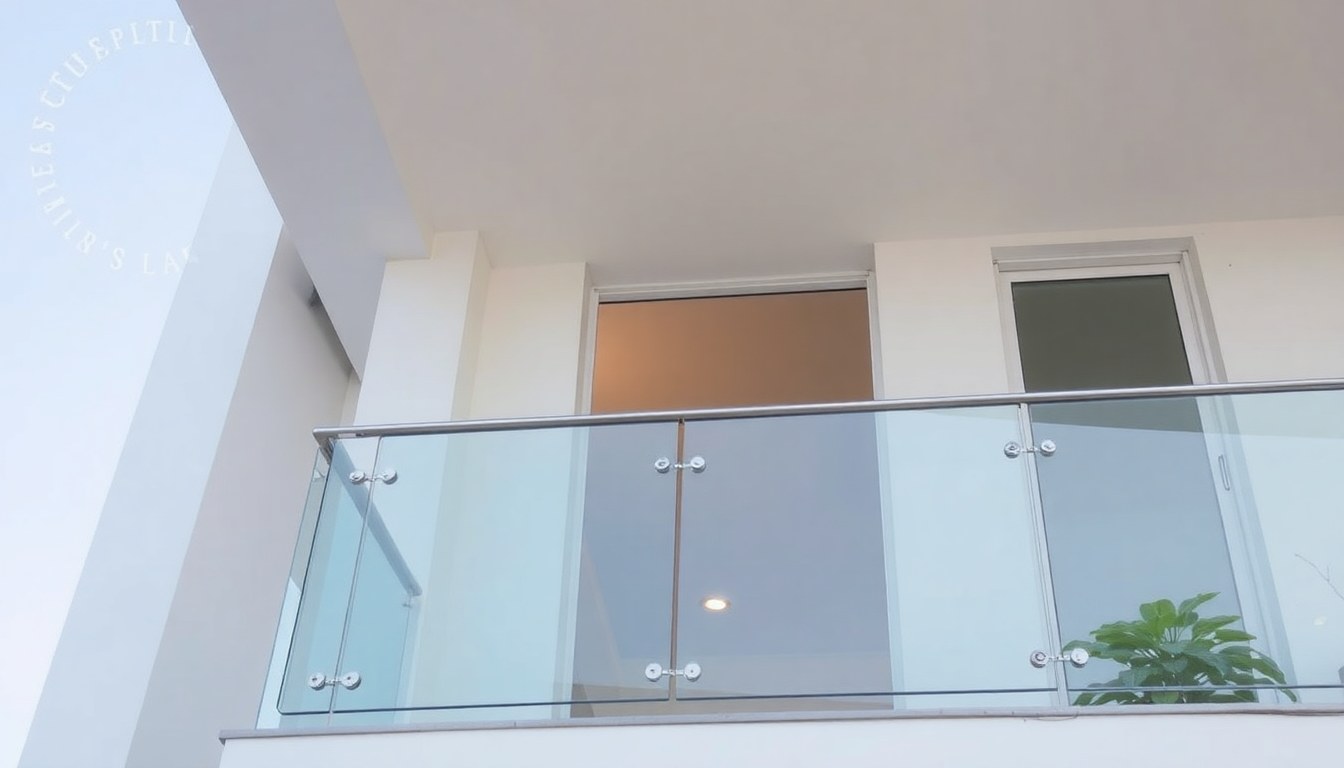
Glass balcony railings have become the hallmark of contemporary Indian architecture, offering unobstructed views while maintaining safety compliance. Whether you're renovating a high-rise in Mumbai, a villa in Bangalore, or a residential complex in Delhi, understanding the latest safety standards, design options, and installation practices is essential for making informed decisions. This guide covers everything you need to know about glass railings in 2026.
Indian Safety Standards for Glass Balcony Railings
Safety is the foundation of any balcony railing system. In India, glass railings must comply with the National Building Code (NBC) 2016 and relevant Bureau of Indian Standards (BIS) specifications. The NBC mandates that balcony railings must be at least 1.1 meters (3.6 feet) high from the finished floor level, with specific requirements for load-bearing capacity and glass thickness.
The primary standard governing glass railings is IS 6533:2018 - Code of Practice for Installation of Glazing in Buildings. This standard specifies that tempered or laminated glass must be used for balcony railings, never annealed glass. Tempered glass is heat-treated to be four to five times stronger than standard glass, while laminated glass holds together if broken, preventing sharp fragments from causing injury.
Minimum Glass Thickness and Load Requirements
For balcony railings, the minimum glass thickness is typically 12mm (toughened) or 10mm + 10mm (laminated). The railing must withstand a horizontal load of 1.5 kN (kilonewtons) applied at any point along the top rail without deflecting more than 6mm. This ensures the railing can handle accidental impacts from people leaning or pushing against it.
In high-wind zones (coastal areas like Goa, Kerala, or Mumbai), stricter specifications apply. Glass railings in these regions may require thicker panels or additional bracing. Always consult local municipal building bylaws, as cities like Pune, Hyderabad, and Kolkata may have additional requirements beyond the NBC.
Safety Testing and Certification
Before installation, glass panels should carry BIS certification or international equivalents (CE marking). Reputable manufacturers provide test certificates confirming the glass meets impact resistance and load-bearing standards. Request these certificates from your supplier—they're your assurance of compliance and quality.
Modern Design Trends in Glass Railings for 2026
Glass railings have evolved beyond simple transparent panels. Today's designs blend functionality with aesthetic sophistication, reflecting broader trends in minimalist and sustainable architecture across Indian metros and tier-2 cities.
Frameless Glass Railings
Frameless designs have dominated the premium segment since 2023 and continue to lead in 2026. These railings use structural silicone sealants and minimal metal components, creating an almost invisible barrier that maximizes views and light. Frameless systems are ideal for properties with scenic vistas—think Mumbai's seafront apartments or Bangalore's tech parks overlooking the city.
The frameless approach requires precision engineering and skilled installation. Costs typically range from ₹3,500 to ₹6,500 per running meter, depending on glass thickness and location. While more expensive than framed options, the visual impact and property value enhancement often justify the investment.
Semi-Framed and Aluminum-Framed Options
Semi-framed railings use minimal aluminum frames (usually 40-50mm profiles) at the top and bottom, offering a balance between aesthetics and structural simplicity. These are popular in mid-range residential projects and cost ₹2,000 to ₹3,500 per running meter. Aluminum frames are lightweight, corrosion-resistant, and easier to install than frameless systems.
Powder-coated aluminum in matte black, bronze, or stainless steel finishes aligns with 2026 design trends favoring warm metallics and earthy tones. Stainless steel frames, while more expensive (₹4,000–₹5,500 per meter), are ideal for coastal properties where corrosion resistance is critical.
Tinted and Patterned Glass
Beyond clear glass, tinted options—such as bronze, gray, or green—are gaining traction. These reduce heat gain (important in Indian climates) and add visual interest. Patterned or frosted glass sections are also used for privacy in balconies overlooking adjacent properties. Costs for tinted or patterned glass are typically 15-25% higher than clear glass.
Frameless vs. Framed Glass Railings: A Comparison
Choosing between frameless and framed railings depends on budget, design preference, maintenance capacity, and local climate. Here's a detailed comparison:
Frameless Glass Railings
- Aesthetics: Seamless, modern, unobstructed views
- Maintenance: Requires regular cleaning (fingerprints visible on all sides)
- Cost: ₹3,500–₹6,500 per running meter
- Installation: Requires specialized expertise and longer timelines (10-15 days per balcony)
- Durability: Silicone sealants may need resealing every 5-7 years in harsh climates
- Best for: Premium properties, scenic locations, architects prioritizing minimalism
Framed Glass Railings (Aluminum or Stainless Steel)
- Aesthetics: Contemporary, clean lines with visible frames
- Maintenance: Easier—frames hide dust; less frequent cleaning needed
- Cost: ₹2,000–₹3,500 per running meter (aluminum); ₹4,000–₹5,500 (stainless steel)
- Installation: Faster and simpler (5-7 days per balcony)
- Durability: Frames protect glass edges; longer lifespan in coastal areas
- Best for: Budget-conscious projects, high-maintenance environments, residential complexes
Installation Best Practices and Process
Proper installation is critical for safety and longevity. The process involves several stages, from site assessment to final inspection.
Pre-Installation Assessment
Before work begins, inspect the balcony structure for cracks, water seepage, or structural damage. Any defects must be repaired first. Measure the balcony accurately—errors here lead to costly rework. Check for level surfaces; uneven balconies require shimming or adjustments to ensure the railing sits perfectly vertical.
Installation Steps
- Surface Preparation: Clean the balcony edge and mounting surface thoroughly. Remove old sealants if replacing existing railings.
- Fixing Base Rails: Install base channels or fixing plates using expansion anchors or adhesive anchors into concrete. Spacing should not exceed 600mm between anchors.
- Glass Panel Installation: Carefully position glass panels into channels or frames. For frameless systems, apply structural silicone sealant (typically polyurethane or silicone-based) to the bottom and sides of the glass.
- Top Rail Fixing: Secure the top rail or cap using stainless steel fasteners. Ensure no gaps remain between glass and frame.
- Sealing and Finishing: Apply weatherproof sealants to all joints. Allow silicone to cure fully (typically 48-72 hours) before exposing the railing to water or load.
Post-Installation Inspection
After installation, verify that the railing meets all safety standards. Check for proper alignment, secure fastening, and complete sealing. A pressure test (applying 1.5 kN horizontal load) should be conducted to confirm load-bearing capacity. Document all work with photographs and certificates for future reference and warranty claims.
Cost Considerations and Budget Planning
Glass balcony railing costs in India vary widely based on location, design complexity, and material quality. A typical residential balcony (10-15 running meters) may cost between ₹30,000 and ₹1,00,000 or more.
Factors affecting cost include glass type (clear, tinted, laminated, or tempered), frame material (aluminum, stainless steel, or frameless), labor rates in your city, and site accessibility. Coastal properties often incur 15-20% premium due to stricter specifications for wind and salt resistance.
When budgeting, allocate 10-15% contingency for unforeseen repairs or adjustments. Obtain quotes from at least three certified installers and verify their experience with similar projects. Cheaper quotes may indicate shortcuts on materials or safety compliance—avoid them.
Maintenance Tips for Long-Lasting Glass Railings
Proper maintenance extends the lifespan of glass railings and preserves their appearance. Clean glass panels regularly with a glass cleaner and soft cloth to prevent mineral deposits and fingerprints. In coastal areas, rinse with fresh water monthly to remove salt residue.
Inspect sealants annually, especially in frameless systems. Silicone sealants degrade over time due to UV exposure and weather. If you notice cracks or separation, have them resealed promptly to prevent water ingress and structural compromise. Check fasteners and tighten any that have loosened due to vibration or settling.
Frequently Asked Questions
What is the minimum height for a glass balcony railing in India?
According to the National Building Code (NBC) 2016, the minimum height for a balcony railing is 1.1 meters (3.6 feet) measured from the finished floor level. This applies to all residential and commercial balconies to prevent accidental falls.
Is tempered or laminated glass better for balcony railings?
Both are safe and code-compliant, but they serve different purposes. Tempered glass is stronger and more economical, breaking into small, harmless granules if shattered. Laminated glass holds together when broken, providing additional safety by preventing sharp fragments from scattering. Many installers use laminated glass for added peace of mind, especially in homes with children.
How much does a glass balcony railing cost in India?
Costs range from ₹2,000 to ₹6,500 per running meter, depending on design and materials. Frameless systems are the most expensive (₹3,500–₹6,500), while aluminum-framed options are more affordable (₹2,000–₹3,500). For a typical 12-meter balcony, expect a total cost between ₹25,000 and ₹80,000.
How long does glass railing installation take?
Framed systems typically take 5-7 days per balcony, while frameless installations require 10-15 days due to the precision involved. Timeline also depends on balcony size, site conditions, and weather. Always allow 48-72 hours for silicone sealant curing before using the balcony.
Do glass railings require regular maintenance?
Yes, regular maintenance ensures safety and longevity. Clean glass panels monthly with glass cleaner. Inspect sealants annually and reseal if cracks appear. In coastal areas, rinse railings with fresh water monthly to prevent salt corrosion. Frameless systems require more frequent cleaning due to visible fingerprints on all sides.
Conclusion: Choose Quality and Safety
Glass balcony railings enhance modern homes while meeting strict Indian safety standards. Whether you opt for frameless minimalism or practical framed systems, prioritize certified materials, skilled installation, and regular maintenance. Connect with experienced installers and glass suppliers through India's trusted glass business directory to find the perfect railing solution for your property. Your balcony deserves both beauty and security.
Looking for reliable glass railing suppliers and installers near you? Browse verified professionals on glassy.in, India's largest glass-business directory, and get quotes from trusted experts in your city today.