
Glass Railings
Glass Staircase Railings: Load Capacity, Safety Standards & Installation
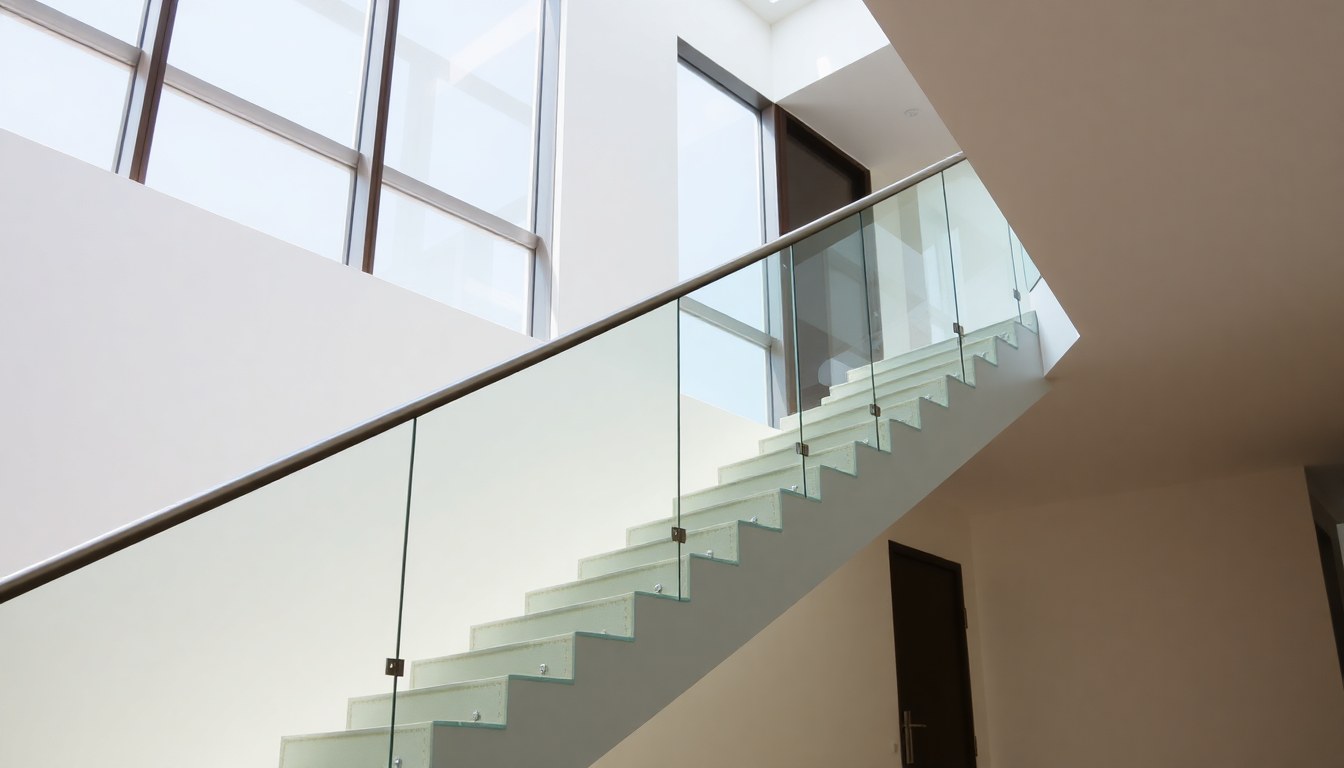
Glass staircase railings transform any home's aesthetic appeal while maintaining sightlines and natural light flow. However, beauty alone isn't enough—your railing must safely support weight, resist impact, and comply with Indian building codes. This guide walks you through thickness requirements, material selection, IS standards, and installation best practices to ensure your glass railing is both stunning and secure.
Understanding Indian Safety Standards for Glass Railings
India's building safety framework for glass railings is governed primarily by the Indian Standards (IS) code system, specifically IS 6533-1989 (Code of Practice for Safety Requirements for Glass in Buildings) and IS 13830-1993 (Code of Practice for Use of Glass in General Building Construction). These standards define structural requirements, material grades, and installation protocols that protect occupants from glass failure, sharp edges, and impact injuries.
State building bylaws and the National Building Code of India (NBC) further reinforce these standards. Most urban areas in India—Delhi, Mumbai, Bangalore, Hyderabad, and Pune—mandate compliance with these IS codes during construction approval and occupancy certification. Non-compliance can result in construction delays, fines, and safety liability. Therefore, consulting with a certified structural engineer or experienced glass supplier before installation is essential.
Key IS Code Requirements
- IS 6533-1989: Specifies tempered glass thickness (minimum 8–10 mm for railings), edge safety standards, and performance under wind and impact loads.
- IS 13830-1993: Covers laminated glass, glazing methods, sealant durability, and maintenance protocols.
- NBC Guidelines: Mandate balustrade height (minimum 1.1 m for stairs), spacing between balusters (maximum 100 mm), and load-bearing capacity (minimum 1.2 kN/m horizontal load).
Glass Thickness and Load Capacity Explained
The thickness of your glass railing directly impacts its load-bearing capacity and safety margin. Thicker glass resists bending, impact, and thermal stress better than thinner variants. For residential staircase railings in India, the industry standard is 10–12 mm tempered glass, which balances safety, cost, and aesthetics.
A 10 mm tempered glass railing can safely support a horizontal load of approximately 1.2–1.5 kN/m (roughly 120–150 kg per linear meter), which exceeds the NBC minimum requirement of 1.2 kN/m. If your staircase experiences heavy foot traffic or you have children or elderly residents, upgrading to 12 mm tempered glass provides a safety buffer and reduces flex under pressure. Laminated glass of the same thickness offers similar load capacity but with added shatter resistance.
Thickness Guidelines by Application
- 8 mm: Acceptable for commercial office railings with light use; not recommended for residential stairs.
- 10 mm: Standard for residential staircases; meets NBC requirements and offers good durability.
- 12 mm: Premium choice for high-traffic stairs, multi-story buildings, or homes with young children.
- Laminated (10+10 mm): Two 10 mm panes bonded with polyvinyl butyral (PVB) interlayer; provides impact resistance and prevents glass shards from scattering if breakage occurs.
Tempered Glass vs. Laminated Glass: Which Should You Choose?
Both tempered and laminated glass are safe for railings, but they offer different benefits. Tempered glass is heated and rapidly cooled to create internal compression, making it four to five times stronger than annealed glass. When tempered glass breaks, it shatters into small, relatively harmless granules rather than sharp shards. This property makes it ideal for railings where occupants might contact the glass directly.
Laminated glass consists of two or more glass panes bonded together with an interlayer, typically polyvinyl butyral (PVB). If laminated glass cracks, the interlayer holds the fragments in place, preventing them from falling and causing injury. Laminated glass also offers superior sound insulation and UV protection, making it better for homes near highways or in sunny climates like Hyderabad, Bangalore, and Delhi.
Comparison Table: Tempered vs. Laminated
- Tempered Glass: Lower cost (₹1,200–₹1,800 per square meter), faster installation, excellent clarity, cannot be cut or modified after tempering.
- Laminated Glass: Higher cost (₹2,000–₹3,500 per square meter), superior safety in impact scenarios, sound dampening, can be custom-cut before lamination.
- Best for Residential Stairs: Laminated glass if budget allows; tempered glass is acceptable and widely used.
- Maintenance: Both require regular cleaning with mild soap and water; avoid abrasive cleaners that scratch the surface.
For Indian homes, tempered glass remains the most popular choice due to cost-effectiveness and proven safety performance. However, if your staircase is in a high-impact zone (e.g., near a children's play area or a busy hallway), laminated glass is worth the premium investment.
Balustrade Spacing and Design Standards
The NBC and IS codes specify strict spacing requirements to prevent children from getting stuck or falling through gaps. The maximum spacing between vertical balusters (or between the glass and frame) must not exceed 100 mm. This dimension ensures that a child's head cannot pass through, significantly reducing entrapment and fall risks.
For glass railings, this typically means using vertical glass panels with horizontal stainless steel or aluminum frames spaced no more than 100 mm apart, or installing additional vertical supports within the glass panel. The balustrade height must be at least 1.1 meters from the stair tread, measured vertically. This height prevents accidental falls and meets NBC guidelines for residential buildings.
Design Considerations
- Frameless Design: Minimalist glass railings without visible frames require thicker glass (12 mm) and precision installation; more expensive but visually striking.
- Framed Design: Aluminum or stainless steel frames with 10 mm glass panels; cost-effective and easier to maintain spacing compliance.
- Handrails: A wooden or metal handrail mounted at 900–950 mm height improves usability and is often required by building codes for stairs with more than four steps.
Step-by-Step Installation Process
Proper installation is crucial for safety and longevity. Begin by measuring your staircase precisely, accounting for the thickness of the glass and frames. Mark mounting points on the stair stringers (the angled support beams) and landing walls using a spirit level to ensure vertical alignment.
Use stainless steel or galvanized mounting brackets rated for at least 1.5 times the calculated load. Secure brackets to the stair structure using chemical anchors or expansion bolts, depending on whether you're mounting to concrete or masonry. Glass panels should be installed with rubber or silicone gaskets at the frame edges to absorb vibration and prevent stress concentration. All sealants and gaskets must be weather-resistant and UV-stable, especially for staircases near windows or exterior walls.
Installation Checklist
- Obtain building approval and structural engineer's certification for your railing design.
- Verify glass thickness, tempering certification, and IS compliance documentation from the supplier.
- Measure staircase dimensions and mark mounting points with precision.
- Install mounting brackets using appropriate fasteners and ensure vertical/horizontal alignment.
- Position glass panels with gaskets and secure using stainless steel clamps or frames.
- Inspect spacing between balusters and ensure no gaps exceed 100 mm.
- Test load capacity by applying horizontal pressure; the railing should not flex more than 6 mm.
- Seal all joints with silicone sealant (100% silicone, not acrylic) and allow 48 hours curing time.
- Clean glass with mild soap and water; avoid aggressive chemicals.
- Document installation with photos and retain supplier certificates for warranty and compliance records.
Hiring a certified installer with experience in glass railings is strongly recommended. In cities like Mumbai, Delhi, Bangalore, and Pune, many glass fabricators offer turnkey installation services with warranties and compliance guarantees. The installation cost typically ranges from ₹3,000 to ₹8,000 per linear meter, depending on glass type, frame material, and complexity.
Maintenance and Long-Term Safety
Glass railings require minimal maintenance but benefit from regular inspection. Clean the glass monthly with a soft cloth and mild detergent to prevent dust buildup and maintain clarity. Check silicone sealants annually; if cracks or gaps appear, reseal immediately to prevent water ingress, which can corrode frames and weaken the structure.
Inspect mounting brackets and fasteners every two years, especially in coastal areas where salt air accelerates corrosion. Tighten any loose bolts and replace corroded hardware with stainless steel equivalents. If you notice cracks in the glass, discoloration in the interlayer (laminated glass), or persistent flexing, contact your supplier immediately for assessment and replacement.
Frequently Asked Questions
Is 8 mm glass safe for staircase railings in India?
While 8 mm tempered glass meets some commercial standards, the Indian National Building Code and IS 6533-1989 recommend minimum 10 mm thickness for residential staircase railings. The 2 mm difference significantly improves load capacity and safety margin, especially for homes with children or heavy use. Using 8 mm glass may complicate building approval in many Indian cities.
Can I use annealed (non-tempered) glass for railings?
No. Annealed glass is not permitted for railings under Indian safety standards. When annealed glass breaks, it produces large, sharp shards that pose severe injury risk. Tempered or laminated glass is mandatory because they either break into harmless granules (tempered) or remain bonded in place (laminated), protecting occupants from cuts and falls.
What is the cost of glass staircase railings in India?
Costs vary by location, glass type, and design. Tempered glass railings typically cost ₹2,000–₹4,000 per square meter, while laminated glass ranges from ₹3,500–₹6,000 per square meter. Installation adds ₹3,000–₹8,000 per linear meter. A typical residential staircase (2 meters long, 1.2 meters high) costs between ₹25,000 and ₹60,000 fully installed. Prices are higher in metropolitan areas like Mumbai and Delhi.
Do glass railings require building permission in India?
Yes. Glass railings are structural elements and must comply with your state's building bylaws and the National Building Code. You need approval from your local municipal corporation or building authority before installation. The approval process typically requires structural drawings, material certifications (IS compliance), and engineer's sign-off. Skipping this step can lead to occupancy denial and legal liability.
How do I ensure the spacing between balusters meets the 100 mm rule?
Measure the gap between vertical elements (glass panels, frames, or additional balusters) at multiple points along the railing. Use a 100 mm gauge (a simple card or template) to verify no gap exceeds this limit. During installation, use spacers or shims to maintain consistent spacing. Your installer should provide documentation confirming compliance, which is essential for building approval and safety certification.
Conclusion
Glass staircase railings combine aesthetic elegance with safety when designed and installed according to Indian standards. Choose 10–12 mm tempered or laminated glass, ensure balustrade spacing doesn't exceed 100 mm, verify compliance with IS codes and the National Building Code, and hire experienced installers. Regular maintenance and periodic inspections keep your railing safe and beautiful for decades. Ready to upgrade your staircase? Explore trusted glass suppliers and certified installers on glassy.in, India's largest glass-business directory, to find the right partner for your project.