
Glass Railings
Glass Railing Safety Standards in India: What Architects Need to Know
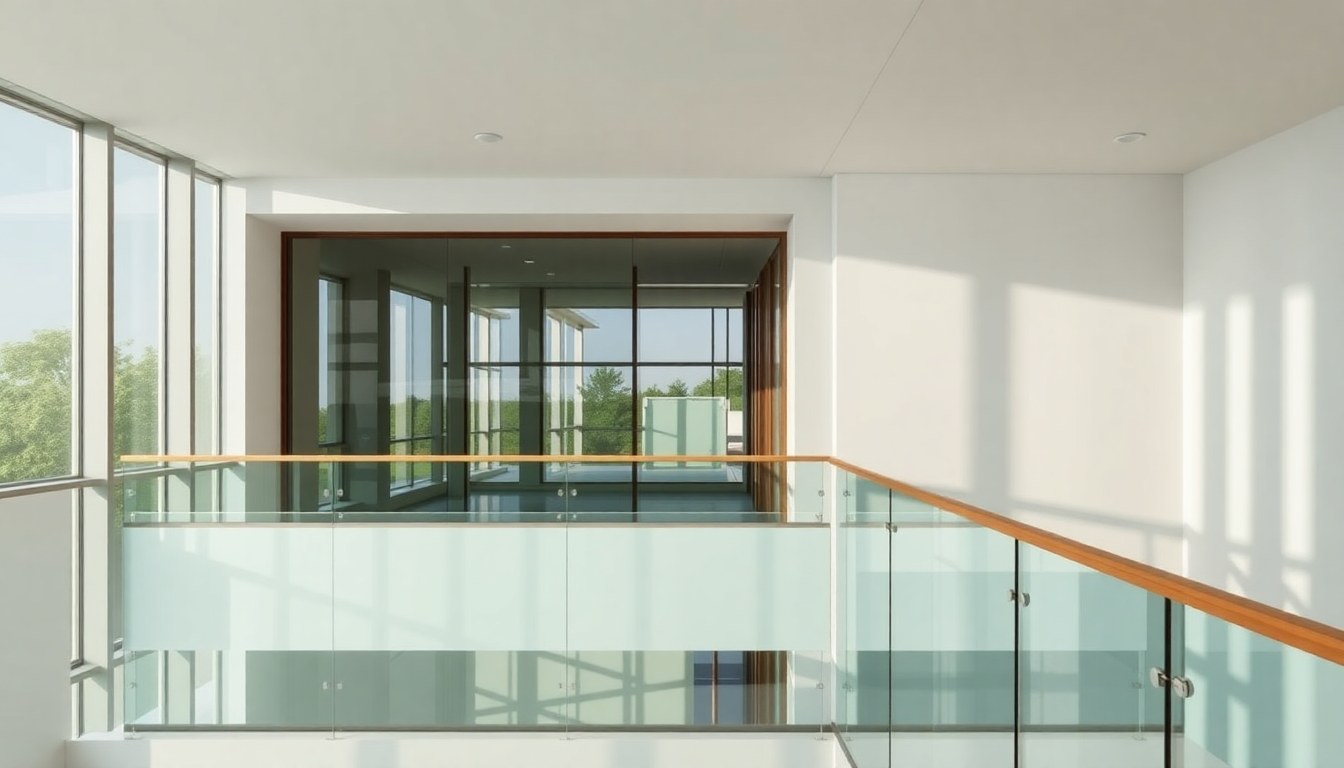
Glass railings have become a hallmark of modern Indian architecture, offering unobstructed views while maintaining structural integrity. However, their installation is governed by rigorous Indian Standards (IS codes) that architects must strictly follow to ensure occupant safety and legal compliance. This guide walks you through the critical safety standards—IS 4099 and IS 12216—that regulate glass balustrades on staircases, balconies, and mezzanines across India.
Understanding the Core Indian Standards for Glass Railings
The primary standards governing glass railings in India are IS 4099:2017 (Code of Practice for Glass in Buildings) and IS 12216:2015 (Safety of Glass in Buildings—Design, Selection and Installation). These codes establish minimum requirements for material selection, installation, load capacity, and safety measures to prevent accidents and injuries.
IS 4099 focuses on the general use of glass in building construction, while IS 12216 specifically addresses safety considerations, including impact resistance, thermal stress, and edge treatment. Together, they form the backbone of glass railing design in India and are recognized by the Indian Institute of Architects (IIA) and the Council of Architecture (CoA).
Why These Standards Matter
Glass railings experience constant environmental stress—thermal fluctuations, wind loads, human impact, and structural vibrations. Without proper standards compliance, railings can fail catastrophically, leading to falls, injuries, and legal liability. Architects who ignore these codes risk project rejection by municipal authorities and exposure to civil and criminal liability.
IS 4099:2017 — Code of Practice for Glass in Buildings
IS 4099 is a comprehensive code that covers glass selection, thickness, edge treatment, and installation methods. For railings, this standard mandates specific glass types and thicknesses based on the application and exposure conditions.
Glass Type and Thickness Requirements
According to IS 4099, glass railings must use either:
- Tempered (Toughened) Glass: Minimum 10 mm thickness for standard applications; 12 mm for high-traffic or exposed areas.
- Laminated Glass: Minimum 6 mm (3 mm + 3 mm) with PVB interlayer; preferred for safety as it resists shattering.
- Laminated Tempered Glass: 10–12 mm tempered panes with laminated interlayer for maximum safety in critical zones.
The choice depends on the railing's location, expected impact loads, and environmental exposure. Balconies in coastal areas, for instance, may require thicker or laminated glass to withstand salt spray and wind loads.
Edge Treatment Standards
IS 4099 requires all glass edges to be properly finished to prevent cuts and injuries. Acceptable edge treatments include:
- Polished edges (for visible, high-touch areas)
- Arrissed edges (chamfered at 45°)
- Beveled edges (for aesthetic applications)
- Seamed edges (for laminated glass)
Raw, unfinished edges are strictly prohibited. This requirement applies to all exposed glass surfaces, including the top edge of the railing and any cut-outs.
IS 12216:2015 — Safety of Glass in Buildings
IS 12216 is the safety-specific standard that architects must prioritize. It defines impact resistance, load-bearing capacity, and installation protocols for glass in load-bearing and safety-critical applications.
Impact Resistance and Classification
IS 12216 classifies glass railings into three safety levels based on impact resistance:
- Level A (Low Risk): Interior railings in low-traffic areas; 6 mm tempered glass acceptable.
- Level B (Medium Risk): Standard balconies, staircases, and mezzanines; minimum 10 mm tempered or 6 mm laminated glass.
- Level C (High Risk): Exposed balconies, sports facilities, and high-traffic public spaces; minimum 12 mm tempered or 10 mm laminated glass.
The standard also mandates that glass must withstand a 1,200 mm drop of a 50 kg bag without breaking (for tempered glass) or shattering into the interior space (for laminated glass).
Load-Bearing Requirements
Glass railings must support a horizontal load of 1.2 kN/m² (approximately 122 kg/m²) applied at the top rail, as per IS 12216. This simulates the force of a person leaning or falling against the railing. The glass panel must not deflect more than 6 mm under this load, and the supporting frame must not exceed 10 mm deflection.
For balconies and mezzanines where occupancy is high, some architects design for higher loads (1.5–2.0 kN/m²) to ensure additional safety margins.
Installation and Compliance Checklist for Architects
Proper installation is as critical as material selection. Many railing failures occur due to inadequate fixing, poor frame design, or environmental oversight. Use this checklist when specifying glass railings in your projects:
Design Phase
- Determine the risk level (A, B, or C) based on location and occupancy.
- Select appropriate glass type and thickness per IS 4099 and IS 12216.
- Specify edge treatment (polished or arrissed minimum).
- Design the supporting frame (aluminum, stainless steel, or mild steel with corrosion protection) to handle 1.2 kN/m² load plus dead load.
- Include thermal expansion calculations (especially for outdoor railings in hot climates like Delhi or Mumbai).
- Specify sealant type (silicone or polyurethane, UV-resistant).
Installation Phase
- Ensure all glass edges are finished per IS 4099 before installation.
- Use certified glaziers trained in IS 12216 protocols.
- Install glass with proper spacing (typically 6–10 mm) in the frame to allow for thermal movement.
- Apply structural sealant (not aesthetic sealant) to bond glass to frame.
- Verify that the frame is plumb, level, and securely anchored to the building structure.
- Conduct load testing (at least visual inspection and deflection measurement) before handover.
- Obtain a compliance certificate from the glazing contractor.
Post-Installation
- Document all specifications and test reports in the building's O&M manual.
- Schedule annual inspections for sealant degradation, frame corrosion, or glass damage.
- Ensure maintenance staff are trained on safe railing inspection and repair protocols.
Common Compliance Pitfalls and How to Avoid Them
Many Indian projects fail compliance audits due to preventable oversights. Here are the most common issues:
Using Non-Tempered Glass: Annealed glass (ordinary float glass) is not permitted for railings because it shatters into sharp fragments. Always specify tempered or laminated glass explicitly in drawings and specifications.
Inadequate Glass Thickness: Some contractors cut costs by installing 6 mm glass where 10 mm is required. Verify glass thickness on-site using a caliper or by requesting mill certificates from the glass supplier.
Poor Frame Design: Frames must be engineered to carry the combined load of the glass and the 1.2 kN/m² impact load. Many architects underestimate frame requirements, leading to excessive deflection and railing failure. Engage a structural engineer to design the frame.
Improper Sealant Application: Using weather-sealing silicone instead of structural sealant is a frequent mistake. Structural sealant is essential to bond glass to frame and prevent water ingress. Specify the sealant type and thickness in your specifications.
Missing Thermal Expansion Allowance: In India's hot climates, glass expands significantly. Railings installed in Rajasthan or Gujarat must account for 10–15 mm expansion over a year. Failure to do so can cause sealant failure or glass breakage.
Regional Considerations for Indian Climates
India's diverse climate zones demand tailored railing designs. Saaz Homez Interior, based in Greater Noida, specializes in climate-responsive glass solutions for residential and commercial projects across Northern India.
Coastal Regions (Goa, Kerala, Maharashtra)
High humidity and salt spray accelerate sealant and frame degradation. Specify:
- Marine-grade stainless steel (316-grade) for frames instead of aluminum.
- Laminated glass (resists salt corrosion better than tempered glass alone).
- UV-resistant, salt-resistant sealants.
- Annual maintenance cycles instead of biennial.
Hot and Arid Regions (Delhi, Rajasthan, Gujarat)
Extreme temperature swings (40°C+ in summer, 5°C in winter) create thermal stress. Specify:
- Thicker glass (12 mm minimum) to resist thermal shock.
- Wider spacing (10 mm) in frames to accommodate expansion.
- Thermally broken aluminum frames to reduce heat transfer.
- Tinted or reflective glass to reduce solar heat absorption.
High-Rainfall Regions (Northeast India, Western Ghats)
Water ingress and mold growth are concerns. Specify:
- Drainage holes in the bottom of the frame (at least 6 mm diameter every 600 mm).
- Sloped frames to direct water away.
- Mold-resistant sealants.
- Regular inspection of sealant condition.
Documentation and Approval Process
Before installation, architects must obtain approvals from municipal authorities and the building's structural consultant. Prepare the following documents:
- Detailed Drawings: Elevation, section, and detail drawings showing glass type, thickness, frame material, sealant type, and fixing details.
- IS Code Compliance Statement: A signed statement confirming compliance with IS 4099 and IS 12216.
- Glass Supplier's Certificate: Mill certificate confirming glass type, thickness, and temper status.
- Frame Design Calculations: Structural engineer's calculations for load capacity and deflection.
- Installation Manual: Step-by-step installation protocol from the glazing contractor.
- Test Report: Post-installation load test report (if required by the municipal authority).
SRI Architects, based in Bangalore, has extensive experience navigating approval processes for glass railings in South Indian projects and can provide guidance on regional requirements.
Frequently Asked Questions
What is the minimum glass thickness for a standard residential balcony railing in India?
For a standard residential balcony (Level B risk), the minimum thickness is 10 mm tempered glass or 6 mm laminated glass (3 mm + 3 mm with PVB interlayer) as per IS 12216. However, many architects prefer 12 mm tempered glass for added safety and reduced deflection. Always consult your structural engineer and verify local municipal bylaws, as some cities impose stricter requirements.
Can I use laminated glass instead of tempered glass for railings?
Yes, laminated glass is permitted and often preferred because it resists shattering and maintains integrity even if cracked. However, it must meet the thickness and impact resistance requirements of IS 12216. A 6 mm laminated glass (3 mm + 3 mm) is equivalent to 10 mm tempered glass in terms of safety performance. Laminated glass is especially recommended for railings where occupants are children or elderly individuals.
What load must a glass railing support according to Indian standards?
IS 12216 mandates that glass railings support a horizontal load of 1.2 kN/m² (approximately 122 kg/m²) applied at the top rail without exceeding 6 mm deflection in the glass and 10 mm in the frame. This load simulates the force of a person leaning or falling against the railing. High-traffic areas or public buildings may require design for 1.5–2.0 kN/m² for additional safety margins.
How often should glass railings be inspected and maintained?
IS 4099 recommends annual inspection of glass railings in normal conditions and biennial inspection for coastal or high-pollution areas. Inspections should check for sealant degradation, frame corrosion, glass cracks, and proper anchoring. In coastal regions or areas with extreme weather, maintenance should be scheduled every 6 months. Always hire qualified glaziers certified in IS 12216 protocols for inspections and repairs.
What happens if a glass railing fails to comply with IS codes?
Non-compliance can result in project rejection by municipal authorities, costly rework, and legal liability. If a non-compliant railing causes injury or death, the architect, contractor, and building owner can face civil lawsuits and criminal charges under the Indian Penal Code and Consumer Protection Act. Insurance claims may also be denied if non-compliance is proven. Always prioritize compliance from the design phase.
Conclusion: Partner with Experts for Safe, Compliant Glass Railings
Designing and installing compliant glass railings requires deep knowledge of IS 4099 and IS 12216, careful material selection, and rigorous quality control. By following this guide and working with certified glaziers and structural engineers, you ensure your projects meet India's highest safety standards while delivering the aesthetic benefits glass railings offer.
Explore glassy.in, India's largest glass-business directory, to connect with certified glass suppliers, glazing contractors, and architectural consultants specializing in compliant railing design. Whether you're designing a residential balcony in Bangalore or a commercial mezzanine in Mumbai, the right partner makes all the difference.