
Glass Partitions
Glass Partition Troubleshooting: Condensation, Noise Leaks & Alignment Issues
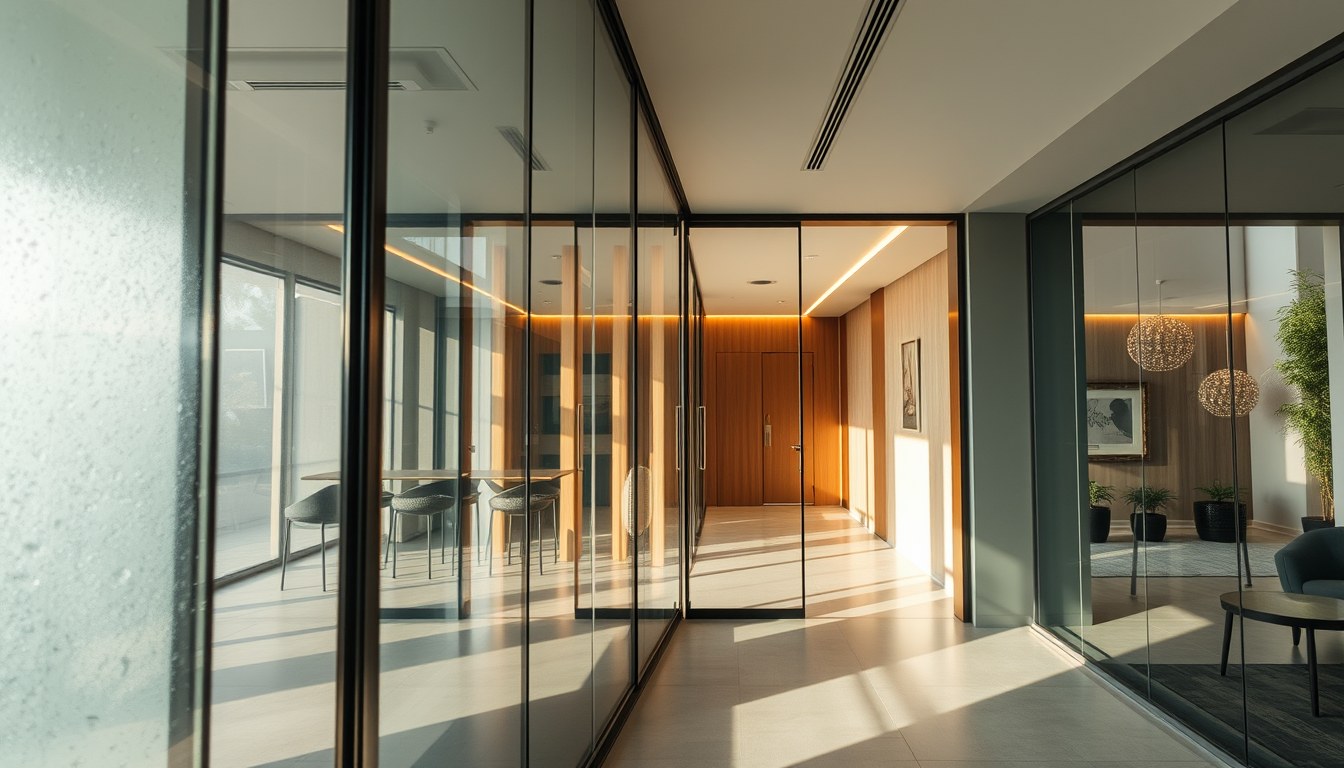
Glass partitions are a hallmark of contemporary office design, offering transparency, light flow, and aesthetic appeal. However, when condensation clouds your panels, noise bleeds through gaps, or frames sit unevenly, your investment loses both function and appeal. This guide walks you through diagnosing and fixing the most common glass partition problems, helping you restore performance and extend the lifespan of your installation.
Understanding Glass Partition Condensation
Condensation on glass partitions occurs when warm, moisture-laden air contacts cold glass surfaces, causing water vapor to condense into visible droplets or misting. This is especially common in Indian climates where humidity levels fluctuate significantly between air-conditioned and non-air-conditioned zones. The problem intensifies during monsoon season or in spaces with poor ventilation, such as conference rooms or enclosed meeting areas.
Condensation isn't merely cosmetic—persistent moisture can damage frames, seals, and adjacent materials over time. The good news is that most condensation issues are preventable and treatable through proper maintenance and environmental control.
Diagnosing the Root Cause
Before addressing condensation, identify whether the moisture is forming on the interior or exterior of the glass. Interior condensation indicates a humidity or temperature differential problem within your building. Exterior condensation typically reflects outdoor weather conditions and is less concerning. Check the following:
- Temperature differential: Is one side of the partition significantly warmer or cooler? Measure with a thermometer to confirm.
- Humidity levels: Use a hygrometer to check indoor humidity. Ideal office humidity ranges from 30–50%. Above 60% encourages condensation.
- Ventilation patterns: Observe air flow around the partition. Stagnant air traps moisture.
- Seal integrity: Inspect gaskets and sealants for cracks or deterioration.
Quick Fixes for Condensation
Once you've identified the cause, implement these practical solutions:
- Improve ventilation: Install or adjust exhaust fans, ceiling fans, or air circulation systems to keep air moving. Even a small desk fan directed at the partition can help.
- Regulate humidity: Use dehumidifiers in moisture-prone areas. In dry seasons, ensure humidity doesn't drop below 30%, which can crack seals.
- Manage temperature: Minimize extreme temperature swings by adjusting thermostat settings gradually. Avoid directing AC vents directly at glass partitions.
- Clean regularly: Wipe condensation with a microfiber cloth to prevent water pooling at the base, which can damage frames.
- Apply anti-fog coating: Commercial anti-fog treatments (₹500–₹2,000 per application) reduce condensation visibility and can be reapplied annually.
Addressing Noise Leaks Through Glass Partitions
Glass partitions are often chosen for their visual transparency, but acoustic performance depends heavily on installation quality and material specification. Sound travels through gaps, frames, and even the glass itself if it's single-paned or inadequately sealed. If conversations from adjacent spaces are audible, or if office noise escapes into meeting rooms, you likely have a noise leak issue.
The severity of sound transmission varies based on glass thickness, frame design, and seal quality. Standard single-pane glass (6mm) offers minimal sound insulation, while laminated or double-pane systems provide better acoustic performance. However, even premium glass performs poorly if installation is sloppy.
Identifying Noise Leak Points
Sound doesn't travel uniformly through a partition. It finds the weakest points—typically gaps and poor seals. Perform this simple test:
- Stand on one side of the partition and have a colleague speak in a normal voice on the other side.
- Note where sound is clearest. This pinpoints leak locations.
- Inspect the frame-to-glass junction, frame-to-wall connections, and door seals.
- Check for visible gaps or daylight showing through seams.
Remedies for Noise Leaks
For minor gaps and seal failures: Acoustic sealant (₹300–₹800 per cartridge) applied to frame-glass junctions significantly reduces sound transmission. Use silicone-based sealants rated for acoustic performance. Ensure the surface is clean and dry before application, and allow 24 hours for curing.
For door seals: Replace worn door gaskets or weatherstripping. Most partition doors use replaceable rubber seals that cost ₹1,000–₹3,000. Ensure seals compress fully when the door closes.
For frame gaps: If the frame doesn't sit flush against the wall, use acoustic backer rod (foam strips) before sealing. This prevents sound from traveling around the partition edges.
For persistent noise issues: Consider upgrading to acoustic laminated glass (₹1,500–₹3,500 per sq. meter), which incorporates a sound-dampening interlayer. This is a more expensive but permanent solution.
Fixing Frame Misalignment and Structural Issues
Over time, glass partition frames can shift due to building settlement, thermal expansion, or installation errors. Misalignment causes aesthetic problems, operational difficulties (doors won't close smoothly), and compromised sealing, leading to both noise and condensation issues. Early detection prevents costly repairs.
Signs of Frame Misalignment
Watch for these warning signs:
- Uneven gaps between the glass and frame (wider on one side).
- Doors that stick, drag, or don't close fully.
- Visible cracks in glass or sealant.
- Water pooling at the base of the partition after cleaning.
- A "leaning" appearance, where the top or bottom of the partition appears tilted.
Correcting Minor Misalignment
If misalignment is minor (under 5mm), shim the frame using stainless steel shims placed at strategic points. This is a temporary fix suitable for minor settling. Loosen frame fasteners slightly, insert shims, and re-tighten. Reapply sealant after shimming.
For door misalignment, most modern partition doors have adjustable hinges. Loosen the hinge bolts and shift the door position slightly, then re-tighten. Consult the manufacturer's manual for specific adjustment procedures.
When to Call a Professional
Significant misalignment (5mm or more), cracked glass, or structural concerns require professional intervention. A qualified glass partition technician can assess whether the issue stems from building movement, installation defects, or material failure. In Bangalore, Mumbai, Delhi, and Pune, professional realignment typically costs ₹5,000–₹15,000 depending on complexity. Attempting major corrections yourself risks further damage and voids warranties.
Preventive Maintenance for Long-Term Performance
Regular maintenance is far cheaper than emergency repairs. Establish a quarterly maintenance schedule that includes the following:
- Visual inspection: Check for cracks, loose fasteners, seal deterioration, and frame gaps.
- Cleaning: Use pH-neutral glass cleaner and soft cloths. Avoid abrasive materials that scratch glass or damage coatings.
- Seal inspection: Look for gaps, hardening, or separation. Reseal if needed.
- Hardware checks: Ensure hinges, handles, and locks operate smoothly. Lubricate with silicone spray if needed.
- Environmental monitoring: Track humidity and temperature trends to catch condensation issues early.
Document all maintenance activities. This record helps technicians diagnose recurring issues and supports warranty claims if problems arise.
When to Seek Professional Help
Some glass partition issues require expertise beyond DIY capability. Contact a certified technician if you encounter:
- Structural cracks or spiderwebbing in glass (safety hazard).
- Persistent condensation despite humidity and ventilation adjustments.
- Significant frame misalignment or door operation problems.
- Seal failures causing water leaks or drafts.
- Acoustic performance below specifications.
Professional glass partition installers and maintenance providers operate in most Indian metros. They can perform pressure testing, seal replacement, frame adjustment, and glass replacement if necessary. Costs vary by service, but budget ₹3,000–₹20,000 for a comprehensive professional inspection and remediation plan.
Frequently Asked Questions
Why does my glass partition fog up only during winter?
Winter temperature differentials are more pronounced—cold outdoor air cools the glass while warm indoor air carries moisture. The temperature gradient causes condensation. Additionally, heating systems dry indoor air, but moisture-generating activities (cooking, showers, many occupants) can overwhelm ventilation. Increase air circulation and use a humidifier if humidity drops below 30%, as extremely dry air can also damage seals.
Can I use regular caulk to seal glass partition gaps?
Regular caulk is not ideal for glass partitions. Use silicone-based or polyurethane sealants specifically rated for glass and structural applications. These remain flexible, accommodate thermal expansion, and maintain seal integrity longer. Acoustic sealants are preferred for noise reduction. Avoid latex-based caulks, which shrink and fail prematurely.
How much does it cost to replace a damaged glass panel in a partition?
Replacement costs depend on glass type, size, and frame design. A standard 6mm tempered glass panel (1.2m × 2.4m) costs ₹8,000–₹15,000 plus installation. Laminated or acoustic glass is more expensive, ranging from ₹15,000–₹30,000 per panel. Labor for removal and installation typically adds ₹3,000–₹8,000. Always get quotes from certified installers before proceeding.
What's the difference between acoustic laminated glass and regular tempered glass for partitions?
Regular tempered glass is strong and breaks into safe granules, but offers minimal sound insulation (around 30dB reduction). Acoustic laminated glass has a sound-dampening interlayer that reduces noise transmission by 35–45dB, making it suitable for meeting rooms or noisy environments. It's heavier, more expensive, and requires compatible framing, but delivers superior acoustic performance for the premium cost.
How often should glass partitions be professionally serviced?
Annual professional inspection is recommended for commercial installations, especially in high-traffic or humid environments. If you notice issues between inspections—condensation, noise leaks, or alignment problems—schedule service immediately. Preventive annual maintenance costs ₹2,000–₹5,000 but prevents expensive emergency repairs and extends partition lifespan by years.
Connect with Glass Partition Experts
Glass partition problems don't resolve themselves, and delays compound issues. Whether you need condensation solutions, acoustic improvements, frame realignment, or professional maintenance, the right technician makes all the difference. Explore verified glass partition suppliers, installers, and maintenance providers in your city through the Glassy.in directory. Find trusted professionals who understand your specific challenges and deliver lasting solutions.