
Glass Partitions
Glass Partition Troubleshooting: Condensation, Cracks & Seal Failures
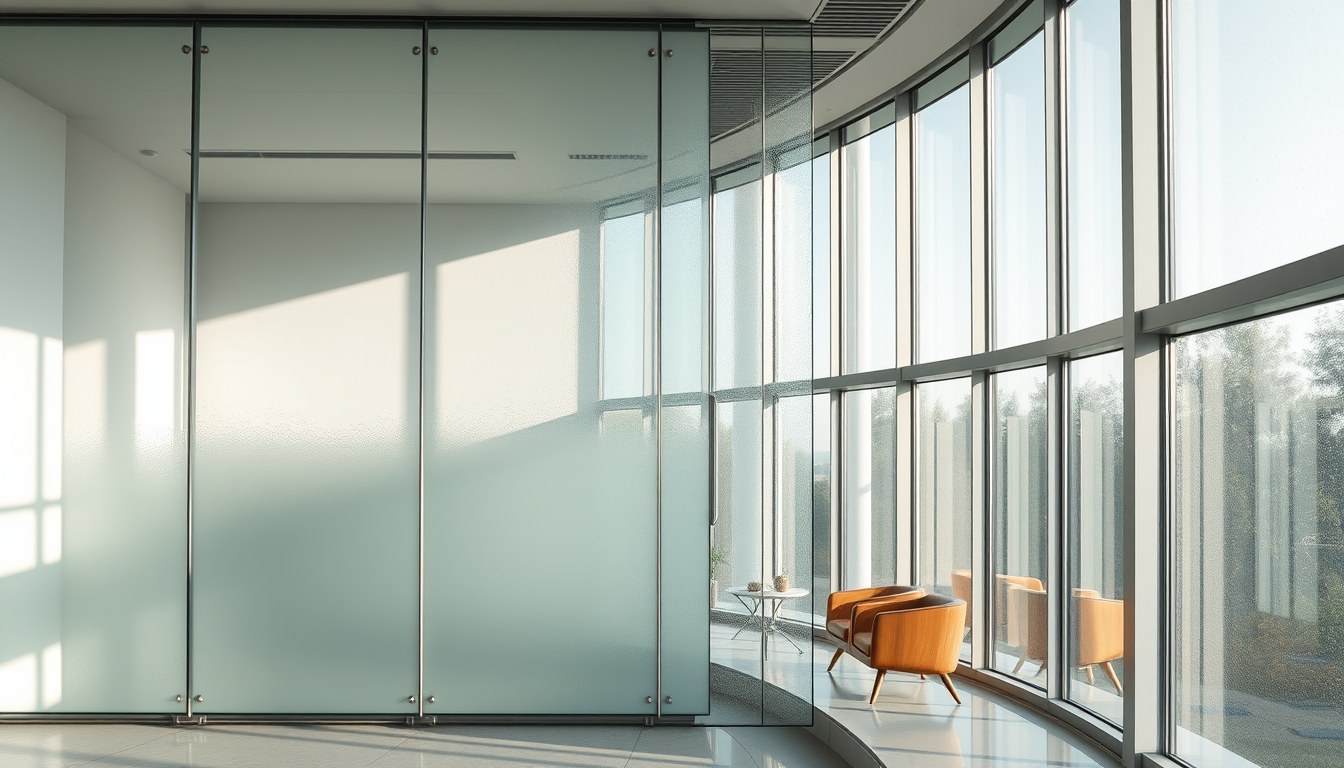
Glass partitions are a hallmark of modern Indian office design, offering transparency, light, and a sense of space. But when condensation clouds your panels, cracks appear without warning, or seals start deteriorating, that sleek aesthetic vanishes fast. This guide walks you through the most common glass partition problems, their root causes, and practical solutions you can implement today.
Understanding Glass Partition Condensation
Condensation on glass partitions happens when warm, moisture-laden air meets a cold glass surface. Inside an air-conditioned office in Delhi or Mumbai, the temperature difference between the partition glass and the surrounding air creates the perfect conditions for fogging. This is especially problematic in monsoon months or in areas with high humidity.
The moisture that appears on your glass partitions isn't just an aesthetic issue—it signals that moisture is trapped in the air pocket between glass panes (if you're using double-glazed partitions) or that your office humidity levels are out of balance. Persistent condensation can also lead to mold growth on the edges and sealant, weakening the partition's structural integrity over time.
Identifying the Type of Condensation
- Surface condensation: Moisture on the outer face of the glass. This is usually manageable and indicates indoor humidity is too high.
- Internal condensation: Fogging between two glass panes. This means the seal has failed and moisture has entered the gap.
- Edge condensation: Moisture appearing at the bottom or edges of the partition. This often signals poor drainage or sealant breakdown.
Causes of Condensation and How to Fix Them
High indoor humidity is the primary culprit. In Indian offices, especially during the monsoon season (June to September), humidity levels can spike well above the ideal 40–60% range. When your HVAC system isn't dehumidifying properly, or when the building envelope has air leaks, moisture accumulates indoors and settles on cool glass surfaces.
Poor ventilation is another common cause. If your office doesn't have adequate air circulation or if exhaust fans in restrooms and kitchens aren't venting moisture outdoors, condensation will form on partitions. Additionally, thermal bridging—where the glass partition conducts cold from outside or from poorly insulated areas—can lower the glass surface temperature below the dew point.
Immediate Solutions
- Improve ventilation: Open windows during dry hours, run exhaust fans continuously, and ensure HVAC systems are serviced regularly. In Mumbai or Bangalore offices, this is critical during monsoon.
- Dehumidify the space: Use portable dehumidifiers in problem areas, or upgrade your central HVAC system to include dehumidification controls. Maintaining humidity below 60% will dramatically reduce condensation.
- Increase air circulation: Use ceiling fans or standalone fans to keep air moving across glass surfaces, preventing moisture from settling.
- Check and clean sealants: If condensation appears at the edges, inspect the silicone sealant for gaps or deterioration. Clean out any mold or debris and reseal if needed.
- Wipe down regularly: While addressing the root cause, wipe condensation with a microfiber cloth daily to prevent water damage and mold growth.
Identifying and Addressing Cracks in Glass Partitions
Cracks in glass partitions range from hairline stress fractures to full breaks, and they can appear suddenly even if the partition wasn't hit. Most cracks stem from thermal stress, structural movement, or manufacturing defects. Understanding the type of crack you're dealing with helps determine whether repair or replacement is necessary.
Thermal stress cracks occur when the glass experiences rapid temperature changes. In Indian climates, this happens when a partition sits in direct sunlight for part of the day and is then cooled by air conditioning. The outer edges of the glass contract faster than the center, creating internal stress that leads to cracking. These cracks typically radiate from the edges inward.
Common Crack Types and Their Causes
- Star cracks: Radiate outward from a central impact point. Usually caused by physical impact and may be repairable if small and away from edges.
- Edge cracks: Run parallel to the partition edge. Often caused by thermal stress or improper installation. These are serious and usually require replacement.
- Stress cracks: Appear randomly without obvious impact. Result from thermal cycling, structural movement, or manufacturing defects.
- Spiderweb cracks: A network of fine cracks. Indicate severe impact or extreme thermal stress and require immediate replacement for safety.
Repair vs. Replacement
Small cracks (under 5 cm) in the center of a partition panel can sometimes be repaired using specialized glass repair resins. These are injected into the crack and cured to restore some structural integrity and improve appearance. However, this is a temporary fix and won't restore full strength. Cracks near edges, large cracks, or cracks in safety-rated glass (tempered or laminated) almost always require full panel replacement.
For a typical office in Bangalore or Pune, replacing a single glass partition panel costs between ₹8,000 and ₹25,000 depending on size, glass type, and frame material. Prevention is far more cost-effective than repair, so addressing thermal stress early is crucial.
Sealant Deterioration and Seal Failures
The silicone or polyurethane sealant that holds glass partitions together and keeps them weathertight has a finite lifespan. In Indian climates with intense UV exposure, temperature extremes, and humidity, sealants typically last 7–15 years before they begin to degrade. When seals fail, water infiltration accelerates, structural integrity is compromised, and condensation issues worsen.
Signs of sealant failure include visible gaps or separation between the glass and frame, discoloration or crumbling of the sealant material, mold or mildew growth along seams, and increased drafts or water leaks. If you notice any of these signs, reseal the partition promptly to prevent further damage.
Inspection Checklist
- Look for gaps or daylight visible between glass and frame
- Check for mold, algae, or dark staining along the sealant line
- Feel for drafts with your hand near seams on windy days
- Inspect for water stains on adjacent walls or floors after rain
- Press gently on the sealant—it should be firm, not spongy or crumbly
Resealing Process
Resealing a glass partition is a job best left to professionals, but here's what the process involves: the old sealant is carefully removed (often with specialized tools to avoid damaging the glass or frame), the area is cleaned and dried thoroughly, a primer is applied if necessary, and new silicone or polyurethane sealant is applied in a continuous bead. The sealant must cure for 24–48 hours before the partition is exposed to moisture or heavy use.
In major Indian cities, professional resealing costs ₹150–₹400 per linear meter, depending on the sealant type and accessibility. For a typical office partition, expect to pay ₹3,000–₹10,000 for a complete reseal job. This is a worthwhile investment to extend the life of your partition by another 7–10 years.
Preventive Maintenance for Glass Partitions
The best way to avoid condensation, cracks, and seal failures is to establish a regular maintenance routine. Monthly inspections take just 15 minutes and can catch problems before they become expensive.
Monthly Maintenance Tasks
- Wipe down glass with a lint-free cloth and mild glass cleaner
- Inspect sealants for gaps, mold, or deterioration
- Check for visible cracks or stress marks
- Ensure drainage holes (if present) are clear of debris
- Verify that frames are secure and not loose
Seasonal Adjustments
During monsoon season (June–September), increase dehumidification efforts and inspect sealants more frequently. In summer months, ensure your HVAC system is running efficiently and that glass isn't exposed to extreme direct sunlight without shading. In winter (December–January), monitor indoor humidity—heating can dry out air excessively, but poorly maintained HVAC systems may actually increase humidity, leading to condensation.
When to Call a Professional
While minor condensation and cleaning are manageable in-house, certain issues require expert intervention. Call a glass partition specialist or glazier if you notice edge cracks, internal condensation that won't resolve with dehumidification, large areas of sealant failure, or structural movement of the partition frame. Attempting DIY repairs on these issues can worsen the damage and compromise safety.
In India, reputable glass partition specialists operate in all major metros—Delhi, Mumbai, Bangalore, Hyderabad, and Chennai. They can provide professional assessment, recommend repairs or replacement, and handle installation with proper warranties. Always ask for references and ensure the contractor is experienced with your specific partition system (aluminum frame, steel frame, frameless, etc.).
Frequently Asked Questions
Why does my glass partition fog up only in winter?
Winter heating reduces indoor air humidity, but if your HVAC system isn't properly balanced or if you're running humidifiers, humidity can spike. When warm, moist air hits cold glass (especially if the partition is near an exterior wall or poorly insulated area), condensation forms. Ensure your HVAC system is serviced before winter and maintain humidity between 40–60%.
Can I repair a cracked glass partition myself?
Small cracks in the center of a panel can be temporarily repaired with glass repair resin kits available at hardware stores. However, these repairs don't restore full strength and are cosmetic. Edge cracks, large cracks, and cracks in tempered or laminated glass require professional replacement. Attempting DIY repair on structural cracks can be unsafe.
How long does glass partition sealant last?
In Indian climates with high UV exposure and temperature fluctuations, silicone sealants typically last 7–10 years, while polyurethane sealants may last 10–15 years. Regular cleaning and maintenance can extend sealant life. If you notice deterioration before 7 years, the sealant quality may have been poor or installation may have been faulty.
Is internal condensation (fogging between glass panes) fixable?
Internal condensation means the seal between the two glass panes has failed and moisture has entered the gap. This cannot be fixed by resealing from the outside. The affected panel must be replaced. This is why using quality double-glazed partitions and ensuring proper installation is crucial—replacement is expensive compared to preventive maintenance.
What's the best way to prevent thermal stress cracks in glass partitions?
Use low-emissivity (low-E) coated glass or tinted glass to reduce heat absorption and temperature differentials. Ensure partitions aren't exposed to direct sunlight for extended periods—use blinds or external shading. Maintain consistent indoor temperature with a well-functioning HVAC system, and avoid rapid temperature changes near the partition. Proper installation with adequate expansion gaps is also essential.
Glass partitions enhance your office environment, but they require attention to stay in top condition. Whether you're dealing with condensation, cracks, or seal failures, early diagnosis and prompt action will save you money and headaches. Explore our comprehensive directory on glassy.in to find verified glass partition suppliers, installers, and maintenance specialists across India who can help you keep your partitions clear, strong, and functional for years to come.