
Glass Partitions
Glass Partition Soundproofing: Do Double Glazed Partitions Really Work?
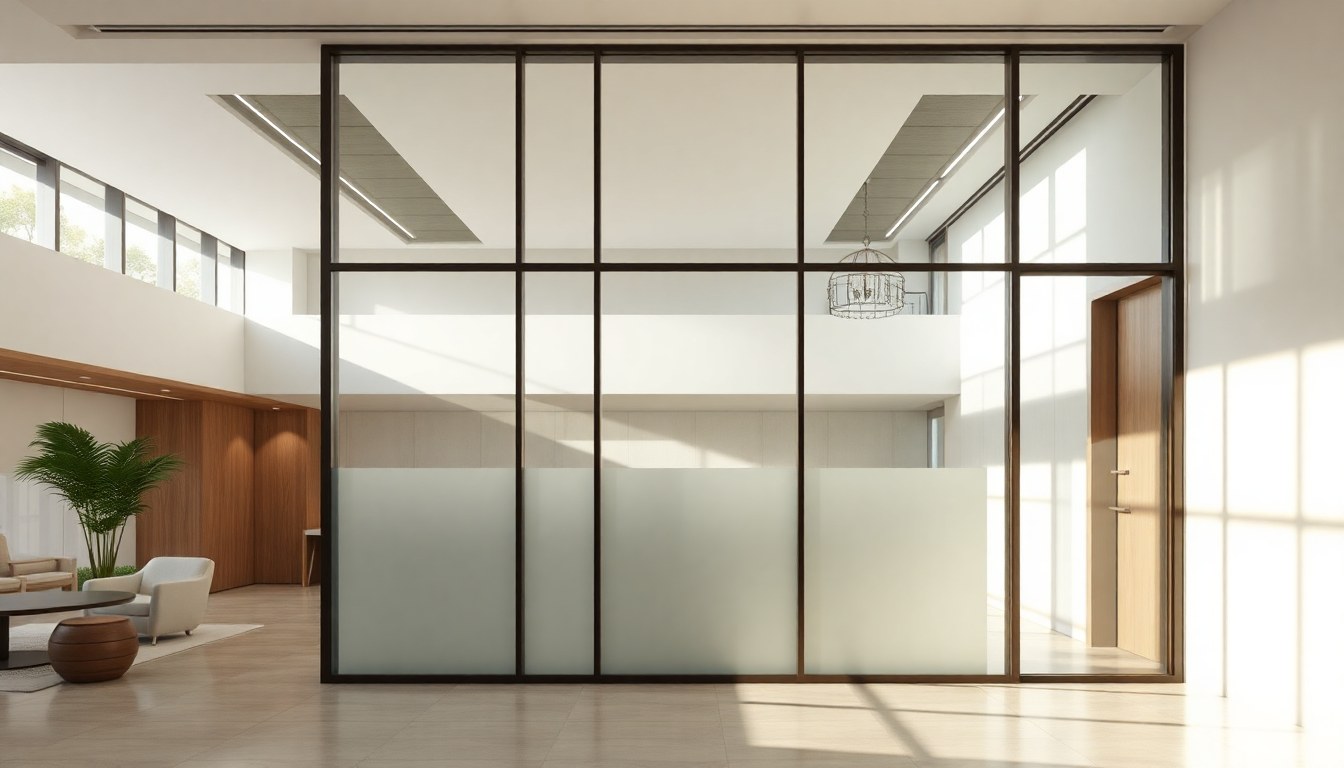
Open office layouts dominate modern workplaces across India, but they come with a persistent problem: noise. Double glazed glass partitions have emerged as a popular solution, promising acoustic control without sacrificing the aesthetic benefits of glass. But do they actually work, or is soundproofing through glass just marketing hype? The answer is nuanced—acoustic glass partitions can deliver measurable noise reduction when designed correctly, though their effectiveness depends on several technical factors.
Understanding Acoustic Glass: The Science Behind Soundproofing
Sound travels as vibrations through air and solid materials. When noise hits a standard single-pane glass partition, most of the vibrations pass straight through because glass is a rigid, homogeneous material. Double glazed partitions work differently by introducing two panes of glass separated by an air gap, creating a barrier that interrupts sound transmission at multiple points.
The acoustic principle at work is called mass-air-mass resonance. Each pane of glass has mass that resists vibration, while the air gap between them acts as a spring, absorbing and dampening sound energy. This combination is far more effective than either pane alone. The air gap typically ranges from 6mm to 12mm, with wider gaps generally providing better low-frequency sound absorption.
How Laminated Glass Enhances Soundproofing
Many acoustic partitions combine double glazing with laminated glass, where two or more glass sheets are bonded together with a plastic interlayer (usually polyvinyl butyral or PVB). This interlayer acts as a damping material that converts sound vibrations into heat, further reducing noise transmission. Laminated glass is particularly effective at reducing mid and high-frequency noise, such as speech and office equipment sounds.
Decibel Reduction: What Numbers Tell You
Acoustic performance is measured in decibels (dB), specifically using the Sound Reduction Index (SRI) or Noise Reduction Coefficient (NRC). For glass partitions, you'll commonly encounter ratings like SRI 30, SRI 40, or higher. Each 10dB increase represents a perceived halving of noise level to the human ear.
Here's what different decibel reductions mean in practical terms:
- SRI 25-30: Basic sound reduction; normal speech still audible on the other side
- SRI 35-40: Moderate reduction; loud speech muffled, regular conversation barely audible
- SRI 45-50: High performance; speech inaudible, only loud noise penetrates
- SRI 50+: Exceptional performance; suitable for music studios, conference rooms
Standard double glazed partitions typically achieve SRI 30-35, while those with laminated glass and optimized air gaps can reach SRI 40-45. Premium systems with thicker glass (10mm or 12mm) and wider air gaps (12mm) may achieve SRI 50 or beyond. It's important to note that these ratings are measured in laboratory conditions; real-world performance depends on installation quality and gaps around doors and frames.
Double Glazed vs. Single Pane: The Performance Gap
A single pane of standard 6mm glass typically provides SRI 28-30—minimal acoustic benefit. Adding a second pane with a 6mm air gap improves this to approximately SRI 33-35. The improvement isn't linear; you don't simply add the acoustic properties of two panes together. Instead, the air gap creates the mass-air-mass effect that multiplies the benefit.
When you increase the air gap from 6mm to 12mm, performance jumps to SRI 38-40. Further increases beyond 12mm show diminishing returns, as the air gap becomes too large for the glass panes to vibrate in concert. This is why most manufacturers recommend 10-12mm gaps as the sweet spot for acoustic performance in office partitions.
The thickness of each glass pane also matters. Using 8mm or 10mm glass instead of 6mm glass in a double glazed system can add another 2-3 dB of reduction, particularly for low-frequency noise like traffic or machinery.
Installation Quality: The Critical Factor Often Overlooked
Even the best acoustic glass partition system will underperform if installation is poor. Sound travels through the path of least resistance, and gaps around door frames, electrical outlets, or ceiling connections can completely bypass the acoustic benefits of the glass itself. A partition might achieve SRI 40 in testing, but perform at only SRI 30 in the field due to poor sealing.
Critical installation considerations include:
- Sealing all gaps between the partition and floor, ceiling, and adjacent walls with acoustic sealant
- Using acoustic door seals and gaskets to prevent sound leakage around doors
- Extending partitions fully to the structural ceiling (not just suspended ceilings)
- Avoiding back-to-back electrical outlets on opposite sides of the partition
- Using resilient mounting systems that decouple the partition from the building structure
In Indian offices, many installations cut corners on these details to reduce cost. The result is that a ₹50,000 acoustic partition system might perform like a ₹15,000 basic partition if installation is rushed. This is why choosing an experienced installer is as important as choosing the right glass specification.
Cost vs. Performance: Is Acoustic Glass Worth It?
Double glazed acoustic partitions cost significantly more than standard glass partitions. A basic double glazed partition in Indian cities typically ranges from ₹800 to ₹1,200 per square foot, compared to ₹400-600 for single glazed partitions. Premium acoustic systems with laminated glass and optimized specifications can exceed ₹1,500 per square foot.
Whether this investment is justified depends on your acoustic needs. For open offices where some ambient noise is acceptable, basic double glazing (SRI 33-35) may suffice. For conference rooms, executive offices, or spaces requiring confidentiality, premium systems (SRI 40-45) are worth the investment. In high-noise environments like manufacturing facilities or near major roads, only the highest-performance systems justify the cost.
Consider also that acoustic glass partitions provide benefits beyond soundproofing: they maintain visual openness, allow natural light transmission, and create a modern aesthetic. These factors often justify the cost premium independent of acoustic performance.
Real-World Performance: Expectations vs. Reality
Laboratory testing of acoustic partitions doesn't always translate to real-world performance. Several factors cause this gap:
- Flanking paths: Sound traveling through adjacent structures, ducts, or shared spaces bypasses the partition entirely
- Low-frequency noise: Bass frequencies penetrate glass more easily than mid and high frequencies, making traffic or music from neighboring spaces still audible
- Cumulative effect: Multiple partitions in sequence don't add their SRI values; instead, benefits plateau as sound finds alternative paths
- Installation variations: Even minor gaps or improper sealing can reduce effective performance by 5-10 dB
A realistic expectation for a properly installed double glazed acoustic partition is that it will reduce speech intelligibility significantly but may not eliminate all noise. You might go from clearly hearing your neighbor's conversation to hearing only muffled tones and occasional loud words. For complete isolation, you'd need significantly thicker glass, wider air gaps, or a combination of glass with other acoustic materials like foam or fiberglass.
Frequently Asked Questions
How much noise do double glazed glass partitions actually reduce?
A well-designed double glazed partition typically reduces noise by 35-40 decibels, which means speech becomes muffled and inaudible from the other side. This translates to a perceived reduction of about 50-75% of noise intensity. However, actual performance depends on the air gap width (6-12mm), glass thickness, installation quality, and whether laminated glass is used. Premium systems with 12mm air gaps and laminated glass can achieve 40-45 dB reduction.
Are laminated glass partitions better than standard double glazing for soundproofing?
Laminated glass enhances acoustic performance by 2-5 dB compared to standard double glazing, particularly for mid and high-frequency noise like speech. The plastic interlayer (PVB) dampens vibrations effectively. For maximum soundproofing, combining laminated glass with optimal air gaps (10-12mm) is ideal. However, laminated glass adds cost and reduces light transmission slightly, so it's most justified in high-privacy applications.
What's the minimum air gap needed for effective soundproofing?
A minimum of 6mm air gap is needed to create the mass-air-mass resonance effect that makes double glazing effective. However, 10-12mm air gaps provide noticeably better performance, particularly for low-frequency noise. Air gaps larger than 12mm show diminishing returns and increase partition thickness unnecessarily. For most office applications, 10mm is the optimal balance between performance and practicality.
Can poor installation ruin acoustic performance?
Yes, absolutely. Sound travels through the path of least resistance, and gaps around frames, doors, or ceiling connections can completely bypass the acoustic benefits of the glass. A partition rated for SRI 40 might perform at only SRI 30 if gaps aren't properly sealed. This is why professional installation with acoustic sealants, door gaskets, and proper sealing is critical for achieving rated performance.
Are double glazed glass partitions suitable for all office environments?
Double glazed partitions work well for most office environments, but their effectiveness varies. They're excellent for open offices, shared workspaces, and standard office noise (typing, conversations). They're less effective against low-frequency noise like traffic, machinery, or music from adjacent spaces. For extreme noise environments or applications requiring absolute sound isolation, you may need additional acoustic treatments like foam panels or thicker, specialized glass systems.
Connect with Acoustic Glass Partition Specialists
If you're considering acoustic glass partitions for your office, workspace, or facility, the right partner makes all the difference. Browse our comprehensive directory on glassy.in to find experienced glass partition manufacturers, installers, and acoustic specialists across India. Whether you need basic double glazing or premium soundproofing solutions, our verified suppliers can help you achieve the acoustic performance your space requires.