
Glass Partitions
Fluted Glass for Office Cabin Partition: Sound Dampening & Modern Aesthetics
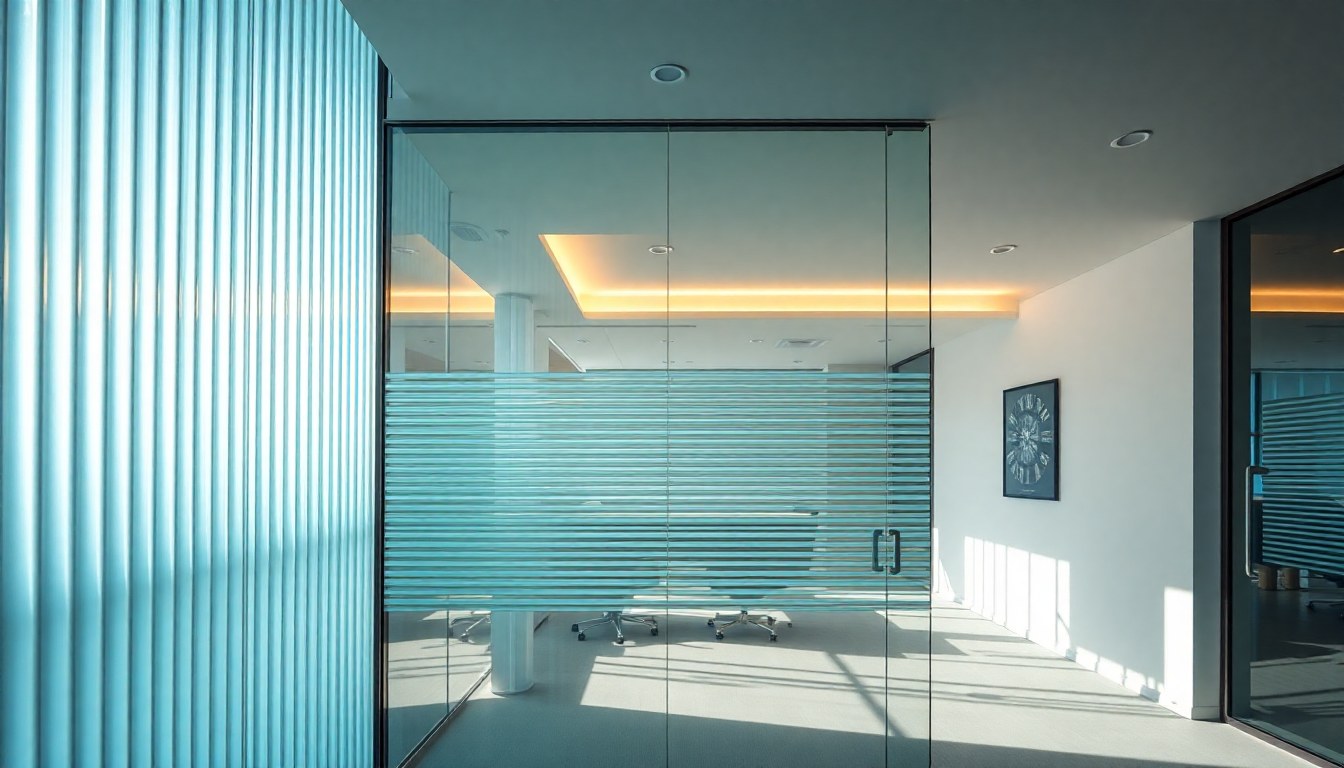
Open office layouts dominate modern workspaces, but noise remains a persistent challenge that undermines productivity and employee well-being. Fluted glass office cabin partitions solve this problem by combining acoustic performance with contemporary design, creating private workspaces without sacrificing light transmission or visual connectivity. If you're planning office renovations or designing new cabin spaces, understanding how reeded glass dampens sound while maintaining transparency is essential for making informed decisions.
What Is Fluted Glass and How Does It Work?
Fluted glass, also called reeded or ribbed glass, features parallel vertical grooves or ridges across its surface. These grooves are integral to the glass structure, created during the manufacturing process rather than applied afterward. The pattern disrupts sound wave propagation differently than smooth glass, making it an effective acoustic solution for office partitions.
The acoustic benefit comes from how the fluted pattern breaks up sound waves. When sound hits smooth glass, it reflects directly back into the space. The ridges and valleys in fluted glass scatter sound energy in multiple directions, reducing the intensity of reflected noise. This property makes fluted glass particularly valuable in open-plan offices where cabin partitions must balance privacy with the need to maintain some acoustic connection to the broader workspace.
Manufacturing Process
Fluted glass is typically produced using either a rolling or pressing method. Molten glass passes between rollers or into a mold with the desired ridge pattern, creating consistent grooves along the entire sheet. The depth and spacing of flutes can vary, affecting both the acoustic and aesthetic properties. Standard commercial fluted glass ranges from 4mm to 10mm thickness, with groove depths typically between 1mm and 3mm.
Acoustic Performance: Sound Reduction Metrics
Fluted glass reduces noise transmission more effectively than clear float glass of the same thickness. The sound reduction coefficient (SRC) or noise reduction coefficient (NRC) varies based on glass thickness, flute depth, and the frequency of sound being absorbed. For office environments, mid-range frequencies (500–2000 Hz) are most relevant, as they encompass human speech.
Standard 6mm fluted glass typically achieves a Sound Transmission Class (STC) rating of 28–32, compared to 30–33 for standard 6mm clear glass. While the numerical difference appears modest, the acoustic improvement is noticeable in real-world office settings. Laminated fluted glass—where two layers are bonded with acoustic interlayer film—performs significantly better, reaching STC ratings of 35–40, providing substantial noise isolation suitable for executive offices or meeting rooms.
Frequency Response
Fluted glass performs best at higher frequencies (above 1000 Hz), where it reduces noise by 3–5 decibels compared to smooth glass. Lower frequencies (below 500 Hz) see less improvement, as the groove pattern is too small relative to the wavelength. For comprehensive noise control in office cabins, combining fluted glass with other materials—such as acoustic panels or double-glazed systems—yields better results across all frequency ranges.
Design Trends and Aesthetic Benefits
Beyond acoustics, fluted glass has become a design staple in contemporary office environments. The texture adds visual interest and sophistication while maintaining the transparency that makes modern offices feel spacious and connected. The pattern diffuses light in subtle ways, creating a softer, more refined appearance than clear glass.
Current design trends favor fluted glass in several applications: cabin partitions that need privacy without complete opacity, glass walls in collaborative zones where visual separation enhances focus, and feature walls that serve as both functional dividers and aesthetic focal points. The grooved texture works well with minimalist, Scandinavian, and industrial design styles, making it versatile across different office aesthetics.
Color and Customization Options
While clear fluted glass is most common, manufacturers now offer tinted and colored variants. Frosted fluted glass combines the acoustic benefits with increased privacy, while gray or bronze-tinted fluted glass reduces glare and adds warmth to spaces. Some suppliers offer custom groove patterns, though these typically require larger minimum orders and longer lead times.
Installation Guide for Office Cabin Partitions
Proper installation is critical for achieving the acoustic and structural benefits of fluted glass partitions. The process differs slightly from standard glass installation due to the texture and the need to maintain the integrity of the groove pattern.
Framing and Support Systems
Fluted glass partitions typically use aluminum frames or stainless steel channels to support the glass panels. The frame must be rigid enough to prevent vibration, which can degrade acoustic performance. Standard aluminum profiles work well, but some architects prefer powder-coated finishes for aesthetic reasons. The frame should be anchored to both floor and ceiling to maximize structural stability.
Sealing and Gaskets
Acoustic performance depends heavily on proper sealing. Use high-quality silicone sealant or acoustic gaskets around all edges where glass meets the frame. Any gaps allow sound to bypass the glass entirely, negating acoustic benefits. Pay special attention to corners and joints, where air leaks commonly occur. Allow sealant to cure fully (typically 24–48 hours) before the partition bears any load or experiences vibration.
Installation Steps
- Prepare the space: Ensure floor and ceiling are level and clean. Mark frame positions using laser levels for precision.
- Install the frame: Anchor the aluminum or steel frame securely, checking for plumb and level at multiple points.
- Insert gaskets: Place acoustic gaskets in the frame channels before inserting glass panels.
- Position glass panels: Carefully slide fluted glass panels into the frame, ensuring grooves are oriented vertically for maximum acoustic effect.
- Seal joints: Apply acoustic sealant around all perimeter joints and between panels if multiple sheets are used.
- Install hardware: Add door handles, hinges, and locking mechanisms if the partition includes a door.
- Final inspection: Check for gaps, vibration, and acoustic seal integrity before occupying the space.
For complex installations or large-scale office renovations, consulting with experienced glass professionals is advisable. Firms like SAN Design Square and Void + Edifice Architectural Design Studio specialize in glass partition design and can ensure optimal acoustic and aesthetic outcomes.
Cost Considerations and ROI
Fluted glass partitions cost 15–30% more than standard clear glass partitions, depending on thickness, flute pattern, and frame materials. For a typical office cabin measuring 3m × 3m with a single door, expect to invest ₹45,000–₹75,000 for fluted glass systems, compared to ₹35,000–₹55,000 for clear glass equivalents. Laminated fluted glass, which offers superior acoustic performance, typically costs 40–60% more than standard fluted glass.
The return on investment comes through improved employee productivity, reduced sick leave due to noise-related stress, and enhanced employee satisfaction. Studies consistently show that workers in quieter environments experience fewer distractions and produce higher-quality work. In knowledge-intensive industries, these gains often justify the additional investment within 2–3 years.
When sourcing materials, compare quotes from local suppliers. Dealers like Real Glass Work and GLASS CONSORTIUM offer competitive pricing and can advise on suitable products for your specific acoustic requirements and budget.
Maintenance and Durability
Fluted glass partitions require minimal maintenance beyond regular cleaning. The grooved surface can trap dust more readily than smooth glass, so cleaning should be slightly more thorough. Use soft microfiber cloths and non-abrasive glass cleaners; avoid harsh chemicals that may damage frame finishes or sealants.
The lifespan of fluted glass partitions typically exceeds 20 years with proper care. The glass itself is extremely durable, and the primary maintenance concern is keeping sealants intact. Inspect sealant annually, especially around high-traffic areas or where vibration from machinery or foot traffic is common. Reseal as needed to maintain acoustic performance and prevent moisture ingress.
Frequently Asked Questions
Does fluted glass provide complete sound insulation?
Fluted glass reduces noise transmission but does not provide complete sound insulation. It typically reduces noise by 3–8 decibels depending on thickness and flute depth. For maximum isolation, combine fluted glass with laminated construction, acoustic interlayers, or complementary materials like acoustic panels. Double-glazed fluted glass systems (two panes separated by an air gap) perform significantly better than single panes.
Can fluted glass be used with glass doors?
Yes, fluted glass works well for both fixed partitions and glass doors. However, ensure the door frame is robust and properly sealed. Acoustic performance depends on the entire system—if the door has gaps or poor seals, sound will bypass the fluted glass. Choose doors with acoustic gaskets and quality hinges that minimize vibration.
What thickness of fluted glass is recommended for office cabins?
For standard office cabins in open-plan environments, 6mm or 8mm fluted glass is recommended. Thicker glass (10mm) provides marginal acoustic improvements but increases cost and weight. If maximum privacy and noise reduction are priorities, consider 8mm laminated fluted glass with an acoustic interlayer instead of increasing thickness alone.
Is fluted glass more expensive than frosted glass?
Fluted glass and frosted glass typically cost similarly, though prices vary by supplier and thickness. Both are more expensive than clear glass. Fluted glass offers acoustic benefits, while frosted glass offers privacy without sound reduction. Some applications benefit from combining both—frosted fluted glass provides both privacy and some acoustic improvement.
How do I clean fluted glass without damaging it?
Use a soft microfiber cloth with a standard glass cleaner or a mixture of water and white vinegar. For grooved surfaces, use a soft brush or old toothbrush to gently remove dust from the flutes. Avoid abrasive pads or harsh chemicals. For stubborn stains, allow the cleaner to sit for a few minutes before wiping. Never use high-pressure water jets, as they may damage sealants.
Conclusion
Fluted glass partitions represent an intelligent investment for modern offices seeking to balance acoustic performance with aesthetic appeal and transparency. The grooved texture reduces noise transmission while maintaining the visual openness that contemporary workspaces demand. Whether you're designing executive cabins, meeting rooms, or collaborative zones, fluted glass offers measurable acoustic benefits and timeless design value.
Ready to upgrade your office partitions? Explore fluted glass options and connect with experienced suppliers and architects through glassy.in, India's largest glass-business directory. Browse thousands of verified glass dealers, manufacturers, and design professionals in your area to find the perfect solution for your office cabin partition needs.