
Glass Partitions
Glass Partition Acoustics: Decibel Reduction & Sound Insulation Performance
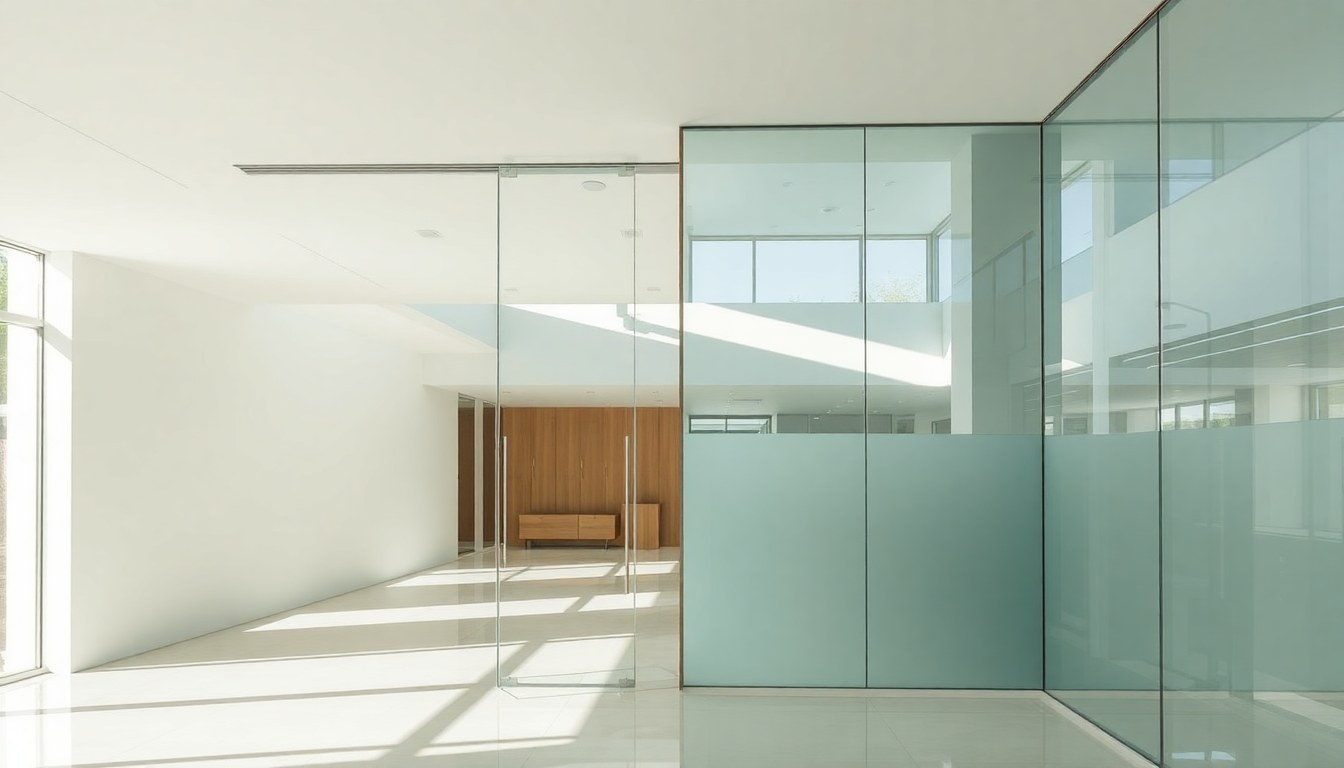
Modern offices and creative studios demand effective noise control without sacrificing the open, collaborative feel that glass partitions provide. Understanding glass partition acoustics—how decibels are measured, which materials perform best, and which configurations suit your space—is essential for creating productive, comfortable work environments across Indian cities like Hyderabad, Bangalore, and Mumbai.
Understanding Decibels and Sound Insulation Ratings
A decibel (dB) is a logarithmic unit that measures sound intensity. Every 10 dB increase represents a tenfold increase in sound energy, though human ears perceive it as roughly twice as loud. For context, normal conversation registers around 60 dB, while heavy traffic noise reaches 80 dB. When evaluating glass partition acoustics, manufacturers provide Sound Reduction Index (SRI) or Noise Reduction Coefficient (NRC) ratings that indicate how much sound a partition blocks.
The SRI rating—also called Rw in decibels—tells you how many decibels of sound are reduced when passing through the partition. A standard single-pane glass partition typically offers 30–32 dB reduction, while specialized acoustic glass can achieve 40–50 dB reduction. The higher the SRI value, the better the sound insulation. For office environments, an SRI of 35–40 dB is generally considered adequate; for recording studios and sensitive spaces, 45+ dB is recommended.
How Sound Travels Through Glass
Sound travels as vibrations through air and solid materials. Standard glass transmits vibrations easily because it is a rigid, uniform material. When sound waves hit a single pane, they cause the glass to vibrate, which then transmits those vibrations to the other side. This is why single-glazed glass partitions offer minimal acoustic protection. Laminated and double-glazed designs interrupt this vibration transmission, dramatically improving sound insulation.
Laminated Glass Partitions: Superior Acoustic Performance
Laminated glass consists of two or more glass panes bonded together with a viscoelastic interlayer—typically polyvinyl butyral (PVB) or ethylene-vinyl acetate (EVA). This interlayer is the key to acoustic performance. When sound vibrations reach the laminated pane, the interlayer absorbs and dissipates the vibration energy rather than transmitting it directly, significantly reducing noise transmission.
Standard laminated glass (6mm + 0.76mm PVB + 6mm) typically achieves an SRI of 35–37 dB. Thicker laminates or those with specialized acoustic interlayers can reach 40–45 dB. For example, a 10mm laminated partition with an acoustic-grade interlayer can reduce sound by approximately 42 dB, making it suitable for offices adjacent to busy roads or high-traffic areas. In Hyderabad's growing IT corridor, many corporate offices use laminated glass partitions to create quiet meeting rooms and focus areas within open-plan layouts.
Acoustic Interlayer Thickness and Material
The thickness and composition of the interlayer directly affect acoustic performance. A thicker interlayer (0.76mm vs. 0.38mm) provides better sound damping. Specialized acoustic interlayers—formulated with higher viscoelasticity—outperform standard PVB. Some manufacturers offer interlayers specifically designed for sound absorption, which can improve dB reduction by 3–5 dB compared to standard interlayers.
Double-Glazed Glass Partitions: The Air Gap Advantage
Double-glazed partitions feature two separate glass panes separated by an air gap (typically 6–12mm). This design works on a different acoustic principle than laminated glass. The air gap acts as a sound-damping cavity; sound entering the first pane must travel across the air gap to reach the second pane. If the air gap is properly sealed and the two panes are not rigidly connected, acoustic performance improves significantly.
A standard double-glazed partition (6mm + 6mm air gap + 6mm glass) typically achieves an SRI of 28–32 dB. However, when combined with laminated glass—creating a "laminated double-glazed" system (6mm laminated + 12mm air gap + 6mm laminated)—the SRI can reach 45–50 dB. This combination is ideal for high-noise environments, such as offices near airports or studios in urban centers. The air gap must be sealed with acoustic sealant to prevent sound leakage at edges.
Optimal Air Gap Width
Air gap width affects acoustic performance in a non-linear way. A 50mm air gap does not provide twice the insulation of a 25mm gap. Acoustic theory suggests that air gaps of 100mm or wider offer diminishing returns in most office settings. For most commercial applications, a 6–12mm air gap provides a good balance between acoustic performance and practical partition depth. Wider gaps (25–50mm) are reserved for specialized applications like music studios or broadcast facilities.
Comparing Laminated vs. Double-Glazed: Which Is Better?
Both laminated and double-glazed glass partitions reduce noise effectively, but they excel in different scenarios. The choice depends on your budget, space constraints, and acoustic requirements.
- Laminated Glass: Offers excellent acoustic performance in a thinner profile (typically 10–12mm total thickness). Ideal for offices where space is limited. Provides consistent dB reduction across all frequency ranges. Slightly more affordable than double-glazed systems. Better for low-frequency noise (traffic, machinery).
- Double-Glazed Glass: Provides superior acoustic performance, especially when using laminated panes on both sides. Requires more depth (25–50mm depending on air gap). Higher cost but unmatched sound insulation. Better for mid-to-high frequency noise (voices, machinery hum). Can be combined with acoustic foam in the air gap for enhanced performance.
For most office environments in Indian cities, laminated glass partitions (8–12mm with acoustic interlayer) strike the best balance between performance, cost, and practicality. Double-glazed systems are recommended when noise levels exceed 80 dB or when the partition must achieve SRI of 45+ dB.
Best Applications for Offices and Studios in Hyderabad
Hyderabad's booming IT and startup ecosystem has driven demand for flexible, acoustic glass partitions. Different spaces have different acoustic requirements based on their function and surrounding noise environment.
Open-Plan Office Spaces
Open-plan layouts benefit from laminated glass partitions (8–10mm with standard interlayer, SRI 35–37 dB) to create focus zones and meeting pods without blocking light or sightlines. This configuration reduces conversation noise and creates psychological privacy while maintaining the collaborative feel. Architects like SAN Design Square recommend this approach for startups and tech companies seeking flexible workspace design.
Executive Offices and Meeting Rooms
Confidential discussions require higher acoustic performance. Laminated glass partitions with acoustic-grade interlayers (10–12mm, SRI 40–42 dB) are ideal. Pair them with acoustic door seals and minimal glass-to-frame gaps to prevent sound leakage. This configuration ensures conversations remain private while maintaining visual connection to adjacent spaces.
Recording Studios and Broadcast Facilities
Professional audio environments demand maximum acoustic isolation. Double-glazed laminated systems (6mm laminated + 12–25mm air gap + 6mm laminated, SRI 45–50 dB) are standard. Some studios add acoustic foam or mineral wool inside the air gap for additional absorption. This approach prevents external noise from contaminating recordings and allows multiple recording sessions simultaneously without interference.
High-Noise Proximity Offices
Offices near busy roads, construction sites, or industrial areas require enhanced acoustic protection. Double-glazed laminated partitions (SRI 45–50 dB) combined with acoustic window treatments and sealed frames are essential. In Hyderabad's HITEC City and IT corridor, many offices use this configuration to mitigate traffic and construction noise.
Installation and Sealing: Critical for Acoustic Performance
Even the best acoustic glass performs poorly if installation is substandard. Sound leaks around frame edges, through gaps, and via poorly sealed connections. Professional installation is essential for achieving advertised dB reduction ratings.
Proper acoustic installation includes:
- Using acoustic sealant (not standard silicone) around all perimeter edges
- Installing acoustic gaskets or weatherstripping between glass and frame
- Ensuring frames are rigid and properly anchored to prevent vibration transmission
- Sealing all service penetrations (electrical outlets, HVAC ducts) with acoustic putty or foam
- Using acoustic door seals on any doors within the partition system
Reputable glass dealers and installers in Bangalore and Hyderabad, such as Sri Lakshmi Glass Plywood And Hardware, understand these requirements and can ensure installations meet acoustic specifications.
Cost Considerations and ROI
Acoustic glass partitions cost more than standard clear glass, but the investment yields significant returns through improved productivity, employee satisfaction, and privacy. In Indian markets, pricing typically ranges as follows:
- Standard laminated glass partition: ₹800–1,200 per square foot (8–10mm, SRI 35–37 dB)
- Acoustic laminated partition: ₹1,200–1,800 per square foot (10–12mm with acoustic interlayer, SRI 40–42 dB)
- Double-glazed laminated partition: ₹2,000–3,500 per square foot (SRI 45–50 dB)
Prices vary based on location, frame material (aluminum vs. steel), glass thickness, and installation complexity. Bulk orders and custom designs may offer discounts. The long-term benefit—reduced stress, fewer distractions, and improved focus—justifies the upfront cost for most corporate and creative environments.
Frequently Asked Questions
What dB reduction do I need for my office?
For most office environments, an SRI of 35–40 dB is adequate. If your office is near traffic or construction, aim for 40–45 dB. Recording studios and broadcast facilities require 45–50 dB or higher. Consider the ambient noise level in your area and the sensitivity of your work when choosing a partition.
Is laminated glass better than double-glazed for acoustics?
Neither is universally "better"—they serve different needs. Laminated glass offers excellent performance in a thin profile and is more affordable. Double-glazed systems provide superior insulation, especially when both panes are laminated, but require more space and cost more. For space-constrained offices, laminated is ideal; for maximum noise reduction, double-glazed laminated is superior.
Can I retrofit acoustic partitions into an existing office?
Yes, acoustic glass partitions can be retrofitted into most office layouts. However, retrofitting may require structural modifications, electrical rerouting, and HVAC adjustments. Work with experienced installers who understand your building's constraints. Costs are typically 15–25% higher for retrofits compared to new installations due to these complications.
How do acoustic interlayers differ from standard PVB?
Standard PVB interlayers are designed primarily for safety (holding glass together after breakage). Acoustic interlayers are formulated with higher viscoelasticity—meaning they absorb and dissipate vibration energy more effectively. This difference can improve dB reduction by 3–8 dB depending on thickness and composition. Acoustic interlayers cost 20–40% more but deliver significantly better sound insulation.
What maintenance do acoustic glass partitions require?
Acoustic glass partitions require minimal maintenance. Clean glass surfaces with standard glass cleaner. Inspect acoustic sealant annually for cracks or deterioration and reseal if necessary. Check door seals and gaskets every 2–3 years and replace if worn. Proper maintenance preserves acoustic performance over the partition's 20–30 year lifespan.
Find Your Acoustic Glass Partition Solution Today
Whether you're designing a new office, upgrading an existing space, or building a professional studio, choosing the right acoustic glass partition is crucial for creating a productive, comfortable environment. Explore verified glass dealers, manufacturers, and acoustic specialists across India on glassy.in—India's largest glass-business directory. Browse detailed profiles, compare acoustic ratings, request quotes, and connect with trusted professionals who understand your acoustic requirements and local market conditions.