
Glass Partitions
Glass Partition Acoustic Performance: Sound Insulation Testing & Standards
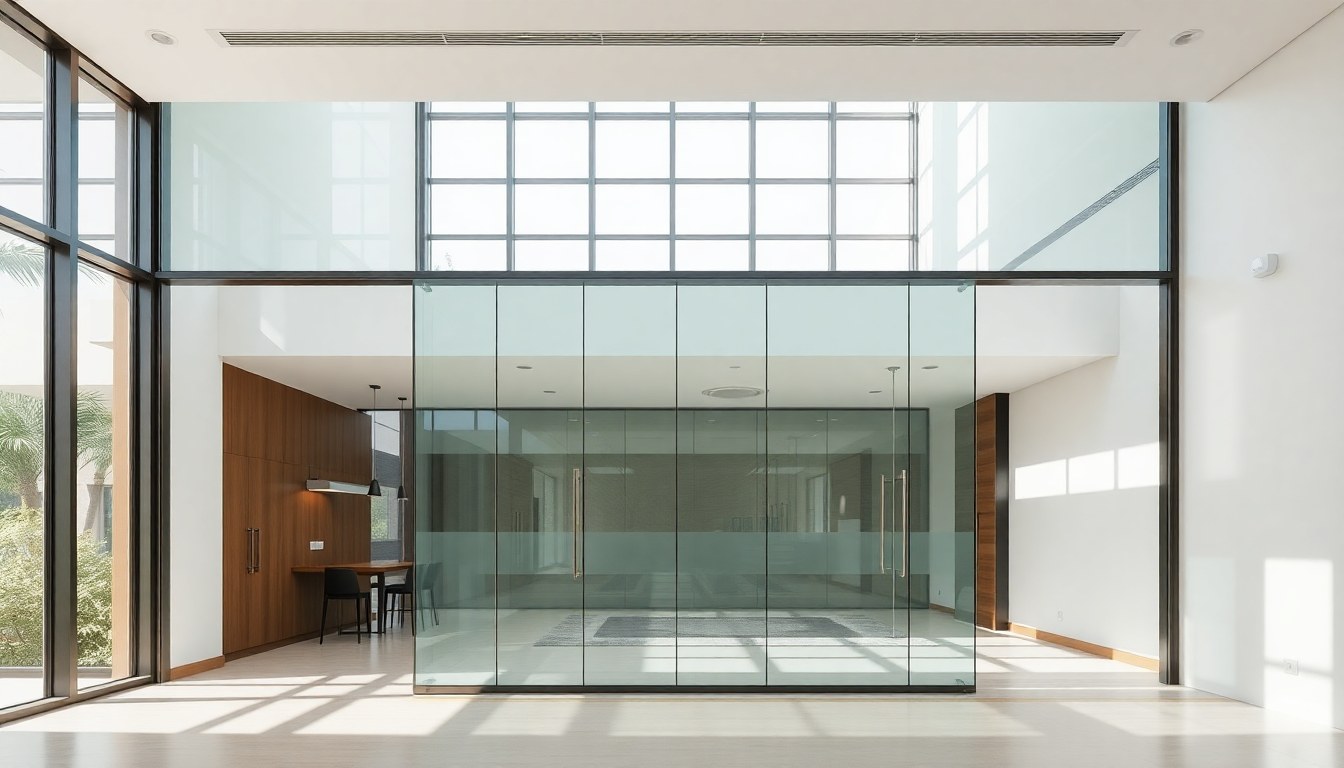
Open office layouts have transformed workplace design, but they've also created a persistent challenge: noise. Glass partitions offer transparency and aesthetic appeal, yet many professionals struggle to find solutions that deliver both visual openness and genuine sound insulation. This guide breaks down acoustic performance ratings, testing standards, and practical solutions to help you select glass partitions that truly reduce noise in Indian offices.
Understanding Acoustic Ratings: Rw and Rw+C
Acoustic performance of glass partitions is measured using standardized ratings that quantify how much sound a partition can block. The most common metric is Rw (Sound Reduction Index), expressed in decibels (dB). This single number tells you the overall ability of a partition to reduce airborne sound across a range of frequencies. The higher the Rw value, the better the sound insulation.
However, Rw alone doesn't tell the complete story. Real-world noise includes low-frequency sounds like traffic, machinery, and bass from music. This is where Rw+C comes in—the "C" represents a traffic noise adaptation term that accounts for these lower frequencies. For example, a partition rated Rw 30 dB might be Rw+C 26 dB when traffic noise is the primary concern. Always check both values when comparing products, especially for offices near busy roads or industrial areas.
- Rw 30 dB: Basic sound reduction; suitable for low-noise environments or partial screening
- Rw 40 dB: Moderate insulation; acceptable for general office use
- Rw 50+ dB: Excellent insulation; ideal for confidential spaces, meeting rooms, and noisy locations
Glass Partition Types and Their Acoustic Performance
Single-Glazed Glass Partitions
Single-glazed partitions consist of a single pane of glass, typically 8–10 mm thick. These are the most affordable option but offer the poorest acoustic performance, usually achieving only Rw 30–32 dB. The reason is straightforward: a single rigid pane transmits sound readily through its mass. Single glazing works adequately in quiet environments or where cost is the primary driver, but it falls short in noise-sensitive applications.
Double-Glazed Glass Partitions
Double-glazed systems consist of two glass panes separated by an air gap, typically 6–12 mm. This design is far more effective because the air cavity decouples the two panes, reducing vibration transfer and significantly improving sound insulation. Standard double glazing commonly achieves Rw 40–44 dB. For enhanced performance, the air gap can be filled with sound-absorbing gas or the cavity can be widened, pushing performance to Rw 48–50 dB.
Double glazing is the sweet spot for most commercial office environments in India, balancing cost, performance, and aesthetic appeal. Many modern corporate offices and premium coworking spaces opt for this solution.
Laminated Glass Partitions
Laminated glass consists of two or more glass panes bonded together with a polyvinyl butyral (PVB) interlayer. This interlayer is viscoelastic, meaning it absorbs vibration and converts sound energy into heat. A single laminated pane (typically 6.4 mm or 8.8 mm) can achieve Rw 34–37 dB, which is better than single glazing but less effective than double glazing alone. However, combining lamination with double-glazing technology—using laminated panes in a double-glazed system—can deliver Rw 50–55 dB, making it the gold standard for high-performance acoustic partitions.
Laminated glass also offers safety benefits: if the glass breaks, the interlayer holds the fragments together, preventing sharp pieces from falling. This makes it particularly valuable in high-traffic areas and spaces where safety is a concern.
Indian Building Standards and Acoustic Requirements
India's National Building Code (NBC) and various state building bylaws specify acoustic performance requirements for different building types. While NBC 2016 doesn't mandate specific Rw values for office partitions, it does set guidelines for sound insulation in sensitive spaces like hospitals, schools, and residential buildings.
For commercial offices, the Indian Green Building Council (IGBC) and LEED standards have become de facto benchmarks. IGBC's Green Office Certification encourages sound insulation ratings of at least Rw 40 dB for open-plan offices to maintain acoustic comfort. LEED certification similarly rewards projects that achieve Rw 50+ dB in meeting rooms and private offices.
Additionally, the Bureau of Indian Standards (BIS) references ISO 10140 and ISO 717 standards for acoustic testing and rating of building materials. When purchasing glass partitions, ensure that manufacturers provide test certificates from accredited laboratories that follow these international standards, which are recognized in India.
Testing Standards and Certification
ISO 10140: Acoustic Testing Method
This international standard defines how sound reduction is measured in a controlled laboratory environment. A partition is placed between two reverberant chambers, and sound is generated at controlled levels on one side while measurements are taken on the other. The process is repeated across multiple frequencies to generate the Rw rating. Any reputable glass partition manufacturer should have test reports following ISO 10140 conducted by an accredited third-party laboratory.
ISO 717: Rating and Classification
This standard provides the framework for converting raw acoustic data into the Rw and Rw+C ratings discussed earlier. It ensures consistency across manufacturers and geographies. When comparing glass partition suppliers in India, always request ISO 717 certified ratings rather than manufacturer claims.
In India, laboratories accredited by the National Accreditation Board for Testing and Calibration Laboratories (NABL) are recognized for acoustic testing. Always verify that test certificates bear the NABL logo or equivalent international accreditation.
Practical Considerations for Indian Offices
Climate and Humidity
India's tropical and subtropical climate affects glass partition performance. High humidity can impact sealants and gaskets over time, potentially reducing acoustic performance. Ensure that partitions are installed with high-quality, moisture-resistant sealants and that proper drainage is maintained. Regular maintenance is essential in humid regions.
Cost vs. Performance Trade-offs
In India, budget constraints often drive decisions. A single-glazed partition might cost ₹1,500–2,500 per square meter, while double-glazed systems range from ₹4,000–7,000 per square meter, and premium laminated double-glazed solutions can exceed ₹10,000 per square meter. However, the long-term benefits of improved acoustic comfort—reduced employee stress, better focus, and higher productivity—often justify the investment.
For guidance on selecting the right solution and sourcing quality suppliers, SAN Design Square in Bangalore offers expert consultation on acoustic glass partition design and specification. Similarly, Sri Lakshmi Glass Plywood and Hardware provides a range of acoustic glass solutions and can help you navigate the options.
Installation Quality
Even the best acoustic glass partition will underperform if installation is poor. Sound leaks through gaps, poor sealing, and inadequate mounting. Ensure that installers are experienced, that all gaps are sealed with acoustic sealants, and that the frame system is properly isolated from the building structure to prevent flanking paths for sound.
Comparing Single, Double, and Laminated Solutions
| Partition Type | Typical Rw Rating | Typical Cost Range (₹/m²) | Best Use Case |
|---|---|---|---|
| Single Glazing (8–10 mm) | Rw 30–32 dB | ₹1,500–2,500 | Low-noise environments, visual separation only |
| Double Glazing (6–12 mm air gap) | Rw 40–44 dB | ₹4,000–7,000 | General office environments, good balance |
| Laminated Single (6.4–8.8 mm) | Rw 34–37 dB | ₹3,500–6,000 | Safety-critical areas, moderate noise control |
| Laminated Double-Glazed | Rw 50–55 dB | ₹10,000–15,000+ | High-noise areas, confidential spaces, premium offices |
Frequently Asked Questions
What does Rw 40 dB actually mean in practical terms?
Rw 40 dB means the partition reduces sound by 40 decibels on average across the audible frequency range. In practical terms, if someone is speaking at normal conversation level (approximately 60 dB) on one side of the partition, the sound reaching the other side would be roughly 20 dB—barely audible. However, this is a simplified explanation; actual performance varies by frequency, which is why Rw+C ratings are also important for traffic and machinery noise.
Is double glazing always better than laminated glass for acoustics?
Not always. A single laminated pane is moderately better than single glazing but inferior to double glazing. However, laminated glass in a double-glazed system (using laminated panes on both sides) outperforms standard double glazing significantly. The choice depends on your budget and acoustic requirements. For most Indian offices, standard double glazing offers the best value; laminated double glazing is reserved for premium or high-noise applications.
How do I verify that a glass partition manufacturer's acoustic ratings are genuine?
Always request ISO 10140 and ISO 717 test certificates from accredited laboratories. In India, look for NABL accreditation. Cross-reference the test certificate with the laboratory's website. Be skeptical of ratings without third-party certification. Reputable suppliers will readily provide documentation; those who don't should be avoided.
Do acoustic glass partitions require special maintenance in India's climate?
Yes, regular maintenance is important. Check sealants and gaskets annually, especially in humid regions, as moisture can degrade them over time. Clean glass regularly to prevent dust accumulation, which can slightly reduce acoustic performance. In coastal areas with salt spray, ensure that frames are made of corrosion-resistant materials like aluminum or stainless steel.
Can I improve the acoustic performance of existing single-glazed partitions?
Retrofitting existing partitions is challenging and often costly. A better approach is to add acoustic panels or absorptive materials to the surrounding surfaces (walls, ceilings, floors) to reduce overall noise in the space. If replacement is necessary, upgrading to double-glazed partitions is far more effective than trying to retrofit single glazing.
Conclusion
Selecting the right glass partition for acoustic performance requires understanding ratings like Rw and Rw+C, comparing single, double, and laminated options, and ensuring compliance with Indian building standards. While single-glazed partitions are affordable, double-glazed systems offer the best balance of cost and performance for most office environments. For premium acoustic control, laminated double-glazed solutions deliver exceptional sound insulation.
When planning your office renovation or new build, consult with experienced suppliers and designers who understand both acoustic principles and local Indian building codes. Explore the glassy.in directory to connect with qualified glass partition suppliers, architects, and designers in your region who can help you specify and install the right acoustic solution for your space.