
Glass Partitions
Fluted Glass Partitions for Offices: Design Trends & Sound Dampening
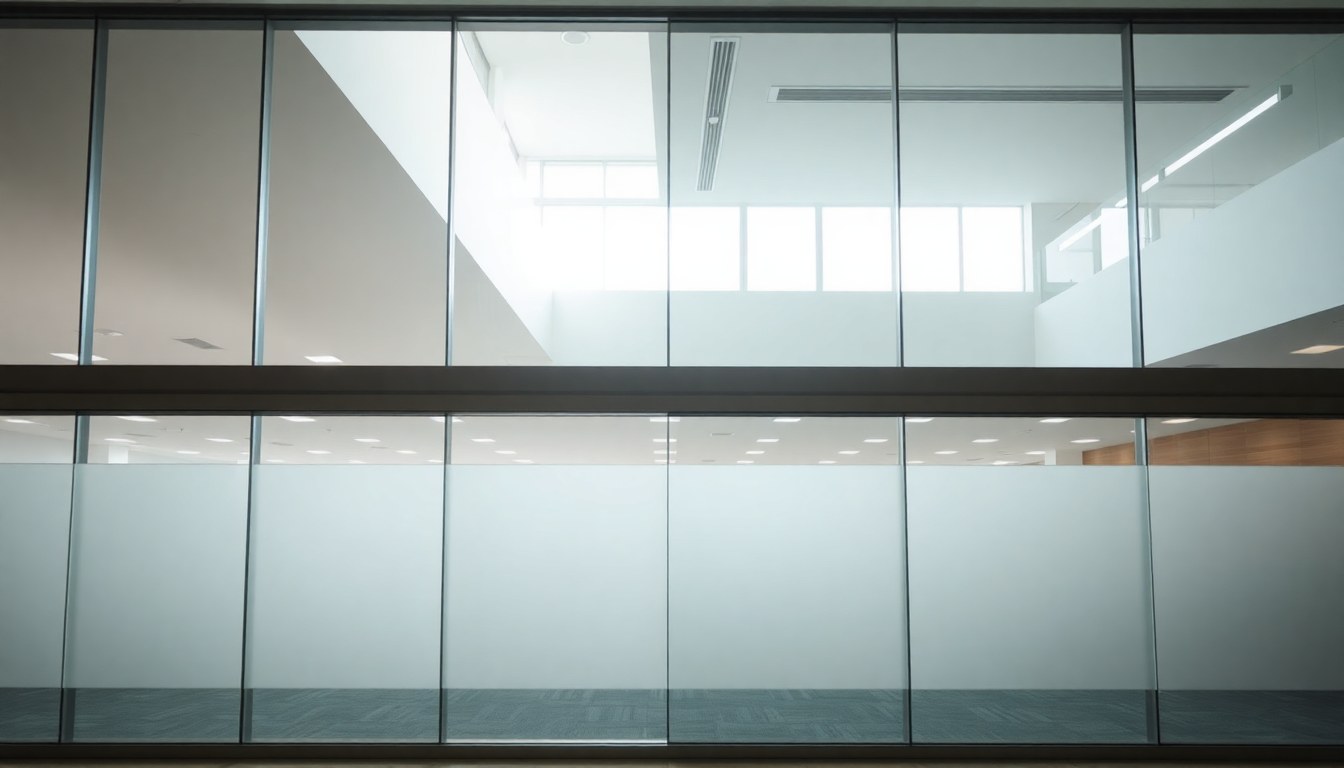
Fluted glass partitions have become a cornerstone of contemporary office design, offering a sophisticated balance between openness and privacy. These reeded surfaces diffuse light beautifully while providing acoustic benefits that traditional clear glass cannot match. Whether you're redesigning a Bangalore tech hub, a Mumbai corporate office, or a Delhi startup space, fluted glass delivers both visual appeal and functional sound control that modern workplaces demand.
What Are Fluted Glass Partitions?
Fluted glass, also called reeded glass, features parallel vertical grooves or ridges across its surface. These linear patterns are created during the manufacturing process, where molten glass is pressed through textured rollers or molds. The result is a semi-transparent surface that maintains visibility while obscuring fine details on the other side. Unlike frosted glass, which has a uniform matte finish, fluted glass creates directional visual diffusion that adds depth and sophistication to office interiors.
The grooves in fluted glass range from subtle (3–5mm spacing) to bold (10–15mm spacing), allowing architects and designers to customize privacy levels and aesthetic impact. Thicker fluting provides greater privacy and more pronounced acoustic benefits, while finer fluting maintains better light transmission and a more refined appearance. This versatility makes fluted glass suitable for executive cabins, meeting rooms, reception areas, and open-plan office dividers across Indian commercial spaces.
Manufacturing Standards in India
Indian glass manufacturers produce fluted panels to IS 2730 (Indian Standard for toughened safety glass) and follow Bureau of Indian Standards (BIS) guidelines for safety and durability. Most quality suppliers in cities like Pune, Hyderabad, and Chennai offer customizable fluting patterns and can integrate fluted glass with aluminum or steel frames for seamless partition systems.
Design Trends: Fluted Glass in Modern Offices
Contemporary office design has shifted away from fully enclosed cabins toward semi-transparent partitions that foster collaboration while protecting focus time. Fluted glass aligns perfectly with this trend, offering visual separation without the cold, sterile feel of solid walls. The linear texture adds visual interest and sophistication—a quality that appeals to companies seeking premium, design-forward workspaces.
Current design trends incorporating fluted glass include:
- Minimalist aesthetics: Clean lines and neutral tones pair fluted glass with exposed brick, concrete, or natural wood for industrial-modern spaces.
- Biophilic integration: Combining fluted glass partitions with indoor plants and natural light to create calming, productive environments.
- Colored fluted glass: Subtle tints (gray, bronze, or blue) add brand personality without sacrificing the light-diffusing properties.
- Modular systems: Fluted glass panels mounted on movable frames allow flexible reconfiguration as team structures evolve.
- Mixed materials: Pairing fluted glass with matte black aluminum frames or wooden trim for visual warmth and contrast.
High-growth sectors in India—fintech, IT services, design studios, and consulting firms—increasingly specify fluted glass for client-facing areas and collaborative zones. The aesthetic communicates professionalism and forward-thinking design without the impersonal feel of full transparency.
Privacy Benefits: Balancing Openness and Seclusion
One of the primary advantages of fluted glass is its ability to deliver privacy without creating visual barriers. The reeded surface obscures direct line-of-sight—you cannot clearly see activities, expressions, or details on the opposite side—while still allowing light and general movement to be visible. This "soft privacy" is ideal for open-plan offices where teams need focus without isolation.
Privacy levels depend on fluting depth and spacing:
- Fine fluting (3–5mm): Provides subtle privacy; suited for glass doors, windows, and areas where light transmission is prioritized.
- Medium fluting (6–8mm): Balances privacy and visibility; ideal for meeting room partitions and executive workspace dividers.
- Bold fluting (10–15mm): Maximum privacy; recommended for confidential zones, HR offices, and sensitive client meeting areas.
Unlike solid walls, fluted glass maintains the psychological benefit of an open office—employees feel connected to their environment and colleagues even when visual privacy is needed. This reduces the sense of isolation that can accompany traditional enclosed cabins, particularly important in Indian offices where collaborative culture is valued.
Light Diffusion and Acoustic Properties
Light Diffusion
Fluted glass excels at diffusing natural and artificial light. The grooved surface scatters light rays, reducing glare and creating soft, even illumination across office spaces. This is especially valuable in Indian climates where intense sunlight can cause discomfort and heat gain. Fluted glass reduces the need for heavy blinds or curtains, maintaining aesthetic continuity while improving visual comfort for employees working at desks or in meeting rooms.
The light-diffusing properties also enhance the perceived spaciousness of compact office layouts, common in expensive urban markets like Mumbai and Bangalore. Soft, diffused light makes smaller rooms feel larger and more welcoming than harsh, direct sunlight or artificial spotlighting.
Sound Dampening and Acoustic Benefits
Fluted glass provides measurable acoustic improvements over clear glass, though it does not match the sound isolation of solid walls or specialized acoustic panels. The grooved surface absorbs and scatters sound waves, reducing noise transmission by approximately 3–5 decibels (dB) compared to standard 6mm clear glass. While this may seem modest, it translates to a noticeable reduction in speech intelligibility and background noise, particularly in open-plan environments.
For maximum acoustic performance, fluted glass partitions should be:
- Combined with laminated or double-glazed construction for additional sound dampening.
- Sealed properly at frames and joints to prevent sound leakage.
- Paired with acoustic ceiling tiles and soft furnishings (carpets, curtains, upholstered furniture) for comprehensive noise control.
- Extended to the structural ceiling in high-noise environments (call centers, open trading floors).
In Indian call centers, IT offices, and collaborative workspaces where background noise is a challenge, fluted glass combined with acoustic design strategies significantly improves focus and reduces employee stress. Studies consistently show that noise reduction in offices improves productivity and job satisfaction—critical factors in competitive Indian markets.
Fluted Glass vs. Frosted Glass: A Comparative Analysis
Both fluted and frosted glass provide privacy and light diffusion, but they differ in aesthetics, manufacturing, and performance. Understanding these differences helps you select the right material for your office environment.
- Visual appearance: Fluted glass has directional linear patterns; frosted glass has a uniform, cloud-like finish. Fluted glass is more contemporary and visually dynamic, while frosted glass appears softer and more traditional.
- Light transmission: Fluted glass typically transmits 70–80% of light; frosted glass transmits 60–75%. Fluted glass is better for bright, airy spaces.
- Privacy level: Both offer similar privacy at comparable thicknesses, though fluted glass provides directional privacy (harder to see perpendicular to grooves).
- Acoustic performance: Fluted glass offers slightly better sound dampening due to the grooved surface scattering sound waves.
- Maintenance: Fluted glass requires more careful cleaning—dust settles in grooves. Frosted glass is easier to maintain.
- Cost: Fluted and frosted glass are similarly priced in India; specialty finishes or colors may vary. Both are more affordable than laminated or double-glazed options.
- Design versatility: Fluted glass suits modern, minimalist, and industrial aesthetics. Frosted glass works with traditional, corporate, and contemporary designs.
For most modern Indian offices, fluted glass is the preferred choice due to its superior aesthetics, light transmission, and acoustic benefits. However, frosted glass remains ideal for traditional corporate settings or where easier maintenance is a priority.
Specification and Installation Considerations
When specifying fluted glass partitions for your office, work with manufacturers and installers who understand Indian building codes and climate conditions. Key considerations include:
- Thickness: 6mm or 8mm toughened glass is standard for office partitions; 10mm for high-impact areas.
- Fluting direction: Vertical fluting is standard; horizontal fluting is less common and may affect light distribution.
- Frame material: Aluminum is lightweight and corrosion-resistant in humid Indian climates; steel offers industrial aesthetics but requires protective coatings.
- Sealing: Proper gasket and sealant selection ensures acoustic performance and prevents moisture ingress in monsoon-prone regions.
- Safety compliance: Ensure all glass meets IS 2730 and includes safety markings if required by local building codes.
- Thermal expansion: Account for India's temperature variations; proper framing prevents stress and cracking.
Professional installation is essential. Poor fitting or sealing compromises both acoustic and structural performance. Reputable glass suppliers in major Indian cities offer design consultation, custom fabrication, and installation services tailored to local conditions.
Cost and ROI for Indian Offices
Fluted glass partitions are a mid-range investment compared to other office partition options. In India, expect to pay:
- Basic fluted glass panels: ₹800–₹1,200 per square foot (material and installation).
- Premium finishes or custom fluting: ₹1,200–₹2,000 per square foot.
- Laminated or acoustic variants: ₹1,500–₹2,500 per square foot.
While fluted glass costs more than basic drywall partitions (₹300–₹600 per sq. ft.), it offers superior durability, flexibility, and aesthetic value. Fluted glass partitions are easily reconfigured or removed and relocated, making them ideal for growing startups and companies with evolving space needs. The improved light transmission also reduces artificial lighting costs and supports employee wellness—factors that contribute to long-term ROI.
For premium office spaces in Bangalore, Mumbai, Delhi, and Hyderabad, fluted glass adds perceived value and appeals to top talent seeking modern, well-designed workplaces. This intangible benefit—employee attraction and retention—often justifies the higher initial investment.
Frequently Asked Questions
Does fluted glass provide complete sound insulation?
Fluted glass reduces sound transmission by 3–5 decibels compared to clear glass, but it does not provide complete sound insulation. For maximum acoustic isolation, combine fluted glass with double-glazing, laminated construction, proper sealing, and complementary acoustic treatments like ceiling tiles and soft furnishings. In high-noise environments, extend partitions to the structural ceiling and seal all gaps.
Can fluted glass be tinted or colored?
Yes. Fluted glass is available in subtle tints such as gray, bronze, blue, and green. Colored fluted glass maintains the light-diffusing and acoustic benefits while adding brand personality to office spaces. Availability and customization options vary by manufacturer; consult with Indian glass suppliers for color samples and lead times.
How do I clean fluted glass partitions?
Use a soft cloth or microfiber duster to remove dust from grooves. For deeper cleaning, use a glass cleaner and a soft brush or old toothbrush to gently clean the fluted surface. Avoid abrasive materials that may scratch the glass. Regular maintenance (weekly dusting) prevents dust accumulation and maintains the aesthetic appeal of fluted glass.
Is fluted glass safe for office use?
Yes, when manufactured to Indian Standards (IS 2730 for toughened safety glass). Toughened fluted glass is heat-treated to be stronger than annealed glass and breaks into small, harmless fragments if shattered. Ensure your supplier provides safety certification and includes safety markings where required by local building codes.
Can fluted glass be used in humid climates like coastal Indian cities?
Absolutely. Toughened glass itself is unaffected by humidity. However, ensure that frame materials (aluminum or steel) are corrosion-resistant and that seals and gaskets are suitable for high-moisture environments. Quality suppliers in coastal cities like Mumbai, Chennai, and Kochi use marine-grade materials and proper sealing techniques to ensure durability in humid conditions.
Transform Your Office with Fluted Glass Partitions
Fluted glass partitions represent a smart investment in modern office design, delivering privacy, light control, and acoustic benefits without sacrificing the collaborative spirit that drives productivity. Whether you're outfitting a startup in Bangalore, a corporate office in Mumbai, or a design studio in Delhi, fluted glass adapts to your space and aesthetic while supporting employee wellbeing and focus. Explore the full range of fluted glass options, manufacturers, and installation specialists available on glassy.in—India's largest glass-business directory—to find the perfect solution for your office transformation.