
Glass Partitions
Acoustic Glass Partitions for Open Office Spaces: Sound Insulation Guide
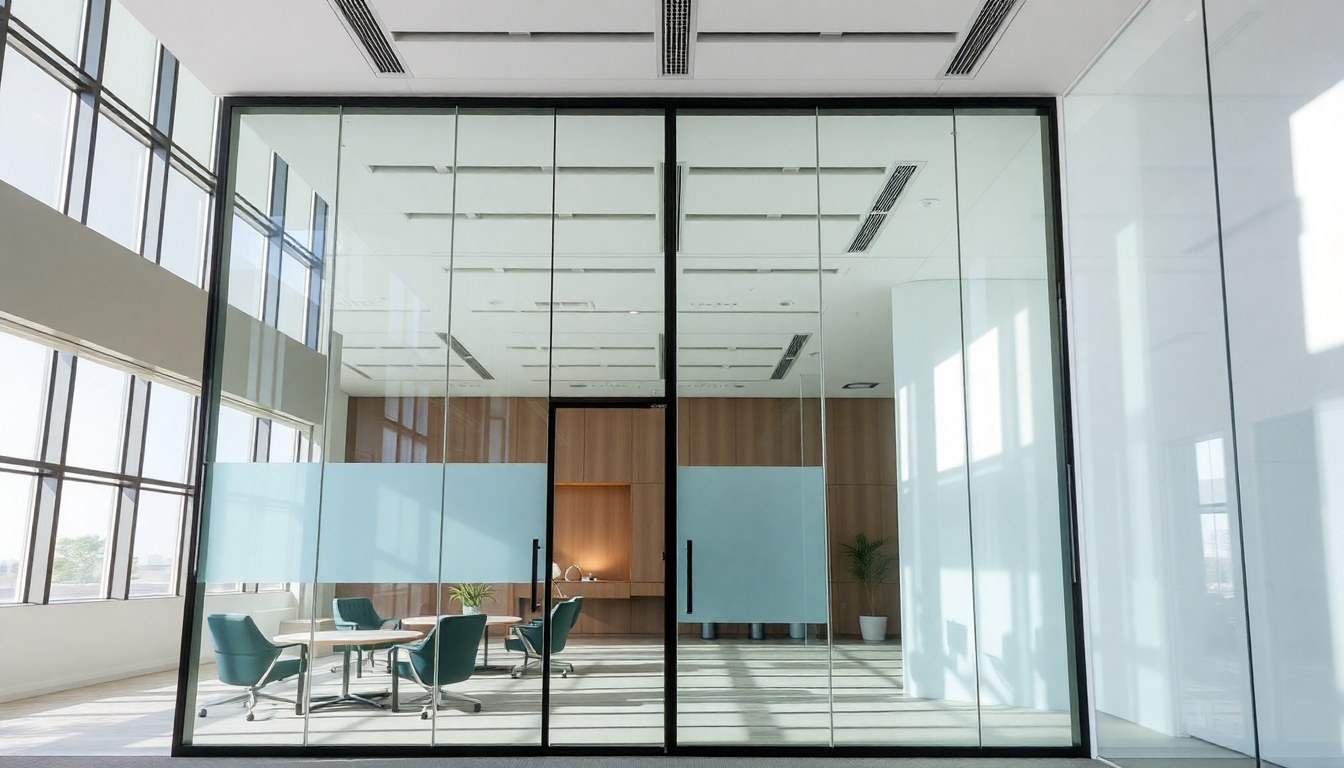
Open-plan offices maximize space efficiency and encourage collaboration, but unwanted noise becomes a major productivity killer. Acoustic glass partitions solve this challenge by delivering effective sound insulation while maintaining the visual openness and modern aesthetic that contemporary workplaces demand. This comprehensive guide explores how laminated acoustic glass works, its benefits, installation considerations, and how to choose the right solution for your office.
Understanding Acoustic Glass and How It Reduces Noise
Acoustic glass, also called soundproof or noise-reducing glass, is engineered to absorb and dampen sound vibrations rather than simply blocking them. The core technology relies on laminated glass construction—multiple glass panes bonded together with specialized interlayers, typically made from polyvinyl butyral (PVB) or ethylene vinyl acetate (EVA).
When sound waves strike acoustic glass, the interlayer absorbs the vibration energy instead of allowing it to pass through or reflect back into the space. This dissipation mechanism is far more effective than traditional single-pane or even standard double-glazing systems. The thicker the interlayer and the greater the mass of the glass assembly, the better the sound attenuation across different frequency ranges—from low-frequency rumble (traffic, machinery) to high-frequency noise (conversations, phone calls).
Decibel Reduction Capabilities
Quality acoustic glass partitions typically reduce noise by 30 to 50 decibels, depending on the specification and thickness. A standard acoustic partition might reduce conversation-level noise (around 60 dB) to near-whisper levels (below 50 dB) on the opposite side. For comparison, standard office glass offers minimal sound reduction—often just 5 to 10 dB—making acoustic solutions a transformative upgrade for noise-sensitive environments.
Why Open Offices Need Acoustic Solutions
The open-plan office trend has created a paradox: while it fosters communication and flexibility, it also exposes employees to constant distractions. Studies consistently show that noise interruptions reduce focus, increase stress, and lower productivity—particularly for roles requiring concentration such as programming, writing, analysis, or design work.
Acoustic glass partitions address this without reverting to cubicles or closed offices. They create semi-private zones that maintain sight lines and the sense of openness while providing genuine acoustic refuge. This is especially valuable in:
- Call centers and customer service areas where conversations must be confidential
- Collaborative zones adjacent to focused work areas
- Executive offices and meeting rooms within open layouts
- Breakout spaces where informal discussions shouldn't disrupt nearby desks
- IT and development areas where concentration is critical
Key Benefits of Acoustic Glass Partitions
Sound Insulation Without Losing Transparency
Unlike solid walls or opaque partitions, acoustic glass maintains visual connection across the office. This preserves the collaborative spirit of open-plan design while solving the noise problem. Employees can see movement, maintain eye contact for quick conversations, and feel part of a unified workspace—all while enjoying acoustic privacy.
Modern Aesthetic Appeal
Acoustic glass partitions deliver a contemporary, professional look that complements modern office design. They work seamlessly with minimalist interiors and can be customized with frosted finishes, colored interlayers, or branded graphics without compromising sound performance. This makes them far more visually appealing than traditional drywall or fabric-wrapped partitions.
Flexibility and Reconfigurability
Glass partition systems are modular and can be easily reconfigured, relocated, or expanded as your office layout evolves. Unlike permanent walls, acoustic glass systems allow you to adapt your space to changing team structures, project needs, or growth—without the cost and disruption of renovation.
Improved Employee Wellbeing and Productivity
Reduced noise stress directly improves employee satisfaction, focus, and retention. Acoustic solutions create an environment where people can concentrate, take calls confidentially, and collaborate without shouting over background noise. This translates to measurable productivity gains and a healthier workplace culture.
Cost-Effectiveness Over Time
While the initial investment in acoustic glass is higher than basic partitioning, the long-term value is substantial. You avoid the expense of structural modifications, enjoy flexibility that reduces future redesign costs, and benefit from improved employee performance and retention that offsets the upfront investment.
Types of Acoustic Glass Solutions for Offices
Full-Height Acoustic Partitions
These extend from floor to ceiling and provide maximum sound isolation. They work best for creating dedicated meeting rooms, executive spaces, or quiet zones within larger open areas. Full-height systems offer superior acoustic performance and create a clear psychological separation between spaces.
Partial-Height Partitions (Waist to Ceiling)
These run from approximately 1.2 to 1.5 meters up to the ceiling, maintaining sightlines while providing substantial noise reduction. Partial-height systems are popular in collaborative open offices where you want acoustic benefit without the enclosed feeling of floor-to-ceiling walls. They strike a balance between openness and privacy.
Framed vs. Frameless Systems
Framed acoustic partitions use aluminum or steel frames that house the glass panels, offering durability and design flexibility. Frameless systems use structural silicone bonding for a seamless, premium appearance that maximizes transparency. Both approaches deliver excellent acoustic performance; the choice depends on aesthetic preference and budget. Many architects and interior designers, such as those at LINEAR ARCHITECTS, recommend framed systems for high-traffic areas and frameless for executive or client-facing spaces.
Glass Specifications
Acoustic performance varies based on glass composition. Common options include:
- 6mm + 6mm laminated acoustic glass: Suitable for moderate noise reduction in standard office environments
- 8mm + 8mm or thicker configurations: Recommended for high-noise areas or where maximum privacy is essential
- Triple-laminate systems: Offer superior performance for specialized applications like broadcast studios or executive suites
Installation and Design Considerations
Acoustic Sealing Is Critical
The glass itself is only part of the equation. Proper installation with acoustic seals around all edges, joints, and door frames is essential for maximum performance. Even small gaps can significantly reduce effectiveness. Professional installation by experienced glass specialists ensures that sound paths are fully blocked.
Integration with HVAC and Services
Open offices require ventilation, electrical, and data systems. Acoustic partitions must be designed to accommodate these services without creating sound leaks. Careful planning ensures that ducts, cables, and conduits don't compromise acoustic performance. Interior design professionals like cube interiors can advise on integrating these elements seamlessly.
Door Solutions
Acoustic glass doors with proper seals are essential for enclosed spaces. Standard office doors are typically ineffective; acoustic-rated doors with gaskets and automatic door sweeps maintain partition performance. Door placement and swing direction should be planned to minimize noise paths.
Acoustic Doors and Hardware
Hinges, handles, and closing mechanisms must be selected to complement acoustic performance. Soft-close mechanisms reduce impact noise, and quality seals around door frames prevent sound leakage. These details often determine whether a partition system performs to specification.
Choosing the Right Acoustic Glass Partition System
Assess Your Noise Challenges
Identify the primary noise sources in your office—are they external (traffic, street noise) or internal (conversations, equipment)? Measure existing noise levels if possible. This assessment guides glass thickness and system type selection. High-frequency noise (conversations) requires different solutions than low-frequency rumble (machinery), and acoustic glass handles both effectively.
Define Your Acoustic Goals
Determine what noise reduction you need. Complete privacy for confidential calls requires different specifications than simply reducing background distraction. Work with acoustic consultants to establish realistic targets based on your space and budget.
Consider Aesthetic Integration
Acoustic glass partitions should complement your office design language. Options include clear glass for maximum transparency, frosted or tinted glass for privacy with a modern look, or custom graphics and branding. Discuss aesthetic preferences with design professionals early in the planning process.
Budget for Quality Installation
Professional installation is not an area to cut costs. Poor installation undermines even the best acoustic glass. Budget for experienced installers who understand acoustic sealing, structural integration, and quality assurance. Reputable glass dealers like Adithya Glass can recommend qualified installation partners in your region.
Plan for Future Flexibility
Choose modular systems that can be adapted as your office evolves. Partition systems that allow panel replacement, repositioning, or height adjustment provide better long-term value than fixed installations.
Acoustic Glass vs. Alternative Soundproofing Solutions
Several alternatives exist for office sound control, each with trade-offs:
- Fabric-wrapped partitions: More affordable but less durable, less professional-looking, and less effective for serious noise reduction
- Drywall walls: Effective for sound blocking but permanent, inflexible, and create an enclosed feeling that defeats the purpose of open-plan design
- Acoustic panels and ceiling treatments: Useful for absorbing sound within a space but don't isolate noise between zones effectively
- Acoustic glass partitions: Superior transparency, durability, flexibility, and aesthetic appeal, with excellent noise reduction across frequency ranges
For most modern offices seeking a balance between openness and acoustic performance, acoustic glass partitions outperform alternatives.
Frequently Asked Questions
How much noise do acoustic glass partitions actually reduce?
Quality acoustic glass partitions reduce noise by 30 to 50 decibels depending on specification and installation quality. A 40 dB reduction means that a normal conversation (60 dB) becomes barely audible on the other side. Thicker glass and better sealing improve performance. The exact reduction depends on the frequency of the noise—acoustic glass is particularly effective at reducing speech frequencies.
Can acoustic glass partitions be used in existing offices?
Yes, acoustic glass partition systems are designed for both new construction and retrofit installations. Modular framed systems can be installed in existing spaces with minimal disruption. However, integration with existing HVAC, electrical, and structural elements requires professional planning. Consult with experienced installers to assess feasibility and costs for your specific space.
Are acoustic glass partitions more expensive than regular glass partitions?
Yes, acoustic glass partitions cost 20 to 40 percent more than standard glass partitions due to the specialized laminated construction and acoustic interlayers. However, the cost difference is offset by superior performance, durability, and the productivity and wellbeing benefits they deliver. Over a 10 to 15-year office lifecycle, acoustic glass typically provides better value.
Can acoustic glass be customized with frosting, tinting, or branding?
Absolutely. Acoustic glass can incorporate frosted finishes, color tints, printed graphics, or branding without compromising sound performance. Customization options allow you to balance transparency with privacy while reinforcing your company identity. Discuss design preferences with your glass supplier during the specification phase.
What maintenance do acoustic glass partitions require?
Acoustic glass partitions require minimal maintenance—standard glass cleaning with appropriate cleaners keeps them looking new. The laminated construction is durable and resistant to impact. Periodic inspection of seals and hardware ensures continued acoustic performance. Unlike fabric partitions or acoustic panels, glass doesn't accumulate dust or harbor allergens, making it a hygienic choice for office environments.
Transform Your Office with Acoustic Glass Partitions
Acoustic glass partitions represent a smart investment in office functionality, employee wellbeing, and modern aesthetics. By combining effective sound insulation with transparency and design flexibility, they solve the core challenge of open-plan offices—noise distraction—without sacrificing the collaborative benefits of open layouts.
Ready to explore acoustic glass solutions for your office? Browse the extensive directory of glass specialists, architects, and interior designers on glassy.in. Whether you need consultation on system selection, professional installation, or custom design integration, you'll find experienced professionals ready to transform your workspace into a productive, acoustically comfortable environment. Visit glassy.in today and connect with leading glass businesses in your region.