
Glass Partitions
Fluted Glass Partitions vs Frosted Glass: Design & Durability Comparison
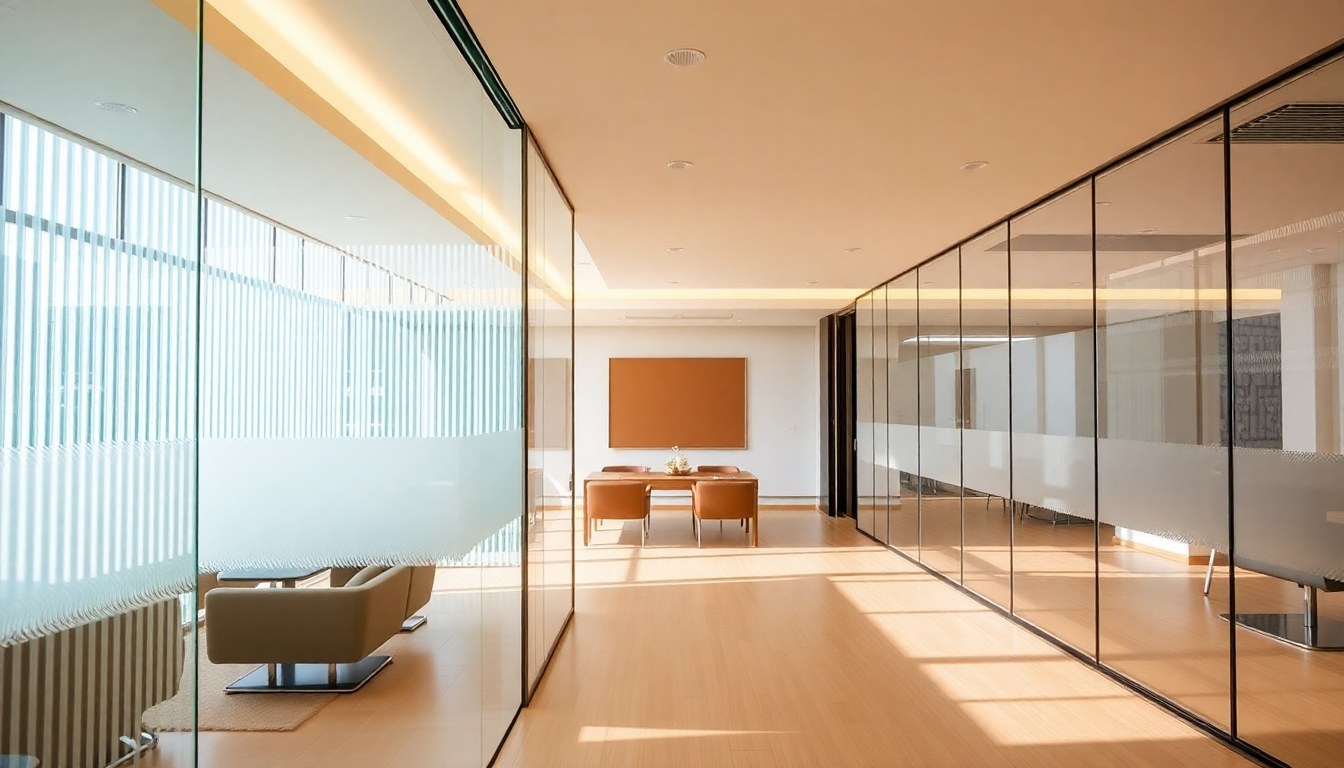
When designing modern office spaces or stylish home interiors, glass partitions offer privacy without sacrificing light and openness. But which type should you choose—fluted or frosted glass? Both options provide visual privacy while maintaining aesthetic appeal, yet they differ significantly in appearance, maintenance, and cost. This guide compares these two popular solutions to help you make an informed decision for your next project.
What Are Fluted and Frosted Glass Partitions?
Fluted glass, also known as reeded glass, features parallel vertical or horizontal grooves or ridges across its surface. These linear patterns create a distinctive textured appearance while diffusing light in a controlled manner. The grooves can be deep or subtle, offering varying degrees of visual interest and light refraction.
Frosted glass, by contrast, has a uniform, smooth matte finish achieved through acid etching or sandblasting the glass surface. This technique scatters light evenly across the entire panel, creating a soft, diffused glow without any visible texture patterns. Frosted glass provides consistent privacy from all angles while maintaining a clean, minimalist aesthetic.
Aesthetic Appeal and Design Flexibility
Fluted Glass Design Characteristics
Fluted glass partitions offer a more dramatic visual presence. The linear grooves create strong directional lines that can emphasize architectural elements or add dynamic visual interest to an otherwise plain space. This textured quality makes fluted glass particularly popular in contemporary and industrial design schemes. The grooves catch light at different angles throughout the day, creating subtle shadows and highlights that evolve with natural light changes.
Fluted glass works exceptionally well in modern office environments, luxury retail spaces, and upscale residential areas across Indian cities like Mumbai, Bangalore, and Delhi. The pattern is sophisticated yet bold, making it ideal when you want the partition itself to become a design feature rather than simply a functional divider.
Frosted Glass Design Characteristics
Frosted glass presents a more understated, elegant appearance. Its uniform matte finish creates a timeless aesthetic that complements virtually any interior style—from minimalist modern to traditional corporate environments. The lack of visible texture means frosted glass blends seamlessly into various design schemes without competing for visual attention.
This neutral quality makes frosted glass ideal for spaces where you want privacy without making a bold design statement. It's particularly popular in healthcare facilities, law offices, and residential bathrooms where a clean, professional appearance is essential. The consistent finish also means the partition maintains its aesthetic appeal regardless of viewing angle or lighting conditions.
Light Diffusion and Visibility
Both fluted and frosted glass diffuse light effectively, but in distinctly different ways. Fluted glass's linear grooves direct light along the ridges, creating a more controlled, directional light pattern. This means you get softer light than clear glass, but with visible texture and some directional quality. The light diffusion is less uniform, which can create interesting visual effects but may also cast subtle shadows.
Frosted glass provides more uniform, omnidirectional light diffusion. Light scatters evenly across the entire surface, creating consistent illumination without shadows or directional effects. This makes frosted glass superior for spaces where you need maximum light penetration with complete privacy—such as office cubicles or bathroom enclosures where you want to avoid any shadow patterns that might hint at movement.
For privacy levels, both options prevent clear visibility of details on the other side. However, fluted glass may allow slightly more light transmission due to its textured rather than frosted surface, making it feel slightly more open despite equal privacy levels.
Maintenance and Cleaning Requirements
Fluted Glass Maintenance
The grooved surface of fluted glass requires more careful maintenance than frosted glass. Dust, dirt, and moisture can accumulate in the channels between the ridges, making thorough cleaning more time-consuming. You'll need to use soft brushes or specialized cleaning tools to reach into the grooves and prevent buildup.
Regular maintenance is essential to keep fluted glass looking its best. Water spots and fingerprints may be more visible on the ridges due to light refraction. For commercial applications in Indian cities with high humidity or dust levels, this increased maintenance demand should factor into your decision. Professional cleaning services may be necessary for large installations.
Frosted Glass Maintenance
Frosted glass is significantly easier to maintain. The smooth, uniform matte surface means there are no grooves or crevices where dirt can accumulate. Standard glass cleaning with a microfiber cloth and appropriate cleaner is usually sufficient. Water spots and fingerprints are less noticeable on frosted surfaces compared to fluted glass.
This lower maintenance requirement makes frosted glass ideal for high-traffic areas or facilities with limited cleaning resources. The consistent finish also means cleaning doesn't reveal any underlying texture variations, so the appearance remains uniform over time with minimal effort.
Durability and Longevity
Both fluted and frosted glass partitions are equally durable when manufactured to standard specifications. The durability difference lies not in the glass itself but in how surface treatments hold up over time. Frosted glass's acid-etched or sandblasted surface is permanent and won't degrade or wear away with normal use and cleaning.
Fluted glass, being a textured form rather than a surface treatment, is also highly durable. The grooves are an integral part of the glass manufacturing process, not an applied coating. However, the textured surface can show wear patterns differently than frosted glass—fine scratches may be more visible on the ridges due to light refraction.
In terms of impact resistance, both types perform identically. The visual texture doesn't affect structural strength. Both will require replacement if broken, though neither is more prone to breakage than standard glass. For long-term installations in Indian offices and homes, both options will maintain their functional properties for 10-15+ years with proper care.
Cost Comparison and Value for Money
Pricing for fluted and frosted glass partitions varies based on thickness, size, and supplier, but generally they're comparable in cost. Standard frosted glass typically ranges from ₹1,200 to ₹2,500 per square meter in India, while fluted glass ranges from ₹1,500 to ₹3,000 per square meter. The price difference depends on the depth and pattern of the fluting, with more dramatic grooves commanding premium prices.
When calculating total cost of ownership, consider maintenance expenses. Frosted glass's lower maintenance requirements can result in significant savings over time, especially for large commercial installations. A partition that costs slightly more upfront but requires less professional cleaning and maintenance may offer better long-term value.
Installation costs are typically identical for both types. The real financial consideration is whether you're paying for a design statement (fluted glass's visual impact) or functional privacy with minimal aesthetic presence (frosted glass). Your budget and design priorities should guide this decision more than raw material costs.
Which Option Is Right for Your Space?
Choose fluted glass if you want the partition to serve as a design feature, if you're creating a contemporary or upscale commercial space, and if you don't mind regular maintenance. It's ideal for executive offices, luxury retail environments, high-end residential interiors, and any space where the partition itself contributes to the overall aesthetic impact.
Choose frosted glass if you prioritize ease of maintenance, need maximum light diffusion without directional effects, want a timeless neutral aesthetic, or are designing high-traffic areas. It's perfect for office cubicles, healthcare facilities, bathrooms, law offices, and any space where functionality and low-maintenance operation matter most.
Consider your location within India as well. In dusty or humid climates, frosted glass's easier maintenance becomes more valuable. In design-forward cities like Mumbai or Bangalore, fluted glass's aesthetic impact may justify the additional upkeep.
Frequently Asked Questions
Can frosted glass be made to look like fluted glass?
No, frosted and fluted glass are fundamentally different. Frosted glass has a uniform matte finish, while fluted glass has distinct linear grooves. You cannot convert one to the other without replacing the glass entirely. However, you can choose whichever aesthetic you prefer when ordering new partitions.
Which glass option provides better privacy?
Both fluted and frosted glass provide excellent privacy by preventing clear visibility of details on the other side. Frosted glass offers slightly more consistent privacy from all angles, while fluted glass's directional grooves mean privacy is equally effective but varies slightly depending on viewing angle. For most practical purposes, both are equally private.
Is fluted glass more expensive to install than frosted glass?
Installation costs are typically the same for both options. The price difference, if any, comes from the material cost and ongoing maintenance. Fluted glass may cost slightly more initially, but frosted glass's lower maintenance expenses often result in better long-term value.
How do I clean fluted glass partitions effectively?
Use a soft-bristled brush or microfiber cloth with glass cleaner to gently clean the grooves. For stubborn buildup, use a small brush specifically designed for textured surfaces. Avoid abrasive cleaners that might scratch the ridges. Professional cleaning services are recommended for large installations or heavy soiling.
Which glass type is better for humid environments like bathrooms?
Frosted glass is generally better for humid environments because moisture and mineral deposits are less visible on the uniform matte surface and don't accumulate in grooves. Fluted glass in bathrooms requires more frequent cleaning to prevent water spots and mineral buildup in the channels.
Ready to upgrade your space with quality glass partitions? Explore trusted glass suppliers and manufacturers across India on glassy.in, India's largest glass-business directory. Find the perfect fluted or frosted glass solution for your home or office today.