
Glass Partitions
Fluted Glass Partitions vs Frosted: Aesthetic and Functional Differences
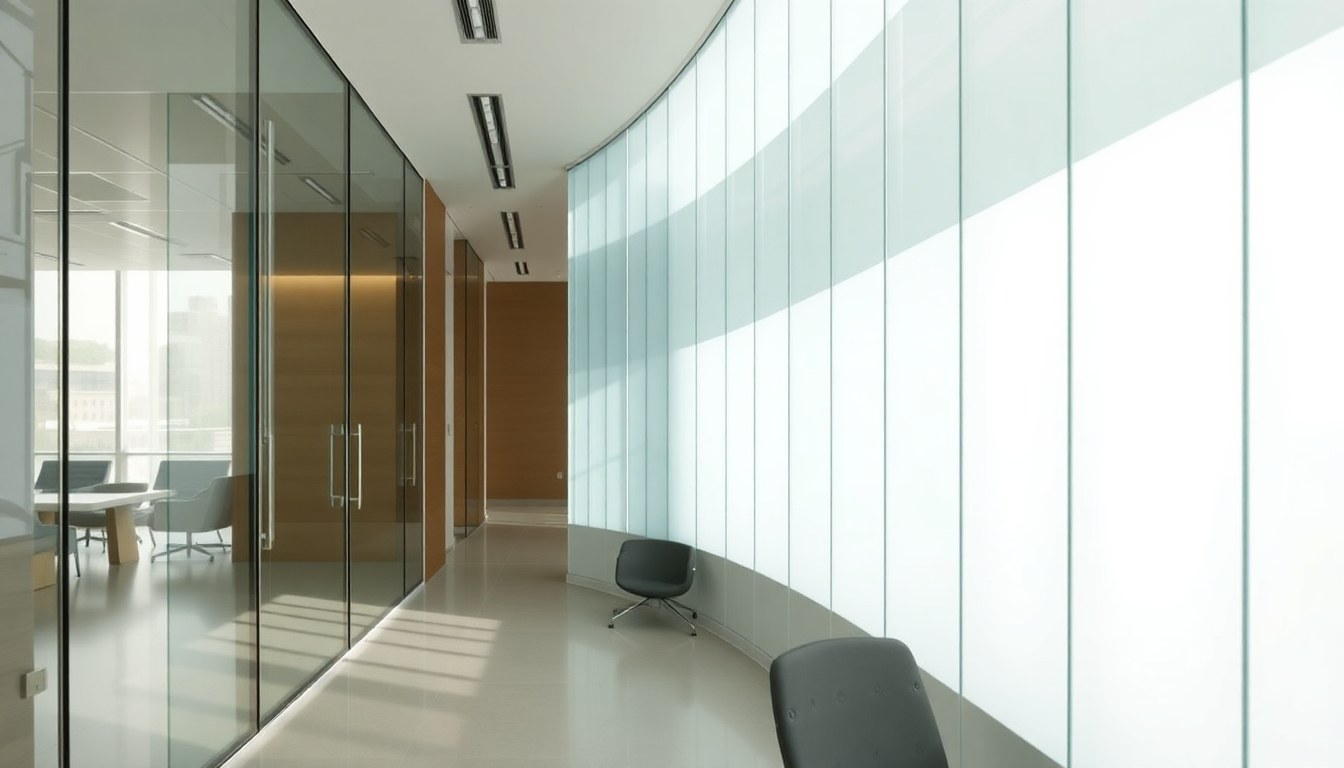
When designing modern interiors, glass partitions have become the go-to solution for creating open yet defined spaces. But the choice between fluted and frosted glass can significantly impact both the look and feel of your room. Understanding the key differences in light diffusion, privacy levels, maintenance requirements, and cost will help you select the perfect partition for your home or office.
What Are Fluted and Frosted Glass Partitions?
Fluted glass, also called reeded glass, features parallel vertical ridges or grooves that run across its surface. These grooves create a distinctive linear pattern and are typically uniform in depth and spacing. The ridges refract light in specific directions, creating subtle shadows and visual texture while maintaining a degree of transparency.
Frosted glass, on the other hand, has a uniformly textured surface created through acid etching, sandblasting, or special coating processes. This technique scatters light diffusely across the entire surface, resulting in a uniform, milky appearance. Unlike fluted glass, frosted glass doesn't have directional patterns—it obscures vision more evenly from all angles.
Manufacturing Process Differences
Fluted glass is manufactured by pressing molten glass through rollers with grooved patterns, or by applying adhesive films with reeded designs to flat glass sheets. The process is relatively straightforward and allows for consistent pattern replication.
Frosted glass production involves either chemical etching with hydrofluoric acid, mechanical sandblasting, or applying frosted vinyl films. Chemical etching offers a permanent, smooth finish, while sandblasting creates a more textured surface. Both methods result in a surface that scatters light uniformly.
Light Diffusion and Transparency Comparison
One of the most noticeable differences between these two glass types is how they handle light. Fluted glass maintains directional light transmission—light passes through but is refracted by the grooves, creating a sense of depth and movement. You can often make out shapes and silhouettes on the other side, though details remain obscured. This makes fluted glass ideal for spaces where you want some visual connection while maintaining privacy.
Frosted glass diffuses light uniformly across its surface, creating a soft, even glow. It scatters light in all directions, which means visibility is reduced more completely than with fluted glass. If someone stands directly in front of frosted glass, you'll see only a vague outline rather than recognizable shapes. This uniform light diffusion makes frosted glass particularly effective for creating a sense of calm and reducing visual clutter.
- Fluted glass: Directional light refraction, maintains some shape visibility, creates linear shadow patterns
- Frosted glass: Uniform light scattering, minimal shape visibility, soft ambient glow
Privacy Levels and Visual Control
Privacy requirements vary depending on your space. Fluted glass provides moderate privacy—it prevents clear vision of activities but doesn't completely obscure movement or large shapes. This works well in office environments where you want to know if someone is present without seeing exactly what they're doing. The linear pattern of the grooves also creates visual interest while maintaining a professional appearance.
Frosted glass offers superior privacy due to its uniform light scattering. It's nearly impossible to see through frosted glass from either side, making it ideal for bathrooms, medical offices, and sensitive work areas. The trade-off is that you lose all sense of whether someone is on the other side of the partition, which can sometimes feel less connected in residential settings.
Privacy Rating Scale
On a privacy scale of 1-10 (with 10 being complete opacity), fluted glass typically rates 6-7, while frosted glass rates 8-9. The exact rating depends on glass thickness, groove depth (for fluted), and the frosting method used.
Maintenance, Durability, and Cleaning
Maintenance is a critical practical consideration that often gets overlooked during the selection process. Fluted glass's grooved surface is a magnet for dust and fingerprints. The ridges trap particles, and cleaning requires extra effort to remove debris from the grooves. You'll need a soft brush or cloth to work into the channels, making routine cleaning more time-consuming than smooth glass surfaces.
Frosted glass, despite its textured appearance, is actually easier to maintain. The uniform surface doesn't have deep grooves where dust accumulates. Fingerprints are less visible on frosted glass due to its matte finish, and cleaning typically requires just a microfiber cloth and standard glass cleaner. This makes frosted glass a better choice for high-traffic areas or spaces where frequent cleaning isn't feasible.
- Fluted glass cleaning: Requires soft brushes, more frequent maintenance, grooves trap dust
- Frosted glass cleaning: Simple microfiber cloth cleaning, fingerprints less visible, lower maintenance burden
Both types are equally durable when manufactured from quality materials. Fluted glass from reputable manufacturers in India, such as those in Bengaluru and Hyderabad, typically last 15-20 years or more. Frosted glass durability depends on the frosting method—acid-etched frosting is permanent, while frosted films may need replacement every 7-10 years.
Cost Comparison and Value for Money
Pricing varies based on glass thickness, size, and local market conditions. In India, fluted glass partitions typically cost between ₹1,200 to ₹2,500 per square foot for basic installations, depending on the region and supplier. Premium fluted glass from specialized manufacturers may reach ₹3,000+ per square foot.
Frosted glass partitions generally range from ₹1,000 to ₹2,200 per square foot for acid-etched finishes, with frosted film applications at the lower end (₹800-₹1,500). The cost difference is often minimal, so your choice should be based on functionality rather than price alone.
Long-Term Cost Considerations
While initial installation costs are similar, maintenance expenses differ significantly. Fluted glass may require professional cleaning services more frequently, adding ₹500-₹1,500 per cleaning session. Frosted glass's lower maintenance needs translate to reduced long-term costs. Additionally, if you opt for frosted films, you may face replacement costs every 7-10 years, whereas permanent frosting or fluted glass lasts indefinitely.
Best Applications: Residential vs Commercial Spaces
The ideal choice depends on your specific use case. In residential settings, fluted glass works beautifully for creating visual separation while maintaining a sense of openness. It's popular for home offices, bedroom partitions, and decorative room dividers where you want aesthetic appeal alongside moderate privacy. The linear pattern adds architectural interest that many homeowners find attractive.
For commercial spaces, frosted glass is often the preferred choice. It provides the privacy required for executive offices, conference rooms, and sensitive work areas while maintaining a professional appearance. The uniform finish photographs well and doesn't show dust or fingerprints as readily, which is important in client-facing environments. Frosted glass also pairs well with modern office design trends emphasizing minimalism and clean lines.
Specific Use Cases
- Home offices: Fluted glass for aesthetic appeal and moderate privacy
- Bathrooms: Frosted glass for complete privacy and moisture resistance
- Conference rooms: Frosted glass for professional appearance and focus
- Living room dividers: Fluted glass for maintaining visual connection with ambient light
- Medical/legal offices: Frosted glass for client confidentiality
- Retail displays: Fluted glass for showcasing products with artistic flair
Design Aesthetics and Interior Compatibility
Fluted glass has a more decorative, textured appearance that works particularly well with contemporary, industrial, and transitional design styles. The grooves create visual depth and catch light beautifully throughout the day, adding dynamic interest to interior spaces. It's especially popular in premium residential projects across major Indian cities like Delhi, Mumbai, and Bangalore.
Frosted glass offers a cleaner, more minimalist aesthetic that suits modern, Scandinavian, and corporate design schemes. Its uniform finish is less visually busy, making it ideal for spaces where you want a calm, uncluttered environment. Frosted glass also works well in traditional spaces when used in conjunction with wooden frames or classic architectural elements.
Frequently Asked Questions
Which glass partition provides better soundproofing: fluted or frosted?
Neither fluted nor frosted glass provides significant soundproofing benefits on their own. Both are single-layer solutions that transmit sound relatively freely. If sound reduction is important, you'll need laminated glass, double-glazing, or acoustic glass panels regardless of whether you choose fluted or frosted finishes. The grooves in fluted glass don't meaningfully impact sound transmission.
Can fluted glass be used in bathrooms and wet areas?
Yes, fluted glass can be used in bathrooms, but it requires more maintenance in humid environments. The grooves can trap water droplets and mineral deposits, requiring regular cleaning to prevent buildup. Frosted glass is generally a better choice for bathrooms because its smooth surface is easier to dry and maintain, and it provides superior privacy when combined with proper ventilation.
Is frosted glass permanent or can it be reversed?
If your frosted glass is created through acid etching or sandblasting, the frosting is permanent and cannot be reversed without replacing the glass. However, if you've used frosted vinyl film, it can be removed and replaced. When choosing frosted glass for permanent installations, ensure you're satisfied with the finish before committing, as changing your mind later will require costly replacement.
Which option is better for a home office: fluted or frosted glass?
Fluted glass is generally better for home offices because it maintains a sense of openness and visual connection to the rest of your home while providing adequate privacy. The aesthetic appeal of fluted glass also enhances the professional appearance of your workspace. However, if you need maximum privacy or prefer a minimalist design, frosted glass is an excellent alternative.
How thick should glass partitions be for durability?
For both fluted and frosted glass partitions, 10mm thickness is the minimum recommended for structural integrity and safety. 12mm glass offers better durability and sound dampening. For commercial applications or floor-to-ceiling partitions, 12-15mm glass is advisable. Thicker glass also feels more substantial and provides better long-term value despite higher initial costs.
Make Your Choice with Confidence
Both fluted and frosted glass partitions offer distinct advantages depending on your priorities. Choose fluted glass if you value aesthetic appeal, directional light control, and a sense of visual connection. Opt for frosted glass if privacy, easy maintenance, and a minimalist design are your primary concerns. Visit the glassy.in directory to connect with India's leading glass partition manufacturers and suppliers who can provide samples, expert consultation, and custom solutions tailored to your specific needs.