
Glass in Green Building Design: A Sustainable Solution
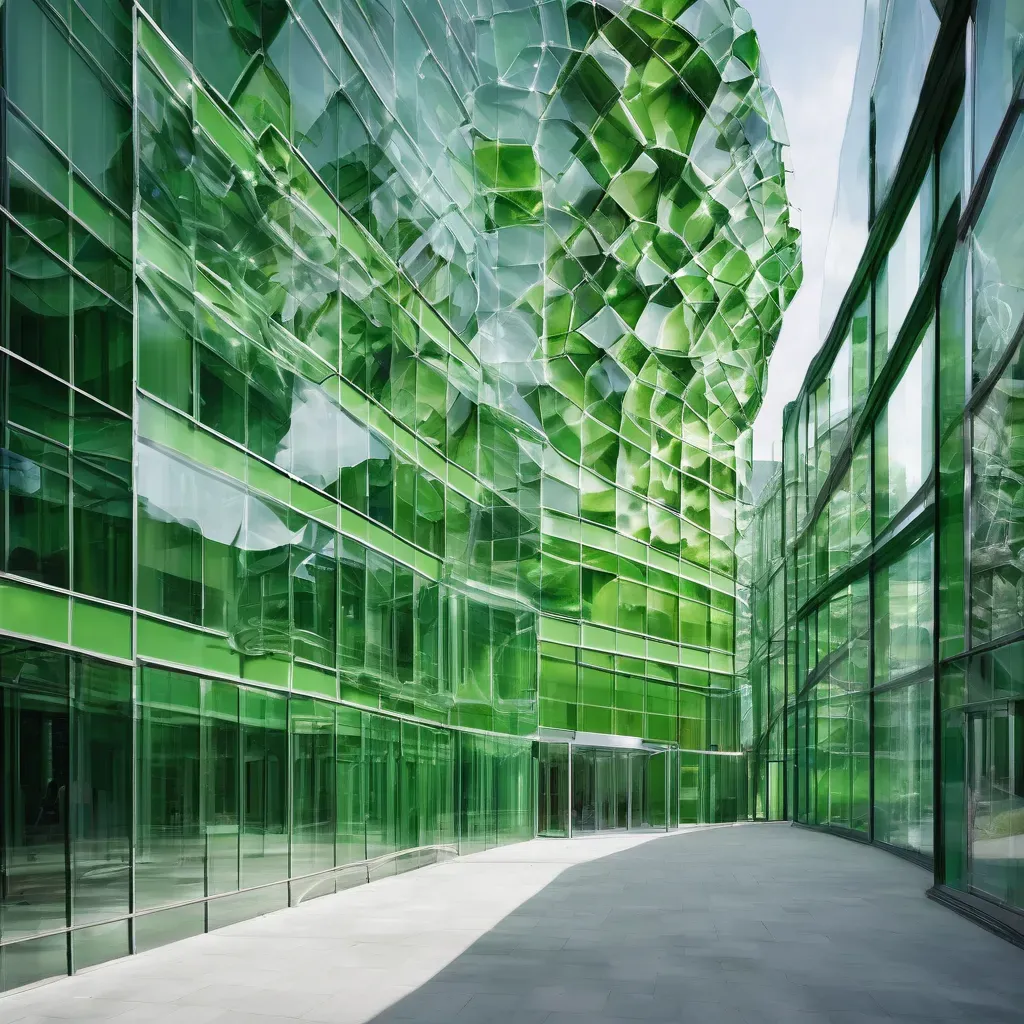
The Role of Glass in Green Building Design: Marrying Sustainability and Aesthetics
In the quest for sustainability and energy efficiency, architectural innovation has taken center stage, and one material stands out for its essential role: glass. Often celebrated as a symbol of transparency and openness, glass is now a crucial element in green building design. By seamlessly blending functionality, energy conservation, and aesthetics, glass is transforming modern architecture while adhering to the principles of eco-friendly construction.
This article explores how glass contributes to sustainable building practices, integrates art into design, and creates innovative, energy-efficient spaces that embody harmony with the environment.
Glass: The Backbone of Green Building Design
Green building design focuses on minimizing negative environmental impacts while optimizing energy usage and conservation. Glass, with its versatility and advanced technological adaptations, plays a pivotal role in achieving these goals.
Modern glass materials—such as low-emissivity (Low-E) glass, solar control glass, and double-glazed panels—help regulate indoor temperatures, significantly reducing energy consumption. These high-performance glass solutions provide thermal insulation and prevent heat loss in colder months while reflecting unwanted heat during warmer periods. By reducing the reliance on artificial heating and cooling systems, architects can design structures that are environmentally responsible and cost-effective in the long run.
For example, a commercial high-rise or a home adorned with large windows made of Low-E glass ensures ample natural light penetrates the space, reducing the need for artificial lighting. Additionally, innovations in glass technology allow these windows to filter UV rays—enhancing comfort and protecting interiors such as furniture, artwork, and flooring from sun damage.
Incorporating glass into green design is not merely an environmentally conscious decision but also a financial strategy. Energy-saving properties directly translate to lower utility bills for residents or building operators, making it an attractive investment over the building’s lifetime.
A Union of Function and Art
Beyond its energy-efficiency benefits, glass elevates the artistic and aesthetic potential of a structure. Architects and designers have long relied on glass to create spaces that exude elegance and modernity. Its transparency serves as a conduit for connecting interiors with their natural surroundings, fostering an environment of openness and calm.
One of the most exciting trends in architecture today is marrying “Art & Glass” in a way that enriches green building projects. Designers are increasingly using artistic glass installations, stained glass panels, and custom-designed etched glass elements to create focal points in interiors and exteriors alike. Because glass offers immense customization potential, its aesthetic appeal can be easily tailored to reflect a building’s personality and purpose.
From public spaces to private residences, incorporating glass art into a structure adds depth and character while preserving energy efficiency. Imagine walking into an office building where a colorful, solar-absorbing stained glass facade greets visitors, combining visual impact with functionality. Such examples are not merely decorative but proof of how art and sustainability can synergize through purposeful design choices.
Discover more about glass art and customized solutions at Glassy, your destination for artistic and functional glass creations.
Natural Light: The Ultimate Energy Saver
Perhaps the most evident—and impactful—role of glass in green buildings is its ability to enhance natural daylighting. Strategic placement of windows, skylights, and glass facades ensures that interior spaces remain well-lit throughout the day. Daylighting not only cuts down on energy consumption but also has well-documented positive effects on mood, productivity, and overall well-being.
For instance, in office settings, abundant natural light has been linked to increased employee satisfaction and improved efficiency. Similarly, residential spaces flooded with sunlight feel more welcoming and comfortable, offering benefits beyond energy savings.
Architects can also utilize glass to diffuse natural light creatively, bringing illumination to spaces where direct sunlight may otherwise be unavailable. Textured or frosted glass achieves this effect while adding an artistic element to the design.
Glass Facades: Building Bridges with Nature
Green building design is, at its core, an ideology that emphasizes harmony between human-made structures and the natural world. Glass facades are an exceptional tool for achieving this equilibrium.
Large, transparent glass walls and floor-to-ceiling windows create seamless transitions between indoor and outdoor spaces. Structures featuring expansive glass surfaces often give occupants the feeling of being immersed in nature, aligning with growing trends like biophilic design, which prioritizes human-nature connection.
Additionally, architects are designing “living buildings” with features like green roofs or vertical gardens alongside glass structures. These cohesive designs synchronize glass’s clarity and openness with the organic qualities of plants, resulting in greener, healthier environments.
A particularly noteworthy example is integrating solar photovoltaic (PV) technology into glass. Known as building-integrated photovoltaics (BIPV), this innovation involves embedding solar cells within glass panels to provide clean, renewable energy while continuing to serve as a structural or design element.
For ideas on how to transform architectural elements into sustainable masterpieces, visit Glassy.
Recycling and Sustainability of Glass
Sustainability in green design extends beyond energy performance—it also includes material life cycles. Glass is 100% recyclable, which makes it one of the most sustainable construction materials available. Recycled glass can be repurposed into new glass products, reducing waste and conserving raw materials.
Using recycled or upcycled glass contributes to earning sustainability certifications, such as LEED (Leadership in Energy and Environmental Design), for a building. In addition, the use of glass in energy-efficient windows, insulation materials, and artistic elements aligns with environmentally conscious goals, highlighting its all-around versatility.
A Bright Future for Glass in Architecture
As green building practices become the cornerstone of modern design, the interaction between art, functionality, and sustainability becomes increasingly important. Glass epitomizes this confluence, offering architects and designers a material that effectively meets the technical demands of energy efficiency while providing a blank canvas for creative expression.
Looking ahead, ongoing advancements in glass technology—such as electrochromic glass that tints automatically or self-cleaning glass with built-in hydrophobic properties—promise to revolutionize sustainable architecture. With its adaptability, recyclability, and timeless aesthetic appeal, glass will remain a defining feature in the future of green building design.
By incorporating innovative glass solutions, architects can ensure not only reduced environmental impact but also inspiring environments that celebrate the beauty of nature. Whether through vibrant glass artwork, energy-efficient installations, or seamless views of the outdoors, glass continues to prove its unmatched significance in modern, sustainable design.
In this era of mindful living and environmental consciousness, glass is no longer just a window to the outside world—it’s the window to a greener, brighter future. # The Role of Glass in Green Building Design
In the evolving world of architecture, sustainable and energy-efficient construction practices have become a cornerstone of modern design. At the heart of these practices lies an often-overlooked yet transformative material: glass. Renowned for its versatility, beauty, and functionality, glass has emerged as a vital component in green building design, offering innovative solutions that intersect sustainability, energy efficiency, and artistry.
Glass: A Sustainable Choice For Green Buildings
When considering green building materials, glass stands out due to its unique properties. Modern advancements in glass technology have revolutionized how we incorporate this material into eco-friendly designs. From energy savings to reducing carbon footprints, glass plays a crucial role in paving the way for sustainable architecture.
Energy Efficiency Through Natural Lighting
One of the primary benefits of glass in green buildings is its ability to maximize natural light. Large, strategically placed windows and skylights allow sunlight to pour into interiors, reducing reliance on artificial lighting during the day. This concept, known as “daylighting,” not only decreases energy consumption but also enhances occupant well-being by creating bright, uplifting spaces that connect people with the outdoors.
High-performance glass options, such as low-emissivity (Low-E) glass, take this benefit further. These glass types minimize the transfer of heat, helping to maintain a comfortable indoor temperature regardless of exterior weather conditions. By reducing the need for extensive heating or cooling systems, buildings achieve better energy efficiency, lowering their environmental impact.
Thermal Insulation and Climate Control
Gone are the days when glass was considered inefficient for insulation. Thanks to advancements in glazing technology, modern architectural glass solutions—like double- and triple-glazed windows—offer excellent thermal insulation. They prevent heat loss during winter and block excessive heat during summer, ensuring optimal indoor temperatures year-round. This contributes to significant energy savings, making glass-clad structures both eco-friendly and cost-effective.
Innovations in Glass Technology for Sustainability
The role of glass in green buildings extends beyond traditional glazing options. Today, various cutting-edge technologies have elevated the material’s functionality, ensuring that it contributes actively to sustainable design goals.
Solar Control Glass
Solar control glass prevents overheating by selectively filtering sunlight. By blocking ultraviolet (UV) and infrared (IR) rays while allowing visible light to pass through, it reduces heat gain inside the building. This not only enhances indoor comfort but also reduces the strain and energy demands on air conditioning systems.
Photovoltaic (PV) Glass
Photovoltaic glass merges energy efficiency with renewable energy generation. Integrated with solar cells, this glass can convert sunlight into electricity while maintaining its transparency. PV glass is being increasingly used in façades, windows, and even skylights, turning buildings into self-sustaining energy producers.
Smart Glass / Switchable Glass
The advent of smart glass technology has introduced a dynamic element to sustainability. Switchable glass allows users to control its opacity levels, transitioning from transparent to opaque at the press of a button. This capability not only increases privacy but also helps manage temperature by reducing unnecessary heat gain, eliminating the need for blinds or curtains.
The Intersection of Art and Sustainability
Glass in green building design transcends functionality—it opens a world of opportunity for creativity and artistic expression. Designers and architects are increasingly using glass to blend artistry with sustainability, creating visually stunning structures that inspire and innovate.
Incorporating glass as an artistic element can elevate a building’s design while contributing to eco-conscious practices. For example, stained glass panels, etched partitions, or colorful laminated glass can transform interiors into visually striking spaces. Artistic glass installations not only enrich building aesthetics but also showcase the material’s ability to foster human connection with art and nature.
Glass bridges, atriums, and sculptural façades are excellent examples of how designers seamlessly merge form and function, creating architecture that is both sustainable and inspiring. It’s no wonder that many cutting-edge green buildings are celebrated for their innovative use of art and glass, striking the perfect balance between environmental responsibility and beauty.
For instance, incorporating elements like glass curtain walls can elevate the elegance of a building while enabling uninterrupted outdoor views. These design innovations redefine conventional architecture, emphasizing open spaces and interactivity rather than closed-off, energy-intensive designs.
How Glass Contributes to Green Certification
The central principles of green building design revolve around efficiency in resource use and a low environmental footprint, goals that align well with the properties of glass. Buildings with prominent glass applications can often earn green building certifications, such as LEED (Leadership in Energy and Environmental Design).
Windows and façades with smart or energy-efficient glass satisfy multiple LEED criteria, including thermal performance, natural light optimization, energy efficiency, and resource conservation. It’s no surprise that glass has become a go-to choice for architects competing to meet stringent sustainability benchmarks.
The Future of Glass in Green Buildings
The future of sustainable construction lies in continued innovation, and glass is at the center of this evolution. With advancements in nanotechnology, AI-powered building management systems, and biodegradable material composites, the role of glass is rapidly expanding. In the coming years, we can expect buildings to feature intelligent glass systems that autonomously adjust to external conditions, making energy optimization seamless and automated.
The green design movement also opens up exciting opportunities for blending glass with other materials such as wood, stone, or metal to create harmonious, nature-inspired aesthetics. This trend holds particular significance in biophilic architecture, where materials like glass play a key role in connecting occupants with the natural environment.
Conclusion
Glass is not just a practical building material; it’s a true game-changer in the world of green building design. Its ability to combine sustainability, energy efficiency, and artistic potential has made it indispensable for architects who aspire to create forward-thinking, eco-conscious spaces. Whether it’s harnessing sunlight to reduce energy use or serving as a canvas for creative expression, glass consistently proves its unparalleled value in shaping the future of sustainable architecture.
For more insights into how innovative glass solutions are transforming architecture and design, visit Glassy and explore a world where functionality meets art and sustainability.
In the realm of green building design, glass is more than just a material; it’s a promise of a brighter, more sustainable tomorrow. By embracing its potential, architects, designers, and building owners have the ability to create structures that are not only environmentally responsible but also truly works of art. Let’s reframe the way we think about glass—not just as a window to the world, but as the foundation for a sustainable future.
Explore the possibilities of glass in design and interiors to achieve your green building goals by visiting the experts at Glassy—where innovation meets creativity.