
Glass Facades
Glass Facade vs Traditional Exterior: Which is Better for Hyderabad Climate?
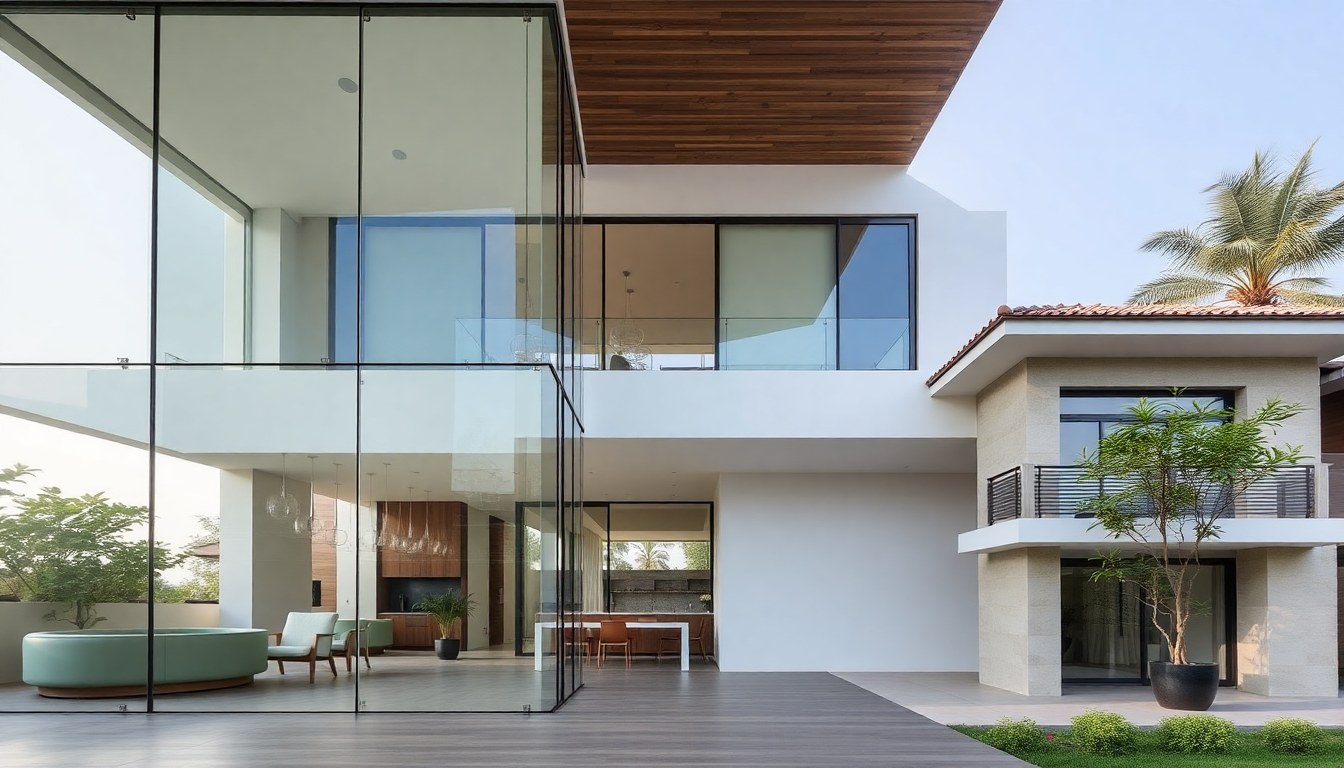
Hyderabad's scorching summers, with temperatures soaring above 40°C, demand careful consideration when selecting building exteriors. While glass facades offer modern aesthetics and contemporary appeal, traditional exteriors using brick, stone, and plaster have served the city for generations. The choice between these two approaches significantly impacts energy consumption, comfort levels, and long-term maintenance costs in Hyderabad's predominantly hot and semi-arid climate.
Understanding Hyderabad's Climate Challenges
Hyderabad experiences a tropical wet and dry climate with three distinct seasons: a hot summer from March to June, a monsoon season from July to September, and a mild winter from November to February. The summer months present the greatest challenge for building exteriors, with intense solar radiation and high ambient temperatures creating substantial cooling loads.
The city receives approximately 2800 hours of bright sunshine annually, translating to significant solar heat gain through building envelopes. During peak summer, exterior wall surfaces can reach temperatures exceeding 60°C, making thermal performance a critical factor in exterior selection. Additionally, the monsoon brings heavy rainfall that tests the water resistance and durability of building facades.
Traditional construction methods evolved over centuries to address these challenges through thermal mass, natural ventilation, and reflective surfaces. Modern glass facades, however, promise controlled environments through advanced glazing technology and integrated climate control systems.
Thermal Performance and Energy Efficiency
Glass Facade Performance
Modern glass facades using low-emissivity (Low-E) coatings and double-glazed units can significantly reduce heat transfer compared to standard single-pane glass. High-performance glazing systems with solar control coatings can reject up to 60-70% of solar heat while maintaining visible light transmission. However, glass inherently conducts heat more readily than masonry materials, with thermal conductivity values ranging from 0.8 to 1.0 W/mK for glass compared to 0.6-0.8 W/mK for brick.
The overall thermal performance of glass facades depends heavily on the glazing specification, frame materials, and installation quality. Curtain wall systems with thermal breaks and argon-filled double glazing can achieve U-values as low as 1.4-1.8 W/m²K, which is competitive with traditional walls. However, achieving these performance levels requires premium materials and meticulous installation, significantly increasing costs.
Traditional Exterior Performance
Traditional exteriors in Hyderabad typically consist of brick or concrete block walls with plaster finishes, often measuring 230mm or more in thickness. This substantial thermal mass absorbs heat during the day and releases it slowly, creating a time lag that reduces peak cooling loads. When combined with light-colored reflective finishes, traditional walls can effectively minimize heat gain.
A well-designed traditional wall with adequate insulation can achieve U-values of 0.4-0.6 W/m²K, substantially better than most glass facades. The thermal mass effect also provides passive cooling benefits during temperature fluctuations between day and night, reducing the reliance on mechanical cooling systems. Studies conducted in similar Indian climates show that high thermal mass walls can reduce cooling energy consumption by 20-30% compared to lightweight construction.
Cost Comparison and Budget Considerations
Initial construction costs differ substantially between glass facades and traditional exteriors. A basic curtain wall glass facade system in Hyderabad typically costs between ₹3,500 to ₹6,000 per square foot for materials and installation, while high-performance systems with advanced glazing can exceed ₹8,000 per square foot. These costs include aluminum framing, glazing units, structural supports, and specialized installation labor.
Traditional brick or block walls with plaster and paint finish cost significantly less, typically ranging from ₹800 to ₹1,500 per square foot depending on finish quality and detailing. Even when including external insulation and premium finishes, traditional walls rarely exceed ₹2,500 per square foot, making them substantially more economical for initial construction.
However, lifecycle costs tell a more nuanced story. Glass facades require less frequent repainting and can maintain their appearance longer with proper maintenance. Traditional exteriors need repainting every 5-7 years in Hyderabad's climate, with costs ranging from ₹50 to ₹150 per square foot depending on surface preparation and paint quality. Energy costs also factor significantly, with poorly designed glass facades potentially increasing cooling costs by 30-50% compared to well-insulated traditional walls.
Maintenance Requirements and Durability
Glass facades demand specialized maintenance that many building owners underestimate. External glass surfaces accumulate dust, pollution residue, and water stains, requiring professional cleaning every 3-6 months to maintain appearance and performance. In Hyderabad's dusty environment, this becomes particularly important. Professional facade cleaning costs typically range from ₹15 to ₹40 per square foot, depending on building height and accessibility.
Sealant joints in curtain wall systems deteriorate over time due to thermal cycling and UV exposure, requiring inspection and replacement every 10-15 years. Aluminum frames can develop corrosion in coastal or industrial areas, though Hyderabad's inland location reduces this risk. Glazing units may experience seal failure, leading to condensation between panes and requiring replacement of entire units.
Traditional exteriors require periodic repainting and repair of cracks that develop due to thermal expansion and structural settlement. However, these maintenance tasks are straightforward and can be performed by local contractors without specialized equipment. Properly constructed traditional walls can last 50-100 years with routine maintenance, while glass facade components typically have shorter service lives of 25-40 years before major refurbishment becomes necessary.
Aesthetic Considerations and Design Flexibility
Glass facades offer undeniable visual appeal, creating sleek, modern appearances that signal contemporary design sensibilities. They maximize natural light penetration, reducing daytime lighting loads and creating bright interior environments. For commercial buildings seeking to project innovation and modernity, glass facades provide strong branding value. The transparency also offers unobstructed views, which can be valuable for prime locations.
However, excessive glazing in Hyderabad's climate often necessitates heavy window treatments or tinted glass that compromise the very transparency that makes glass attractive. Many glass-facade buildings end up with permanently drawn blinds to control glare and heat, negating the aesthetic benefits. Traditional exteriors offer greater flexibility in texture, color, and architectural expression while providing better solar control through strategic window placement and shading devices.
Traditional construction also accommodates local architectural heritage and contextual design more naturally. Hyderabad's rich architectural legacy, from Qutb Shahi monuments to colonial-era buildings, predominantly features masonry construction. Traditional exteriors can reference this heritage while incorporating modern amenities and performance standards.
Environmental Impact and Sustainability
The environmental footprint of building materials has become increasingly important. Glass and aluminum production are energy-intensive processes with significant carbon emissions. Manufacturing one ton of float glass generates approximately 0.85 tons of CO2, while aluminum production emits about 12 tons of CO2 per ton of material. The embodied energy of a typical glass curtain wall system is substantially higher than traditional masonry construction.
Traditional materials like brick and stone have lower embodied energy, especially when sourced locally. Hyderabad has numerous brick kilns in surrounding areas, reducing transportation emissions. However, brick manufacturing does contribute to air pollution and consumes agricultural land for clay extraction. Sustainable alternatives like fly ash bricks or autoclaved aerated concrete blocks offer reduced environmental impact while maintaining traditional construction methods.
Operational energy consumption typically exceeds embodied energy over a building's lifetime, making thermal performance the dominant sustainability factor. In Hyderabad's cooling-dominated climate, minimizing solar heat gain and reducing air conditioning loads provides the greatest environmental benefit. Well-designed traditional exteriors with adequate insulation generally achieve better operational energy performance than glass facades, offsetting their initial embodied energy within a few years of operation.
Practical Recommendations for Hyderabad Buildings
For most residential and mid-rise commercial buildings in Hyderabad, traditional exteriors with modern enhancements offer the best balance of performance, cost, and durability. Incorporating external insulation, reflective coatings, and strategically sized windows optimizes thermal performance while maintaining cost-effectiveness. Reserve glazing for north-facing walls and strategic view corridors rather than full-facade applications.
When glass facades are desired for aesthetic or branding purposes, limit glazing to 40-50% of the facade area and specify high-performance Low-E double glazing with solar control coatings. Incorporate external shading devices like horizontal louvers or vertical fins to reduce direct solar gain. Ensure the mechanical cooling system is adequately sized for the additional heat load and factor ongoing energy costs into project feasibility.
Hybrid approaches combining traditional construction with selective glazing often deliver optimal results. Use solid walls for east and west exposures that receive intense low-angle sun, while incorporating larger glass areas on north facades where solar heat gain is minimal. This strategy provides visual interest and natural light while maintaining thermal efficiency.
Frequently Asked Questions
Is glass facade suitable for Hyderabad's hot climate?
Glass facades can work in Hyderabad if properly specified with high-performance Low-E glazing, solar control coatings, and adequate shading devices. However, they require significantly higher initial investment and ongoing energy costs compared to traditional exteriors. For most buildings, limiting glass to 40-50% of facade area provides better thermal performance and cost-effectiveness than full glass curtain walls.
What is the cost difference between glass facade and traditional exterior in Hyderabad?
Glass curtain wall facades cost ₹3,500 to ₹8,000 per square foot depending on performance specifications, while traditional brick or block walls with plaster finish cost ₹800 to ₹2,500 per square foot. This means glass facades typically cost 3-5 times more than traditional construction for initial installation, not including higher energy and maintenance costs over the building's lifetime.
How much more energy does a glass facade building consume in Hyderabad?
Buildings with poorly designed glass facades can consume 30-50% more cooling energy than equivalent buildings with well-insulated traditional walls in Hyderabad's climate. However, high-performance glazing systems with proper shading can reduce this penalty to 10-20%. The exact difference depends on glazing specifications, window-to-wall ratio, building orientation, and mechanical system efficiency.
Which exterior type requires less maintenance in Hyderabad?
Traditional exteriors generally require simpler, less expensive maintenance consisting of periodic repainting every 5-7 years and minor crack repairs. Glass facades need professional cleaning every 3-6 months, sealant replacement every 10-15 years, and potential glazing unit replacement if seals fail. While glass may need less frequent painting, the specialized nature of facade maintenance often results in higher lifetime maintenance costs.
Can I combine glass and traditional materials in one building?
Yes, hybrid designs combining traditional solid walls with strategic glazing often provide the best performance in Hyderabad's climate. Use solid walls for east and west exposures receiving intense sun, while incorporating glass on north facades and for specific view corridors. This approach balances thermal efficiency, natural light, aesthetics, and cost-effectiveness better than all-glass or completely solid facades.
Choosing the right exterior for your Hyderabad building requires careful analysis of your specific requirements, budget, and performance priorities. Whether you opt for modern glass facades or enhanced traditional construction, working with experienced professionals ensures optimal results. Visit the glassy.in directory to connect with qualified glass facade suppliers, curtain wall installers, and architectural glass specialists who can help you make the best choice for your project.