
Glass Facades
Glass Facade vs Traditional Exterior: Complete Comparison for Indian Commercial Buildings
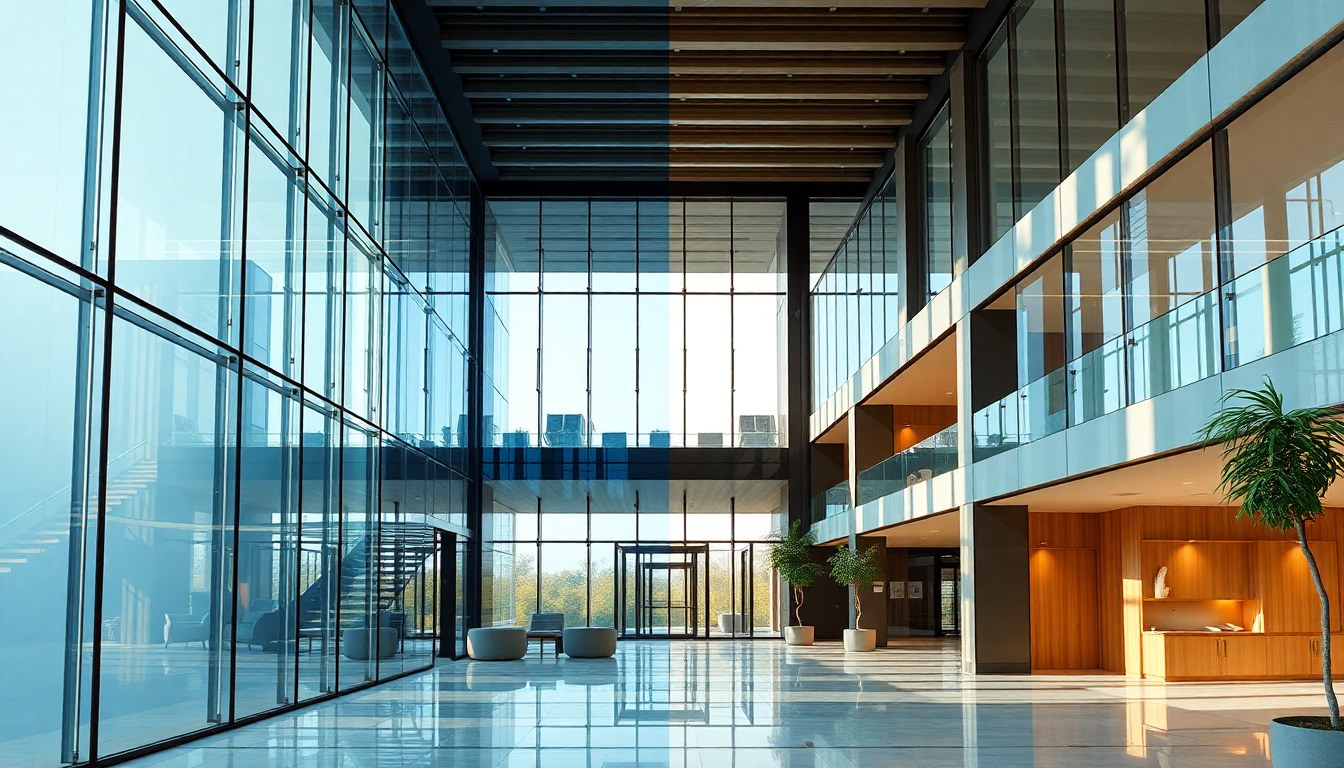
The choice between glass facades and traditional exterior finishes represents one of the most critical decisions in commercial building design across India. While glass facades dominate skylines in Mumbai, Bengaluru, and Gurugram, traditional exteriors using stone, brick, and plaster continue to offer proven performance in varied climatic conditions. This comprehensive comparison examines both options across cost, energy efficiency, maintenance, aesthetics, and climate suitability to help developers, architects, and building owners make informed decisions.
Initial Investment and Construction Costs
Glass facade systems typically require higher upfront investment compared to traditional exterior finishes. A standard curtain wall glass facade in India costs between ₹2,500 to ₹6,000 per square foot, depending on glass specifications, framing systems, and installation complexity. High-performance facades with low-E coatings, double glazing, and advanced framing can exceed ₹8,000 per square foot. In contrast, traditional exteriors using brick masonry with plaster and paint range from ₹800 to ₹1,500 per square foot, while stone cladding falls between ₹1,200 to ₹3,500 per square foot.
However, construction timelines often favor glass facades. Prefabricated curtain wall panels can be installed rapidly, reducing labor costs and project duration. A 10-story commercial building facade can be completed in 4-6 months with glass systems, compared to 8-12 months for traditional masonry construction. This time saving translates to earlier occupancy and revenue generation, partially offsetting the higher material costs.
The structural implications also differ significantly. Glass facades are lighter than traditional masonry walls, potentially reducing foundation and structural steel requirements. This weight advantage becomes particularly valuable in high-rise construction where every kilogram impacts the overall structural design and cost. Traditional exteriors add substantial dead load, requiring more robust structural support systems.
Energy Performance in Indian Climate Zones
Energy efficiency represents a complex comparison that varies dramatically across India's diverse climate zones. Modern glass facades with low-emissivity coatings, double or triple glazing, and thermal breaks can achieve excellent thermal performance. High-performance glazing systems can reduce solar heat gain coefficient to 0.25-0.35, significantly lowering air conditioning loads in hot climates like Chennai, Hyderabad, and Delhi.
Traditional masonry walls naturally provide thermal mass that moderates indoor temperature fluctuations. A 230mm brick wall with plaster offers time-lag benefits, delaying peak heat transfer by 6-8 hours. This thermal mass advantage proves particularly valuable in composite climates like Pune and Ahmedabad, where day-night temperature variations are significant. However, traditional walls without proper insulation struggle in extreme heat conditions, with U-values typically ranging from 2.0 to 3.5 W/m²K compared to 1.2 to 1.8 W/m²K for quality glass facade systems.
Daylighting and Artificial Lighting Savings
Glass facades excel in maximizing natural daylight penetration, reducing dependence on artificial lighting during daytime hours. Studies indicate that well-designed glass facades can reduce lighting energy consumption by 30-50% in commercial office spaces. This advantage directly impacts operational costs, as lighting accounts for approximately 25-35% of total energy consumption in typical Indian commercial buildings.
Traditional exteriors with conventional window openings limit daylight access to perimeter zones, typically 4-5 meters from windows. Interior spaces require continuous artificial lighting, increasing both energy consumption and heat loads. However, traditional designs allow better control over window-to-wall ratios, enabling optimization for specific orientations and climate conditions.
Maintenance Requirements and Lifecycle Costs
Maintenance demands differ substantially between the two systems. Glass facades require regular cleaning to maintain aesthetics and performance—typically every 3-6 months for urban locations with high pollution levels. Professional facade cleaning costs range from ₹15 to ₹35 per square foot annually, depending on building height and accessibility. Mumbai, Delhi, and Kolkata present particularly challenging environments due to air pollution, coastal salt spray, or industrial emissions.
Sealant joints in glass facades require inspection every 5-7 years and replacement every 10-15 years to maintain weather-tightness and thermal performance. Gasket replacement, hardware maintenance, and occasional glass panel replacement add to lifecycle costs. However, quality glass facades require minimal other intervention, with aluminum or stainless steel framing systems lasting 30-40 years with proper maintenance.
Traditional exteriors need repainting every 4-6 years in Indian conditions, costing ₹40 to ₹80 per square foot depending on surface preparation and paint quality. Plaster repairs, waterproofing treatments, and efflorescence removal add ongoing maintenance burdens. Stone-clad facades require periodic cleaning and joint repointing but generally demand less frequent intervention than painted surfaces. Over a 25-year lifecycle, maintenance costs for traditional exteriors often match or exceed those of glass facades.
Aesthetic Appeal and Design Flexibility
Glass facades offer contemporary aesthetics that signal modernity, transparency, and corporate sophistication. They create visual continuity, maximize views, and allow dramatic architectural expressions. The reflective qualities of glass can make buildings appear lighter and more dynamic, changing appearance throughout the day as lighting conditions shift. This aesthetic appeal drives demand in IT parks, corporate headquarters, and premium commercial developments across Bengaluru, Gurugram, and Pune.
Traditional exteriors provide textural richness, cultural continuity, and diverse material palettes. Stone, brick, and architectural concrete offer warmth and permanence that glass cannot replicate. These materials connect buildings to regional architectural traditions, particularly important for institutional, cultural, and heritage-context projects. The ability to combine materials—stone bases with brick or plaster upper floors—creates visual hierarchy and human scale often lacking in all-glass towers.
Customization and Branding Opportunities
Both systems offer distinct branding possibilities. Glass facades accommodate integrated graphics, colored glass, and dynamic lighting systems that enhance corporate identity. Traditional exteriors allow carved details, varied textures, and material combinations that create unique architectural signatures. The choice often reflects organizational values—glass suggesting innovation and transparency, traditional materials conveying stability and permanence.
Climate-Specific Performance Considerations
India's six climate zones demand different facade strategies. In hot-dry climates like Jodhpur and Ahmedabad, traditional thick masonry walls with small openings historically performed well by minimizing solar gain and maximizing thermal mass. Modern glass facades can match this performance using high-performance glazing, external shading, and cavity ventilation, but at higher cost.
Warm-humid coastal regions like Mumbai, Chennai, and Kochi challenge both systems. Glass facades must address condensation risks, requiring proper vapor barriers and climate control. Traditional exteriors face moisture penetration, fungal growth, and accelerated paint degradation. Both require careful detailing and material selection for these demanding conditions.
Composite climates in Delhi, Jaipur, and Lucknow experience extreme seasonal variations—summer temperatures exceeding 45°C and winter lows near freezing. Glass facades with operable panels and adaptive shading systems can respond to seasonal changes, while traditional walls provide consistent thermal mass benefits. The optimal choice depends on building use patterns, occupancy schedules, and HVAC strategies.
Regulatory Compliance and Green Building Certification
Both facade types can achieve compliance with Energy Conservation Building Code (ECBC) requirements and green building certifications like GRIHA and LEED India. However, the pathway differs. Glass facades typically rely on high-performance glazing specifications, shading coefficients, and visible light transmittance values to meet energy targets. Traditional exteriors achieve compliance through wall U-values, thermal mass credits, and optimized window-to-wall ratios.
Recent amendments to building codes in states like Karnataka, Rajasthan, and Odisha impose stricter requirements on overall thermal transmittance values and renewable energy integration. Glass facades may require additional shading devices, cavity ventilation, or photovoltaic integration to meet these standards. Traditional exteriors benefit from inherently lower solar heat gain but must address thermal bridging at structural connections and ensure adequate insulation.
Fire safety regulations also impact facade selection. Glass facades must use fire-rated glazing and incorporate fire-stops at floor levels to prevent vertical flame spread. Traditional masonry walls inherently provide fire resistance but require proper detailing at window openings and material interfaces to maintain fire ratings.
Making the Right Choice for Your Project
The decision between glass facades and traditional exteriors should consider project-specific factors beyond simple cost comparison. Building function plays a crucial role—corporate offices often benefit from glass facades' daylighting and aesthetic appeal, while educational institutions or healthcare facilities may prioritize the acoustic performance and durability of traditional construction.
Location and orientation matter significantly. South and west facades in Indian conditions face intense solar exposure, where traditional walls with minimal glazing or high-performance glass with external shading prove most effective. North facades can accommodate larger glass areas with minimal energy penalty. East facades benefit from morning light but require protection from low-angle sun.
Long-term ownership versus speculative development influences the calculation. Owner-occupied buildings justify higher initial investment in energy-efficient glass facades that reduce operational costs over decades. Speculative developments often favor lower-cost traditional exteriors that meet minimum code requirements while maximizing short-term returns.
Frequently Asked Questions
Which is more cost-effective: glass facade or traditional exterior for commercial buildings in India?
Traditional exteriors have lower initial costs (₹800-₹3,500 per sq ft) compared to glass facades (₹2,500-₹6,000 per sq ft). However, lifecycle costs become comparable when factoring in energy savings from glass facades, faster construction timelines, and maintenance expenses. For premium commercial projects with long ownership horizons, high-performance glass facades often prove more cost-effective over 20-25 years despite higher upfront investment.
Do glass facades increase air conditioning costs in hot Indian climates?
Not necessarily. Modern glass facades with low-E coatings, double glazing, and proper shading can actually reduce cooling loads compared to poorly insulated traditional walls. The key is specifying appropriate glass performance—solar heat gain coefficient below 0.30 and visible light transmittance above 0.40. Poorly designed glass facades without these features will significantly increase AC costs, particularly on south and west orientations.
How long do glass facades last compared to traditional exterior finishes?
Quality glass facade systems last 30-40 years with proper maintenance, though sealants require replacement every 10-15 years. Traditional exteriors have similar lifespans but require more frequent intervention—repainting every 4-6 years, plaster repairs, and waterproofing treatments. Stone cladding can last 50+ years with minimal maintenance. The aluminum or steel framing in glass facades generally outlasts the glazing units themselves.
Which facade type performs better during monsoons and high humidity?
Glass facades excel in monsoon conditions when properly designed with adequate drainage, pressure-equalized chambers, and quality sealants. They prevent water penetration more reliably than traditional plastered walls, which often develop cracks and moisture issues. However, glass facades require expert installation to achieve weather-tightness, while traditional construction techniques are more widely understood by local contractors.
Can traditional and glass facades be combined in the same building?
Yes, hybrid approaches are increasingly popular and often provide optimal performance. Common strategies include traditional masonry on harsh south/west facades with glass on north/east faces, stone-clad bases with glass upper floors, or glass curtain walls with precast concrete or stone accent panels. This combination balances aesthetics, performance, and cost while allowing climate-responsive design tailored to each facade orientation.
Whether you choose glass facades or traditional exterior finishes for your commercial project, working with experienced suppliers and contractors is essential for successful outcomes. Visit the glassy.in directory to connect with leading glass facade manufacturers, curtain wall specialists, and architectural glass suppliers across India who can help you specify and implement the right solution for your building's unique requirements.