
Glass Facades
Glass Facade vs Brick Facade: Cost and Energy Efficiency Comparison for Indian Buildings
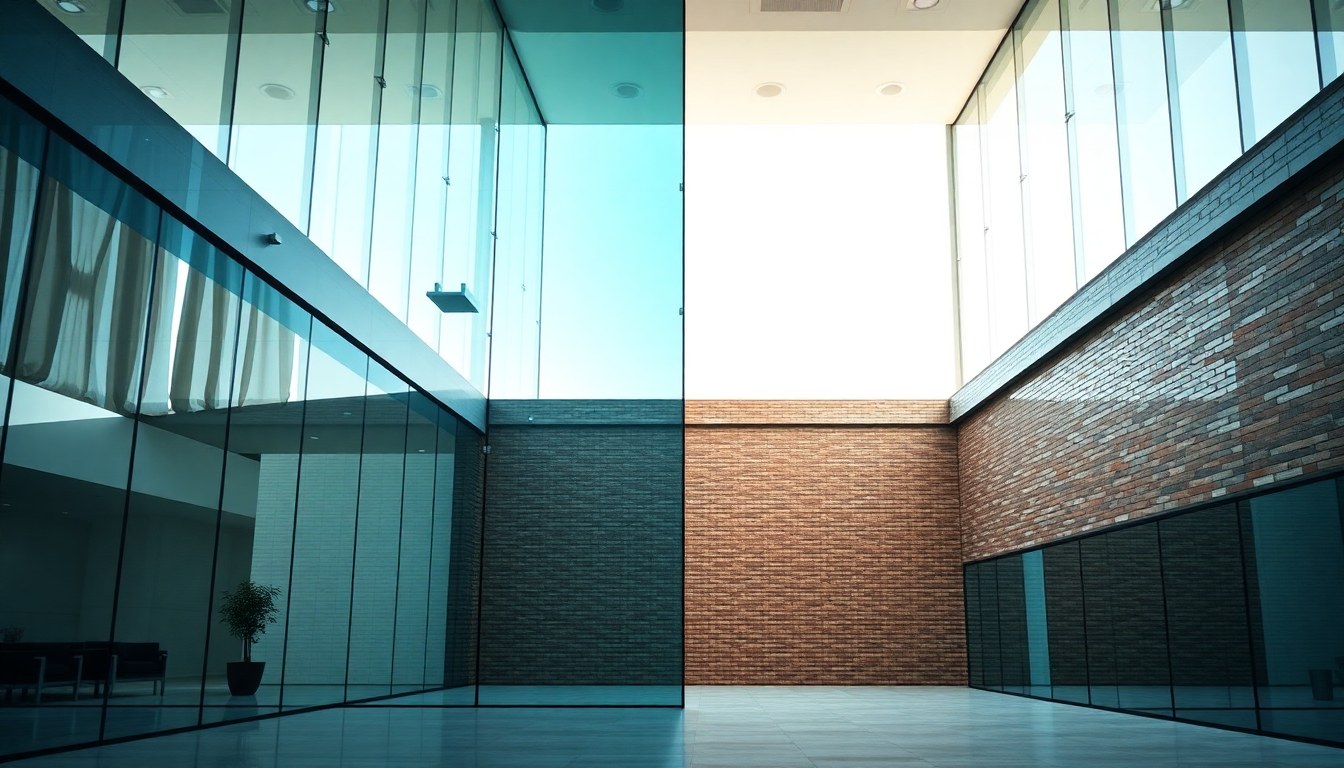
The choice between glass and brick facades represents one of the most significant decisions in building design, affecting everything from initial investment to decades of operational costs. While traditional brick facades have dominated Indian construction for generations, modern glass curtain wall systems are increasingly popular in commercial and upscale residential projects. This comprehensive comparison examines both options through the lens of cost, energy efficiency, maintenance requirements, and overall value proposition for the Indian climate and market.
Understanding the Two Facade Systems
A brick facade is a traditional masonry system where clay bricks are laid with mortar to create load-bearing or cladding walls. These structures typically include insulation layers, plaster finishes, and paint. Brick facades can be single-layer or cavity walls with an air gap for improved thermal performance. The system is well-understood by Indian contractors and has been refined over centuries of use across diverse climatic zones.
Glass facades, specifically curtain wall systems, consist of aluminum or steel frames holding large glass panels that hang like a curtain from the building structure. These non-load-bearing systems include double or triple glazing with air or gas-filled gaps, thermal breaks in frames, and various coatings to control solar heat gain. Modern glass facades are engineered assemblies that require specialized installation expertise.
The fundamental difference lies in their approach to building envelope performance. Brick facades rely on mass and thickness to moderate temperature swings, while glass facades use advanced materials and coatings to selectively filter light and heat. This distinction drives their respective cost structures and performance characteristics in Indian conditions.
Initial Cost Comparison
The upfront investment for brick facades in India typically ranges from ₹450 to ₹900 per square foot for standard construction, including materials, labor, plastering, and painting. Premium brick varieties with architectural finishes can push costs to ₹1,200 per square foot. These figures assume conventional 230mm thick walls with basic insulation. Labor costs are relatively low given the widespread availability of skilled masons across Indian cities.
Glass curtain wall systems command significantly higher initial costs, ranging from ₹2,500 to ₹6,000 per square foot depending on glass specifications, frame quality, and installation complexity. High-performance systems with low-emissivity coatings, argon-filled double glazing, and superior thermal breaks can exceed ₹8,000 per square foot. The specialized nature of curtain wall installation requires experienced contractors, and the aluminum framing systems are import-dependent or manufactured by limited domestic suppliers.
Cost Breakdown Factors
- Materials: Glass and aluminum costs fluctuate with global commodity prices, while brick prices remain relatively stable and locally sourced
- Labor: Brick masonry labor is 60-70% cheaper than specialized curtain wall installation teams
- Transportation: Large glass panels require careful handling and specialized vehicles, increasing logistics costs
- Foundation requirements: Brick facades add significant dead load requiring stronger foundations, while lightweight glass systems reduce structural costs
- Project timeline: Glass facades can be installed faster, potentially reducing overall project costs despite higher material expenses
Energy Efficiency and Thermal Performance
Energy efficiency represents the critical long-term cost factor that can offset initial price differences. In India's predominantly hot climate with cooling-dominated buildings, the facade's ability to reject solar heat directly impacts air conditioning loads, which typically account for 40-60% of commercial building energy consumption.
Traditional brick facades offer thermal mass benefits, with a 230mm brick wall providing a thermal lag of 6-8 hours. This means peak afternoon heat reaches interior spaces only in the evening when outdoor temperatures have dropped. However, standard brick walls have a U-value of approximately 2.0-2.5 W/m²K, indicating moderate insulation properties. Without additional insulation layers, brick facades allow significant heat transfer in India's extreme summer conditions.
Modern high-performance glass facades with low-E coatings and double glazing can achieve U-values as low as 1.4-1.8 W/m²K, superior to standard brick construction. The Solar Heat Gain Coefficient (SHGC) of specialized glass can be reduced to 0.25-0.35, meaning only 25-35% of solar radiation enters the building. This selective filtering allows natural daylight while rejecting heat, potentially reducing cooling loads by 30-40% compared to conventional brick facades without compromising visibility.
Climate Zone Considerations
India's diverse climate zones affect facade performance differently. In hot-dry regions like Rajasthan and Gujarat, brick facades with high thermal mass perform well, moderating extreme temperature swings. In hot-humid coastal areas like Mumbai and Chennai, glass facades with low SHGC values and good moisture resistance offer advantages. In composite climates like Delhi and Bangalore, high-performance glass systems provide year-round benefits by reducing both cooling and heating loads.
Maintenance and Lifecycle Costs
Brick facades require periodic maintenance including repainting every 3-5 years, repointing of mortar joints every 10-15 years, and repair of cracks due to settlement or thermal expansion. Annual maintenance costs typically run ₹15-25 per square foot. However, brick structures are durable and can last 50-100 years with proper maintenance. The primary long-term concern is moisture infiltration leading to efflorescence and structural degradation in humid climates.
Glass curtain walls demand different maintenance protocols. External glass cleaning is essential 2-4 times annually for aesthetic and performance reasons, costing ₹8-15 per square foot per cleaning. Sealant joints require inspection and potential replacement every 10-15 years. Aluminum frames are corrosion-resistant but require periodic checks for thermal break integrity and gasket condition. While glass itself is highly durable, hardware components like locks and operable window mechanisms may need replacement every 15-20 years.
The energy cost differential often determines the true lifecycle value. A 50,000 square foot commercial building with glass facade might save ₹15-25 lakhs annually in air conditioning costs compared to a standard brick facade. Over a 25-year period, these energy savings can total ₹4-6 crores, potentially justifying the higher initial investment even before considering other factors like rental premiums and brand value.
Aesthetic Appeal and Market Perception
Aesthetic considerations significantly impact property value and tenant appeal, particularly in commercial real estate. Glass facades convey modernity, transparency, and premium positioning. In Indian metro cities, Grade A office buildings with glass curtain walls command rental premiums of 15-30% over brick-clad buildings of similar age and location. This market perception creates tangible financial value beyond energy savings.
Brick facades offer timeless appeal and can be designed with various textures, colors, and bonding patterns. They blend well with traditional architectural contexts and are often preferred for residential projects, educational institutions, and heritage-sensitive zones. Exposed brick finishes have gained popularity in boutique commercial projects, offering character without the maintenance burden of painted surfaces.
The choice often reflects brand identity and target occupancy. Technology companies, financial institutions, and multinational corporations typically prefer glass facades for their corporate image. Residential developers find brick facades more cost-effective for mid-market segments, while glass is reserved for luxury high-rises. Institutional projects like hospitals and schools often choose brick for durability and lower maintenance complexity.
Making the Right Choice for Your Project
The decision between glass and brick facades should be based on a comprehensive analysis of project-specific factors. For high-rise commercial buildings in metro cities with professional facility management, glass curtain walls often deliver superior long-term returns through energy savings, rental premiums, and brand positioning. The higher initial investment is typically recovered within 8-12 years through reduced operational costs and higher asset values.
For residential projects, budget hotels, warehouses, and buildings in smaller cities with limited maintenance capabilities, brick facades remain the practical choice. Their lower initial cost, simpler maintenance requirements, and adequate thermal performance make them suitable for cost-sensitive projects. Enhanced brick facades with proper insulation, reflective coatings, and shading devices can significantly improve energy performance at a fraction of glass curtain wall costs.
Hybrid approaches are increasingly popular, combining glass and brick elements to optimize both cost and performance. Strategic use of glass for main elevations and entrances creates visual impact while brick on secondary facades controls costs. This balanced approach suits mixed-use developments, corporate campuses, and institutional buildings seeking both functionality and aesthetic appeal.
Frequently Asked Questions
What is the typical cost difference between glass and brick facades in India?
Glass curtain wall systems typically cost 3-5 times more than brick facades initially, ranging from ₹2,500-6,000 per square foot compared to ₹450-900 per square foot for brick construction. However, glass facades can reduce energy costs by 30-40%, potentially offsetting the higher upfront investment over 10-15 years in commercial buildings with high air conditioning loads.
Which facade type is more energy efficient in hot Indian climates?
High-performance glass facades with low-E coatings and low Solar Heat Gain Coefficient (0.25-0.35) are generally more energy efficient than standard brick facades in hot climates. They reject solar heat while allowing natural light, reducing cooling loads significantly. However, brick facades with proper insulation and shading can also perform well, particularly in hot-dry climates where thermal mass provides benefits.
How long do glass and brick facades typically last?
Brick facades can last 50-100 years with proper maintenance, requiring repainting every 3-5 years and mortar repointing every 10-15 years. Glass curtain wall systems have a design life of 30-50 years, with sealants requiring replacement every 10-15 years and hardware components potentially needing replacement every 15-20 years. The glass itself is highly durable and can last the building's lifetime.
Can glass facades withstand Indian monsoons and extreme weather?
Modern glass curtain wall systems are engineered to withstand heavy monsoons, high winds, and extreme temperatures when properly designed and installed. They include drainage systems, weather seals, and structural calculations for wind loads specific to Indian conditions. Quality installation by experienced contractors is critical to ensure weather resistance and prevent water infiltration issues.
Which option is better for residential buildings in India?
For most residential projects in India, brick facades remain the preferred choice due to lower costs, better privacy, adequate thermal performance with proper insulation, and simpler maintenance. Glass facades are typically reserved for luxury high-rise apartments and penthouses where the premium aesthetic, views, and natural light justify the higher investment and ongoing maintenance requirements.
Choosing the right facade system requires careful evaluation of your project's budget, energy goals, aesthetic requirements, and long-term operational plans. Whether you opt for traditional brick or modern glass, working with experienced suppliers and contractors is essential for optimal results. Explore verified glass facade suppliers, curtain wall installers, and building material providers on the Glassy.in directory to connect with qualified professionals for your next project.