
Glass Facades
Glass Facade vs Brick Facade: Complete Comparison for Commercial Buildings
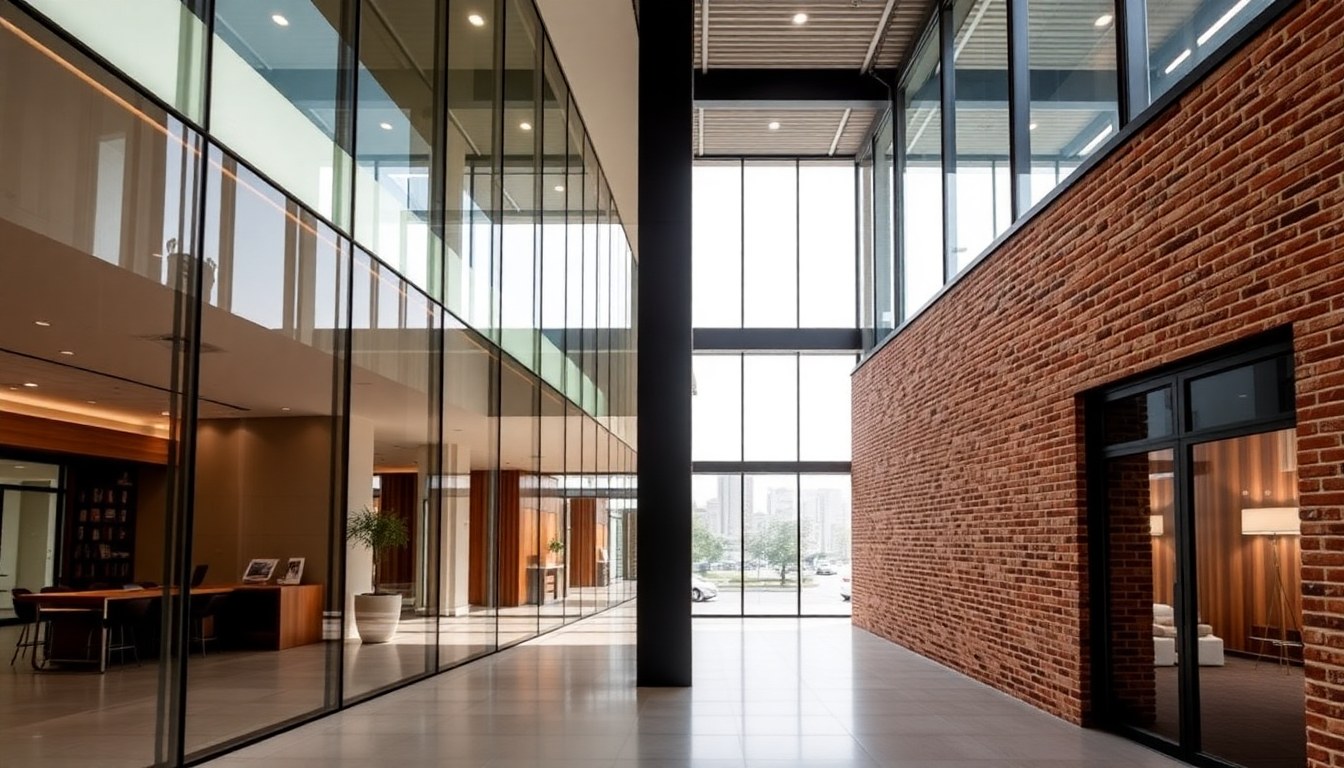
The facade of a commercial building defines its identity, influences energy consumption, and impacts long-term operational costs. Whether you're developing an office complex in Gurgaon or a retail space in Mumbai, choosing between a glass facade and a traditional brick facade is one of the most critical architectural decisions you'll make. This comprehensive comparison examines both options across aesthetics, cost, energy efficiency, maintenance, and durability to help you select the right facade system for your project.
Aesthetic Appeal and Architectural Flexibility
Glass facades offer a contemporary, sleek appearance that has become synonymous with modern commercial architecture. The transparency and reflective qualities of glass create a sense of openness and sophistication, allowing natural light to flood interior spaces while providing unobstructed views. Glass facades can be customized with various tints, coatings, and patterns to achieve different visual effects, from fully transparent to semi-reflective or even opaque designs.
Brick facades, on the other hand, convey a sense of permanence, tradition, and solidity. The texture, color variations, and patterns possible with brick create a warm, tactile quality that many architects value. Brick facades can be designed in numerous bond patterns and can incorporate different colored bricks to create visual interest. While generally perceived as more traditional, contemporary brick architecture has proven that brick can be used innovatively to create striking modern designs.
In terms of architectural flexibility, glass facades allow for larger uninterrupted surfaces and can accommodate irregular shapes more easily. Brick facades require more structural consideration due to weight and traditional construction methods, though they offer excellent opportunities for three-dimensional texturing and relief work that glass cannot replicate.
Cost Analysis: Initial Investment and Long-Term Value
The initial cost of a glass facade system in India typically ranges from ₹1,200 to ₹3,500 per square foot, depending on the type of glass, framing system, and complexity of installation. High-performance glazing with low-emissivity coatings and structural glazing systems fall at the higher end of this spectrum. The cost includes the glass panels, aluminum or steel framing, sealants, and specialized installation labor.
Brick facade construction generally costs between ₹800 to ₹1,800 per square foot in Indian metros, including materials, labor, and basic finishes. Traditional clay bricks are more economical, while designer bricks, imported varieties, or specialized installation techniques increase costs. Brick facades also require a robust structural support system, which should be factored into the overall budget.
From a long-term value perspective, glass facades may offer better returns in premium commercial real estate markets where modern aesthetics command higher rental rates. However, brick facades typically require less frequent replacement and can maintain their appearance for decades with minimal intervention. The resale value depends heavily on location, market preferences, and the specific quality of installation for both facade types.
Energy Efficiency and Thermal Performance
Energy efficiency is a critical consideration for commercial buildings in India's diverse climate zones. Modern glass facades can achieve excellent thermal performance through the use of double or triple glazing, low-emissivity coatings, and thermally broken frames. High-performance glazing systems can reduce heat gain by up to 60-70% compared to standard glass, significantly lowering air conditioning costs in hot climates like Delhi, Ahmedabad, or Chennai.
However, glass facades inherently conduct more heat than masonry walls. Even with advanced glazing, the U-value (thermal transmittance) of a glass facade typically ranges from 1.4 to 2.8 W/m²K, whereas a well-designed brick wall with proper insulation can achieve U-values as low as 0.4 to 0.8 W/m²K. This means brick facades provide superior insulation, keeping interiors cooler in summer and warmer in winter with less reliance on HVAC systems.
Climate-Specific Considerations for India
In India's hot and dry regions, brick facades with cavity walls and proper insulation offer natural thermal mass that stabilizes indoor temperatures. The thermal lag of brick construction helps reduce peak cooling loads. In contrast, glass facades in these regions require high-performance glazing and often external shading devices to prevent excessive solar heat gain.
For humid coastal cities like Mumbai or Kolkata, glass facades with proper ventilation design can prevent moisture accumulation issues that sometimes affect brick walls. However, they require careful condensation management and high-quality sealants to prevent water ingress during monsoons.
Maintenance Requirements and Lifecycle Costs
Glass facades demand regular cleaning to maintain their appearance, especially in urban environments where pollution, dust, and monsoon rains can quickly diminish their aesthetic appeal. Commercial buildings with glass facades typically require professional cleaning services every 3-6 months, with costs ranging from ₹15 to ₹40 per square foot per cleaning, depending on building height and accessibility. Sealants and gaskets may need replacement every 10-15 years to prevent water leakage and maintain structural integrity.
Brick facades are considerably lower maintenance. Once properly constructed, they require minimal upkeep beyond occasional repointing of mortar joints every 20-30 years and periodic cleaning. Efflorescence (white salt deposits) can occur in the initial years but typically resolves naturally. The porous nature of brick allows walls to breathe, reducing moisture-related maintenance issues when properly designed with adequate damp-proof courses.
Over a 30-year lifecycle, maintenance costs for glass facades can be 2-3 times higher than brick facades. However, this must be balanced against the potential for higher rental income and the modern image that glass facades project, which may be essential for certain commercial tenants.
Durability and Structural Longevity
Brick facades are exceptionally durable, with well-constructed brick buildings lasting 100 years or more with minimal deterioration. Brick is resistant to fire, wind, and most weather conditions. It doesn't fade, rust, or corrode, and individual damaged bricks can be replaced without affecting the entire facade. The compressive strength of brick and its resistance to impact make it ideal for buildings in areas prone to extreme weather or where vandalism might be a concern.
Glass facades, while engineered for durability, face different challenges. Tempered and laminated glass used in modern facades can withstand significant wind loads and impacts, but they are more vulnerable to breakage from thermal stress, stone impacts, or vandalism. The aluminum or steel framing systems are durable but can suffer from corrosion in coastal environments if not properly treated. Sealant failure is a common issue that can compromise the facade's weatherproofing and requires vigilant monitoring.
In seismic zones, both facade types can be designed to perform well, but glass curtain wall systems offer some advantages due to their lighter weight and flexibility. Properly designed glass facades can accommodate building movement during earthquakes without shattering, while brick facades require careful detailing to prevent cracking during seismic events.
Suitability for Different Commercial Applications
Glass facades are particularly well-suited for corporate offices, high-end retail spaces, hotels, and technology campuses where a modern, transparent aesthetic aligns with brand identity. They work exceptionally well for buildings where maximizing natural daylight and views are priorities. IT parks in cities like Bangalore, Hyderabad, and Pune predominantly feature glass facades because they appeal to multinational tenants and create inspiring work environments.
Brick facades remain popular for educational institutions, hospitals, government buildings, and heritage-sensitive developments where durability, low maintenance, and a sense of permanence are valued over contemporary aesthetics. They're also preferred for mixed-use developments in historic city centers where contextual design is important. Warehouses, manufacturing facilities, and budget-conscious commercial projects often choose brick for its cost-effectiveness and minimal maintenance requirements.
Hybrid approaches combining both materials are increasingly common. Many architects use glass for prominent street-facing facades to create visual impact while employing brick on side and rear elevations to control costs and improve thermal performance. This strategy offers the best of both worlds for many commercial projects.
Frequently Asked Questions
Which is more cost-effective for commercial buildings in India: glass or brick facades?
Brick facades are generally more cost-effective initially, ranging from ₹800-₹1,800 per square foot compared to ₹1,200-₹3,500 for glass facades. However, total cost-effectiveness depends on your specific requirements. Glass facades may justify their higher cost in premium locations where they command higher rental rates, while brick facades offer better long-term value in terms of lower maintenance costs and durability. For budget-conscious projects or buildings where thermal efficiency is paramount, brick facades provide better overall value.
Do glass facades really save energy with proper glazing systems?
High-performance glass facades with double glazing, low-E coatings, and thermal breaks can significantly reduce cooling loads compared to standard glass, but they typically still transfer more heat than well-insulated brick walls. In India's hot climate, even the best glass facades usually result in higher air conditioning costs than equivalent brick facades with proper insulation. However, glass facades can reduce artificial lighting needs by maximizing natural daylight, which partially offsets the cooling penalty. The energy equation depends on your specific climate zone, building orientation, and HVAC system efficiency.
How long do glass and brick facades typically last?
Brick facades can last 100 years or more with minimal maintenance, requiring only occasional repointing of mortar joints. Glass facades have a shorter expected lifespan of 25-40 years before major refurbishment is needed, primarily due to sealant degradation, gasket failure, and potential glass panel replacement. However, individual components of glass facades can be replaced to extend their life. The framing systems, if properly maintained and protected from corrosion, can last 40-50 years.
Which facade type performs better during Indian monsoons?
Both facade types can perform well during monsoons if properly designed and installed. Glass facades rely on high-quality sealants and precise installation to prevent water ingress, and they require regular inspection of joints and gaskets. Brick facades are naturally more forgiving due to their mass and traditional weatherproofing methods, but they require proper damp-proof courses, cavity wall construction, and adequate drainage details. In coastal areas with driving rain, both systems need careful detailing, though brick facades generally require less ongoing vigilance.
Can I combine glass and brick in a single commercial building facade?
Absolutely, and this hybrid approach is increasingly popular in Indian commercial architecture. Many buildings use glass on prominent elevations facing main roads to create visual impact and maximize views, while employing brick on side and rear facades to improve thermal performance and reduce costs. This combination allows you to benefit from the modern aesthetic of glass where it matters most while leveraging the durability and energy efficiency of brick elsewhere. The key is ensuring proper architectural integration so the transition between materials appears intentional rather than cost-driven.
Choosing between glass and brick facades requires careful consideration of your project's specific requirements, budget, location, and long-term goals. Whether you prioritize modern aesthetics, energy efficiency, low maintenance, or cost-effectiveness, understanding these key differences will help you make an informed decision. For expert guidance and to connect with experienced facade contractors and glass suppliers across India, explore the comprehensive business directory at glassy.in.