
Glass Facades
Glass Facade vs Traditional Brick: Energy Efficiency Comparison for Indian Climate
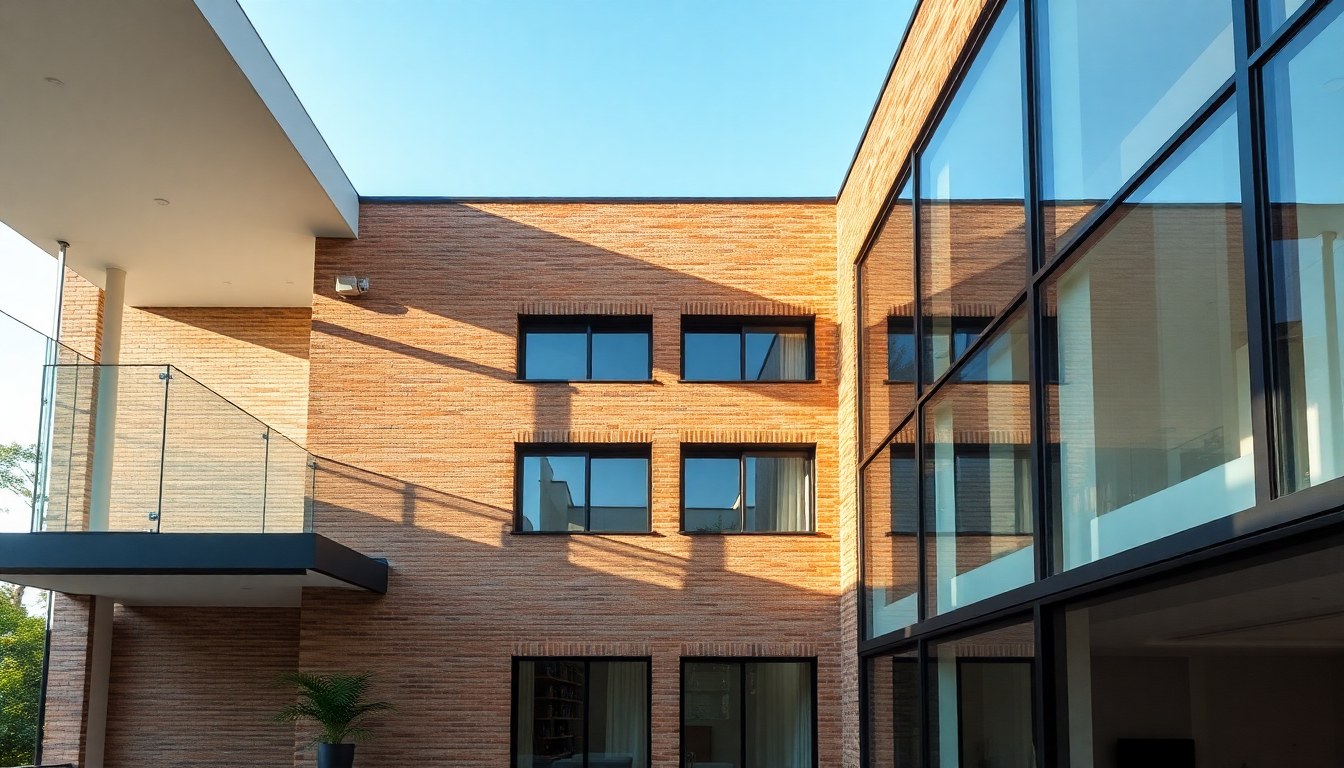
The choice between glass facades and traditional brick construction significantly impacts a building's energy consumption in India's diverse climate zones. While glass curtain walls offer aesthetic appeal and natural light, conventional masonry provides thermal mass and insulation—but which performs better in tropical heat and monsoon humidity? This comprehensive comparison examines thermal performance, HVAC operating costs, and lifecycle energy consumption to help architects, builders, and property developers make informed decisions for Indian conditions.
Understanding Thermal Performance in Indian Climate Zones
India's climate varies dramatically from the humid tropics of Kerala and Chennai to the semi-arid regions of Rajasthan and Gujarat, with composite climates in Delhi and Bangalore. Each zone presents unique challenges for building envelope design. Traditional brick walls typically have U-values ranging from 1.2 to 2.0 W/m²K depending on thickness and plastering, while modern double-glazed glass facades can achieve U-values between 1.4 to 2.8 W/m²K, and high-performance low-E glass systems can reach as low as 1.0 W/m²K.
The critical difference lies not just in U-values but in solar heat gain. Standard clear glass allows approximately 80-85% of solar radiation to pass through, creating significant cooling loads. In contrast, brick walls with light-colored external finishes reflect much of this radiation while their thermal mass delays heat transfer by 8-12 hours. For Indian conditions where peak outdoor temperatures coincide with solar intensity, this time-lag effect in masonry construction provides substantial advantage during daytime hours.
Solar Heat Gain Coefficient: The Indian Context
The Solar Heat Gain Coefficient (SHGC) becomes the determining factor in tropical and semi-arid climates. Conventional brick walls have an effective SHGC of 0.10-0.15, while standard glass facades range from 0.70-0.85. High-performance glazing with low-E coatings and tints can reduce SHGC to 0.25-0.40, but this comes at a premium cost. For a typical commercial building in Mumbai or Hyderabad, the difference in solar heat gain between standard glass and brick can translate to 40-60% higher cooling loads during peak summer months.
HVAC Energy Consumption and Operating Costs
Air conditioning represents 40-60% of total energy consumption in Indian commercial buildings. The envelope's thermal performance directly impacts HVAC sizing and operating costs. Studies conducted by the Bureau of Energy Efficiency indicate that buildings with conventional glass facades in hot-humid zones consume 250-350 kWh/m² annually for cooling, compared to 150-220 kWh/m² for well-designed brick buildings with appropriately sized windows.
Translating this to operating costs, consider a 10,000 square foot commercial building in Pune. With average commercial electricity rates at ₹8-10 per unit, a glass facade building might incur annual cooling costs of ₹18-25 lakhs, while a brick construction could limit this to ₹11-16 lakhs. Over a 20-year operational period, this difference compounds to ₹1.4-1.8 crores, significantly impacting lifecycle costs.
Peak Load Reduction Benefits
Beyond average consumption, brick construction offers peak load reduction advantages. The thermal mass effect means maximum heat transfer occurs during evening hours when outdoor temperatures drop and electricity demand decreases. Glass facades, conversely, create peak cooling demands during afternoon hours when grid electricity is most expensive and carbon-intensive. This alignment with off-peak hours can reduce demand charges by 15-25% in commercial tariff structures.
High-Performance Glass: Bridging the Efficiency Gap
Modern glass technology has evolved significantly to address thermal performance concerns. Triple-glazed units with argon gas fills, spectrally selective low-E coatings, and ceramic frits can achieve thermal performance approaching or even exceeding brick walls. Double-glazed low-E glass with SHGC of 0.25 and U-value of 1.2 W/m²K performs comparably to 230mm brick masonry in composite climate zones like Bangalore and Delhi.
However, cost considerations remain substantial. High-performance glazing systems cost ₹2,500-4,500 per square foot installed, compared to ₹800-1,200 per square foot for conventional brick walls with plaster and paint. The payback period through energy savings alone typically extends to 12-18 years, making financial viability dependent on factors beyond pure energy efficiency—such as rental premiums, aesthetic value, and usable floor area optimization.
- Low-E double glazing: 30-40% better thermal performance than standard glass
- Triple glazing with gas fills: 50-60% improvement, approaching brick performance
- Ceramic frit and external shading: Additional 20-30% solar heat gain reduction
- Electrochromic smart glass: Dynamic control but at 3-4x cost premium
Daylighting Benefits and Energy Trade-offs
Glass facades provide superior natural daylighting, potentially reducing artificial lighting energy by 30-50% in perimeter zones extending 12-15 feet from windows. For Indian commercial buildings operating primarily during daylight hours, this advantage partially offsets increased cooling loads. A well-designed glass facade with appropriate shading and glare control can reduce lighting energy from 25-30 kWh/m² annually to 12-18 kWh/m², saving ₹100-150 per square foot over the building's lifecycle.
The net energy balance depends on building use patterns and depth. Shallow-plan buildings with high occupancy during daytime hours benefit most from glass facades, while deep-plan buildings or those with 24-hour operations see diminishing returns from daylighting. For buildings deeper than 40 feet, the cooling penalty of glass facades typically outweighs daylighting benefits in Indian climate zones.
Lifecycle Energy Assessment and Embodied Carbon
A complete energy comparison must include embodied energy in materials and construction. Clay brick production consumes approximately 2.5-3.0 MJ per kg, while float glass requires 15-18 MJ per kg. However, brick walls use significantly more material by weight. A typical brick wall weighs 400-450 kg/m², while a double-glazed curtain wall weighs 60-80 kg/m², including aluminum framing.
Calculating total embodied energy, a standard brick wall contains roughly 1,000-1,200 MJ/m², compared to 1,400-1,800 MJ/m² for a double-glazed aluminum curtain wall. High-performance triple-glazed systems can reach 2,200-2,600 MJ/m². When operational energy over 50 years is included, glass facades in hot Indian climates typically show 20-35% higher lifecycle energy consumption unless high-performance glazing and aggressive shading strategies are employed.
Maintenance and Durability Considerations
Brick walls require repainting every 5-7 years and periodic repointing but generally maintain thermal performance for decades. Glass facades need gasket replacement every 12-15 years, and double-glazed units may experience seal failure requiring panel replacement after 20-25 years. These maintenance interventions carry both cost and embodied energy implications that favor masonry construction in long-term assessments.
Hybrid Approaches and Climate-Responsive Design
The most energy-efficient buildings in Indian conditions often employ hybrid strategies that combine both materials strategically. Brick or concrete walls on east and west facades—which receive intense low-angle sun—with limited north-facing glass for daylighting and south-facing glass with deep overhangs creates optimal performance in composite and hot-dry climates.
Several award-winning Indian green buildings demonstrate this approach. The ITC Green Centre in Gurgaon uses brick cavity walls on sun-exposed facades with strategic glass placement, achieving 40% energy savings compared to conventional construction. The Infosys Pocharam campus near Hyderabad employs precast concrete panels with high thermal mass and selective glazing, reducing HVAC loads by 35% while maintaining abundant natural light.
- Assess facade orientation and solar exposure patterns for your specific site
- Limit glass on east and west facades to 30-40% of wall area maximum
- Use high-performance low-E glass with SHGC below 0.30 where glass is necessary
- Incorporate external shading devices—horizontal for south, vertical for east-west
- Consider thermal mass materials for at least 50-60% of building envelope in hot climates
Frequently Asked Questions
Which is more energy efficient in Indian climate: glass facade or brick walls?
Traditional brick walls are generally 25-40% more energy efficient than standard glass facades in most Indian climate zones due to lower solar heat gain and thermal mass benefits. However, high-performance low-E glazing with SHGC below 0.30 can achieve comparable efficiency to brick, though at significantly higher initial cost. The efficiency gap is largest in hot-humid coastal cities and smallest in moderate climates like Bangalore.
What is the cost difference between glass curtain walls and brick construction in India?
Standard glass curtain walls cost ₹1,800-2,800 per square foot installed, while brick masonry with plaster and finish costs ₹800-1,200 per square foot. High-performance glazing systems can reach ₹3,500-4,500 per square foot. The higher initial cost of glass facades is rarely recovered through energy savings alone, with payback periods typically exceeding 15-20 years in Indian conditions.
Can glass facades work efficiently in hot Indian cities like Delhi or Ahmedabad?
Yes, but only with proper design strategies including high-performance low-E glazing, external shading devices, and limited glass area on east and west facades. Triple-glazed units with SHGC below 0.25 and comprehensive sun control can perform adequately in hot-dry climates, though they still typically consume 15-20% more cooling energy than well-designed brick buildings. Standard glass facades without these measures perform poorly in these climates.
How does thermal mass in brick walls help reduce energy consumption?
Brick walls' thermal mass absorbs heat during the day and releases it at night, creating an 8-12 hour time lag that delays peak heat transfer until evening when outdoor temperatures drop. This reduces daytime cooling loads by 20-30% and shifts remaining loads to off-peak hours when electricity is cheaper and less carbon-intensive. This effect is particularly valuable in climates with significant day-night temperature swings like Delhi, Jaipur, and Pune.
What glass specifications should I choose for energy efficiency in Indian buildings?
For most Indian locations, specify double-glazed low-E glass with SHGC of 0.25-0.30 and U-value below 1.4 W/m²K. In extremely hot zones like Rajasthan or coastal areas, consider triple glazing or reflective coatings to achieve SHGC of 0.20-0.25. Always combine with external shading—horizontal overhangs for south facades and vertical fins for east-west orientations. Visible light transmittance should remain above 50% to maximize daylighting benefits.
Choosing between glass facades and traditional brick construction requires careful analysis of your specific project requirements, climate zone, budget, and performance priorities. For expert guidance on glass specifications and suppliers across India, explore the comprehensive directory at glassy.in, where you can connect with manufacturers, fabricators, and consultants specializing in energy-efficient glazing solutions for Indian conditions.