
Glass Facades
Glass Façade Maintenance: Cleaning Protocols for High-Rise Buildings
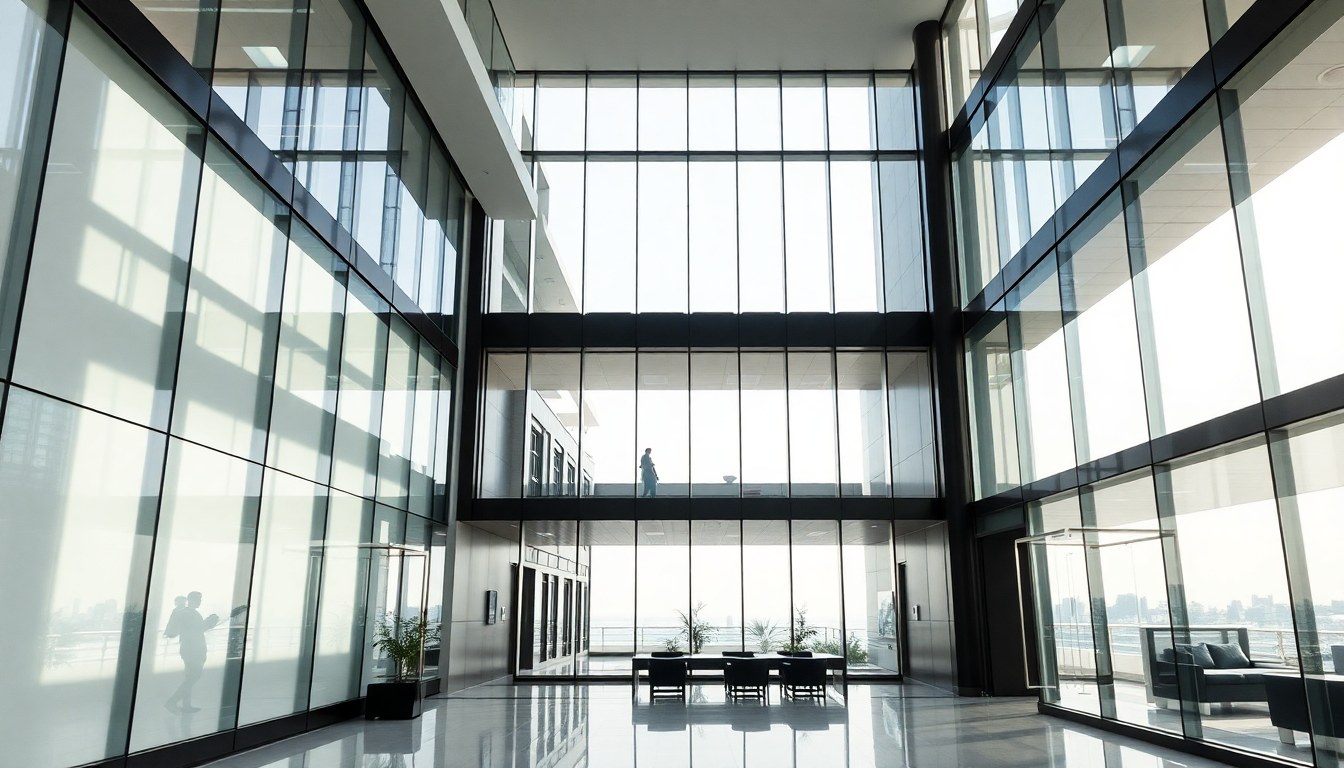
Modern high-rise buildings depend on pristine glass façades to maintain aesthetic appeal, structural integrity, and energy efficiency. Regular maintenance and professional cleaning protocols ensure your building's exterior remains safe, visually striking, and compliant with safety standards. This comprehensive guide covers everything facility managers and building owners need to know about maintaining glass curtain walls across India's urban landscape.
Why Glass Façade Maintenance Matters
Glass façades face constant environmental challenges—pollution, weathering, bird droppings, and mineral deposits accumulate rapidly on high-rise exteriors. In Indian cities like Delhi, Mumbai, and Bangalore, air quality issues compound the problem, requiring more frequent cleaning cycles. Neglected glass not only looks unprofessional but also compromises the building's thermal performance, increases cooling costs, and can lead to structural damage if water seeps into frames and seals.
Beyond aesthetics, regular maintenance extends the lifespan of glazing systems, protective coatings, and sealants. A well-maintained façade prevents costly repairs, maintains property value, and ensures occupant safety. Buildings with professional maintenance schedules typically see 15–20% better energy efficiency compared to those with sporadic cleaning.
Safety Equipment and Protocols for High-Rise Cleaning
Cleaning glass façades on tall buildings demands strict adherence to safety standards. Workers must use certified fall-protection equipment, including harnesses, anchor points, and safety ropes rated for the building's height. In India, the Occupational Safety, Health and Working Conditions Code, 2020 governs such operations, and all personnel must undergo proper training and certification.
Essential Safety Gear
- Full-body harnesses: ISI-certified harnesses distributing weight across the body to prevent injury during falls.
- Rope and anchor systems: Double-line systems with backup anchors rated for at least 5,000 kg per person.
- Scaffolding: Temporary or permanent platforms meeting Indian Standards (IS 3696 for safety requirements).
- Personal protective equipment (PPE): Hard hats, gloves, eye protection, and non-slip footwear.
- Rescue equipment: Emergency descent devices and first-aid kits accessible on-site.
Many building managers in India now partner with certified façade cleaning companies that maintain their own equipment and insurance. These professionals undergo annual recertification and stay updated on evolving safety regulations.
Cleaning Frequency and Scheduling
The ideal cleaning frequency depends on location, climate, and building usage. Buildings in high-pollution zones (central Delhi, industrial areas near Mumbai) may require quarterly cleaning, while those in cleaner environments can manage with semi-annual schedules. Coastal areas like Chennai and Goa face salt spray corrosion, necessitating more frequent maintenance.
Recommended Cleaning Schedules
- High-pollution urban areas: Every 3–4 months
- Standard urban environments: Every 6 months
- Coastal regions: Every 2–3 months due to salt spray
- Low-pollution suburban areas: Annually or as needed
Schedule cleaning during favorable weather conditions—avoid monsoon seasons, extreme heat, and high winds. Early mornings or late afternoons provide optimal visibility and worker safety. Document all cleaning activities, including photos and maintenance reports, to track building condition and plan future interventions.
Professional Cleaning Methods and Techniques
Modern glass façade cleaning employs several methods, each suited to different conditions and building types. The choice depends on the glass type, frame material, and contamination level.
Water-Fed Pole Systems
This method uses purified water delivered through extended poles, eliminating the need for workers to climb. Deionized water prevents mineral deposits and streaking. It's ideal for ground-level and mid-rise sections but less practical for very tall buildings. Many Indian facilities managers prefer this for routine maintenance due to its safety profile and lower labor costs.
Rope Access Cleaning
Professional abseilers use ropes and harnesses to access vertical glass surfaces. This method allows detailed inspection and cleaning of hard-to-reach areas, frame joints, and sealants. It's essential for buildings over 20 stories or those with complex architectural designs. Trained rope access technicians are available in major Indian cities, with daily rates typically ranging from ₹1,500 to ₹3,500 per worker depending on location and building complexity.
Scaffolding-Based Cleaning
Temporary or permanent scaffolding provides stable platforms for thorough cleaning and maintenance. This method is cost-effective for extended projects and allows simultaneous façade repairs. It's particularly common during post-construction cleaning or major refurbishment projects in cities like Bangalore and Hyderabad.
Specialized Treatments
Beyond water cleaning, professional services offer protective coatings that repel water, dust, and pollution. Hydrophobic and oleophobic treatments reduce cleaning frequency by 20–30% and improve thermal performance. These coatings typically last 2–3 years and cost ₹200–₹500 per square meter in India.
Cleaning Solutions and Chemicals
The right cleaning solution depends on contamination type and glass coating. Standard soft-water cleaning works for light dust and bird droppings. Stubborn mineral deposits, industrial grime, and algae growth require specialized degreasers and pH-neutral detergents that won't damage frames or seals.
- pH-neutral cleaners: Safe for all glass types and protective coatings; ideal for routine maintenance.
- Alkaline degreasers: Effective on industrial pollution and heavy grime; require careful rinsing.
- Acid-based solutions: Remove mineral deposits and limescale; must be used cautiously to avoid frame corrosion.
- Enzyme-based cleaners: Eco-friendly option breaking down organic matter like algae and bird droppings.
Always verify that cleaning solutions comply with local environmental regulations. In water-stressed regions, recycled and filtered water systems reduce consumption by up to 70%, making them increasingly popular across Indian metros.
Selecting and Hiring Professional Services in India
Building owners should engage certified façade cleaning contractors with proven experience, proper insurance, and safety certifications. Request references, verify credentials, and ensure workers carry valid rope access certifications (typically issued by organizations like IRATA or equivalent Indian standards bodies).
For architectural consultation and integrated façade design, Green Archspace Architectural Studio offers expertise in building exteriors. If you're planning new façade systems, Infinity Design Studio provides comprehensive design services. For interior-related glass installations that complement your façade, INZIO BUILDERS delivers quality solutions.
Obtain detailed quotes including labor, materials, equipment, insurance, and contingencies. Transparent contractors provide itemized breakdowns. Budget approximately ₹50–₹150 per square meter for routine cleaning and ₹200–₹400 per square meter for specialized treatments or repairs, depending on building height and complexity.
Maintenance Checklists and Documentation
Develop a comprehensive maintenance log documenting cleaning dates, methods used, observations (cracks, seal degradation, discoloration), and corrective actions. This record helps track long-term building condition and supports warranty claims. Include photographs showing before and after states.
Inspect sealants and gaskets quarterly—these components deteriorate faster than glass and directly impact water tightness. Replace worn sealants promptly to prevent water infiltration, which can damage interior structures and compromise insulation. Schedule annual professional inspections to identify early signs of glazing problems.
Cost Optimization Strategies
Building managers can reduce façade maintenance costs through strategic planning. Bundling multiple cleaning cycles into annual contracts typically offers 15–25% savings compared to one-off services. Investing in protective coatings upfront reduces long-term cleaning frequency and labor expenses. Scheduling cleaning during off-peak seasons (avoiding major festivals and monsoons) may unlock contractor discounts.
Preventive maintenance—addressing minor issues before they escalate—costs significantly less than emergency repairs. Regular inspections catch frame deterioration, seal failure, and glass damage early, preventing expensive replacements.
Frequently Asked Questions
How often should high-rise glass façades be cleaned in India?
Cleaning frequency depends on location and air quality. Buildings in high-pollution urban areas like Delhi and industrial zones should be cleaned every 3–4 months. Standard urban environments benefit from semi-annual cleaning, while coastal regions facing salt spray require cleaning every 2–3 months. Low-pollution areas may need only annual cleaning or as-needed maintenance.
What safety certifications should façade cleaning workers have?
Workers must hold valid rope access certifications (IRATA or equivalent), first-aid training, and height-safety qualifications. All personnel should be trained on fall protection, rescue procedures, and the specific building's hazards. Contractors should maintain current liability insurance and provide proof of worker safety training records.
Can I use regular window cleaning products on high-rise glass façades?
No. High-rise façades often have protective coatings (hydrophobic or low-emissivity coatings) that require pH-neutral, specialized cleaners. Using incorrect products can damage coatings, cause streaking, and void warranties. Always consult the glass manufacturer's cleaning recommendations or hire professionals familiar with your specific façade system.
What is the typical cost of professional glass façade cleaning in India?
Routine cleaning costs ₹50–₹150 per square meter, while specialized treatments and repairs range from ₹200–₹400 per square meter. Prices vary based on building height, location, accessibility, and contamination level. High-rise buildings in metros like Mumbai and Bangalore typically cost 20–30% more than those in smaller cities due to labor and equipment expenses.
How can protective coatings reduce maintenance costs?
Hydrophobic and oleophobic coatings repel water, dust, and pollution, reducing cleaning frequency by 20–30%. They typically last 2–3 years and cost ₹200–₹500 per square meter. Over a decade, protective coatings can reduce total maintenance expenses by 40–50% by decreasing labor-intensive cleaning cycles and extending the lifespan of glazing systems.
Glass façade maintenance is a critical investment in your building's longevity, energy efficiency, and market value. Whether you're managing a corporate tower in Bangalore or a residential high-rise in Mumbai, professional cleaning protocols and regular inspections protect your property. Explore certified service providers on glassy.in—India's largest glass business directory—to connect with experienced façade cleaning contractors, architects, and glass specialists in your city. Browse our comprehensive listings to find trusted professionals who understand high-rise maintenance standards and can deliver results that keep your building looking pristine.