
Glass Facades
Glass Facade Maintenance Guide: How to Clean and Care for Commercial Glass Exteriors
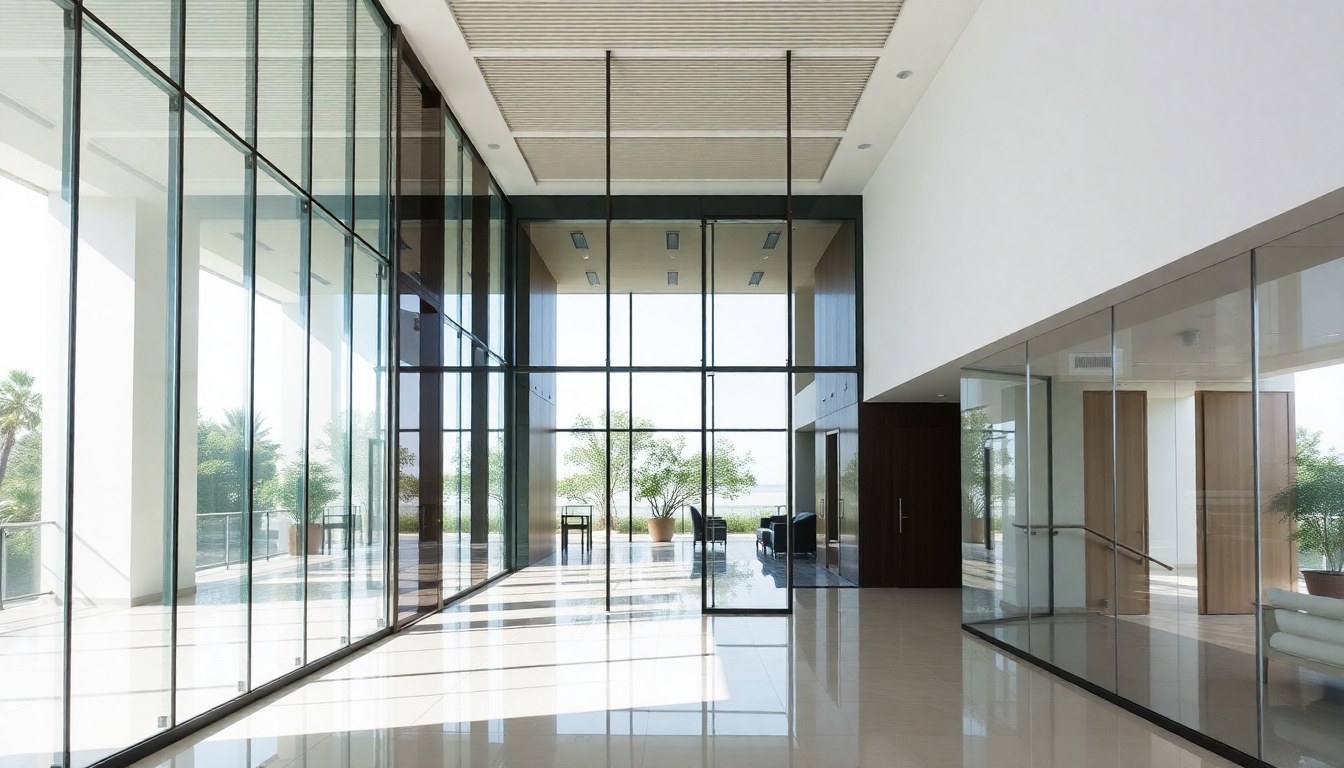
Commercial glass facades create stunning architectural statements, but without proper maintenance, they quickly lose their appeal and structural integrity. Regular cleaning and care not only preserve the aesthetic value of your building but also extend the lifespan of expensive glazing systems, prevent water damage, and maintain energy efficiency. This comprehensive guide walks you through everything you need to know about maintaining glass facades in Indian climatic conditions.
Understanding Glass Facade Maintenance Requirements
Glass facades face unique challenges in India's diverse climate zones, from coastal humidity in Mumbai and Chennai to dust storms in Delhi and Ahmedabad. The frequency and intensity of maintenance depend on several factors including location, building height, surrounding environment, and the type of glass and sealant systems used.
Most commercial buildings require professional facade cleaning at least twice annually, though high-traffic urban areas with significant pollution may need quarterly attention. Buildings near construction sites, industrial zones, or coastal areas often require monthly spot cleaning to prevent permanent staining and degradation of seals.
When planning new commercial projects with extensive glazing, consulting with experienced professionals like Insignis Theorem during the design phase can help you specify low-maintenance glass systems and establish realistic maintenance protocols from day one.
Essential Cleaning Techniques for Glass Facades
Water-Fed Pole System Cleaning
For buildings up to six stories, water-fed pole systems offer a safe and effective cleaning method. These telescopic poles use purified water that leaves no mineral deposits or streaks. The system works by scrubbing the glass with soft brushes while continuously rinsing with deionized water, which dries spot-free without requiring squeegees or drying cloths.
This method is particularly suitable for buildings with regular access around the perimeter and works well for routine maintenance cleaning. The equipment cost ranges from ₹80,000 to ₹2,50,000 depending on pole length and water purification system capacity.
Rope Access and Abseiling Methods
For high-rise buildings, trained technicians use rope access techniques to reach all areas of the facade. This method requires certified professionals with IRATA or similar qualifications and offers flexibility in accessing complex architectural features that gondolas cannot reach.
Rope access cleaning typically costs between ₹150 to ₹350 per square meter in major Indian cities, depending on building height and complexity. While more expensive than other methods, it provides thorough cleaning without the need for permanent building maintenance units.
Building Maintenance Unit (BMU) Systems
Large commercial towers often feature permanently installed BMUs—motorized platforms or gondolas mounted on the roof. These systems provide the most efficient solution for regular maintenance of tall buildings, allowing cleaning crews to access the entire facade systematically.
Buildings with BMUs should schedule annual mechanical inspections and operator training refreshers. The cleaning cost using BMUs ranges from ₹80 to ₹180 per square meter, making it the most economical option for buildings that clean their facades three or more times annually.
Recommended Cleaning Solutions and Equipment
The choice of cleaning agents significantly impacts both cleaning effectiveness and the longevity of your glass facade. Always avoid acidic cleaners, abrasive compounds, or harsh chemicals that can damage glass coatings, aluminum frames, or structural silicone sealants.
For routine cleaning, a solution of pH-neutral detergent mixed with deionized water works effectively for most Indian conditions. For stubborn stains like bird droppings, mineral deposits, or industrial fallout, specialized alkaline cleaners designed for architectural glass should be used. Always test any new cleaning product on a small, inconspicuous area first.
- Microfiber cloths and mops: Non-abrasive and highly absorbent for streak-free results
- Squeegees with soft rubber blades: Essential for achieving professional finish on large glass panels
- Extension poles: Allow ground-level cleaning of lower floors without ladders
- Pressure washers: Useful for pre-rinsing but must be used at appropriate pressure (below 1500 PSI) to avoid seal damage
- Safety harnesses and fall protection: Non-negotiable for any elevated work
Inspection and Waterproofing Maintenance
Glass facade maintenance extends far beyond cleaning the visible surfaces. The structural silicone, weather seals, and gaskets that hold the system together require regular inspection and preventive maintenance to avoid water infiltration, air leakage, and eventual system failure.
Schedule comprehensive facade inspections at least annually, focusing on these critical areas:
- Structural silicone joints: Check for cracking, delamination, or gaps that compromise weatherproofing
- Perimeter seals: Examine where glass meets frames and where frames meet the building structure
- Drainage weep holes: Ensure these remain clear to allow moisture escape from the system
- Aluminum frame condition: Look for corrosion, especially in coastal environments
- Glass integrity: Identify any chips, cracks, or delamination in laminated units
Sealant replacement typically becomes necessary every 10-15 years depending on exposure conditions, though spot repairs may be needed sooner in high-stress areas. Budget approximately ₹450 to ₹850 per linear meter for professional sealant replacement, including surface preparation and application.
Maintenance Frequency and Scheduling
Establishing a proactive maintenance schedule prevents small issues from becoming expensive problems. Your specific schedule should account for local environmental factors, but these general guidelines apply across most Indian commercial properties:
Monthly visual inspections: Building management should conduct walk-around inspections looking for obvious issues like broken glass, failed seals, or water staining. This costs nothing but vigilance and can catch problems early.
Quarterly detailed cleaning: Buildings in high-pollution areas like Delhi, Mumbai, or industrial zones should schedule professional cleaning every three months. This prevents buildup that becomes increasingly difficult to remove and may permanently etch glass surfaces.
Bi-annual comprehensive cleaning: Most commercial buildings in moderate environments should clean facades twice yearly, typically before and after monsoon season. This schedule balances cost with appearance and system longevity.
Annual technical inspection: Engage qualified facade consultants to conduct detailed inspections of all seals, joints, and structural elements. This inspection should include water testing of suspect areas and documentation with photographs and repair recommendations.
Professional Service Costs Across Indian Cities
Understanding typical costs helps you budget appropriately and evaluate service proposals. These ranges reflect current market rates in major Indian metros as of 2024:
Mumbai and Delhi NCR: Professional facade cleaning costs ₹120-280 per square meter for comprehensive service including pre-wash, detergent application, scrubbing, and final rinse. Premium high-rise buildings may pay ₹300-450 per square meter for specialized services.
Bangalore, Hyderabad, and Pune: Expect to pay ₹100-220 per square meter for standard commercial facade cleaning. These cities generally have less aggressive pollution than Delhi or Mumbai, sometimes allowing longer intervals between cleanings.
Ahmedabad, Jaipur, and tier-2 cities: Rates typically range from ₹80-180 per square meter. However, dust and sand in these regions may require more frequent cleaning despite lower per-service costs. Architects like Tatva Design Studio often recommend protective coatings for facades in these dusty environments to reduce maintenance frequency.
Annual maintenance contracts often provide better value than per-service pricing, with discounts of 15-25% compared to ad-hoc cleaning. Most contractors require a minimum commitment of two cleanings per year for contract pricing.
Common Problems and Prevention Strategies
Understanding typical facade problems helps you recognize issues early and take corrective action before minor defects become major repairs.
Water staining and mineral deposits: These appear as white or brown streaks, especially below joints and at the base of glass panels. They result from improper drainage design or clogged weep holes. Prevention requires ensuring drainage paths remain clear and addressing any water pooling issues promptly.
Sealant failure: Visible as gaps, cracks, or pulling away from glass or frames, failed sealants allow water infiltration that can damage interior finishes and building structure. Regular inspection and timely spot repairs prevent widespread failure requiring complete reseal projects costing lakhs of rupees.
Glass staining and etching: Prolonged exposure to pollutants, especially in industrial areas, can permanently damage glass surfaces. Regular cleaning prevents buildup that becomes increasingly difficult to remove and may eventually require glass replacement.
Frame corrosion: Aluminum frames can corrode, particularly in coastal environments or where dissimilar metals contact each other. Protective coatings and proper drainage design prevent most corrosion issues, but damaged areas require prompt treatment to prevent spreading.
Frequently Asked Questions
How often should commercial glass facades be professionally cleaned?
Most commercial buildings in Indian cities should schedule professional facade cleaning at least twice annually. However, buildings in high-pollution areas like Delhi, Mumbai industrial zones, or near construction sites may require quarterly cleaning. Coastal properties face additional challenges from salt spray and may benefit from more frequent maintenance. The specific schedule depends on your location, surrounding environment, and the building's visibility requirements.
What is the average cost of glass facade maintenance in India?
Professional glass facade cleaning in major Indian cities typically costs between ₹80 to ₹280 per square meter, depending on building height, access methods, and location. Mumbai and Delhi command premium rates of ₹120-280 per square meter, while tier-2 cities range from ₹80-180 per square meter. Annual maintenance contracts covering multiple cleanings and inspections often provide 15-25% savings compared to per-service pricing. Additional costs for sealant repairs, waterproofing work, or specialized stain removal are quoted separately.
Can building staff clean glass facades or should we hire professionals?
Ground-level glass and lower floors accessible with standard extension poles can be safely cleaned by trained building staff using proper equipment and techniques. However, any work above three meters height should be performed by professional facade cleaning companies with proper safety equipment, insurance, and trained personnel. Working at height requires specialized skills, fall protection systems, and adherence to safety regulations. The risk of accidents, liability issues, and potential damage to expensive facade systems makes professional service the prudent choice for elevated work.
What are the signs that glass facade sealants need replacement?
Key indicators of sealant failure include visible cracks or gaps in joints, sealant pulling away from glass or frames, hardening or brittleness when touched, water staining on interior walls near the facade, and air infiltration causing whistling sounds during windy conditions. If you notice any of these signs, schedule a professional inspection immediately. Early intervention with spot repairs costs far less than allowing widespread failure that requires complete reseal projects. Most structural silicone sealants last 10-15 years with proper maintenance, though exposure to extreme conditions may shorten this lifespan.
How does monsoon season affect glass facade maintenance schedules?
Monsoon season presents both challenges and opportunities for facade maintenance. The heavy rains naturally rinse facades but can also reveal waterproofing defects through leaks and water infiltration. Schedule a comprehensive cleaning and inspection just before monsoon to ensure all seals are intact and drainage systems are clear. After monsoon, conduct another inspection to identify any problems that emerged during heavy weather and clean away any water staining or deposits. This pre- and post-monsoon schedule aligns with the bi-annual cleaning recommendation for most Indian commercial buildings.
Maintaining your commercial glass facade requires consistent attention, proper techniques, and often professional expertise. Whether you're planning a new building or managing an existing property, the glass and design professionals listed in the glassy.in directory can connect you with qualified facade maintenance services, specialized cleaning contractors, and expert consultants across India. Regular maintenance protects your investment, preserves your building's appearance, and ensures the facade system performs as designed for decades to come.