
Glass Facades
Glass Facade Maintenance Guide: Cleaning and Care Tips for Indian Climate
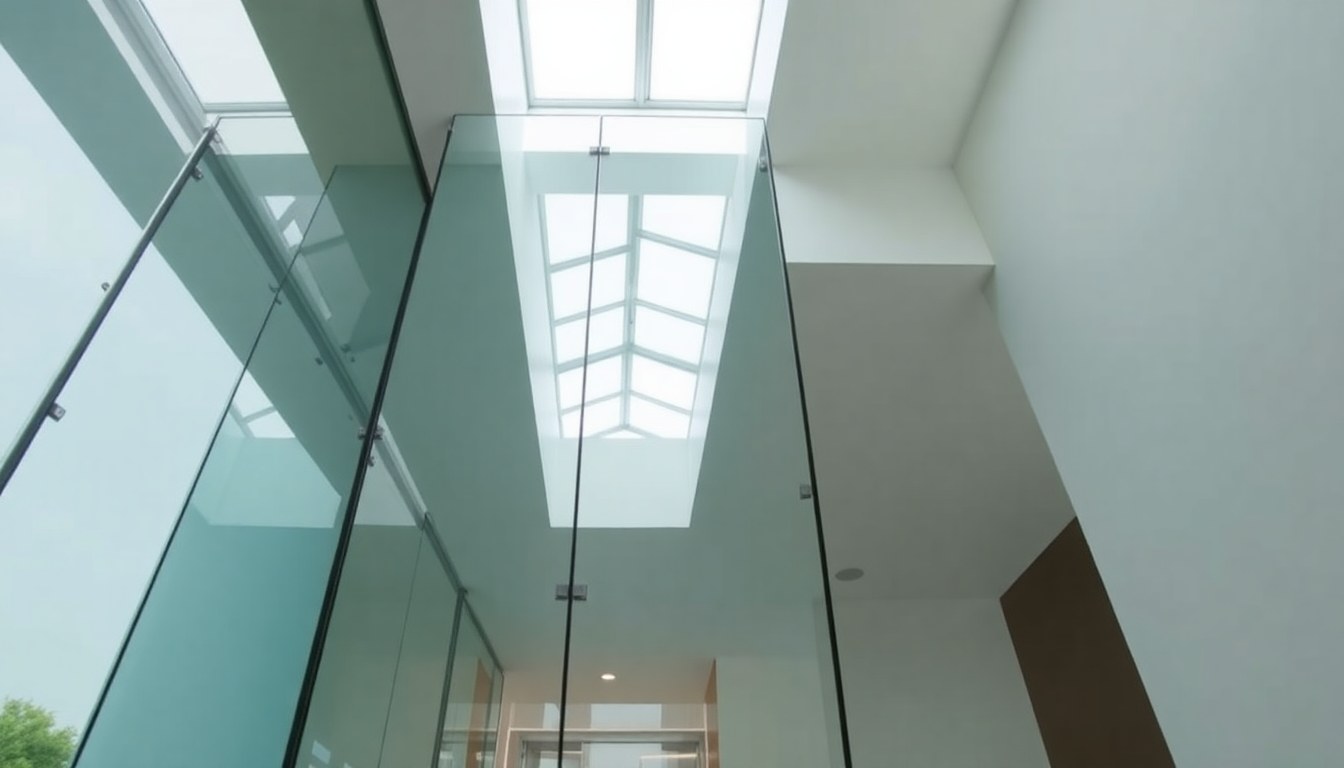
Glass facades define modern architecture across Indian cities, but maintaining their pristine appearance requires specialized knowledge and consistent care. India's diverse climate—from scorching summers and heavy monsoons to dusty winters—presents unique challenges that can quickly deteriorate glass surfaces if left unattended. This comprehensive guide walks you through proven maintenance strategies, seasonal preparation techniques, and cleaning schedules designed specifically for Indian weather conditions to keep your glass facade looking flawless year-round.
Understanding the Impact of Indian Climate on Glass Facades
Indian weather conditions pose distinct challenges to glass facade maintenance that differ significantly from temperate climates. The combination of high temperatures, humidity levels exceeding 80% during monsoons, and dust-laden air creates a perfect storm for glass deterioration. During summer months, temperatures can soar above 45°C in northern regions, causing thermal stress on glass panels and accelerating the degradation of sealants and gaskets.
Monsoon rains bring their own set of problems, particularly in coastal cities like Mumbai, Chennai, and Kolkata where salt-laden air combines with heavy rainfall. This creates stubborn water spots and mineral deposits that etch into glass surfaces if not addressed promptly. Meanwhile, cities in the Indo-Gangetic plain experience severe dust accumulation during dry months, requiring more frequent cleaning interventions than buildings in less polluted environments.
The ultraviolet radiation intensity in India is also considerably higher than in many Western countries, leading to faster degradation of protective coatings and weatherstripping. Understanding these climate-specific factors is essential for developing an effective maintenance schedule that prevents long-term damage and preserves both aesthetics and structural integrity.
Essential Cleaning Techniques and Schedules
Establishing a regular cleaning schedule is the cornerstone of effective glass facade maintenance. For most commercial buildings in urban Indian settings, exterior glass surfaces should receive professional cleaning at least quarterly, with monthly cleaning recommended for high-traffic areas or buildings in particularly polluted zones. Residential glass facades typically require professional attention twice annually, supplemented by homeowner spot-cleaning as needed.
Daily and Weekly Maintenance
Interior glass surfaces should be wiped down weekly using microfiber cloths and a solution of distilled water with a small amount of mild, pH-neutral detergent. Avoid using newspaper or paper towels, as these can leave lint and scratches on modern coated glass. For daily dusting, dry microfiber cloths work exceptionally well without introducing moisture that could create streaks.
Exterior surfaces accessible from inside should be cleaned bi-weekly during dusty seasons. Always clean glass during cooler parts of the day—early morning or late evening—to prevent cleaning solutions from drying too quickly and leaving residue. This timing is particularly important during Indian summers when midday temperatures make proper cleaning nearly impossible.
Professional Deep Cleaning
Professional facade cleaning services employ specialized equipment including water-fed poles, suspended platforms, and rope access systems to reach high-rise glass safely. These services typically use deionized or reverse-osmosis water that prevents mineral deposits, making them particularly valuable in hard-water regions. Professional cleaners can also identify early signs of sealant failure, glass delamination, or structural issues that building owners might miss.
When selecting professional services, verify that they carry adequate insurance and follow safety protocols compliant with Indian building regulations. Many established interior design firms like Mrbluehut also offer or can recommend reliable glass maintenance services for their completed projects.
Monsoon Preparation and Weatherproofing
Pre-monsoon preparation is critical for preventing water infiltration and staining during India's intense rainy season. Begin preparations at least one month before monsoon arrival, which varies by region—typically June in most parts of India, but earlier in Kerala and later in northeastern states.
Start by thoroughly inspecting all sealant joints, weatherstripping, and gaskets around glass panels. Look for cracks, gaps, or areas where sealant has pulled away from glass or framing. Silicone sealants typically last 5-7 years in Indian conditions before requiring replacement. Any compromised seals should be removed completely and replaced with high-quality neutral-cure silicone specifically rated for exterior glass applications.
Clean all drainage channels and weep holes in the facade system to ensure water can exit properly. Blocked drainage is a leading cause of water accumulation and subsequent leakage. Test the drainage system by pouring water into channels and confirming it flows freely to designated exit points.
- Apply hydrophobic coatings to exterior glass surfaces before monsoon season begins
- Inspect and clean window tracks and sills to prevent water pooling
- Check that all operable windows close and lock properly to prevent wind-driven rain entry
- Trim any vegetation that touches or hangs over glass surfaces to prevent scratching and organic staining
- Schedule a professional inspection for high-rise facades to identify issues inaccessible to building occupants
Hard Water Stain Removal and Prevention
Hard water stains represent one of the most persistent challenges for glass facade maintenance in India, where municipal water supplies often contain high concentrations of calcium, magnesium, and other minerals. These deposits appear as white, cloudy spots or streaks that become increasingly difficult to remove as they accumulate and etch into glass surfaces.
For light to moderate hard water staining, create a solution using equal parts white vinegar and distilled water. Apply this solution to affected areas using a spray bottle, allow it to sit for 5-10 minutes, then scrub gently with a non-abrasive pad before rinsing thoroughly with clean water. For stubborn deposits, a paste made from baking soda and water can provide gentle abrasive action without scratching glass.
Commercial acid-based cleaners specifically formulated for hard water removal are available for severe cases, but these should be used cautiously and only according to manufacturer instructions. Always test any cleaning solution on an inconspicuous area first, as some products may damage protective coatings or tinted glass. Never use steel wool, razor blades, or harsh abrasive cleaners, as these will permanently scratch glass surfaces.
Long-term Prevention Strategies
Preventing hard water stains is far easier than removing them. Installing water softening systems for any water that contacts glass surfaces eliminates the mineral content responsible for staining. For buildings where this isn't feasible, applying protective hydrophobic coatings creates an invisible barrier that causes water to bead and roll off rather than evaporating and leaving mineral deposits.
These coatings typically last 1-3 years depending on environmental conditions and should be reapplied as part of regular maintenance cycles. During monsoon season, the natural rainfall often helps rinse away mineral buildup, but in dry months, periodic rinsing with deionized water prevents accumulation.
Specialized Care for Different Glass Types
Not all glass facades require identical maintenance approaches. Tinted and reflective glass demands special attention to avoid damaging the metallic coatings that provide their distinctive appearance and solar control properties. These coatings are typically applied to interior surfaces of insulated glass units but can still be affected by aggressive cleaning chemicals that penetrate failed seals.
Low-E (low-emissivity) glass, increasingly common in energy-efficient Indian buildings, requires pH-neutral cleaners to preserve its microscopic metallic coating. Avoid ammonia-based products, which can degrade these coatings over time. Laminated and tempered safety glass, while more durable than standard annealed glass, still requires the same gentle cleaning approach to maintain clarity.
Frosted or acid-etched glass presents unique cleaning challenges because its textured surface traps dirt more readily than smooth glass. These surfaces benefit from soft-bristle brush cleaning with mild detergent solutions, followed by thorough rinsing. Self-cleaning glass, which uses photocatalytic coatings activated by UV light, still requires periodic washing to remove organic materials and maintain optimal performance.
Professional Maintenance Services and Cost Considerations
While routine interior cleaning can be handled by building maintenance staff or homeowners, exterior facade maintenance—especially for multi-story buildings—requires professional expertise and specialized equipment. Professional glass facade maintenance services in Indian metros typically charge ₹15-40 per square foot for basic cleaning, with prices varying based on building height, accessibility, and glass condition.
Comprehensive maintenance contracts that include quarterly cleaning, annual seal inspection, and minor repairs generally offer better value than one-time services. These contracts typically cost ₹50,000-3,00,000 annually for medium-sized commercial buildings, depending on total glass area and service frequency. For residential properties, annual maintenance packages range from ₹8,000-25,000 for typical apartment-sized glass installations.
When budgeting for facade maintenance, factor in potential repair costs for sealant replacement (₹200-500 per linear meter), gasket replacement (₹150-400 per meter), and glass panel replacement if damage occurs. Preventive maintenance consistently proves more cost-effective than deferred maintenance that allows minor issues to escalate into major structural problems requiring extensive remediation.
Frequently Asked Questions
How often should glass facades be professionally cleaned in Indian cities?
Commercial glass facades in urban Indian environments should receive professional cleaning quarterly, or every three months, to maintain optimal appearance and prevent permanent staining. Buildings in high-pollution areas like Delhi, Mumbai, or Kolkata may benefit from monthly cleaning during peak dust seasons. Residential glass facades typically require professional attention twice yearly, with additional spot-cleaning by homeowners as needed between professional services.
What is the best way to remove hard water stains from glass facades?
For light to moderate hard water stains, use a solution of equal parts white vinegar and distilled water, allowing it to sit on the stain for 5-10 minutes before gentle scrubbing with a non-abrasive pad. Stubborn deposits may require a baking soda paste or commercial acid-based cleaners formulated specifically for glass. Prevention through hydrophobic coatings and water softening systems is more effective than repeated stain removal, which can eventually damage glass surfaces.
When should sealants around glass facades be replaced?
Silicone sealants in Indian climate conditions typically require replacement every 5-7 years, though this varies based on sun exposure, temperature extremes, and initial installation quality. Inspect sealants annually before monsoon season, looking for cracks, gaps, or areas where sealant has pulled away from glass or framing. Any compromised seals should be replaced immediately to prevent water infiltration and structural damage, regardless of the sealant's age.
Can I use regular household cleaners on glass facades?
Avoid ammonia-based household cleaners on modern glass facades, as these can damage low-E coatings, tints, and protective films. Use only pH-neutral cleaners specifically formulated for architectural glass, or create a simple solution of mild dish detergent and distilled water. Never use abrasive cleaners, steel wool, or razor blades, as these will permanently scratch glass surfaces and void most manufacturer warranties.
What monsoon preparation is essential for glass facades?
Pre-monsoon preparation should begin one month before seasonal rains arrive and includes inspecting and replacing compromised sealants, cleaning all drainage channels and weep holes, applying hydrophobic coatings to exterior glass, and trimming vegetation near glass surfaces. Schedule professional facade inspections for high-rise buildings to identify issues inaccessible to building occupants. Proper preparation prevents water infiltration, reduces cleaning requirements, and extends facade lifespan.
Maintaining your glass facade's pristine appearance and structural integrity requires consistent care tailored to India's challenging climate conditions. Whether you're managing a commercial high-rise or caring for residential glass installations, the right maintenance approach protects your investment and ensures lasting beauty. For professional glass maintenance services, specialized cleaning products, or expert consultation, explore the comprehensive directory of glass professionals and service providers at glassy.in—India's most trusted resource for all glass-related needs.