
Glass Facades
Glass Facade Maintenance Guide: Cleaning and Care Tips for Indian Buildings
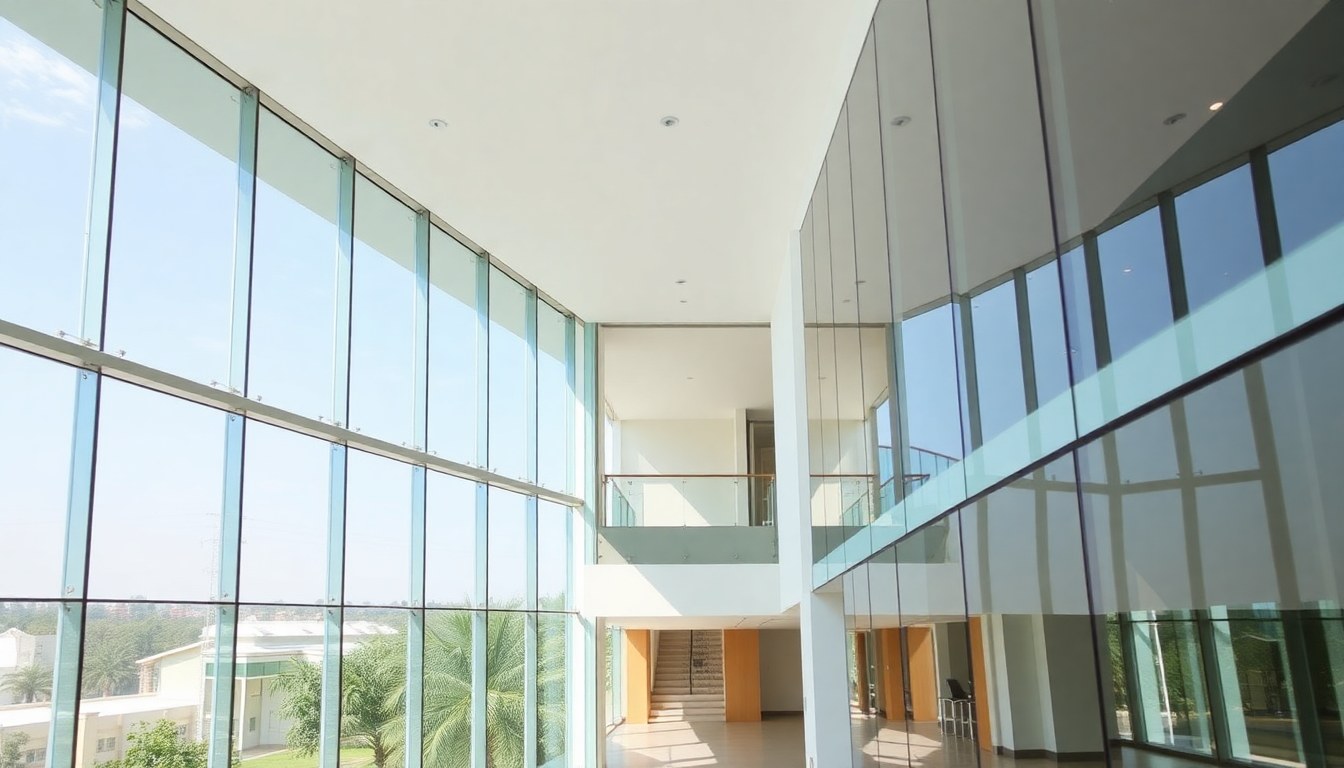
Glass facades have become the hallmark of modern Indian architecture, adorning commercial complexes, corporate offices, and luxury residential towers across Mumbai, Bangalore, Delhi, and other metro cities. However, India's diverse climate—from humid coastal regions to dust-laden northern plains and heavy monsoon zones—poses unique challenges for maintaining these gleaming surfaces. This comprehensive guide provides building managers, facility teams, and property owners with practical strategies to keep glass facades spotless, safe, and structurally sound throughout the year.
Understanding Glass Facade Challenges in Indian Climate
Indian buildings face distinct environmental stressors that accelerate facade deterioration. Coastal cities like Mumbai and Chennai contend with salt-laden air that creates stubborn residue on glass surfaces, while Delhi and Ahmedabad deal with dust storms and high pollution levels that deposit particulate matter. Monsoon rains, though cleansing, often leave behind watermarks and mineral deposits, especially in areas with hard water.
Temperature fluctuations also play a critical role. Glass facades expand and contract with heat, and India's summer temperatures regularly exceed 40°C in many regions. This thermal stress can compromise sealants and gaskets over time. Additionally, rapid urbanization means construction dust from nearby projects frequently settles on building exteriors, requiring more frequent cleaning cycles than originally anticipated during design phases.
The quality of installation significantly impacts long-term maintenance requirements. Buildings that incorporated proper drainage systems, high-quality sealants, and appropriate glass coatings during construction face fewer maintenance challenges. When planning new projects or renovations, consulting experienced professionals like Mrbluehut ensures that facade systems are designed with Indian climate considerations from the outset.
Establishing an Effective Cleaning Schedule
The frequency of glass facade cleaning depends on location, surrounding environment, and building use. High-traffic commercial buildings in urban centers typically require professional cleaning every 3-4 months, while buildings in industrial zones or near coastal areas may need monthly attention. Residential towers can often extend this to bi-annual cleaning, though quarterly inspections remain advisable.
Seasonal considerations matter significantly in India. Pre-monsoon cleaning (April-May) removes accumulated dust and prepares surfaces for heavy rains. Post-monsoon cleaning (October-November) addresses watermarks and organic growth that may have developed during wet months. Winter months offer ideal conditions for thorough cleaning in most regions, with stable weather and lower temperatures reducing water evaporation during the cleaning process.
Daily and Weekly Maintenance Tasks
Building maintenance teams should implement routine spot-cleaning protocols for ground-level and easily accessible facade sections. Daily visual inspections help identify issues like bird droppings, which contain acidic compounds that can etch glass if left untreated. Weekly checks of drainage channels and weep holes prevent water accumulation that leads to staining and potential structural issues.
Professional Cleaning Methods and Techniques
Professional facade cleaning employs several methods, each suited to different building heights, glass types, and contamination levels. The water-fed pole system works effectively for buildings up to 20 meters, using purified water that leaves no residue as it dries. This method is cost-effective and eliminates the need for chemical detergents, making it environmentally friendly.
For taller structures, rope access techniques (abseiling) and Building Maintenance Units (BMUs) or gondolas become necessary. Rope access offers flexibility and lower setup costs, making it popular for buildings without permanent BMU installations. However, this method requires highly trained technicians certified by industrial rope access associations. BMUs, while requiring significant initial investment, provide the safest and most efficient solution for regular maintenance of high-rise buildings.
Cleaning Solutions and Equipment
The choice of cleaning agents depends on the type of soiling and glass coating. For routine maintenance, pH-neutral detergents mixed with deionized water prevent streaking and protect specialized coatings like low-emissivity (Low-E) films. Stubborn stains may require specific treatments:
- Mineral deposits and hard water stains: Diluted acidic solutions (citric acid or specialized facade cleaners)
- Organic matter and pollution residue: Alkaline cleaners with appropriate pH levels
- Paint or adhesive residue: Solvent-based removers applied carefully to avoid coating damage
- Bird droppings: Enzymatic cleaners that break down organic compounds safely
Professional teams use microfiber cloths, squeegees with rubber blades, and soft-bristle brushes to avoid scratching glass surfaces. High-pressure washing should be avoided or used only at controlled pressures below 500 PSI, as excessive force can damage sealants and force water into the building envelope.
Safety Protocols and Compliance Standards
Safety remains paramount in facade maintenance operations. All cleaning personnel must receive proper training in working at heights, with certification from recognized bodies. Personal protective equipment (PPE) including harnesses, helmets, gloves, and non-slip footwear is mandatory for all elevated work.
Building owners must ensure that anchor points, BMUs, and other permanent access equipment undergo annual inspections and load testing. Temporary installations like scaffolding require engineering certification and regular safety checks throughout the cleaning period. Ground-level safety measures include barricading work zones, posting warning signage, and coordinating with building occupants to minimize disruption.
Compliance with local municipal regulations and building codes is essential. Many Indian cities now require facade maintenance plans as part of building occupancy certificates. Documentation of cleaning schedules, safety inspections, and incident reports should be maintained for regulatory compliance and insurance purposes.
Cost-Effective Maintenance Planning
Developing a structured maintenance budget prevents costly emergency repairs and extends facade lifespan. Professional cleaning costs in Indian metros typically range from ₹15-40 per square foot, depending on building height, access complexity, and cleaning frequency. Annual maintenance contracts often provide 15-20% cost savings compared to ad-hoc cleaning arrangements.
Preventive maintenance delivers significant long-term savings. Regular inspection and timely replacement of weathered sealants costs far less than repairing water damage to interior spaces. Similarly, addressing minor glass chips or cracks promptly prevents the need for complete panel replacement. Budget allocation should include:
- Routine cleaning (60-70% of annual facade maintenance budget)
- Preventive repairs and sealant maintenance (20-25%)
- Emergency repairs and contingency (10-15%)
Technology investments like automated cleaning systems or permanent access equipment have higher upfront costs but reduce long-term operational expenses for large buildings. Building management should conduct cost-benefit analyses based on facade size, building height, and expected service life.
Specialized Care for Different Glass Types
Modern buildings incorporate various glass technologies, each requiring specific maintenance approaches. Tinted and reflective glass needs gentler cleaning agents to preserve coatings, while tempered glass, though stronger, still requires careful handling to avoid edge damage. Low-E glass with metallic coatings demands pH-neutral cleaners and soft cleaning tools to prevent coating degradation.
Self-cleaning glass, featuring photocatalytic coatings that break down organic dirt, still requires periodic washing to remove inorganic deposits. These surfaces should never be cleaned with abrasive materials or harsh chemicals that compromise the coating. Laminated glass used in safety applications needs edge inspection during cleaning to detect delamination early.
Addressing Common Facade Issues
Regular maintenance helps identify and address recurring problems. Persistent watermarks often indicate inadequate drainage or failing sealants requiring immediate attention. Condensation between double-glazed units signals seal failure necessitating panel replacement. Surface hazing may result from chemical reactions between cleaning agents and glass coatings, emphasizing the importance of using manufacturer-approved products.
Frequently Asked Questions
How often should glass facades be professionally cleaned in Indian cities?
Commercial buildings in urban Indian environments typically require professional cleaning every 3-4 months, while buildings in coastal or industrial areas may need monthly cleaning. Residential buildings can extend this to twice yearly, though quarterly inspections remain important. Seasonal cleaning before and after monsoons is particularly recommended to address weather-related soiling and prevent long-term staining.
What is the average cost of glass facade maintenance in India?
Professional facade cleaning in Indian metros costs approximately ₹15-40 per square foot, depending on building height, access complexity, and cleaning frequency. Annual maintenance contracts typically offer better value than one-time services. A 10,000 square foot facade might cost ₹1.5-4 lakhs annually for comprehensive maintenance including cleaning, inspections, and minor repairs.
Can building maintenance staff clean glass facades themselves?
In-house teams can handle ground-level and easily accessible areas up to 2-3 floors using water-fed poles and appropriate safety equipment. However, high-rise facade cleaning requires specialized training, certification in working at heights, and professional-grade access equipment. Most buildings benefit from a hybrid approach: routine ground-level maintenance by in-house staff and professional services for comprehensive high-level cleaning.
How do monsoons affect glass facade maintenance schedules?
Monsoons both help and challenge facade maintenance. Heavy rains naturally wash away loose dust but often leave mineral deposits and watermarks, especially in hard water areas. Schedule professional cleaning before monsoons to remove accumulated grime and after monsoons to address water staining. Ensure drainage systems and weep holes are clear before monsoon season to prevent water accumulation and associated damage.
What safety certifications should facade cleaning companies have?
Reputable facade cleaning contractors should have workers trained and certified in industrial rope access or similar working-at-height certifications. Look for companies with valid insurance coverage, documented safety protocols, and a track record of zero or minimal safety incidents. Request proof of equipment inspection certificates and ensure the company complies with local municipal safety regulations for facade work.
Maintaining your building's glass facade requires expertise, proper planning, and reliable service providers. Whether you're managing a commercial complex or residential tower, finding qualified professionals makes all the difference. Explore the comprehensive directory at glassy.in to connect with certified facade maintenance specialists, glass suppliers, and building service experts across India who understand the unique demands of Indian climate conditions.