
Glass Facades
Glass Curtain Wall Maintenance in Hyderabad: Seasonal Cleaning & Care Schedule
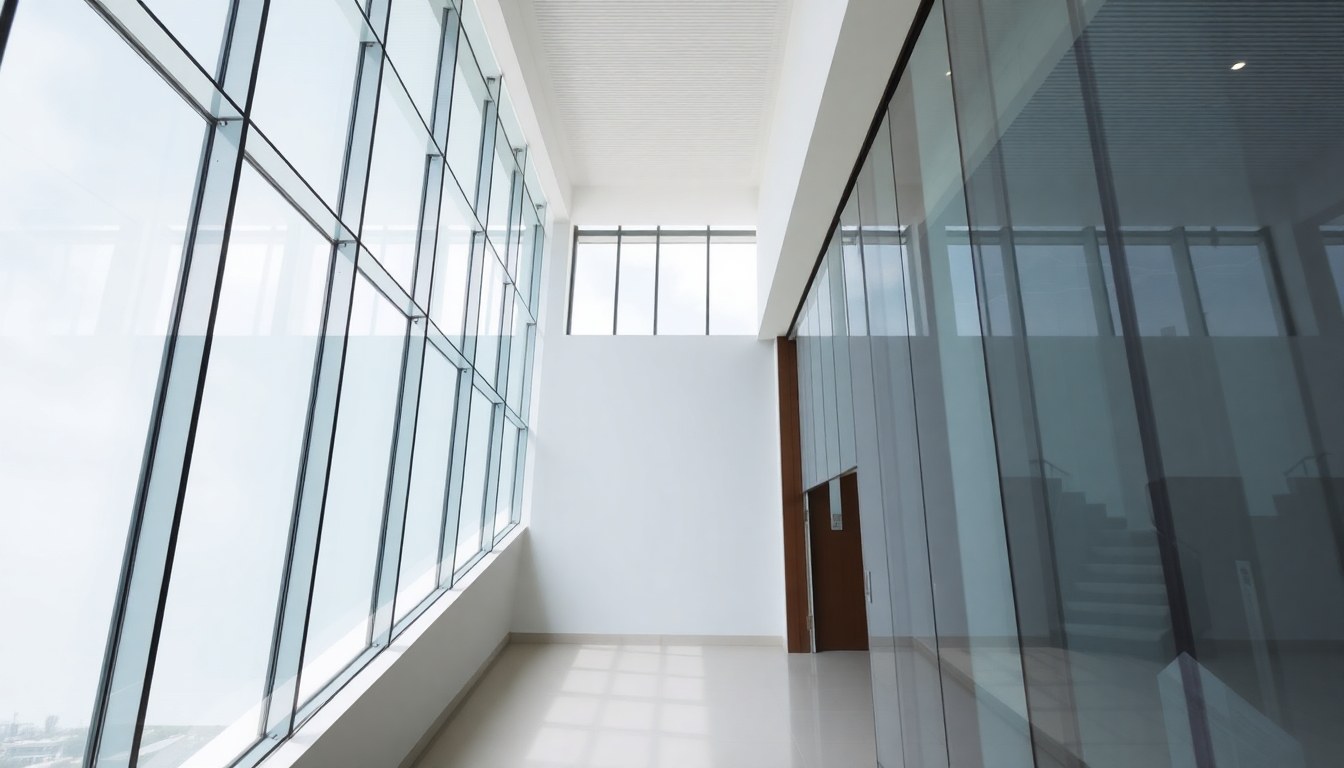
Glass curtain walls are architectural statements that define modern commercial buildings across Hyderabad, but they demand consistent care to maintain their clarity, structural integrity, and aesthetic appeal. The city's unique tropical climate—with intense heat, monsoon rains, and high humidity—accelerates the buildup of dust, algae, and mineral deposits on glass surfaces. A well-planned maintenance schedule protects your investment, ensures employee safety, and keeps your building façade looking pristine throughout the year.
Understanding Hyderabad's Climate Impact on Glass Facades
Hyderabad experiences three distinct seasons that each pose unique challenges to glass curtain wall systems. The summer months (March to May) bring extreme heat and dust storms that leave abrasive particles embedded in sealants and glass surfaces. The monsoon season (June to September) introduces heavy rainfall, high humidity, and the growth of biological contaminants like algae and mold on glass and aluminum frames. The winter months (October to February) are relatively mild but still require attention to maintain the system's performance.
The city's semi-arid to sub-humid climate means that water stains and mineral deposits form quickly on glass surfaces, particularly after rain or when sprinkler systems are used nearby. These deposits not only reduce transparency but can also trap moisture against sealants, leading to premature deterioration. Understanding these seasonal patterns helps facility managers and building owners develop a targeted maintenance approach rather than reactive cleaning.
Why Regular Maintenance Matters
Neglecting glass curtain wall maintenance in Hyderabad can result in structural issues, energy loss, and costly repairs. Degraded sealants allow water infiltration, which damages insulation and structural elements behind the glass. Dirty glass reduces natural light transmission and increases reliance on artificial lighting, raising energy costs. Biological growth on frames and sealants accelerates material breakdown and creates safety hazards during cleaning operations.
Monsoon Season Maintenance (June to September)
The monsoon season is the most critical period for glass curtain wall maintenance in Hyderabad. Heavy rainfall, combined with wind-driven moisture, tests the integrity of sealants and gaskets. Before monsoon arrives, conduct a thorough inspection of all sealant joints, paying special attention to horizontal surfaces and areas where water naturally collects. Look for cracks, peeling, or gaps in sealant material—these are primary entry points for water infiltration.
During the monsoon months, increase cleaning frequency to every two weeks for the lower half of the façade, where water splash and mud accumulation are heaviest. Use deionized water and soft-bristle brushes to avoid damaging sealants. Avoid high-pressure washing, which can force water behind glass panels and compromise seals. After heavy rainfall, inspect the building interior for any signs of water seepage, staining, or moisture on walls and ceilings near the glass system.
Pre-Monsoon Sealant Inspection Checklist
- Check all horizontal sealant joints for cracks or separation
- Inspect vertical joints at building corners and expansion points
- Test sealant flexibility by gently pressing with a tool—it should compress and return to shape
- Remove any loose sealant material and debris from joints
- Apply fresh sealant to any compromised areas before monsoon onset
- Verify that drainage holes and weep systems are clear of blockages
Summer Maintenance (March to May)
Summer in Hyderabad brings intense heat and frequent dust storms that coat glass surfaces with fine particles, mineral dust, and sand. Monthly cleaning during this season is essential to prevent permanent etching and to maintain visibility. The high temperatures also accelerate the breakdown of sealants, so this is an ideal time to inspect for UV damage and material degradation.
Heat causes expansion and contraction in glass and aluminum frames, which can stress sealant joints. Schedule your summer maintenance during early morning or late evening hours to avoid working on hot glass surfaces, which can cause cleaning solutions to dry too quickly and leave streaks. Use pH-neutral cleaners specifically formulated for glass and aluminum to avoid corrosion of frame materials. Pay special attention to the south and west-facing facades, which receive the most intense solar exposure.
Summer Cleaning Best Practices
- Clean glass surfaces every 3-4 weeks during peak dust season
- Use deionized water to avoid mineral staining
- Apply anti-static coatings to reduce dust adhesion between cleanings
- Inspect aluminum frames for oxidation and apply protective coatings if needed
- Check gasket materials for hardening or brittleness caused by UV exposure
- Verify that all fasteners and expansion joints remain secure
Winter and Post-Monsoon Maintenance (October to February)
Winter months offer the most favorable conditions for comprehensive maintenance work in Hyderabad. Temperatures are moderate, humidity is lower, and rainfall is minimal, making this the ideal season for deep cleaning, sealant replacement, and structural inspections. Schedule major maintenance tasks during this period to ensure your system is in peak condition before the next summer and monsoon cycles.
After monsoon season ends, conduct a post-monsoon inspection to assess any damage caused by heavy rains and wind. Look for water stains, biological growth, or sealant deterioration that may have occurred during the wet months. This is also the time to clean and treat aluminum frames to remove any algae or mold growth that thrives in humid conditions. Engage professional architectural specialists if you identify structural concerns or significant sealant failure.
Deep Cleaning and Restoration
Winter maintenance should include professional deep cleaning using specialized equipment and solutions. This may involve soft-wash systems that safely remove biological growth without damaging sealants or glass coatings. Consider applying hydrophobic coatings to glass surfaces to improve water shedding and reduce mineral deposit formation. For aluminum frames, use appropriate cleaners and protective coatings to prevent oxidation and corrosion.
Choosing the Right Maintenance Partner in Hyderabad
Professional glass curtain wall maintenance requires specialized knowledge, equipment, and safety protocols. When selecting a maintenance service provider in Hyderabad, look for companies with experience in commercial glass systems and a track record of work on high-rise buildings. They should be familiar with local climate challenges and able to provide customized maintenance schedules based on your building's specific needs and orientation.
Reputable glass and aluminum suppliers like The Edge Glass and Aluminum and Beauty Glass Pvt Ltd can recommend qualified maintenance professionals and supply replacement materials when needed. Interior designers and architects, such as Swan Interiors, often have established relationships with reliable maintenance contractors and can provide referrals based on project experience.
Key Questions to Ask Potential Contractors
- What is your experience with glass curtain wall systems in Hyderabad's climate?
- Do you have liability insurance and worker safety certifications?
- Can you provide references from similar projects in the city?
- What cleaning solutions and methods do you use?
- How do you handle sealant inspection and replacement?
- What is your response time for emergency repairs?
Budgeting and Cost Considerations
The cost of glass curtain wall maintenance in Hyderabad varies based on building height, façade area, system complexity, and frequency of service. Routine cleaning typically costs between ₹15 to ₹40 per square meter, depending on accessibility and contamination levels. Annual maintenance contracts that include seasonal cleaning, sealant inspection, and minor repairs generally range from ₹50,000 to ₹3,00,000 for mid-sized commercial buildings, depending on façade area.
Investing in preventive maintenance is significantly more cost-effective than addressing water damage, structural failures, or complete sealant replacement. A well-maintained curtain wall system can function reliably for 20-30 years, while neglected systems may require costly restoration within 10-15 years. Budget for professional maintenance as an essential operational expense rather than an optional service.
Frequently Asked Questions
How often should glass curtain walls be cleaned in Hyderabad?
In Hyderabad's climate, glass curtain walls should be cleaned monthly during summer and monsoon seasons, and at least quarterly during winter months. Buildings in high-pollution areas or near construction sites may require more frequent cleaning. The frequency also depends on the building's orientation—south and west-facing facades accumulate more dust and require more frequent attention than north-facing surfaces.
What is the best time to replace sealants on a glass curtain wall system?
The ideal time for sealant replacement in Hyderabad is during the winter months (October to February) when temperatures are moderate and humidity is lower. Sealants cure properly in these conditions and have the best chance of long-term performance. Avoid sealant work during monsoon season or extreme summer heat, as moisture and temperature fluctuations prevent proper curing and adhesion.
Can I use a pressure washer to clean glass curtain walls?
High-pressure washing is not recommended for glass curtain wall systems, as it can force water behind glass panels, damage sealants, and compromise gaskets. Instead, use soft-bristle brushes, deionized water, and pH-neutral cleaners. For stubborn deposits, consider professional soft-wash systems that safely remove contaminants without damaging the system's integrity.
What signs indicate that sealants need replacement?
Signs of sealant failure include visible cracks or gaps, peeling or separation from glass or aluminum, loss of flexibility (sealant cracks when pressed), discoloration or staining, and water infiltration into the building. If you notice any of these signs during inspection, contact a professional to assess the damage and plan replacement work. Delaying sealant replacement can lead to expensive water damage and structural issues.
How does Hyderabad's humidity affect glass curtain wall maintenance?
High humidity in Hyderabad promotes the growth of algae, mold, and mildew on glass surfaces and aluminum frames, particularly during and after monsoon season. Moisture trapped in sealant joints accelerates material degradation and can cause water infiltration. Regular cleaning and proper drainage maintenance are essential to prevent biological growth and moisture-related damage in this climate.
Conclusion
Maintaining glass curtain walls in Hyderabad requires a proactive, season-specific approach that accounts for the city's unique climate challenges. By implementing a structured cleaning and inspection schedule—with intensified efforts during monsoon and summer months—you protect your building's structural integrity, energy efficiency, and visual appeal. Partner with experienced professionals who understand local conditions, and budget for preventive maintenance as a critical investment in your commercial property's long-term value.
Ready to develop a customized maintenance plan for your building's glass façade? Explore Hyderabad's trusted glass suppliers and interior design professionals on glassy.in, India's largest glass-business directory. Connect with local experts who can recommend maintenance contractors, supply quality materials, and help you keep your curtain wall system in peak condition year-round.