
Glass Facades
Glass Curtain Wall Maintenance: Cleaning & Weatherproofing Schedule
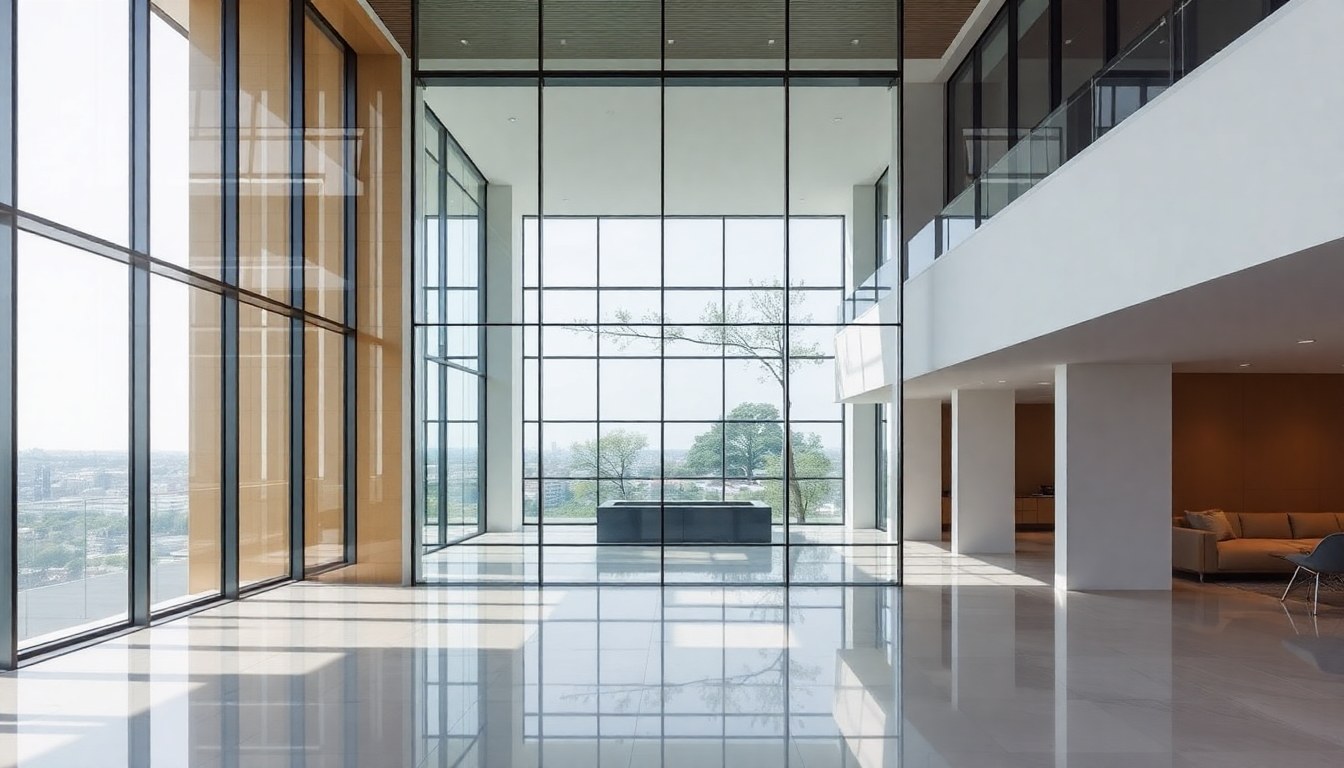
Glass curtain walls are the architectural backbone of modern commercial buildings, offering aesthetic appeal and energy efficiency—but only when properly maintained. A neglected curtain wall system can lead to water infiltration, thermal loss, and costly structural damage within months. This guide walks you through a practical, season-by-season maintenance schedule that protects your investment and keeps your building envelope performing at peak efficiency.
Understanding Glass Curtain Wall Systems
A curtain wall is a non-structural facade system that hangs from the building's frame like a "curtain," bearing only its own weight and wind loads. It consists of glazing (glass), framing (aluminum or steel), gaskets, sealants, and various fastening components. Unlike traditional masonry, curtain walls depend entirely on sealants and gaskets to prevent water and air infiltration.
The durability of your curtain wall hinges on three critical components: the glass itself, the structural silicone sealants, and the perimeter gaskets. Each requires different maintenance approaches and frequencies. Understanding this distinction helps you allocate resources effectively and prevent premature failure.
Why Regular Maintenance Matters
Sealants typically last 15–25 years depending on exposure and climate, but they degrade faster without proper care. UV exposure, thermal cycling (especially in Indian climates with extreme summer heat), and pollution accelerate sealant breakdown. A single failed seal can allow water penetration into the building's interior, risking mold, corrosion, and structural compromise. Regular maintenance extends sealant life by 5–10 years and catches problems before they become expensive.
Spring Maintenance Protocol
Spring is the ideal time to inspect your curtain wall after winter exposure and prepare for the intense summer heat ahead. This season focuses on cleaning, visual inspection, and minor repairs.
Deep Cleaning and Inspection
Begin with a thorough external wash using deionized water and soft-bristle brushes. Hard water deposits and winter grime accumulate on glass and aluminum frames, reducing transparency and promoting corrosion. For stubborn stains, use mild soap solutions (pH-neutral cleaners only—acidic or alkaline cleaners etch aluminum and degrade sealants). Inspect all visible sealant joints for cracks, gaps, or separation from the substrate.
Check gaskets for compression loss or hardening. Gaskets should feel slightly elastic when pressed; if they remain compressed, they've lost resilience and need replacement. Look for visible water stains on interior surfaces, which indicate past or ongoing leaks requiring immediate attention.
Sealant Assessment
- Run a visual inspection along all horizontal and vertical joints
- Test sealant adhesion by gently attempting to lift edges with a plastic tool (not metal)
- Note any areas where sealant has shrunk away from the substrate
- Document locations of cracks wider than 3mm for summer repair scheduling
Summer Maintenance: Heat and Weatherproofing Focus
Summer brings extreme heat, intense UV radiation, and occasional heavy monsoon rains in many Indian regions. This season demands proactive weatherproofing measures and thermal stress monitoring.
Thermal Movement Accommodation
Glass and aluminum expand significantly in summer heat. A 20-meter glass panel can expand or contract by 10–15mm with a 50°C temperature change. Curtain walls must accommodate this movement without compromising seals. Inspect expansion joints and movement accommodation devices (such as slotted fasteners or flexible connections) to ensure they're not binding or restricting movement. Binding creates internal stress that can crack glass or pull sealants.
Sealant Maintenance and Repair
Summer is the best time to repair sealant failures identified in spring. Sealants cure faster in warm weather (typically 7–14 days versus 3–4 weeks in winter), and you minimize the window during which repairs are exposed to weather.
- Remove failed sealant completely using a sealant removal tool or chemical remover
- Clean the joint with a solvent-based cleaner and allow to dry thoroughly
- Apply a compatible primer if the substrate requires it (check manufacturer specs)
- Fill the joint with high-modulus structural silicone sealant, maintaining proper joint width and depth ratios (typically 1:1 depth-to-width)
- Tool the sealant smoothly while wet to ensure good contact with substrates
Use only structural-grade silicone sealants (not acrylic or polyurethane) for curtain wall applications. Structural sealants maintain flexibility and adhesion through decades of thermal cycling, while cheaper alternatives become brittle and fail prematurely.
Water Intrusion Checks
If your region experiences monsoon or heavy summer rains, perform water intrusion tests on suspect areas. A simple method: spray water at high pressure (using a garden hose) onto exterior joints while an observer inside watches for leaks. Mark any areas where water appears indoors, then schedule remedial sealing.
Autumn and Winter: Preventive Weatherproofing
As temperatures drop and weather becomes unpredictable, autumn is the time to ensure your curtain wall is fully sealed against winter moisture infiltration. Winter maintenance focuses on protection rather than active repair.
Pre-Winter Weatherproofing Checklist
- Verify all sealant joints are intact and properly cured from summer repairs
- Check that drainage systems (weep holes and drain channels) are clear of debris and functioning
- Inspect gaskets for compression set and replace any showing permanent deformation
- Test all moving parts (expansion joints, gasket channels) for smooth operation
- Apply hydrophobic coatings to aluminum frames if specified by the curtain wall manufacturer
Drainage System Maintenance
Curtain walls incorporate internal drainage systems designed to manage water that penetrates the outer seal. These systems must remain clear to function. Debris, leaves, and dust accumulation block drainage, causing water to pond inside the wall cavity and eventually leak into the building. Quarterly cleaning of accessible drain channels and weep holes prevents this. For buildings in areas with heavy pollution or near construction sites, increase cleaning frequency to monthly.
Winter-Specific Precautions
In regions experiencing frost cycles, water trapped in sealant joints can freeze and expand, cracking the sealant and underlying substrate. Ensure all joints are sealed and drained properly before winter. If you live in a cold climate, avoid applying new sealants within 48 hours of freezing temperatures, as curing will be severely compromised.
Annual Professional Inspection and Maintenance
Beyond seasonal DIY checks, engage a certified curtain wall maintenance contractor annually for comprehensive assessment. Professional inspections use specialized equipment and expertise to identify issues invisible to untrained eyes.
What Professional Inspections Include
A certified technician will perform thermal imaging to detect air leaks, conduct adhesion tests on sealants, assess gasket compression, and evaluate the structural integrity of fasteners and connections. They'll also inspect interior surfaces for signs of water intrusion (staining, corrosion, mold) and test the performance of any movable components like expansion joints. This detailed assessment costs ₹500–₹2,000 per 100 square meters depending on building height and accessibility, but prevents costly emergency repairs.
Documentation and Record-Keeping
Maintain detailed records of all inspections, repairs, and sealant applications. Document dates, materials used (including sealant batch numbers), areas treated, and findings. This history is invaluable for warranty claims, insurance purposes, and future maintenance planning. It also helps identify recurring problem areas that may indicate design flaws requiring corrective measures.
Specialized Cleaning Techniques for Commercial Façades
Standard washing is adequate for light soiling, but commercial buildings often accumulate stubborn contaminants requiring specialized cleaning methods.
Chemical-Free and Low-Impact Methods
Pressure washing (above 40 bar) can damage sealants and gaskets, so use only low-pressure systems (below 20 bar) or soft-washing techniques with biodegradable surfactants. For heavily soiled glass, consider using specialized glass-cleaning compounds formulated to dissolve mineral deposits, bird droppings, and industrial fallout without damaging aluminum or sealants.
Working with Professional Cleaning Services
For tall buildings or complex facades, hire certified window cleaning contractors with proper safety equipment and insurance. They understand the specific requirements of curtain wall systems and use methods that won't compromise sealants or gaskets. When selecting a contractor, verify their experience with structural silicone sealants and request references from similar projects.
If you need guidance on finding qualified glass and curtain wall specialists in your region, browse the glassy.in directory for certified professionals offering maintenance and installation services across India.
Common Curtain Wall Problems and Prevention
Understanding common failure modes helps you recognize problems early and take preventive action.
Sealant Failure and Degradation
Sealants fail due to UV exposure, thermal stress, poor installation, or substrate incompatibility. Prevent this by using only high-quality structural silicone, ensuring proper joint preparation, and applying UV-protective topcoats where exposed to direct sunlight. Replace failed sealants within 30 days to prevent water infiltration.
Gasket Compression Set
Gaskets permanently compress over time, losing their ability to create a watertight seal. This is inevitable but can be delayed through regular cleaning (which removes abrasive particles) and avoiding excessive thermal cycling stress. Replace gaskets every 15–20 years or sooner if showing permanent deformation.
Aluminum Corrosion
Aluminum frames corrode when exposed to moisture and certain chemicals. Prevent this by maintaining effective drainage, keeping sealants intact, and avoiding acidic or alkaline cleaning solutions. In coastal areas or polluted environments, apply protective coatings every 5–7 years.
Budgeting for Curtain Wall Maintenance
Establish an annual maintenance budget based on your building's age, climate exposure, and condition. As a general guideline:
- Routine cleaning and inspection: ₹2–₹5 per square meter annually
- Sealant repairs (5–10% of facade area): ₹500–₹1,500 per meter of joint
- Gasket replacement (if needed): ₹300–₹800 per meter
- Professional annual inspection: ₹500–₹2,000 per 100 square meters
Investing in preventive maintenance costs significantly less than emergency repairs or replacement. A curtain wall that receives proper care lasts 40+ years; neglected systems may fail in 15–20 years.
Frequently Asked Questions
How often should I clean my glass curtain wall?
Clean exterior surfaces at least twice yearly (spring and autumn) or quarterly in polluted or coastal environments. Interior surfaces typically require annual cleaning. High-traffic areas or buildings near construction sites may need monthly cleaning to prevent buildup of abrasive particles that damage sealants.
Can I use regular window cleaner on curtain wall sealants?
No. Most commercial window cleaners contain acids or ammonia that degrade silicone sealants and corrode aluminum. Use only pH-neutral cleaners (pH 6–8) specifically formulated for structural sealant applications. Test any new cleaner on a small, inconspicuous area first.
What's the difference between structural and non-structural sealants?
Structural sealants (typically silicone) maintain flexibility and adhesion through extreme temperature and stress cycles, making them suitable for curtain walls. Non-structural sealants (acrylic, polyurethane) are cheaper but become brittle and fail prematurely in exterior applications. Always use structural-grade silicone for curtain wall joints.
How do I know if my sealant needs replacement?
Signs include visible cracks wider than 2mm, separation from the substrate, permanent indentation when pressed, discoloration or chalking, and active water leaks. If you observe any of these, schedule replacement within 30 days to prevent water infiltration.
Is professional maintenance really necessary if I inspect regularly myself?
Professional inspections using thermal imaging and specialized tools detect problems (air leaks, hidden water damage, micro-fractures) that visual inspection misses. Annual professional assessment, combined with your regular monitoring, ensures comprehensive coverage and extends system life significantly.
Proper curtain wall maintenance is an investment in your building's longevity and occupant safety. By following this seasonal schedule and engaging qualified professionals when needed, you'll protect your facade for decades. For expert glass contractors, sealant specialists, and maintenance services in your area, explore the glassy.in business directory—India's most comprehensive resource for glass industry professionals.