
Glass Partitions
Frosted Glass vs Tinted Glass for Office Partitions: Which Blocks More Light?
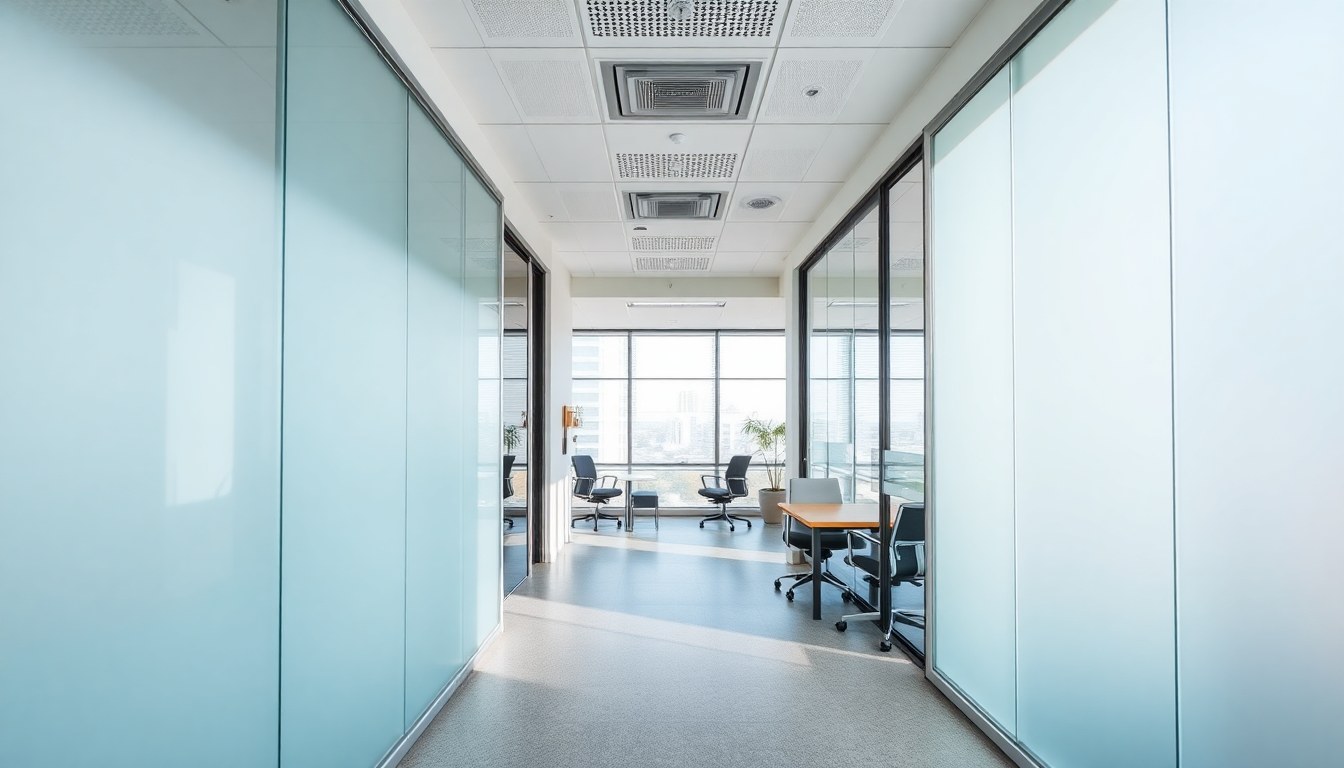
When designing modern office spaces, choosing between frosted and tinted glass partitions can make or break your workspace's functionality and aesthetic appeal. Both options offer privacy benefits, but they handle light transmission, durability, and design flexibility differently. Understanding these differences will help you select the ideal partition solution that aligns with your office environment, budget, and long-term maintenance expectations.
Understanding Light Transmission: The Core Difference
Frosted glass and tinted glass approach light control through fundamentally different mechanisms. Frosted glass achieves privacy by diffusing light across its surface, scattering photons in multiple directions through a textured or chemically treated finish. This diffusion reduces glare while allowing approximately 70–80% of ambient light to pass through, maintaining brightness in adjoining spaces. Tinted glass, conversely, absorbs light wavelengths, with darker tints blocking 50–90% of incoming light depending on the tint intensity and color chosen.
For offices requiring maximum natural light while maintaining privacy, frosted glass performs exceptionally well. It preserves the psychological benefits of daylight exposure—improved mood, productivity, and circadian rhythm regulation—while preventing people from seeing directly through the partition. Tinted glass, particularly in darker shades, creates a more dramatic visual barrier but may necessitate additional artificial lighting in adjacent spaces, potentially increasing energy costs.
Light Transmission Percentages Explained
- Clear glass: 88–92% light transmission
- Frosted glass: 70–80% light transmission
- Lightly tinted glass: 60–75% light transmission
- Medium tinted glass: 40–60% light transmission
- Dark tinted glass: 10–30% light transmission
Privacy Levels and Visual Obscuration
Privacy requirements vary across office departments. Frosted glass provides excellent visual privacy—people cannot see distinct shapes or movements through the partition—while maintaining a sense of openness and connection within the workspace. This makes frosted glass ideal for collaborative environments where you want privacy without creating a bunker-like atmosphere. The uniform texture prevents anyone from peering through, regardless of lighting conditions on either side of the partition.
Tinted glass offers layered privacy based on tint depth. Light tints provide minimal privacy and work best for aesthetic purposes or reducing glare, while medium to dark tints create substantial visual barriers comparable to frosted glass. However, tinted glass can sometimes allow silhouettes to be visible under certain lighting angles, particularly when one side is brightly lit and the other darker. If absolute privacy is non-negotiable—such as in executive offices or confidential meeting rooms—frosted glass or darker tints (above 50% opacity) are more reliable choices.
Durability, Maintenance, and Longevity
Frosted glass requires careful maintenance because the textured surface can trap dust, fingerprints, and moisture. Regular cleaning with appropriate glass cleaners and soft microfiber cloths prevents buildup and maintains clarity. Over time, frosted finishes—especially those created through acid-etching or sandblasting—can show wear if exposed to frequent contact, scratches, or harsh chemicals. High-quality frosted glass treatments can last 10–15 years or longer when properly maintained, but budget for periodic professional cleaning in heavily trafficked areas.
Tinted glass is generally more durable and easier to maintain than frosted glass. The tint is typically applied during the manufacturing process, making it integral to the glass rather than a surface treatment. This means tinted glass resists scratches, dust accumulation, and chemical degradation more effectively. Standard glass cleaning routines suffice, and the tint doesn't fade under normal UV exposure. Tinted glass can maintain its appearance for 20+ years with minimal maintenance, making it a cost-effective long-term investment for busy office environments.
Maintenance Comparison Table
- Frosted Glass: Requires frequent cleaning; prone to dust accumulation; surface treatments may degrade; professional cleaning recommended quarterly
- Tinted Glass: Easy routine cleaning; minimal dust issues; integral tint resists fading; standard glass cleaner sufficient
Cost Considerations and Budget Planning
Initial installation costs for frosted and tinted glass partitions are comparable, typically ranging from ₹800 to ₹2,500 per square foot depending on glass thickness, framing system, and customization. However, total cost of ownership extends beyond installation. Frosted glass incurs higher maintenance expenses over time due to frequent professional cleaning requirements and potential refinishing needs every 5–7 years. Tinted glass, while sometimes slightly more expensive upfront, delivers lower lifetime costs because maintenance is minimal and the finish is permanent.
For budget-conscious organizations, tinted glass offers better value despite potentially higher initial pricing. For companies prioritizing immediate cost reduction, frosted glass may seem appealing initially, but factor in maintenance budgets before deciding. Many Indian office design firms, including LINEAR ARCHITECTS and DezynTrend, recommend calculating 5- and 10-year cost projections rather than comparing only installation prices.
Design Flexibility and Aesthetic Appeal
Frosted glass offers superior design flexibility through various finishes and patterns. Manufacturers can create custom etched designs, gradients, logos, or geometric patterns on frosted surfaces, enabling personalized branding and creative office aesthetics. Frosted glass conveys sophistication and modernity while softening the industrial appearance of partitions. It works seamlessly in contemporary, minimalist, and transitional office designs. The uniform, clean appearance appeals to companies emphasizing openness and transparency in their culture.
Tinted glass provides limited customization compared to frosted options but excels in creating dramatic visual statements. Gray, bronze, and blue tints are popular in modern offices, offering a professional appearance while reducing heat gain and glare. Tinted glass works particularly well in sleek, corporate, and industrial design schemes. Some manufacturers offer dual-tint options or gradients, though these are less common and more expensive. Specialists like SABRI GLASS HOUSE can advise on color selections that complement existing office décor.
Design Considerations for Different Office Styles
- Modern/Contemporary: Frosted glass with custom patterns; light tints
- Corporate/Professional: Gray or bronze tinted glass; frosted with subtle designs
- Creative/Startup: Frosted glass with bold patterns; artistic tints
- Minimalist: Clear frosted or very light tints
- Industrial: Dark tinted or heavily frosted glass
Environmental and Health Considerations
Both frosted and tinted glass contribute positively to office sustainability when properly specified. Tinted glass reduces solar heat gain, lowering cooling costs in warm climates like India. This passive solar control can reduce HVAC energy consumption by 15–25%, translating to significant operational savings and reduced carbon footprint. Frosted glass doesn't provide thermal benefits but maintains natural daylighting, reducing reliance on artificial lighting and associated energy use.
From a health perspective, frosted glass's superior light transmission supports employee wellness by enabling natural light exposure throughout the workday. Research consistently shows natural light improves alertness, mood, and sleep quality. Tinted glass, while reducing glare and eye strain, may require supplementary artificial lighting that increases energy use and potential blue-light exposure. For organizations prioritizing employee wellbeing, frosted glass aligns better with biophilic design principles and occupant health.
Which Should You Choose for Your Office?
Select frosted glass if your priorities include maximizing natural light, creating a sense of openness, achieving design customization, or emphasizing workplace transparency and collaboration. Frosted glass suits open-plan offices, creative spaces, and organizations with strong transparency cultures. Accept higher maintenance costs as part of the investment.
Choose tinted glass if you need superior durability, minimal maintenance, thermal control, or a more dramatic visual aesthetic. Tinted glass excels in high-traffic areas, private executive spaces, and facilities where maintenance budgets are constrained. The long-term cost advantage becomes apparent within 5–7 years of operation.
Many organizations benefit from a hybrid approach: frosted glass in collaborative zones and tinted glass in private offices or conference rooms. Consult experienced glass retailers like GLASS CONSORTIUM or Adithya Glass to assess your specific space requirements and receive tailored recommendations.
Frequently Asked Questions
Does frosted glass block more light than tinted glass?
No. Frosted glass blocks approximately 20–30% of light through diffusion, while medium to dark tinted glass blocks 40–90% depending on tint intensity. Frosted glass is better if you want privacy with maximum light transmission; tinted glass is superior if you need significant light reduction.
Can frosted glass be cleaned without leaving streaks?
Yes, but it requires care. Use a microfiber cloth and quality glass cleaner, wiping in one direction. Avoid paper towels, which leave lint. For stubborn dust in the textured surface, use a soft brush or compressed air before wet cleaning. Professional cleaning every 3–6 months prevents permanent buildup.
Is tinted glass more expensive than frosted glass?
Initial costs are similar, but tinted glass offers better long-term value due to minimal maintenance. Over 10 years, tinted glass typically costs 30–40% less to maintain than frosted glass, offsetting any initial price premium.
Can you see through frosted glass at night with lights on?
Frosted glass prevents clear visibility in both directions regardless of lighting, though bright interior lights may create silhouettes. If absolute nighttime privacy is critical, combine frosted glass with blackout roller blinds or choose darker tinted glass.
Which option is better for reducing heat in Indian offices?
Tinted glass, particularly in bronze or gray, significantly reduces solar heat gain and glare—valuable in India's hot climate. Frosted glass provides minimal thermal benefit but maintains natural light, reducing artificial lighting costs. For maximum cooling efficiency, tinted glass is superior.
Transform Your Office with the Right Glass Partition Solution
Choosing between frosted and tinted glass requires balancing privacy, light transmission, durability, maintenance, and design goals. Both options deliver professional-grade solutions; the best choice depends on your specific office environment and priorities. Explore India's largest glass-business directory at glassy.in to connect with experienced glass dealers, designers, and architects who can help you select and install the perfect partition system for your workspace. Whether you prioritize natural light and customization or durability and thermal control, qualified professionals in your region are ready to deliver solutions that enhance productivity and aesthetics.