Glass Partitions
Frosted Glass for Office Cabins: Privacy, Light & Cost Trade-offs
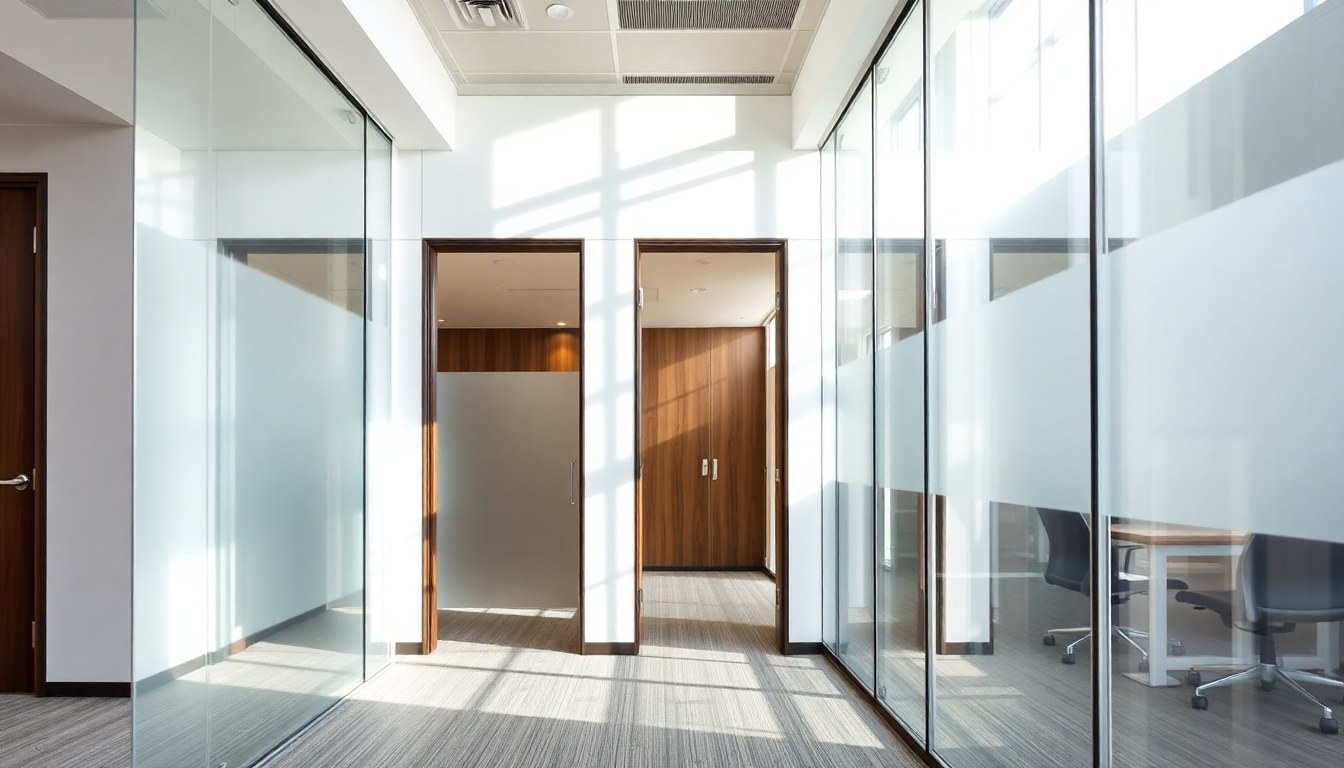
Frosted glass has become the go-to material for modern office cabins because it delivers privacy without sacrificing natural light—a balance that solid walls simply cannot match. However, not all frosted finishes perform equally. The method used to create the frosted effect (acid-etched, sandblasted, or vinyl), the degree of opacity, and long-term maintenance costs vary widely, making it essential to understand the trade-offs before investing in cabin partitions.
Why Frosted Glass Works for Office Cabins
Office cabins require a delicate mix of seclusion and openness. Employees need to concentrate without feeling isolated, while managers want visibility to maintain team connection. Frosted glass solves this problem by obscuring clear sightlines while allowing diffused light to pass through, creating a semi-private environment that feels less claustrophobic than traditional drywall or opaque partitions.
Beyond psychology, frosted glass also supports modern workplace design trends. Open-plan offices with frosted-glass-enclosed cabins maintain visual continuity across the floor while protecting confidential work and client meetings. The aesthetic appeal—clean, contemporary, and professional—makes frosted glass a popular choice for startups, corporate offices, and co-working spaces across India's major business hubs.
- Privacy: Blocks clear vision while maintaining partial transparency
- Light transmission: Typically allows 40–70% of natural light through, depending on finish type
- Aesthetics: Modern, minimalist appearance that suits contemporary office design
- Durability: Tempered glass ensures safety and longevity
- Flexibility: Can be combined with clear glass panels for hybrid designs
Frosted Glass Finishes: Methods, Opacity & Performance
Three primary methods create frosted glass for office cabins, each offering different opacity levels, durability, and price points. Understanding the differences helps you select the right finish for your specific needs and budget.
Acid-Etched Frosted Glass
Acid-etching uses hydrofluoric acid to chemically etch the glass surface, creating a uniform, permanent frosted appearance. This method produces a smooth, satin-like finish that feels refined and professional. The etching penetrates the glass surface, meaning the frosted effect does not wear away with time or cleaning.
Acid-etched glass typically offers 50–60% light transmission, providing a balanced compromise between privacy and brightness. The opacity is consistent and cannot be reversed, making it ideal for permanent cabin installations. However, the manufacturing process requires specialized equipment and skilled labor, which increases cost compared to other methods.
- Opacity: 50–60% (good privacy with moderate light)
- Durability: Permanent; does not fade or peel
- Maintenance: Easy to clean; resists fingerprints better than clear glass
- Cost: ₹400–₹700 per square foot (higher end of the market)
- Best for: Executive cabins, conference rooms, long-term installations
Sandblasted Frosted Glass
Sandblasting uses compressed air and fine sand particles to abrade the glass surface, creating a textured, matte finish. The result is more opaque than acid-etching—typically blocking 60–75% of light—while maintaining a slightly rougher, more tactile appearance. This finish is popular in contemporary office designs because it creates visual interest and feels premium.
Sandblasted glass can show dust and fingerprints more readily than acid-etched options due to its textured surface. However, it remains highly durable and does not degrade over time. The manufacturing process is faster than acid-etching, which keeps costs moderate, though still higher than vinyl alternatives.
- Opacity: 60–75% (stronger privacy, less light)
- Durability: Permanent; highly resistant to wear
- Maintenance: Requires regular dusting; fingerprints more visible
- Cost: ₹350–₹650 per square foot
- Best for: Open-plan offices, reception areas, high-traffic zones
Vinyl Frosted Film
Vinyl frosted film is an adhesive-backed material applied to clear glass, offering a cost-effective alternative to chemical or mechanical frosting. The film comes in various opacity levels and patterns, providing flexibility in design. Installation is quick, and the film can be removed or replaced without damaging the underlying glass.
Vinyl film typically offers 40–80% opacity depending on the product chosen, making it the most customizable option. Light transmission ranges from 20–60%, allowing you to select the exact level of privacy and brightness your cabin requires. The main drawback is durability—the adhesive can degrade over 5–10 years, particularly in high-moisture environments or areas exposed to direct sunlight.
- Opacity: 40–80% (highly customizable)
- Durability: 5–10 years before adhesive degrades
- Maintenance: Dust and fingerprints visible on film; requires gentle cleaning
- Cost: ₹100–₹300 per square foot (most affordable option)
- Best for: Temporary installations, rental spaces, budget-conscious projects
Light Transmission & Privacy: The Core Trade-off
The relationship between light transmission and privacy is inverse—higher light transmission means lower privacy, and vice versa. Understanding your specific needs helps determine the ideal opacity level for your office cabin.
In a typical office with standard fluorescent or LED lighting, acid-etched glass (50–60% light transmission) provides comfortable working conditions while maintaining strong privacy. Sandblasted glass (60–75% opacity) offers superior privacy but may require supplemental task lighting in cabins without direct window access. Vinyl film allows you to dial in the exact balance, making it ideal for cabins with variable lighting conditions or changing privacy needs.
Consider the cabin's orientation and access to natural light. A south-facing cabin with abundant daylight can support higher opacity finishes without feeling dim. A cabin on an interior floor or facing north may require lighter finishes to avoid a cave-like atmosphere. Many design professionals recommend combining frosted glass with strategic lighting design—under-cabinet lights, pendant fixtures, or indirect LED strips—to maintain productivity regardless of finish choice.
Cost Comparison Across Cabin Sizes
Frosted glass pricing varies by finish method, glass thickness, and cabin dimensions. Here's a realistic breakdown for typical office cabin sizes in India:
Small Cabin (8×10 feet, ~80 sq. ft.)
- Acid-etched: ₹32,000–₹56,000 (material only)
- Sandblasted: ₹28,000–₹52,000
- Vinyl film: ₹8,000–₹24,000
Medium Cabin (10×12 feet, ~120 sq. ft.)
- Acid-etched: ₹48,000–₹84,000
- Sandblasted: ₹42,000–₹78,000
- Vinyl film: ₹12,000–₹36,000
Large Cabin (12×15 feet, ~180 sq. ft.)
- Acid-etched: ₹72,000–₹126,000
- Sandblasted: ₹63,000–₹117,000
- Vinyl film: ₹18,000–₹54,000
These estimates include material costs but exclude installation labor, framing, and hardware. Installation typically adds 20–40% to material costs depending on structural complexity. For precise quotes tailored to your office layout, consult specialized glass dealers like SABRI GLASS HOUSE or ARMAN GLASS EMPORIUM, who can assess your specific requirements and provide competitive pricing.
Maintenance, Durability & Long-term Value
While initial cost matters, the total cost of ownership includes maintenance and replacement over time. Acid-etched and sandblasted glass are permanent solutions requiring minimal maintenance beyond regular cleaning with standard glass cleaner and a microfiber cloth. Neither finish degrades, fades, or requires reapplication.
Vinyl film, despite its lower upfront cost, typically needs replacement every 5–10 years. In high-traffic offices or cabins exposed to sunlight, adhesive degradation accelerates, causing edges to lift and bubbles to form. Over a 20-year period, vinyl film may cost more in replacement labor and materials than a permanent frosted finish.
Sandblasted glass requires more frequent dusting due to its textured surface collecting dust particles, but this is a minor inconvenience. Acid-etched glass is the easiest to maintain, with a smooth surface that resists dust and fingerprints. For offices prioritizing low maintenance, acid-etching offers the best long-term value despite higher initial investment.
Design Flexibility & Hybrid Approaches
Modern office design often combines frosted glass with clear glass panels to balance privacy and visual connection. A common approach is frosting the lower 60% of a cabin partition while keeping the upper 40% clear, allowing natural light and overhead visibility while obscuring seated work. This hybrid design works with all three frosting methods and is particularly effective in open-plan layouts where team visibility matters.
Interior designers and architects, such as those at Void + Edifice Architectural Design Studio, often recommend combining frosted glass with metal frames, wooden accents, or colored tints to enhance aesthetic appeal and brand identity. Frosted glass also pairs well with sliding doors, allowing cabins to open fully when needed or remain closed for confidential meetings.
Pattern-based vinyl films offer additional design flexibility, allowing company logos, geometric designs, or subtle textures to be incorporated into the frosting itself. This option is particularly popular with startups and creative agencies seeking distinctive office aesthetics.
Frequently Asked Questions
What is the best frosted glass finish for maximum privacy?
Sandblasted glass offers the highest opacity (60–75%), providing superior privacy compared to acid-etched finishes. If privacy is your primary concern and light transmission is secondary, sandblasted glass is the recommended choice. However, if you need both strong privacy and good light transmission, a hybrid design combining sandblasted lower panels with clear upper panels is ideal.
How long does frosted glass last, and does it need replacement?
Acid-etched and sandblasted glass are permanent finishes that do not degrade and do not require replacement. Vinyl film, however, typically lasts 5–10 years before adhesive degradation causes visible wear. In humid environments or areas with direct sunlight, vinyl film may need replacement sooner. Permanent frosted finishes offer significantly better long-term value.
Can frosted glass be cleaned easily, and are there special cleaning products required?
All three frosted finishes can be cleaned with standard glass cleaner and a soft cloth or microfiber towel. Avoid abrasive scrubbers that may damage vinyl film. Acid-etched glass is the easiest to maintain due to its smooth surface resisting dust. Sandblasted glass requires more frequent dusting due to its textured surface. No special products are necessary for any finish type.
Is frosted glass suitable for cabins without direct window access?
Yes, but you must supplement with artificial lighting. Frosted glass reduces light transmission by 40–75% depending on the finish. Cabins without natural light sources should use lighter frosted finishes (acid-etched or vinyl with lower opacity) and incorporate task lighting, LED strips, or pendant fixtures to maintain comfortable working conditions and avoid a dim, enclosed feel.
What is the cost difference between frosted finishes over a 20-year period?
Acid-etched glass costs ₹400–₹700 per square foot with no replacement needed. Sandblasted glass costs ₹350–₹650 per square foot with no replacement. Vinyl film costs ₹100–₹300 per square foot initially but requires replacement every 5–10 years, adding ₹50,000–₹100,000+ in labor and materials over 20 years for a medium-sized cabin. Permanent frosted finishes offer better long-term value despite higher upfront costs.
Conclusion: Choosing the Right Frosted Glass for Your Office
Frosted glass for office cabins is a smart investment that enhances privacy, maintains natural light, and supports contemporary workplace design. Your choice between acid-etched, sandblasted, and vinyl finishes depends on your budget, maintenance preferences, and long-term occupancy plans. For permanent installations in corporate offices, acid-etched or sandblasted glass offers superior durability and value. For temporary spaces or budget-conscious projects, vinyl film provides flexibility and affordability.
To find qualified glass suppliers and designers who can assess your specific cabin layout and recommend the best frosted finish for your needs, explore India's leading glass business directory. Browse Yash Home Decor or cube interiors for comprehensive design and installation services. Visit glassy.in today to connect with trusted glass professionals in your region and get detailed quotes for your office cabin project.