
Glass Guides
Frosted Glass vs Tinted Glass: Which Blocks Heat Better?
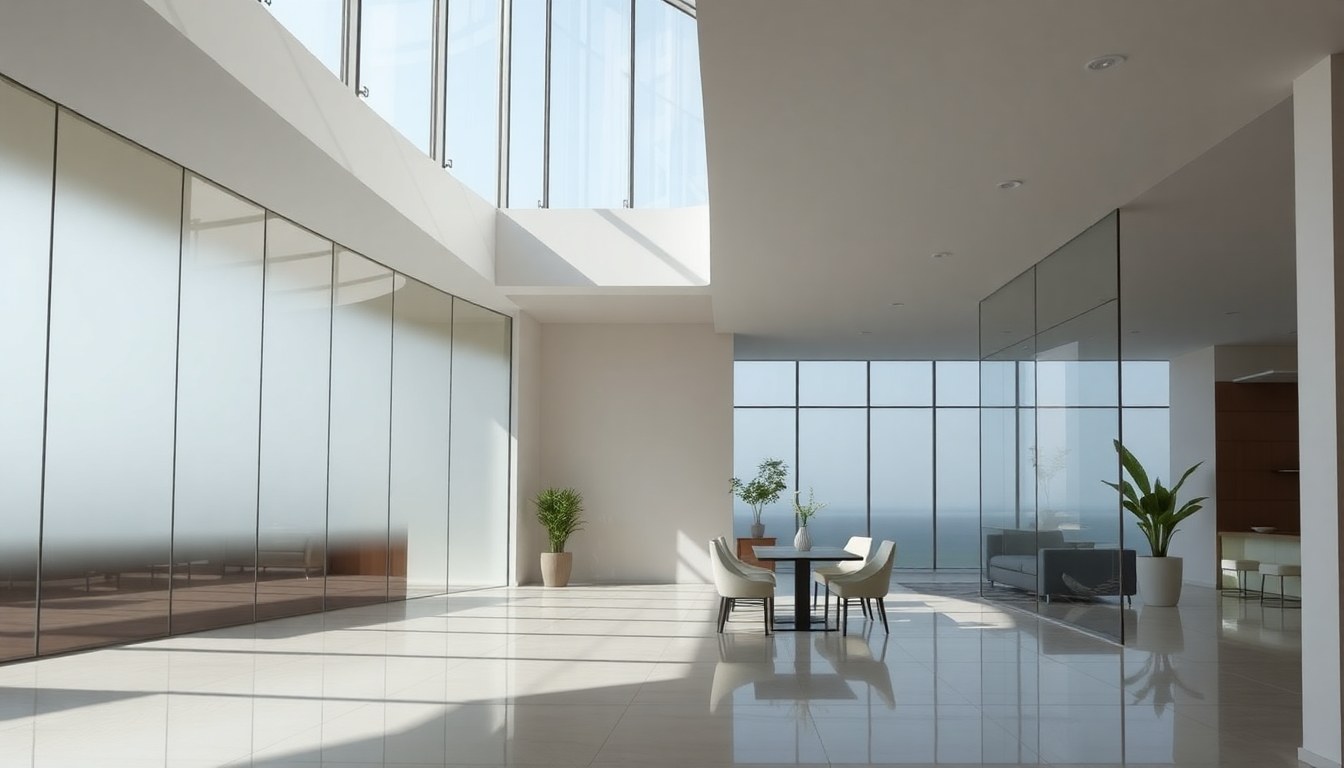
India's intense summer heat makes choosing the right window glass a critical decision for comfort and energy savings. Both frosted and tinted glass reduce solar heat gain, but they achieve this through different mechanisms and come with distinct trade-offs in privacy, aesthetics, and cost. Understanding how each performs in India's diverse climates will help you make an informed choice for your home or commercial space.
Understanding Frosted Glass and How It Works
Frosted glass is created by sandblasting or acid-etching clear glass to create a diffused, translucent surface. This process scatters light rather than blocking it entirely, which means frosted glass still allows natural light into your space while obscuring the view from outside. The frosted finish acts as a diffuser, spreading incoming solar radiation more evenly across the room instead of allowing direct heat penetration.
In Indian homes, frosted glass is commonly used for bathroom windows, office partitions, and decorative panels. The primary benefit is enhanced privacy without completely darkening your space. However, frosted glass does not significantly reduce the total amount of heat entering your home—it primarily diffuses it. On hot summer days in cities like Delhi or Mumbai, frosted glass alone will not provide substantial cooling relief.
Understanding Tinted Glass and Its Heat-Blocking Properties
Tinted glass is manufactured by adding metallic oxides or organic compounds to the glass during production, giving it a colored appearance (typically bronze, gray, or green). These tints absorb and reflect a portion of the sun's infrared radiation before it enters your space. Depending on the tint density, tinted glass can reject 40–70% of solar heat, making it significantly more effective at temperature control than frosted glass.
Tinted glass is widely used in commercial buildings, vehicles, and modern residential projects across India. The darker appearance reduces glare and creates a cooler indoor environment. However, tinted glass also reduces the amount of natural light entering your space, which some people find undesirable. In northern Indian cities with shorter winters, this trade-off is often acceptable; in southern regions with year-round heat, tinted glass becomes particularly valuable.
Types of Tinted Glass Available in India
- Absorbing Tint: Absorbs solar radiation and releases it as heat (less efficient for cooling)
- Reflective Tint: Reflects a portion of solar rays back outward (more effective for heat rejection)
- Low-E Coated Glass: Advanced tint with a metallic coating that reflects infrared while allowing visible light through
Heat Blocking Comparison: Frosted vs Tinted Glass
When it comes to blocking heat, tinted glass is the clear winner. Frosted glass reduces heat primarily through diffusion and slight absorption, typically blocking 10–20% of solar heat. Tinted glass, by contrast, actively reflects and absorbs 40–70% of solar radiation depending on the tint type and thickness. In India's hot climate, this difference translates directly to lower air conditioning costs and improved indoor comfort.
The performance difference becomes especially noticeable during peak summer months. A south-facing window with frosted glass will still allow significant heat into your home, whereas the same window with quality tinted glass will remain noticeably cooler to the touch. For commercial buildings or homes in high-heat zones (Rajasthan, Gujarat, parts of Madhya Pradesh), tinted glass delivers measurable energy savings.
Practical Heat-Blocking Performance
- Frosted Glass: 10–20% solar heat rejection, primarily through diffusion
- Standard Tinted Glass: 40–60% solar heat rejection
- Premium Reflective/Low-E Tinted Glass: 60–70% solar heat rejection
Privacy, Aesthetics, and Light Transmission
Frosted glass excels in privacy while maintaining light transmission. You can see silhouettes and general movement through frosted glass, but fine details remain hidden. This makes it ideal for bathrooms, bedrooms, and office spaces where privacy is essential but natural light is desired. The aesthetic appeal of frosted glass is also higher for many homeowners—it looks modern and elegant without the harsh darkness of heavy tinting.
Tinted glass offers less privacy but provides a sleek, contemporary appearance. Dark tinted windows give buildings a professional, upscale look commonly seen in commercial districts across Bangalore, Hyderabad, and Delhi. However, tinted glass reduces natural light significantly, which can increase dependence on artificial lighting during the day. This is a critical consideration for homes in regions with limited daylight hours during winter.
For interior design projects, professional consultants like JPK Interio often recommend combining frosted glass for privacy areas with tinted glass for high-heat zones to balance aesthetics and functionality.
Cost Analysis and Long-Term Savings
Frosted glass is generally cheaper upfront, typically costing ₹150–400 per square foot depending on thickness and quality. Tinted glass ranges from ₹200–600 per square foot for standard tints, and premium reflective or Low-E options can exceed ₹800 per square foot. The initial cost difference is significant, especially for large projects.
However, long-term savings favor tinted glass in hot Indian climates. A home with tinted windows can reduce air conditioning usage by 15–30%, translating to ₹3,000–8,000 in monthly electricity savings during peak summer months. Over 10 years, these savings easily offset the higher initial investment in quality tinted glass. Frosted glass provides minimal energy savings, so it should be selected primarily for privacy needs rather than heat control.
When planning a renovation or new construction, consulting with experienced architects like BIM Modeller Consulting Services can help you optimize glass selection based on your building's orientation, local climate, and budget constraints.
Which Glass Should You Choose for Indian Climates?
Choose Frosted Glass if: Privacy is your primary concern, you want to maintain maximum natural light, you're working within a tight budget, and you're installing windows in bathrooms, bedrooms, or interior partitions where heat control is secondary.
Choose Tinted Glass if: You need effective heat reduction, your windows face south or west (high sun exposure), you're in a hot region like Rajasthan, Gujarat, or coastal Tamil Nadu, and you're willing to invest in long-term energy savings. Tinted glass is also ideal for commercial buildings, offices, and modern residential projects.
Hybrid Approach: Many homes combine both. Use frosted glass for bathrooms and bedrooms (privacy), and tinted glass for living areas, kitchens, and south-facing windows (heat control). This balanced strategy maximizes both comfort and privacy while managing costs effectively.
Reputable glass dealers like City Glass Palace and Aluminium Fabrication can help you source the right combination of frosted and tinted glass for your specific needs.
Installation and Maintenance Considerations
Both frosted and tinted glass are equally durable and require similar maintenance. Frosted glass can be cleaned with standard glass cleaners, though harsh abrasives may damage the frosted finish over time. Tinted glass is more forgiving and can withstand aggressive cleaning without degradation. Both types should be installed by professionals to ensure proper sealing and alignment, which is crucial for maximizing their heat-blocking effectiveness.
In India's dusty environment, regular cleaning (weekly or bi-weekly) is recommended to maintain the heat-blocking performance of both glass types. Dust accumulation reduces light transmission and can slightly reduce the reflective properties of tinted glass. Professional installation also ensures that the glass is properly sealed to prevent heat leakage around the edges.
Frequently Asked Questions
Does frosted glass block heat as effectively as tinted glass?
No. Frosted glass blocks only 10–20% of solar heat through diffusion, while tinted glass blocks 40–70% through active reflection and absorption. For effective heat control in Indian climates, tinted glass is significantly more efficient.
Can I use frosted glass for south-facing windows in India?
Frosted glass is not recommended as the sole solution for south-facing windows in hot Indian regions. While it provides privacy and light diffusion, it will not adequately reduce heat gain. Tinted glass or reflective coatings are better choices for high-exposure windows.
Is tinted glass darker and does it reduce natural light too much?
Standard tinted glass reduces light transmission by 40–50%, which some find acceptable. However, premium Low-E tinted glass is available that reduces heat while maintaining better light transmission. The darkness level depends on the tint density you choose.
Which is more affordable: frosted or tinted glass?
Frosted glass is cheaper upfront (₹150–400/sq ft), but tinted glass offers superior long-term savings through reduced air conditioning costs (₹3,000–8,000/month in summer). Over 10 years, tinted glass typically becomes the more economical choice in hot climates.
Can I apply frosted or tinted coating to existing windows?
Yes. Frosted films and tinted films can be applied to existing glass, though professional installation is recommended for best results. Films are less durable than integral glass tinting but offer a more affordable temporary solution.
Make Your Choice Today
Frosted and tinted glass serve different purposes in Indian homes. For heat blocking in hot climates, tinted glass is the superior choice. For privacy without sacrificing natural light, frosted glass wins. The ideal solution often combines both—frosted glass for private areas and tinted glass for high-heat zones. Explore your options by connecting with trusted glass dealers and interior designers on glassy.in, India's largest glass-business directory, to find the perfect solution for your home or commercial project.