
Glass Partitions
Frosted Glass Office Cabin Partitions: Privacy Without Blocking Light
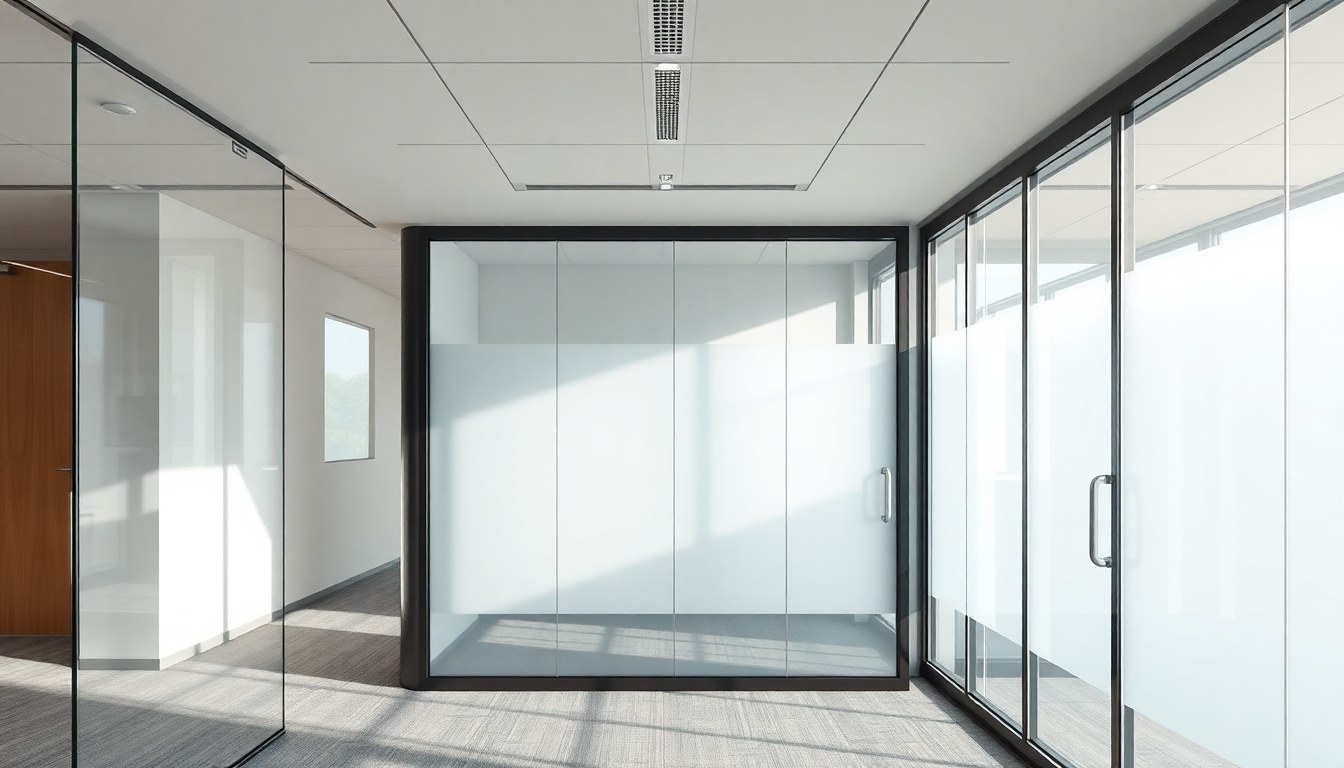
Modern offices face a persistent challenge: employees need privacy for focused work and confidential conversations, yet natural light boosts productivity and well-being. Frosted glass office cabin partitions solve this dilemma elegantly, offering visual privacy while allowing daylight to flow freely through your workspace. Whether you're renovating an existing office or designing a new one, frosted glass partitions provide a professional, contemporary solution that balances aesthetics with functionality.
Why Frosted Glass Partitions Are Ideal for Office Cabins
Frosted glass has become the go-to material for modern office design because it addresses multiple workplace needs simultaneously. Unlike solid walls that block light and create a closed, claustrophobic feel, frosted glass maintains visual separation while preserving the open, airy atmosphere that contemporary offices demand. This material works particularly well in cabin designs where employees need dedicated workspace without sacrificing the collaborative energy of an open floor plan.
The psychological benefits are equally important. Studies in workplace design show that access to natural light reduces eye strain, regulates circadian rhythms, and improves mood—all factors that directly impact productivity. Frosted glass partitions ensure that employees working in private cabins don't feel isolated from the broader office environment, reducing the sense of confinement that solid partitions create.
- Maintains natural light transmission while ensuring visual privacy
- Creates a modern, professional aesthetic that impresses clients and visitors
- Reduces noise transmission when paired with acoustic glazing options
- Easier to clean and maintain than fabric-based privacy solutions
- Allows flexible reconfiguration as office layouts evolve
Types of Frosting Finishes and Their Applications
Not all frosted glass finishes are created equal. The method used to create the frosting affects light transmission, privacy levels, and visual aesthetics. Understanding these options helps you choose the right solution for your specific office needs.
Acid-Etched Frosting
Acid-etched glass is created by treating the glass surface with hydrofluoric acid, which creates a permanent, uniform frosted appearance. This method produces excellent light diffusion and provides consistent privacy from both sides. The finish is durable and won't wear away over time, making it ideal for high-traffic office environments. The aesthetic is clean and professional, with a soft, milky appearance that photographs well in office design portfolios.
Sandblasted Frosting
Sandblasting uses fine sand particles at high pressure to create a textured frosted surface. This method offers slightly more texture than acid-etching and can create custom patterns or logos if desired. Sandblasted finishes are equally durable and provide excellent privacy. Many offices choose this option when they want a more distinctive, textured appearance that adds visual interest to the partition.
Frosted Films and Laminates
For budget-conscious projects or temporary installations, frosted films offer a cost-effective alternative. These adhesive-backed films are applied to clear glass and provide immediate privacy without replacing the glass itself. While less permanent than etched or sandblasted options, quality frosted films are durable and can last 5-10 years with proper maintenance. They're particularly useful when retrofitting existing glass partitions.
Acoustic Performance and Sound Privacy
Visual privacy means little if conversations remain audible through the partition. Frosted glass alone provides minimal acoustic insulation—approximately 30-35 decibels of sound reduction, which is adequate for general office noise but insufficient for confidential meetings or sensitive discussions.
To achieve meaningful acoustic privacy, specify laminated or double-glazed frosted glass systems. Laminated frosted glass, where two glass panes are bonded with a sound-dampening interlayer, reduces noise transmission by 40-50 decibels. Double-glazed frosted partitions with an air gap between panes achieve even better results, though they require more structural support and increase installation complexity.
- Single frosted glass: 30-35 dB reduction (general office use)
- Laminated frosted glass: 40-50 dB reduction (confidential conversations)
- Double-glazed frosted system: 50-60 dB reduction (maximum privacy)
When specifying acoustic performance, work with your glass supplier to test actual sound levels in your office environment. Background HVAC noise, adjacent machinery, and office equipment all affect the perceived privacy of a partition system.
Switchable Frosting Technology: The Future of Dynamic Privacy
Switchable frosting represents the cutting edge of office partition technology. Also called smart glass or electrochromic glass, this technology allows partitions to transition from clear to frosted with the flip of a switch or activation of a mobile app. This innovation is transforming how offices manage privacy, offering unprecedented flexibility for spaces that serve multiple purposes throughout the day.
How Switchable Glass Works
Switchable frosted glass contains a liquid crystal layer sandwiched between glass panes. When electrical current is applied, the liquid crystals align and the glass becomes transparent. When the current is removed, the crystals scatter randomly, creating an opaque frosted appearance. The transition happens in milliseconds, and the system can be controlled manually or integrated with building automation systems.
Benefits for Modern Offices
Switchable glass offers distinct advantages for dynamic workspace management. Conference rooms can maintain transparency during the day for visual connectivity, then switch to frosted mode during confidential meetings. Cabin partitions can provide transparency for collaborative sessions and frosted privacy for focused work. This flexibility allows offices to maximize space utilization without installing multiple partition systems.
The energy efficiency of switchable glass deserves mention as well. By controlling light transmission, these systems reduce cooling loads during hot months and can contribute to LEED certification in green building projects. However, switchable glass represents a significant investment—typically ₹8,000 to ₹15,000 per square meter installed, compared to ₹2,000 to ₹5,000 for traditional frosted glass.
Design and Installation Best Practices
Successful frosted glass cabin installations require careful planning and attention to detail. Whether working with interior designers like DezynTrend or cube interiors, these considerations ensure optimal results.
Structural Considerations
Frosted glass partitions must be properly framed and anchored to support their weight and withstand daily use. Standard aluminum framing systems work well for most applications, with frame thickness and spacing determined by glass dimensions and acoustic requirements. For cabins exceeding 2.5 meters in height or 2 meters in width, specify reinforced framing to prevent deflection and vibration.
Installation and Sealing
Proper sealing is critical for both acoustic performance and longevity. All joints between glass and frame should be sealed with high-quality silicone sealant to prevent air infiltration and sound leakage. The sealant should be compatible with both glass and aluminum, and installed in a continuous bead without gaps. Allow sealant to cure fully (typically 24-48 hours) before subjecting the partition to stress.
Coordination with Office Systems
Plan partition installation carefully to avoid conflicts with HVAC ducts, electrical conduits, and plumbing. Coordinate with your mechanical and electrical contractors before finalizing partition layouts. For switchable glass installations, ensure adequate electrical supply and consider whether you'll integrate the system with building automation or use manual controls.
When working with experienced glass suppliers like Real Glass work or ARMAN GLASS EMPORIUM, they'll coordinate these technical details and ensure compliance with local building codes.
Maintenance and Long-Term Care
Frosted glass partitions require minimal maintenance compared to other privacy solutions. Regular cleaning with standard glass cleaner and a soft cloth keeps the frosted surface looking professional. Avoid abrasive scrubbers or harsh chemicals that might damage the frosted finish or any protective coatings.
For laminated or double-glazed systems, inspect seals annually to ensure they remain intact. Small gaps or deteriorating sealant should be addressed promptly to prevent moisture infiltration and acoustic performance degradation. If you've installed switchable glass, verify that electrical connections remain secure and test the switching mechanism periodically.
Frosted glass partitions typically last 15-20 years or longer with proper care. Unlike fabric partitions that accumulate dust and require frequent replacement, or solid walls that limit future flexibility, frosted glass represents a long-term investment in your office infrastructure.
Cost Considerations and Budget Planning
Frosted glass cabin partitions represent a mid-range investment in office infrastructure. Typical costs in India range from ₹2,000 to ₹5,000 per square meter for standard frosted glass with aluminum framing, installed. This includes materials, fabrication, and installation labor. Acoustic laminated glass systems typically cost 30-50% more, while switchable glass premium options can reach ₹15,000 per square meter.
When budgeting, factor in site preparation, structural modifications if necessary, and coordination with other trades. Obtain detailed quotes from multiple suppliers and verify that quotes include sealing, hardware, and finishing details. The lowest price isn't always the best value—prioritize suppliers with strong references and warranty support.
Frequently Asked Questions
How much light does frosted glass actually transmit?
Quality frosted glass typically transmits 70-85% of available light, depending on the frosting method and glass thickness. This is substantially more than fabric partitions (which block 40-60% of light) while providing excellent visual privacy. The diffused light that passes through frosted glass is actually beneficial for reducing glare and eye strain compared to clear glass.
Can frosted glass partitions be customized with logos or designs?
Yes, both sandblasted and etched frosting can incorporate custom designs, company logos, or wayfinding graphics. Sandblasting offers more flexibility for intricate patterns, while etching provides a cleaner appearance for simple designs. These customizations add approximately ₹500-₹2,000 per partition depending on complexity. Frosted films also support custom printing, making them ideal for temporary branding applications.
Is switchable glass worth the investment for a small office?
Switchable glass makes financial sense when you need significant flexibility in space utilization or when you're building a premium office that attracts high-value clients. For small offices with fixed cabin layouts and limited conference room needs, traditional frosted glass typically offers better value. However, if your office serves multiple functions throughout the day, switchable glass's flexibility may justify the higher cost.
How do frosted glass partitions compare to frameless glass for privacy?
Frameless glass partitions provide excellent transparency and a premium aesthetic, but offer no privacy without additional treatments. Frosted glass partitions inherently provide privacy while maintaining light transmission. Frameless systems are also more challenging to seal for acoustic performance. For privacy-critical applications, frosted glass is superior; for visual openness with privacy only when needed, switchable glass bridges the gap.
What's the typical installation timeline for frosted glass cabins?
Standard frosted glass partitions typically take 2-4 weeks from order to installation, depending on design complexity and site preparation requirements. Switchable glass systems may require 6-8 weeks due to manufacturing and electrical integration complexity. Always confirm timelines with your supplier and allow for potential delays in site preparation or coordination with other trades.
Transform Your Office with Frosted Glass Solutions
Frosted glass office cabin partitions deliver the perfect balance of privacy and light, creating workspaces where employees can focus without feeling isolated. Whether you choose traditional frosted finishes or invest in cutting-edge switchable technology, these partitions enhance office aesthetics while supporting productivity and well-being. Ready to upgrade your office design? Browse verified glass suppliers and interior designers on glassy.in to find professionals in your area who specialize in frosted glass partition systems and can guide you through the entire process from concept to installation.