
Shower Enclosures
Frosted Glass Bathroom Partition Maintenance: Cleaning & Stain Removal
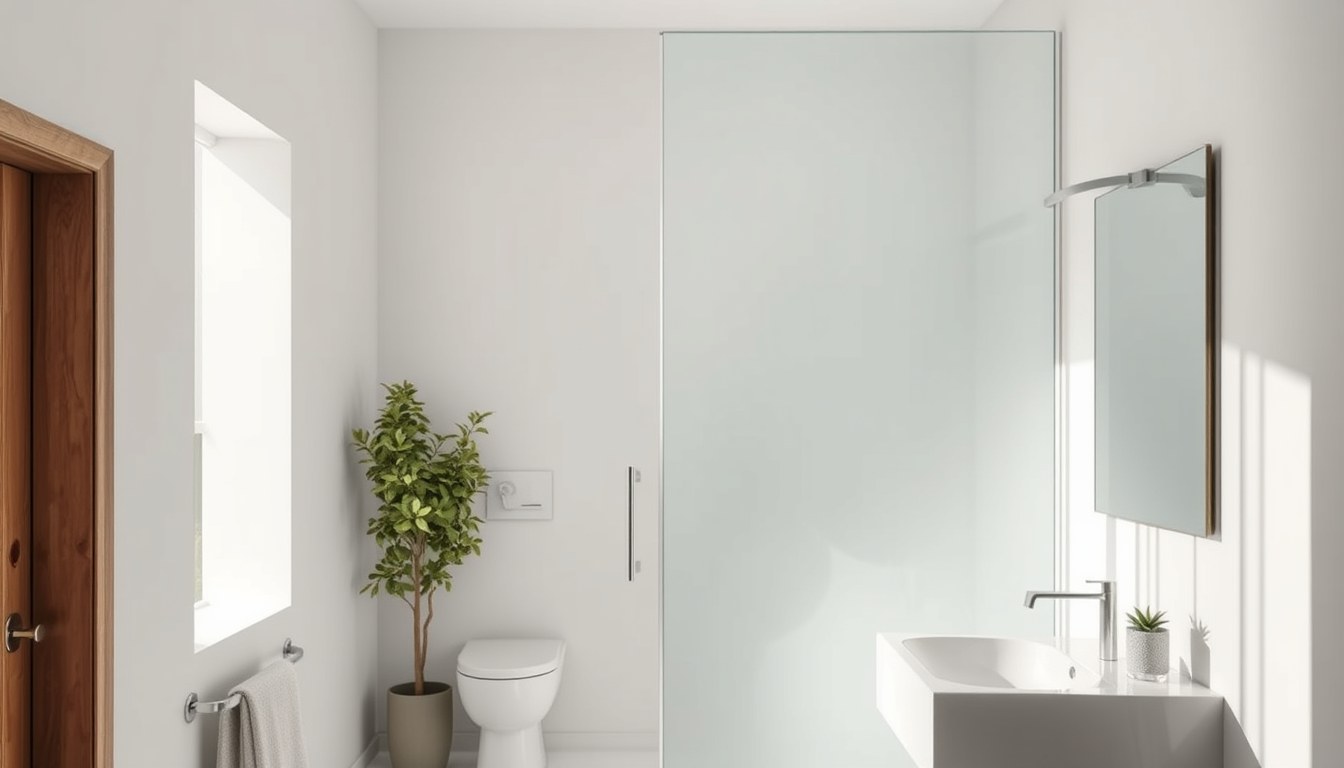
Frosted glass bathroom partitions are a stylish choice for modern bathrooms, offering privacy while maintaining an open, airy feel. However, the textured surface of frosted glass is prone to water spots, soap residue, and mineral deposits that can dull its appearance over time. Learning the right cleaning and maintenance techniques will help you preserve the beauty and clarity of your frosted glass partitions for years to come.
Understanding Frosted Glass Surfaces
Frosted glass, also called sandblasted glass, is created by treating clear glass with an abrasive process that creates a uniform, textured surface. This texture is what gives frosted glass its distinctive matte appearance and privacy benefits, but it also means the surface has microscopic pits and valleys that trap water droplets, dust, and mineral deposits more easily than smooth glass.
The porous nature of frosted glass makes it more challenging to clean than regular tempered glass. Standard glass cleaners may leave streaks or residue in the texture, and aggressive scrubbing can sometimes damage the frosted finish. Understanding your partition's material composition—whether it's acid-etched, sandblasted, or film-applied frosting—will help you choose the most appropriate cleaning methods and products.
Daily Cleaning Routine for Frosted Glass Partitions
Establishing a simple daily cleaning habit is the most effective way to prevent buildup and keep your frosted glass partition looking fresh. After each shower, use a squeegee or soft cloth to wipe down the partition and remove excess water. This single step eliminates most water droplets before they can dry and leave mineral deposits.
For quick daily maintenance, follow these steps:
- Use a squeegee immediately after showering to remove standing water
- Wipe the partition with a microfiber cloth to dry any remaining moisture
- Ensure your bathroom has adequate ventilation to reduce humidity and prevent mold growth
- Keep the partition's base and drainage areas clear of soap residue and debris
Investing in a good-quality squeegee and microfiber cloth is worthwhile. These tools are inexpensive—typically ₹200–₹500 for a decent squeegee and ₹100–₹300 for microfiber cloths—and they significantly reduce the effort needed for deeper cleaning later.
Removing Hard Water Stains and Mineral Deposits
Hard water is a common issue in many Indian cities, including Delhi, Mumbai, and Bangalore. The minerals in hard water—primarily calcium and magnesium—leave white or cloudy deposits on frosted glass that can be stubborn to remove. These mineral stains not only affect appearance but can also gradually etch the glass surface if left untreated.
Vinegar Solution Method
White vinegar is one of the most effective and budget-friendly solutions for removing mineral deposits from frosted glass. The acetic acid in vinegar dissolves calcium and magnesium buildup without damaging the frosted finish.
To use vinegar for stain removal:
- Mix equal parts white vinegar and water in a spray bottle
- Spray the solution generously on the stained areas
- Let it sit for 15–20 minutes to allow the acid to break down the deposits
- Use a soft-bristled brush or non-abrasive sponge to gently scrub the surface
- Rinse thoroughly with clean water and dry with a microfiber cloth
For stubborn stains, you can increase the vinegar concentration to 50% vinegar and 50% water, or let the solution sit longer. Avoid using undiluted vinegar, as the strong acidity may damage the frosted coating over extended contact.
Commercial Glass Cleaners and Specialized Products
Several commercial products are specifically formulated for frosted and textured glass surfaces. Look for cleaners labeled as safe for frosted glass or acid-etched finishes. Popular options in India include brands like Godrej Aer Glass Cleaner and Reckitt Dettol Glass Cleaner, which typically cost ₹150–₹400 per bottle.
When using commercial cleaners, always follow the manufacturer's instructions. Spray the product on the partition, allow it to sit as directed, and wipe with a soft cloth. Test any new cleaner on a small, inconspicuous area first to ensure it won't damage or discolor your frosted finish.
Baking Soda Paste for Tough Stains
For extremely stubborn mineral deposits, a paste made from baking soda and water can work wonders. Mix baking soda with just enough water to create a thick paste, apply it to the stained areas, and let it sit for 30 minutes. Gently scrub with a soft brush, then rinse thoroughly. This method is gentle enough for frosted glass and won't scratch the surface.
Soap Scum and Mold Prevention
Beyond mineral deposits, soap scum and mold are common problems in bathroom partitions. These issues are exacerbated by the porous texture of frosted glass, where soap residue and moisture can accumulate in the microscopic pits.
To prevent soap scum buildup:
- Use a squeegee after each shower to remove soapy water
- Ensure proper bathroom ventilation by running exhaust fans during and for 20–30 minutes after showers
- Clean the partition weekly with a mild soap and water solution
- Avoid using heavy, oil-based soaps that leave thick residue
If mold or mildew appears, spray the affected area with a solution of one part bleach to ten parts water. Allow it to sit for 10 minutes, then scrub gently and rinse thoroughly. Never mix bleach with vinegar or ammonia-based cleaners, as this creates toxic fumes. Always wear gloves and ensure good ventilation when using bleach.
Protective Coatings and Long-Term Care
One of the most effective ways to reduce ongoing maintenance is to apply a protective coating to your frosted glass partition. These coatings create a barrier that repels water, soap, and mineral deposits, making the glass easier to clean and keeping it looking newer longer.
Hydrophobic and Oleophobic Coatings
Hydrophobic coatings repel water and are ideal for bathroom partitions. These treatments cause water to bead up and roll off the glass rather than spreading and leaving spots. Oleophobic coatings additionally repel oils and soap residue. Professional application of these coatings typically costs ₹2,000–₹8,000 depending on the partition size and the specific product used.
Many of these coatings are self-applied products available in hardware stores across India. Budget options range from ₹500–₹1,500 and can be applied at home following the manufacturer's instructions. Popular brands include Aqua Seal and various nano-coating products available on platforms like Amazon India.
Reapplication and Maintenance of Coatings
Protective coatings are not permanent. Most hydrophobic treatments last 6–12 months before needing reapplication. To maximize the lifespan of your coating, continue your regular cleaning routine and avoid abrasive scrubbing. When the coating begins to wear—you'll notice water no longer beads up as effectively—reapply according to the product instructions.
Keep records of when you applied the coating so you can plan reapplication ahead of time. Setting a calendar reminder for every six months is a practical approach.
What to Avoid When Cleaning Frosted Glass
Certain cleaning methods and products can damage frosted glass partitions or reduce the effectiveness of protective coatings. Understanding what not to do is as important as knowing the right techniques.
- Avoid abrasive scrubbers: Steel wool, scouring pads, and harsh brushes can scratch or damage the frosted finish
- Skip acidic cleaners on certain coatings: Some protective coatings can be damaged by strong acids; always check compatibility
- Don't use high-pressure washers: The force can damage the partition frame and potentially crack the glass
- Avoid mixing cleaning products: Combining bleach with ammonia or vinegar creates toxic fumes and can damage the glass
- Don't let water sit: Stagnant water accelerates mineral deposit formation and mold growth
- Skip wax-based polishes: These leave buildup on frosted glass and make it appear dull
Seasonal Maintenance Tips
Different seasons bring different challenges for bathroom partitions. During monsoon season in India, increased humidity accelerates mold and mildew growth. Ensure your bathroom exhaust fan is working properly and consider running it more frequently during this period. In dry seasons, mineral deposits from hard water become more visible; increase your cleaning frequency accordingly.
Perform a deep clean of your frosted glass partition at least once a month. This involves cleaning the partition frame, the base where water collects, and checking for any signs of damage or deterioration. Address any issues promptly to prevent them from worsening.
Frequently Asked Questions
Can I use regular window cleaner on frosted glass bathroom partitions?
Most regular window cleaners are safe for frosted glass, but they may leave streaks or residue in the textured surface. Test any new cleaner on a small area first. For best results, use cleaners specifically formulated for frosted or textured glass, or stick with the vinegar and water solution, which works well and is inexpensive.
How often should I clean my frosted glass partition?
Daily maintenance with a squeegee after each shower prevents buildup and reduces the need for intensive cleaning. Perform a weekly or bi-weekly deep clean depending on your water hardness and usage. If you have hard water or live in an area with mineral-rich water, you may need to clean more frequently.
Will protective coatings affect the frosted appearance of my glass?
Quality hydrophobic coatings designed for frosted glass do not alter the appearance or texture of the glass. They remain transparent and maintain the matte finish of the frosted surface while providing water and stain resistance. Always choose coatings specifically labeled as suitable for frosted glass.
What should I do if my frosted glass partition gets scratched or damaged?
Minor scratches are often unavoidable with regular use. For small scratches, apply a clear glass repair resin available at hardware stores. For significant damage, cracks, or deep scratches, contact a professional glass specialist. Attempting to repair major damage yourself can worsen the problem and compromise safety.
Is it normal for frosted glass to become cloudy over time?
Yes, frosted glass can appear cloudier as mineral deposits accumulate. This is normal and reversible with proper cleaning. If cloudiness persists after thorough cleaning, it may indicate etching from hard water or aggressive chemicals. In such cases, applying a protective coating can help restore clarity and prevent further deterioration.
Maintaining your frosted glass bathroom partition doesn't require expensive products or complicated procedures—just consistency and the right techniques. By following these guidelines and establishing a regular cleaning routine, you'll keep your partition looking beautiful and clear for years. For professional glass products and expert suppliers in your area, explore the comprehensive directory at glassy.in, where you can connect with certified glass professionals and manufacturers across India.