
Shower Enclosures
Frameless Glass Shower Enclosure Waterproofing: Sealants, Drains, and Maintenance
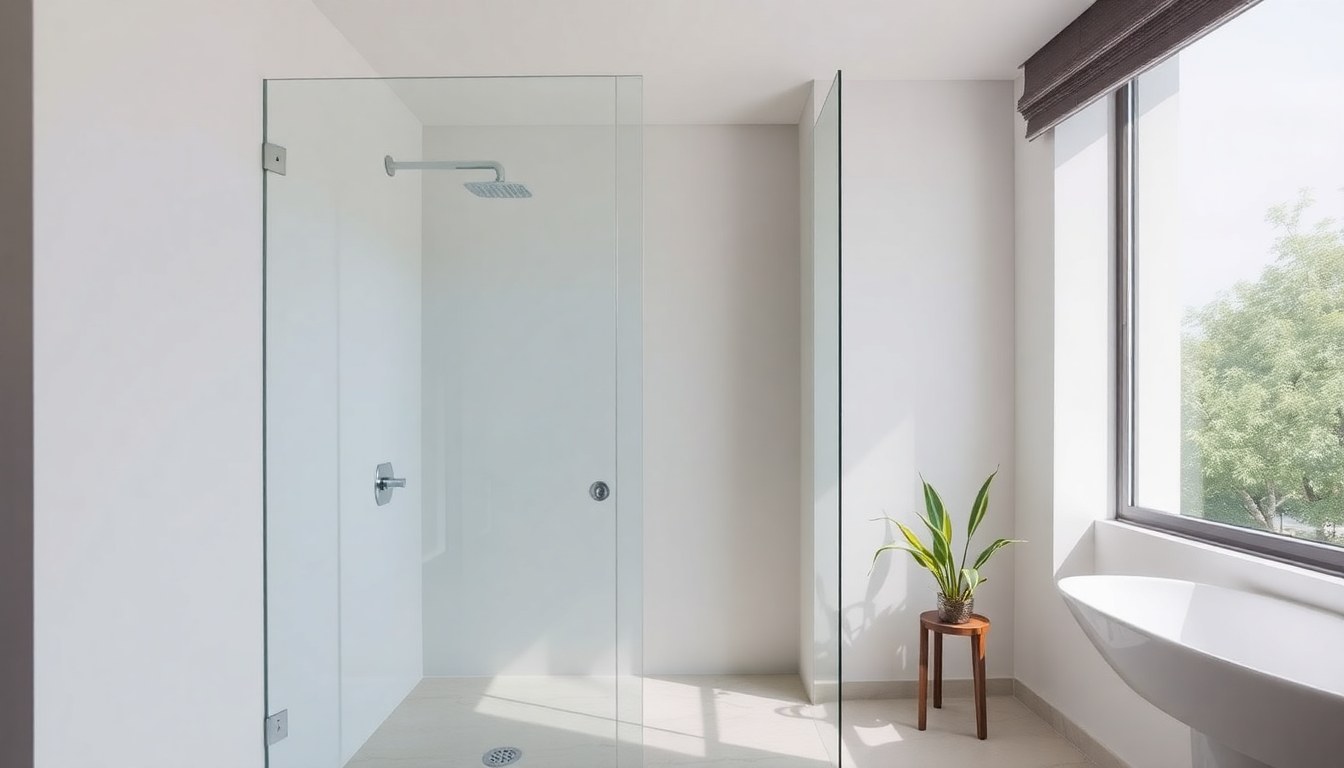
Frameless glass shower enclosures offer a sleek, modern aesthetic that transforms any bathroom, but their minimalist design demands meticulous waterproofing to prevent costly water damage. Without proper sealants, drainage systems, and regular maintenance, water can seep behind glass panels and compromise your bathroom structure. This comprehensive guide walks you through the essential techniques and materials needed to keep your frameless shower completely watertight.
Understanding Frameless Shower Waterproofing Challenges
Frameless shower enclosures differ fundamentally from framed alternatives because they lack the aluminum or vinyl frames that traditionally conceal gaps and provide structural support. This design exposes every joint, edge, and connection point to water pressure and splash. The glass panels are held in place by minimal hardware—usually stainless steel hinges and clamps—which means waterproofing relies entirely on sealants and proper installation rather than frame design.
Water doesn't just flow downward in a shower; it splashes, bounces, and finds the path of least resistance. In a frameless enclosure, this means water can reach the edges of glass panels, the spaces between panels, the junction where glass meets the shower base, and the areas around door seals. If these points aren't sealed correctly, water migrates into the surrounding walls, causing mold, structural rot, and expensive repairs.
Silicone Sealants: Choosing and Applying the Right Product
Types of Silicone Sealants for Shower Enclosures
Not all silicone sealants perform equally in wet environments. 100% pure silicone is the gold standard for frameless shower enclosures because it remains flexible, resists mold and mildew, and maintains its waterproof properties for 5-10 years. Silicone-based sealants are superior to acrylic or polyurethane alternatives in bathrooms because they don't degrade when exposed to constant moisture and temperature fluctuations.
When selecting a sealant, look for products specifically labeled as mold and mildew resistant or those containing antimicrobial additives. Brands like Dow Corning, GE Silicones, and several Indian manufacturers offer bathroom-grade silicants that cost between ₹300 to ₹800 per cartridge. Avoid cheap, generic silicones that may contain fillers—they crack easily and fail prematurely in high-moisture environments.
Proper Sealant Application Technique
Preparation is as critical as the sealant itself. Before applying any sealant, thoroughly clean the joint with a degreaser to remove soap residue, hard water deposits, and dust. Dry the area completely with a lint-free cloth. For existing sealant, use a caulk removal tool or specialized caulk softener to strip out old material completely—don't apply new sealant over old, as it won't adhere properly.
Apply sealant in a continuous bead along the entire joint using a caulking gun held at a 45-degree angle. The bead should be thick enough to fill the gap completely—typically 6-8mm wide for frameless enclosure joints. After application, smooth the bead immediately using a wet finger or caulk tool to ensure it fills the joint and creates a concave surface that sheds water effectively. Allow 24-48 hours of curing time before exposing the sealant to water.
Critical Sealing Points in Frameless Enclosures
Not every joint in a frameless shower requires sealant, but the following areas are non-negotiable for waterproofing:
- Glass-to-glass joints: Where two panels meet, sealant prevents water from seeping between panels. This is typically the most vulnerable point in a frameless enclosure.
- Glass-to-shower base junction: The perimeter where the glass meets the base must be sealed to prevent water from running behind the enclosure into the subfloor.
- Door seals and hinges: Even with magnetic seals, gaps around hinges and door edges need sealant to prevent splash escape.
- Hardware mounting points: Where clamps and hinges bolt to glass, small gaps can develop. These should be sealed or fitted with waterproof gaskets.
- Return panels (if applicable): The junction where return panels meet the main enclosure requires careful sealing.
Avoid sealing the bottom edge of the glass where it meets the base if the base has a perimeter drain—this joint should remain slightly open to allow water to drain properly. Check your base manufacturer's specifications before sealing this area.
Drainage Systems: Preventing Water Pooling
Shower Base Slope and Drain Placement
A properly sloped shower base is your first line of defense against water pooling. Building codes typically specify a minimum slope of 1/8 inch per linear foot toward the drain. This subtle incline is barely noticeable to the eye but ensures water flows consistently toward the drain rather than collecting in low spots where it can seep into joints or saturate grout.
When selecting a frameless enclosure base, verify that it has an integrated drain system with proper slope. Many frameless systems use linear drains or corner drains that accommodate the minimalist aesthetic. Linear drains, which run along one edge of the base, are particularly effective because they capture water across a longer perimeter rather than relying on a single central drain point.
Drain Maintenance and Cleaning
Even the best drainage system fails if it becomes clogged. Hair, soap scum, and mineral deposits accumulate in drain traps and pipes, reducing flow rate and causing water to back up. Monthly drain cleaning is essential for frameless shower longevity. Use a drain strainer to catch hair before it enters the trap, and clean the strainer weekly.
For deeper cleaning, pour a mixture of hot water and white vinegar down the drain monthly to dissolve mineral deposits. For stubborn clogs, use a drain snake or plunger rather than harsh chemical cleaners, which can damage pipes and seals. If water pools noticeably after 30 seconds of running water, have the drain professionally inspected—this indicates a blockage or slope issue that requires immediate attention.
Monthly Maintenance Routine to Prevent Leaks
Waterproofing isn't a one-time installation; it requires consistent maintenance to remain effective. Establish a simple monthly routine to catch problems before they become costly.
- Visual inspection: Look for white residue, discoloration, or soft spots on walls adjacent to the enclosure. These indicate water penetration behind the glass.
- Sealant condition check: Run your finger along all sealant joints. If the sealant feels soft, crumbly, or is visibly cracked, it's time for resealing.
- Door seal function: Close the door and check for gaps. Magnetic seals weaken over time and may need replacement every 2-3 years.
- Drain flow test: Run water and observe how quickly it drains. Slow drainage signals a blockage or slope problem.
- Hardware tightness: Check that all bolts, clamps, and hinges are tight. Loose hardware creates gaps that water exploits.
- Ventilation assessment: Ensure your bathroom exhaust fan runs during and 20-30 minutes after showers. Excess humidity promotes mold and sealant degradation.
Common Waterproofing Mistakes to Avoid
Many homeowners and installers inadvertently compromise frameless enclosure waterproofing through preventable errors. Applying sealant over old sealant is the most common mistake—new sealant won't adhere to old material, and water exploits the weak bond. Always remove old sealant completely before resealing.
Another frequent error is sealing the bottom edge completely, which traps water in the base instead of allowing it to drain. Some bases have weep holes or perimeter drainage systems designed to release water; sealing these defeats the drainage design. Similarly, over-tightening hardware can crack glass or distort seals, creating new leak points. Hand-tighten bolts and hinges until snug, then add only a quarter-turn with a wrench.
Neglecting ventilation is equally damaging. Even with perfect sealants, excessive humidity promotes mold growth on sealant surfaces and accelerates degradation. Install and use an exhaust fan rated for your bathroom size (typically 50-100 CFM for standard bathrooms) during every shower.
When to Reseal Your Frameless Enclosure
High-quality silicone sealants typically last 5-10 years in residential bathrooms, but this timeline varies based on water hardness, ventilation, and usage frequency. Hard water areas with high mineral content may see sealant degradation in 3-5 years. Conversely, well-ventilated bathrooms with soft water might extend sealant life to 10+ years.
Plan for complete resealing every 5-7 years as preventive maintenance, even if sealant appears intact. Catching and replacing sealant before it fails prevents water damage that costs thousands of rupees to repair. If you notice cracks, discoloration, or soft spots before the five-year mark, reseal immediately—these are signs of imminent failure.
Frequently Asked Questions
What's the best silicone sealant for Indian bathrooms with hard water?
In hard water regions, choose 100% pure silicone sealants with antimicrobial additives, as these resist mineral buildup better than standard formulations. Brands like Dow Corning or premium Indian manufacturers offer products specifically formulated for hard water. Additionally, clean your sealant monthly with a soft brush and white vinegar to dissolve mineral deposits and extend sealant life. Hard water accelerates sealant degradation, so plan for resealing every 3-5 years rather than the standard 5-7 year interval.
Can I use waterproof tape instead of silicone sealant for frameless enclosures?
Waterproof tape is not suitable as a primary sealant for frameless shower enclosures. While tape can temporarily seal small gaps or serve as an auxiliary waterproofing layer, it doesn't adhere as durably as silicone in high-moisture environments and fails much faster—typically within 1-2 years. Silicone sealant is the industry standard because it remains flexible, accommodates glass expansion and contraction, and maintains waterproof properties for 5-10 years. Use tape only for temporary fixes while planning proper sealant replacement.
How often should I clean the drain in my frameless shower base?
Clean the drain strainer weekly by removing accumulated hair, and perform a deeper drain cleaning monthly using hot water and white vinegar. If you notice water pooling or slow drainage, clean the drain immediately—don't wait for the monthly schedule. In areas with hard water or high mineral content, increase vinegar cleaning to twice monthly. Professional drain cleaning should be done annually or whenever you reseal the enclosure, as this is an opportunity to inspect the entire drainage system.
What should I do if water is leaking behind my frameless enclosure?
Stop using the shower immediately and identify the leak source by observing where water emerges on the exterior wall. Check the sealant along all joints—if it's cracked, soft, or missing, that's likely the culprit. Inspect the door seals and hardware for gaps. If the sealant is compromised, remove old sealant completely, dry the area thoroughly, and apply fresh 100% silicone sealant. If water continues leaking after resealing, have a professional inspect the shower base for cracks or improper slope, as these require more extensive repairs.
Do frameless shower enclosures require special waterproofing during installation?
Yes, frameless enclosures require meticulous waterproofing during installation, more so than framed alternatives. The shower base must be properly sloped toward the drain, and all glass-to-base and glass-to-glass joints must be sealed with high-quality silicone before the enclosure is used. Many installers recommend applying a waterproof membrane behind the enclosure walls as an additional precaution. Always hire an experienced installer familiar with frameless systems, as improper installation is the leading cause of water damage in these enclosures.
Protect Your Investment with Proper Waterproofing
Frameless glass shower enclosures are a premium addition to any bathroom, but their longevity depends entirely on waterproofing excellence. By selecting the right silicone sealants, maintaining effective drainage systems, and committing to monthly inspections, you'll prevent water damage and enjoy your enclosure for decades. Ready to upgrade your bathroom with a frameless system? Browse trusted glass suppliers and installation specialists on glassy.in, India's comprehensive glass business directory, to find certified professionals in your city who specialize in waterproof frameless enclosure installation and maintenance.